Near-infrared light-responsive upconversion substrate enables spatiotemporal control of mesenchymal stem cells adhesion and multilineage differentiation in vivo
Jinming Li, Qingxin Zhao, Jiani Sun, Hao Zeng, Anli Yang

TL;DR
A new platform uses near-infrared light to control stem cell behavior and differentiation in living organisms with high precision.
Contribution
A novel NIR-responsive upconversion system enables spatiotemporal control of MSC adhesion and differentiation via mechanotransduction pathways in vivo.
Findings
Low NIR intensity promotes osteogenic differentiation with 2–3 fold upregulation of osteogenic markers.
High NIR intensity triggers adipogenic differentiation with 4–5 fold induction of adipogenic markers.
In vivo studies confirm spatiotemporal regulation of MSC fate and YAP signaling via NIR-controlled RGD ligand density.
Abstract
Spatiotemporally precise control of mesenchymal stem cells (MSCs) differentiation remains an unmet challenge in regenerative medicine. Herein, we report a near-infrared (NIR)-responsive platform that integrates upconversion nanoparticle (UCNP)-functionalized substrates with host-guest photoresponsive chemistry (β-cyclodextrin/arylazopyrazole-RGD) to NIR spatiotemporally orchestrate MSCs adhesion, spreading, and lineage commitment with spatiotemporal precision. The UCNPs convert 808 nm NIR light into localized UV emissions, dynamically modulating azobenzene-cyclodextrin interactions and thereby tuning surface RGD ligand density via photoisomerization. Under low NIR intensities (0–0.5 W/cm2), augmented integrin-RGD binding drives robust focal adhesion assembly, actin cytoskeletal tension, nuclear YAP translocation, and osteogenic differentiation, as evidenced by 2–3 fold upregulation of…
Genes, proteins, chemicals, diseases, species, mutations and cell lines named across the full text — each resolved to its canonical identifier and authoritative record.
Click any figure to enlarge with its caption.
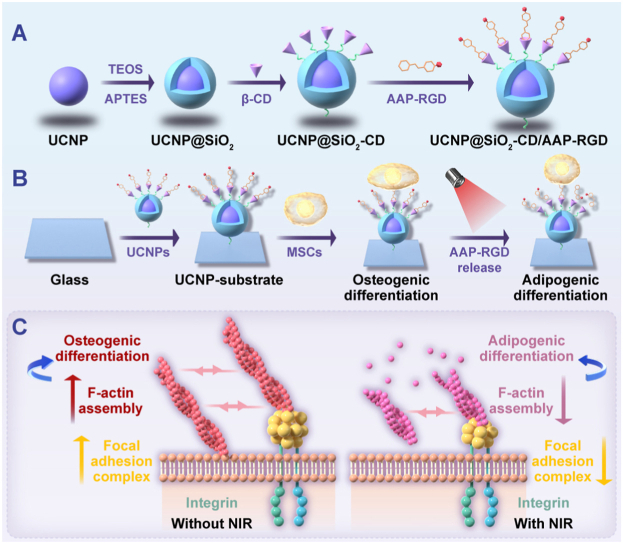 Figure 1
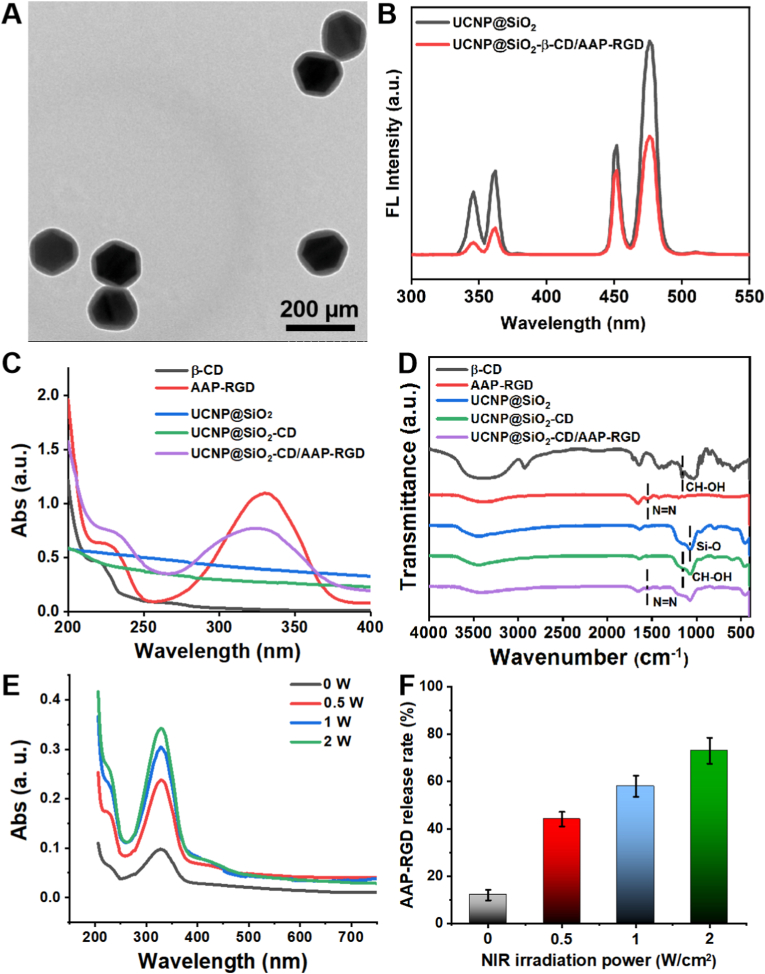 Figure 2
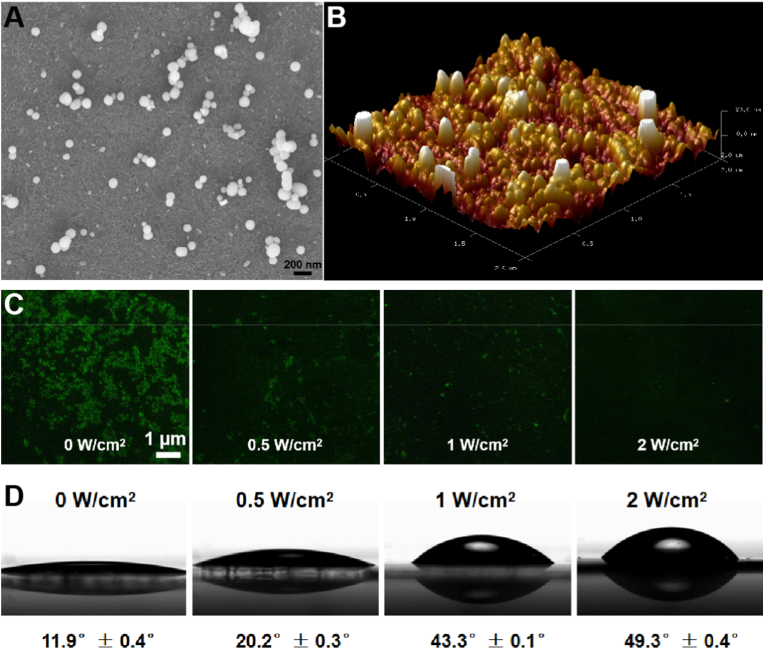 Figure 3
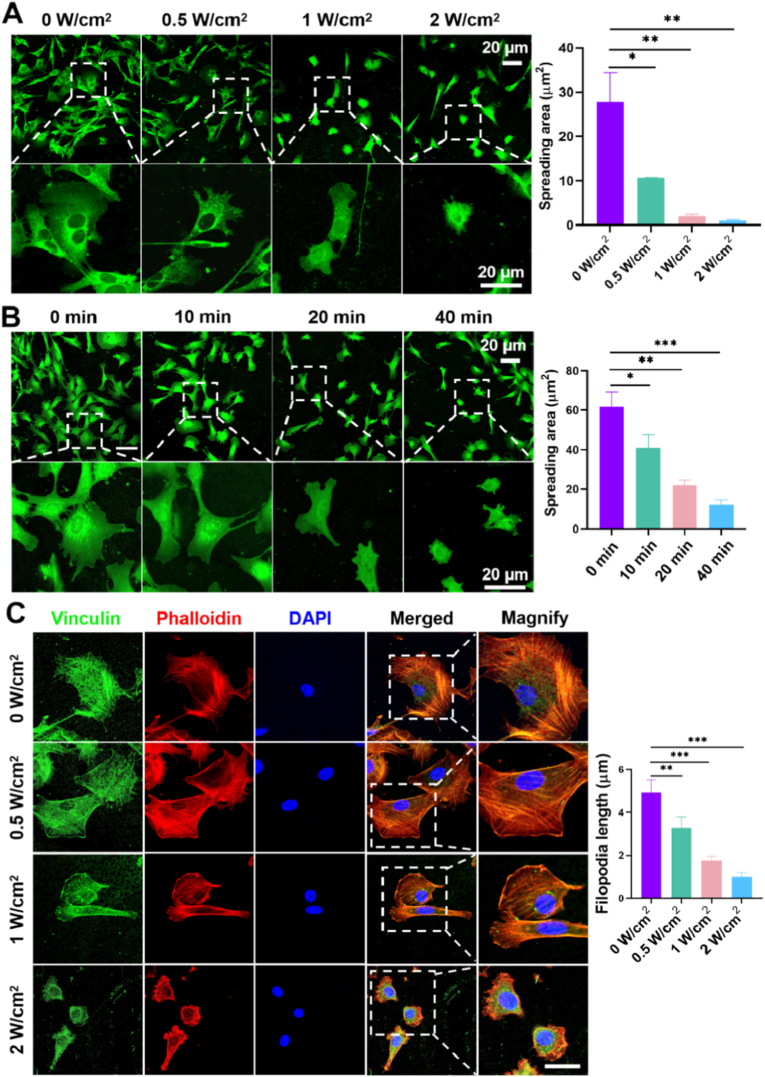 Figure 4
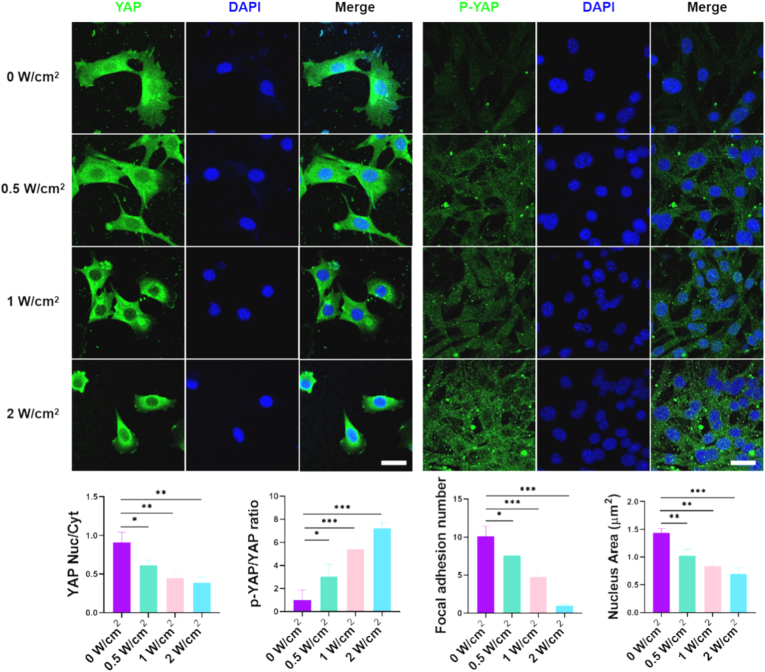 Figure 5
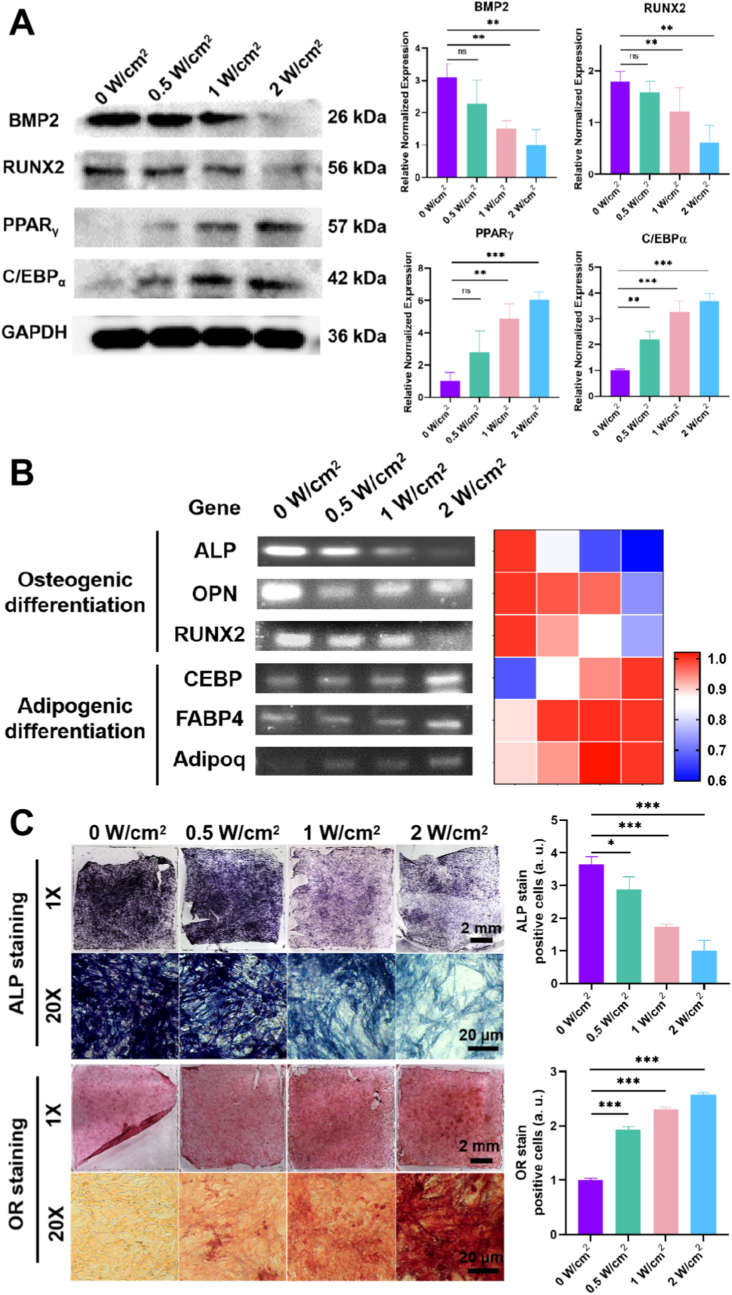 Figure 6
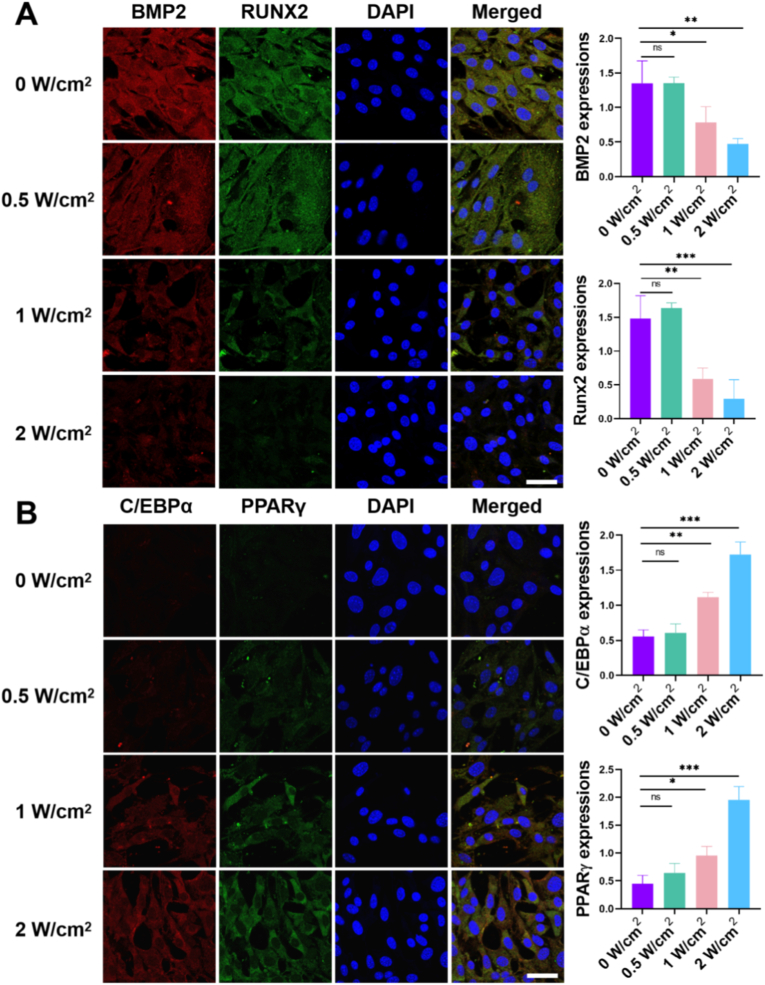 Figure 7
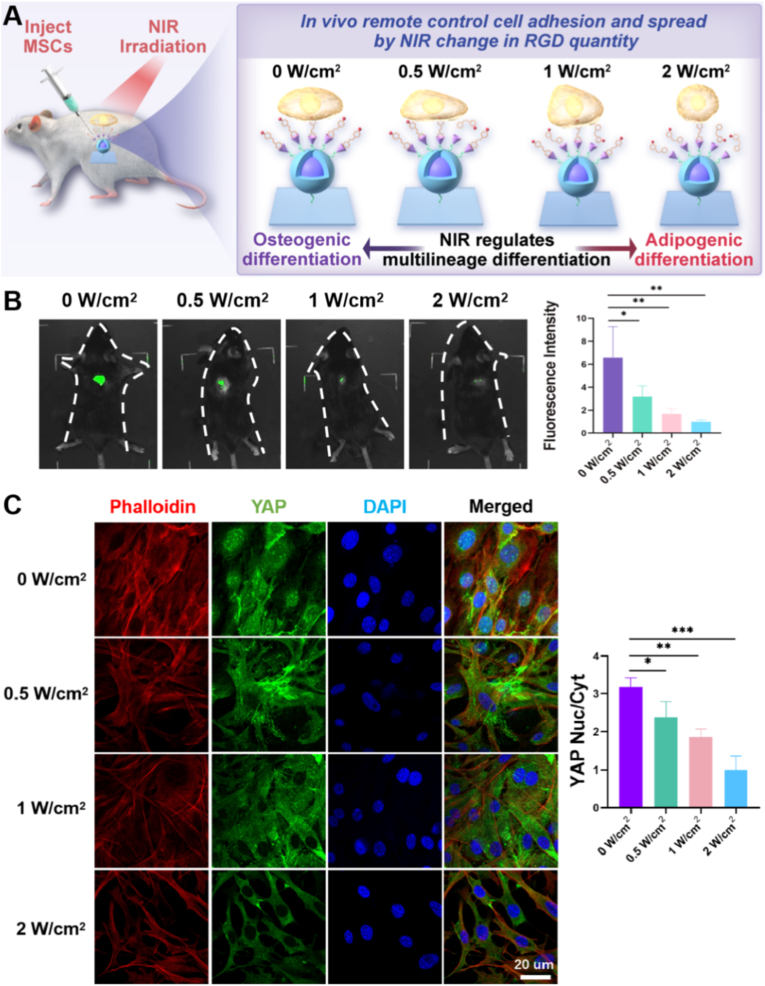 Figure 8
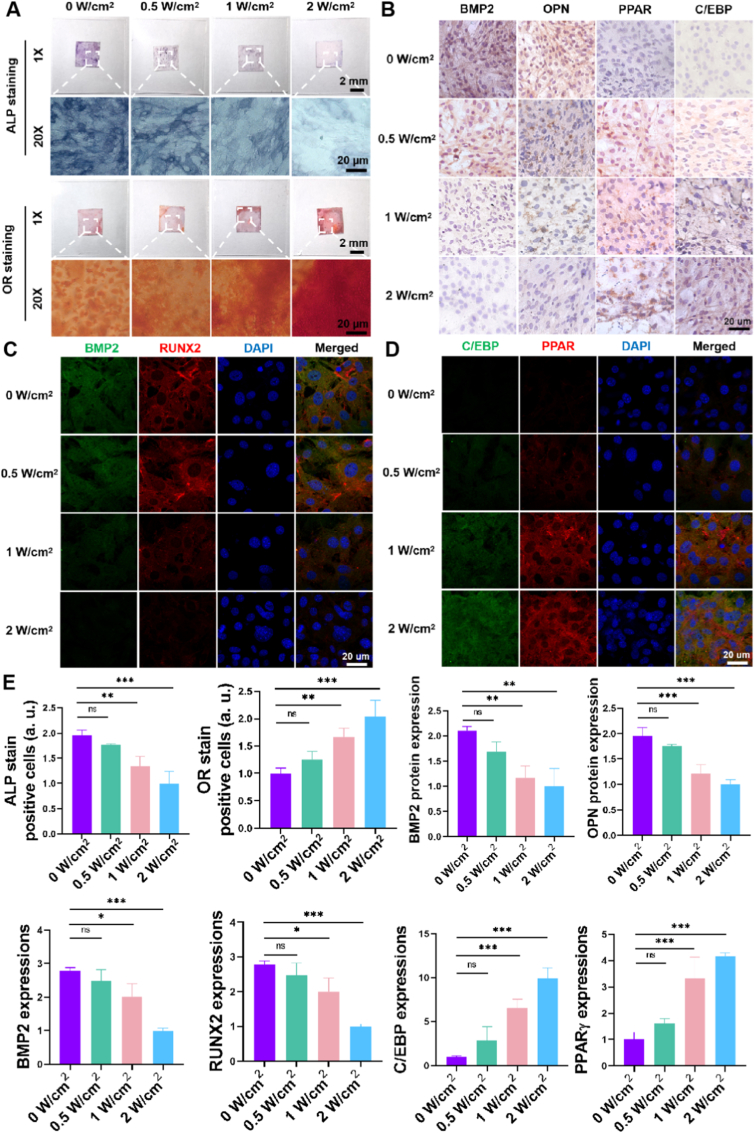 Figure 9
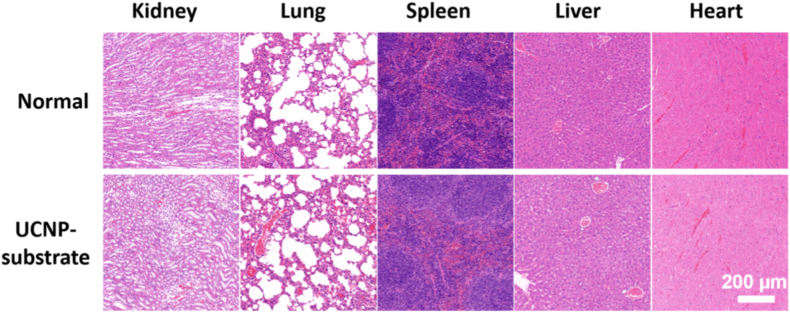 Figure 10
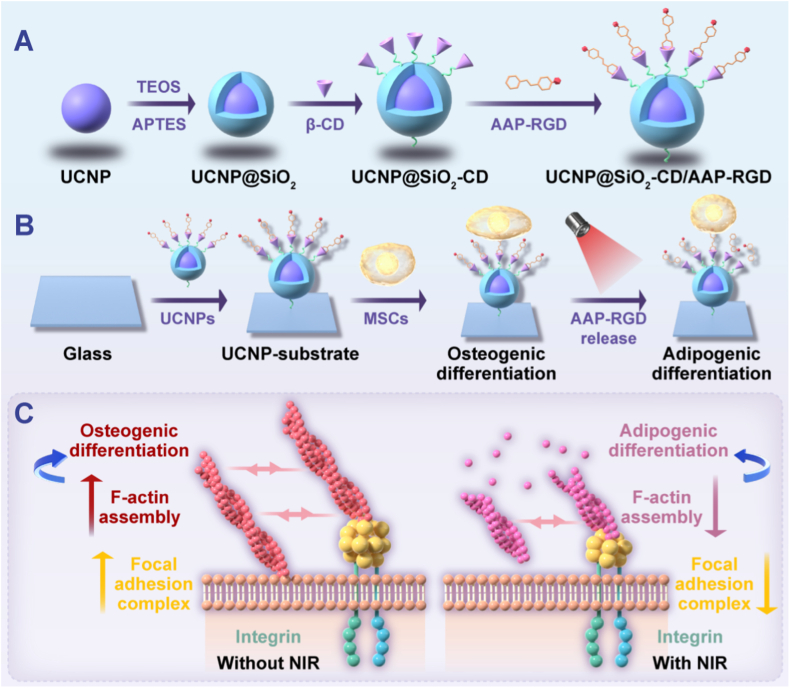 Figure 11
Peer Reviews
No public reviews on file for this paper yet. If you reviewed it on a platform where reviews are public (OpenReview, ICLR, NeurIPS, ICML), you can paste yours below so the community can read it here.
Videos
No videos yet. Explain this paper in a talk, walkthrough, or lecture? Add one.
Taxonomy
TopicsNanoplatforms for cancer theranostics · Cellular Mechanics and Interactions · 3D Printing in Biomedical Research