Deficiency of Microglial‐Derived Spp1 Exacerbates Age‐Related Memory Decline by Impairing Mitochondrial Complex I Function
Meiling Wang, Yumin Chang, Aojie He, Jing Yang, Ang Li, Hongqin Wang, Kah‐Leong Lim, Xing Guo, Chengwu Zhang, Li Lu

TL;DR
This study shows that a protein called Spp1, produced by brain immune cells, helps prevent memory loss in aging by supporting energy production in these cells.
Contribution
The study reveals a new mechanism by which microglial Spp1 prevents age-related memory decline through the AKT/Complex I pathway.
Findings
Spp1 deficiency in microglia worsens memory decline in aged mice.
Spp1 supports microglial function by regulating the AKT/mitochondrial complex I pathway.
Overexpression of Spp1 in microglia can partially reverse age-related memory issues.
Abstract
Age‐related memory decline is a hallmark of brain aging and a primary risk factor for neurodegenerative disorders. Microglia play a crucial role in preserving memory function by maintaining brain homeostasis through phagocytosis, yet the specific mechanisms governing this protective function remain elusive. In the present study, we identified a population of Secreted Phosphoprotein 1 (Spp1)‐positive microglia in both aged mouse and human brains. To investigate the role of microglial Spp1 in aging, we generated microglia‐specific Spp1 knockout (Spp1‐cKO) mice. We demonstrate that Spp1 deficiency selectively precipitates memory deficits in aged mice, without affecting memory function in young mice, indicating an age‐dependent reliance on Spp1 signaling. Microglial phagocytic capacity positively correlates with Spp1 levels and is diminished by Spp1 deficiency. Mechanistically, Spp1…
Genes, proteins, chemicals, diseases, species, mutations and cell lines named across the full text — each resolved to its canonical identifier and authoritative record.
Click any figure to enlarge with its caption.
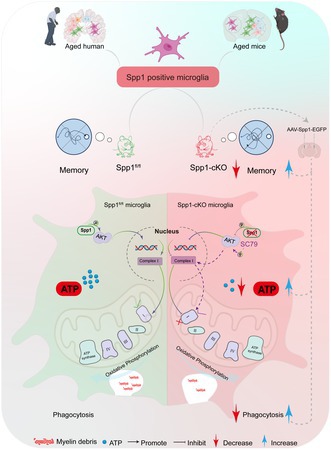 Figure 1
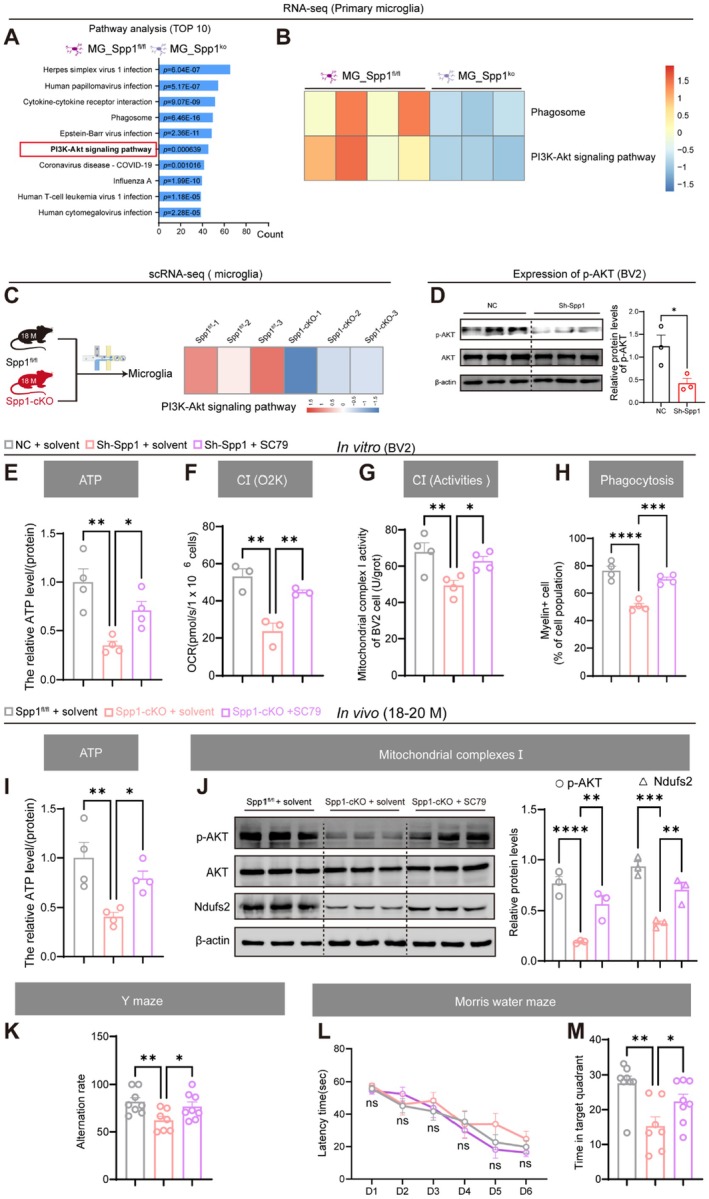 Figure 2
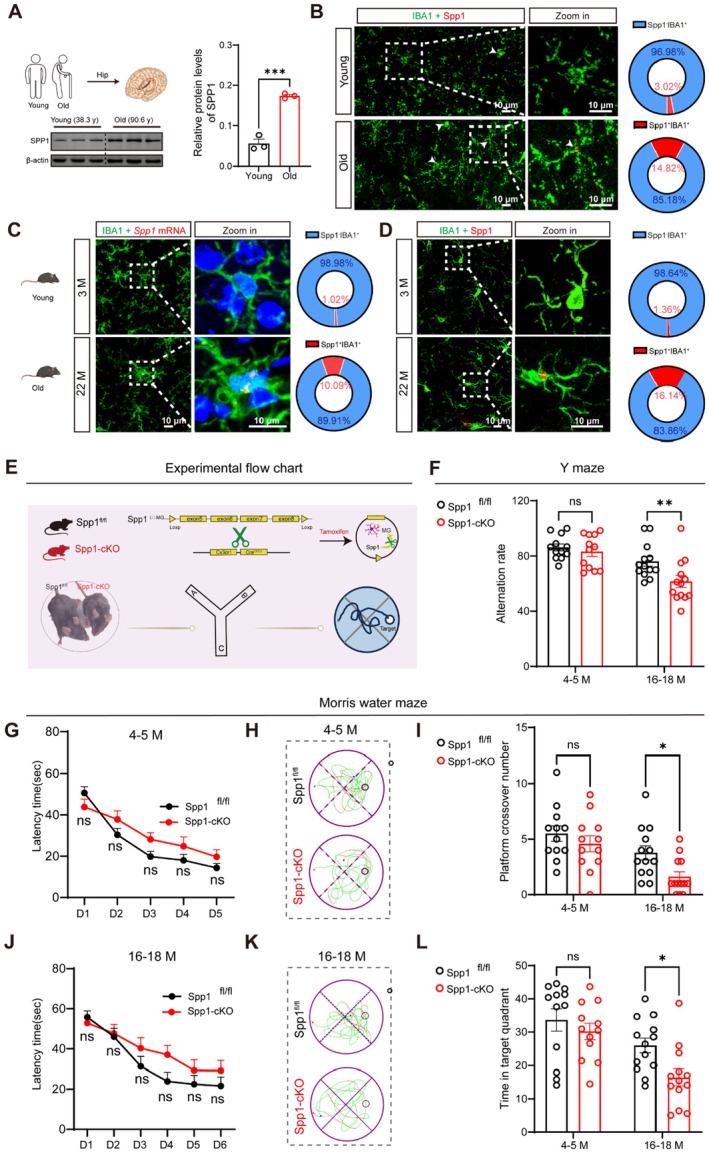 Figure 3
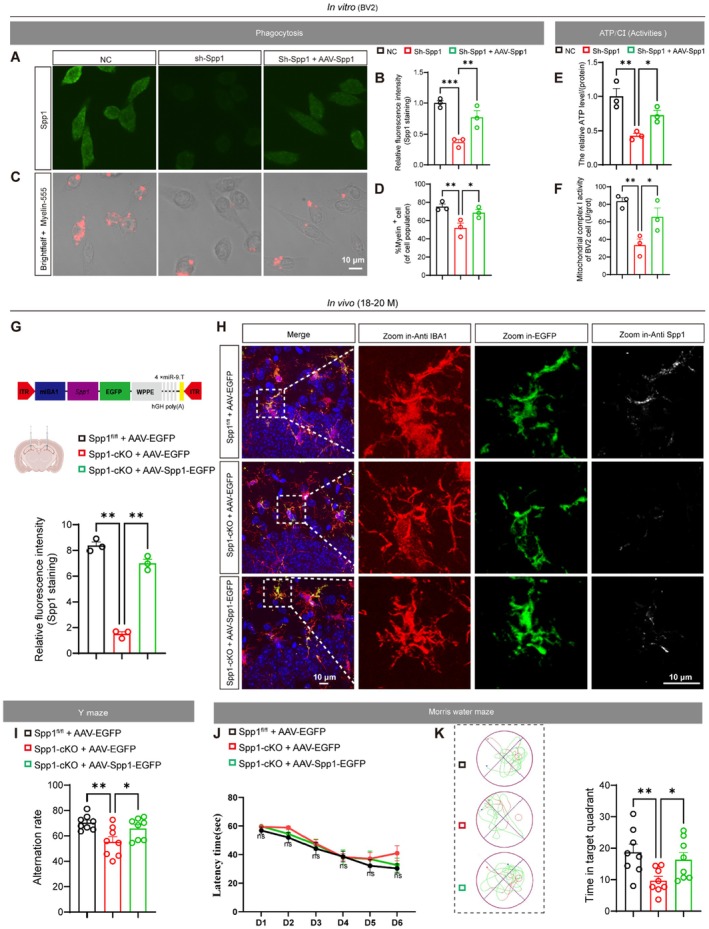 Figure 4
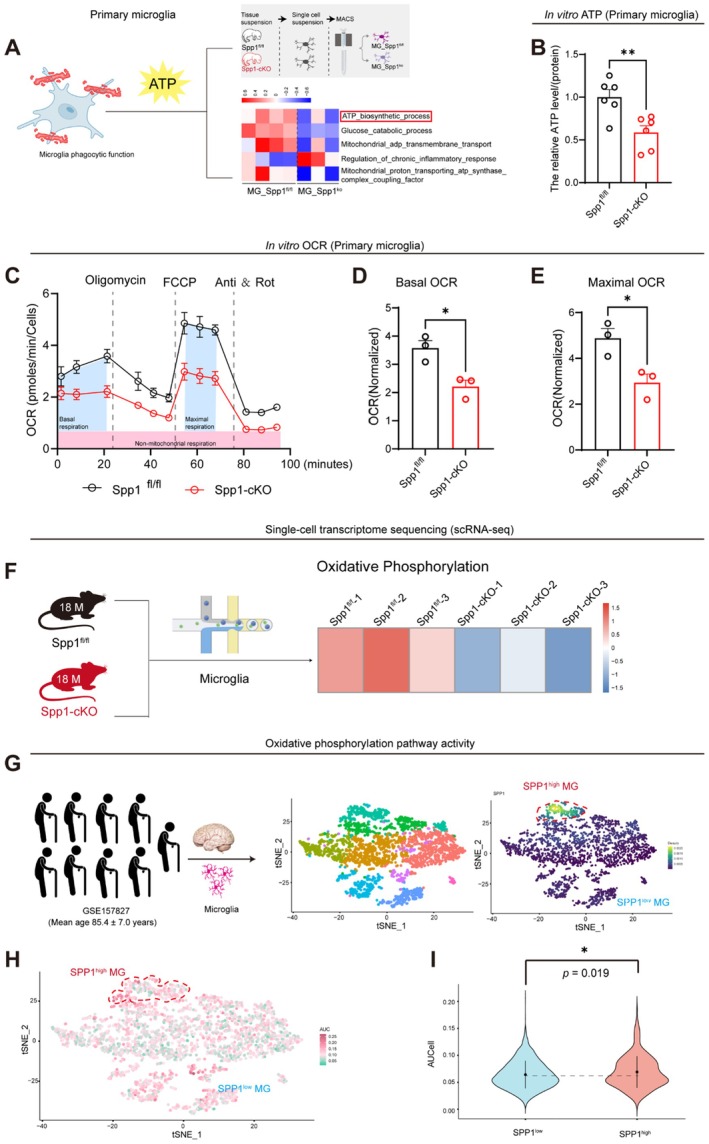 Figure 5
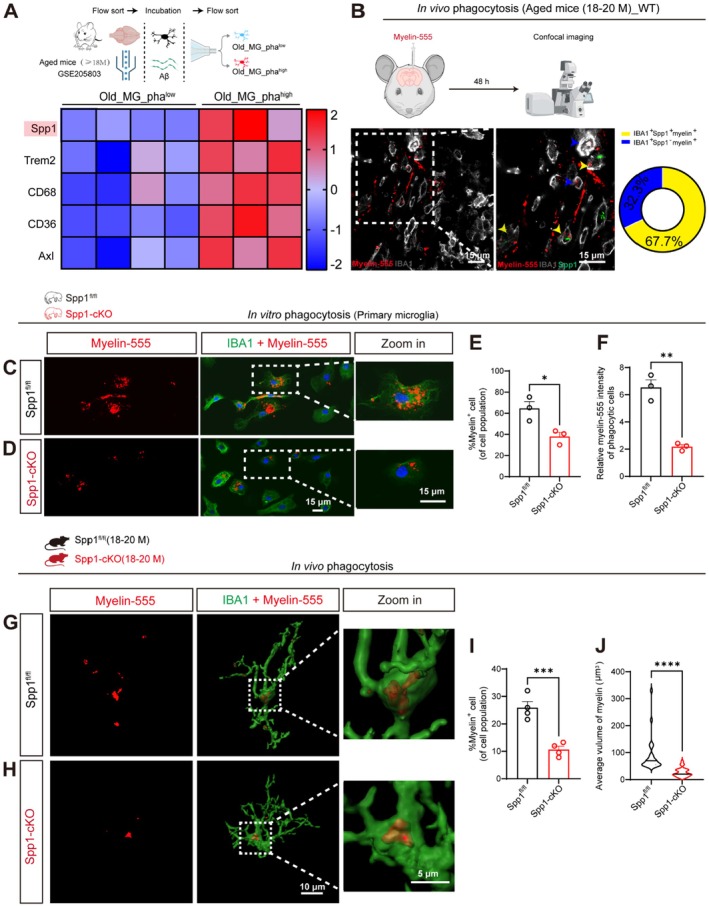 Figure 6
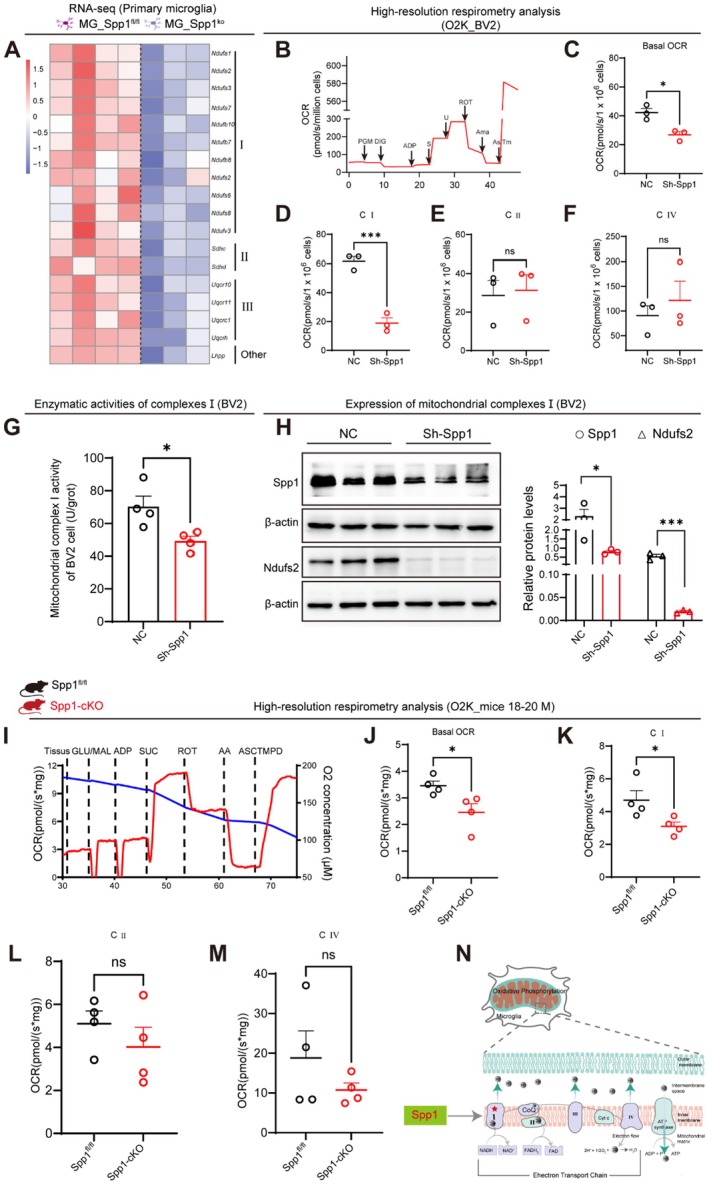 Figure 7
Peer Reviews
No public reviews on file for this paper yet. If you reviewed it on a platform where reviews are public (OpenReview, ICLR, NeurIPS, ICML), you can paste yours below so the community can read it here.
Videos
No videos yet. Explain this paper in a talk, walkthrough, or lecture? Add one.
Taxonomy
TopicsNeuroinflammation and Neurodegeneration Mechanisms · Inflammation biomarkers and pathways · Immune cells in cancer