HER2/CEP17 ratio is associated with pCR after HER2-directed neoadjuvant treatment in the phase III NeoALTTO trial
Christian F. Singer, Franz Koenig, Stephanie Kacerovsky-Strobl, Sabine Danzinger, Christine Brunner, Christoph Suppan, Christine Deutschmann, Marija Balic, Richard Greil, Daniel Egle, Evandro de Azambuja, Serena Di Cosimo, Anup Choudhury, Michael Gnant

TL;DR
This study shows that higher HER2/CEP17 ratios predict better tumor response to HER2-targeted therapy in early breast cancer patients.
Contribution
The study demonstrates that quantitative HER2/CEP17 ratios predict pCR but not survival in HER2+ breast cancer patients.
Findings
Higher HER2/CEP17 ratios significantly predict pathological complete response (pCR) in multivariate analysis.
HER2/CEP17 ratios are not associated with event-free survival (EFS).
Including HER2/CEP17 ratio in a pCR prediction model improves its accuracy.
Abstract
In early breast cancer, HER2-directed therapies are approved for the treatment of patients with HER2-positive invasive breast cancer as defined by HER2 protein overexpression, or HER2 gene amplification with HER2/CEP17 ratios ≥2.2. Beyond this cut-off, however, it is unknown whether the efficacy of HER2-directed therapy improves with increasing HER2/CEP17 ratios. We evaluated whether quantitative assessment of the HER2/CEP17 ratio predicts pathological complete response (pCR) and event-free survival (EFS) in patients treated with neoadjuvant HER2-based regimen in the prospective phase III NeoALTTO trial. 455 women with HER2-positive early breast cancer, who had received neoadjuvant trastuzumab and/or lapatinib, together with 12 cycles of weekly paclitaxel, were included in this analysis. The HER2/CEP17 ratio in the primary tumor samples was correlated with pCR and survival outcome.…
Genes, proteins, chemicals, diseases, species, mutations and cell lines named across the full text — each resolved to its canonical identifier and authoritative record.
Click any figure to enlarge with its caption.
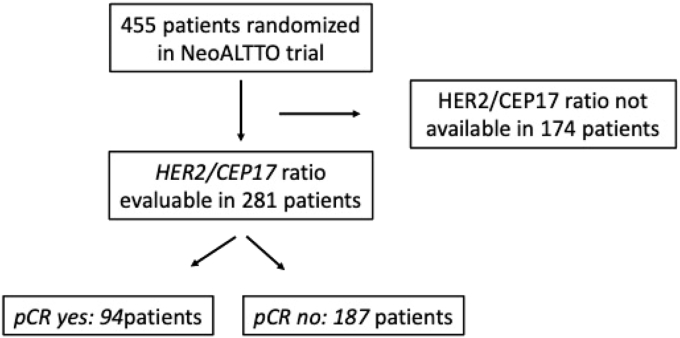 Figure 1
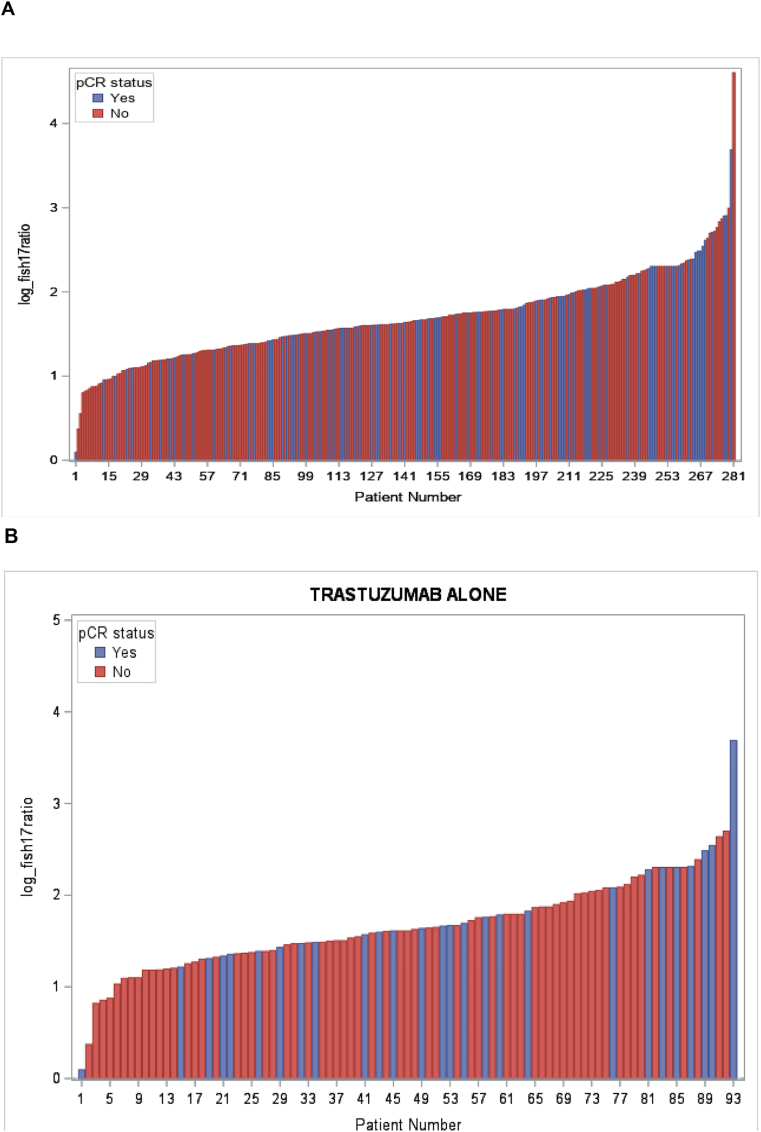 Figure 2
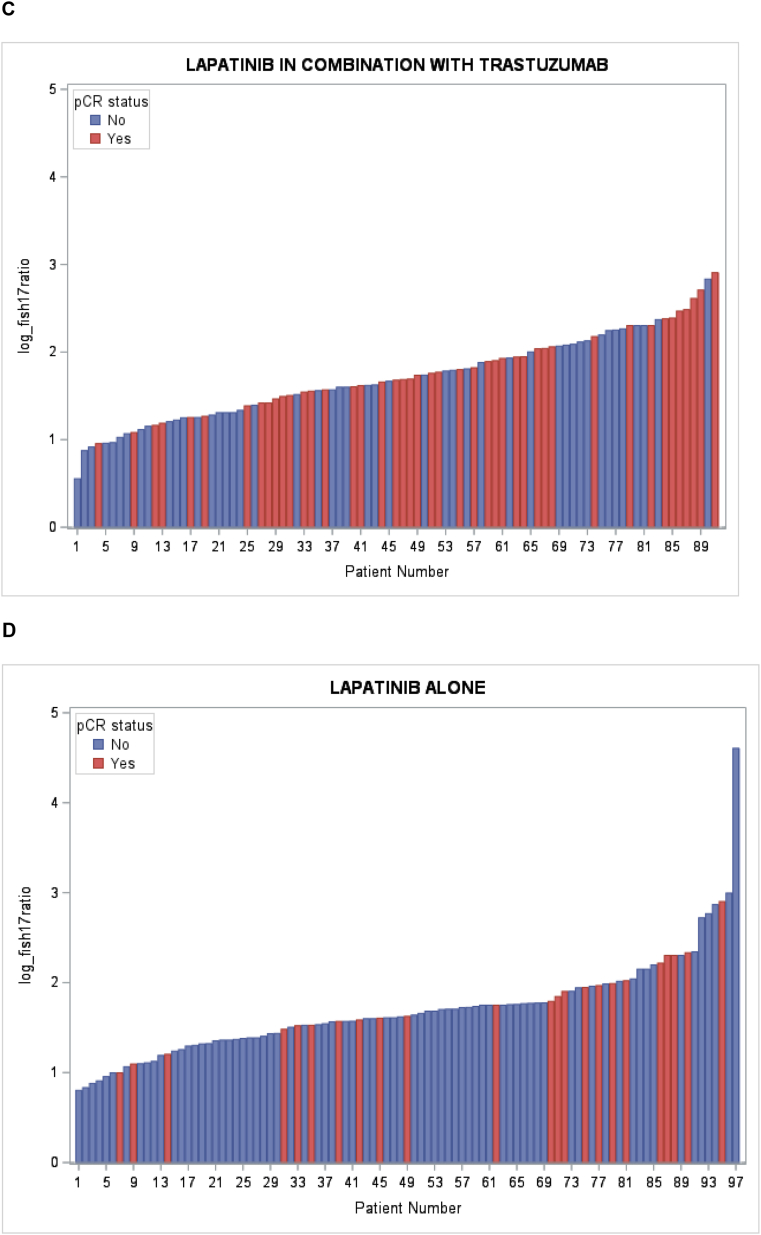 Figure 3
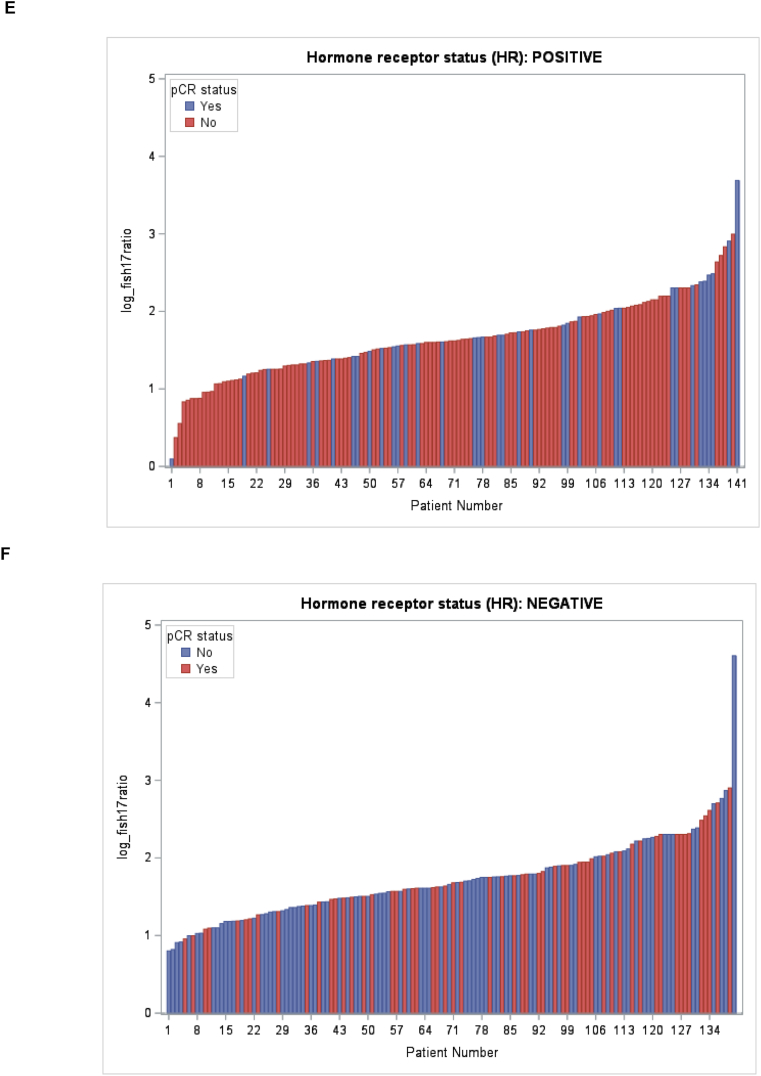 Figure 4
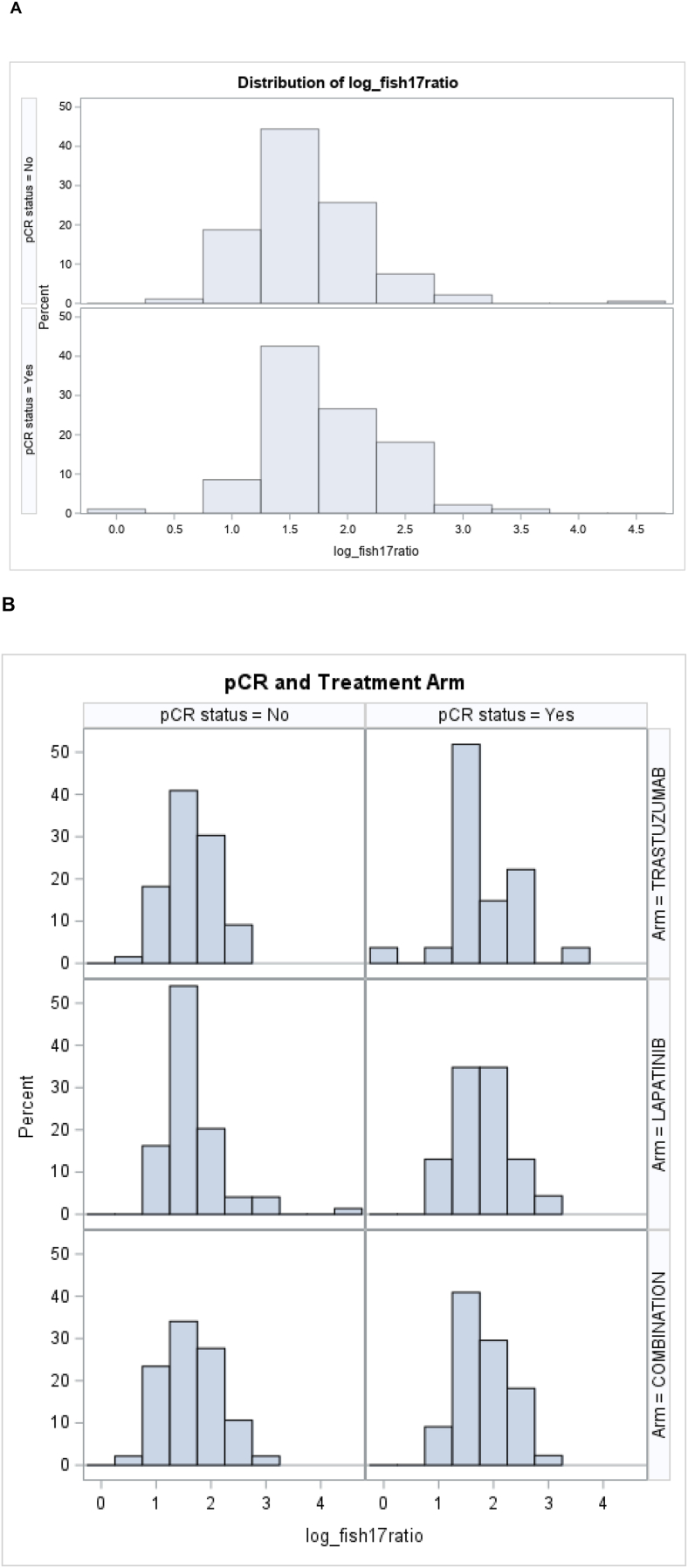 Figure 5
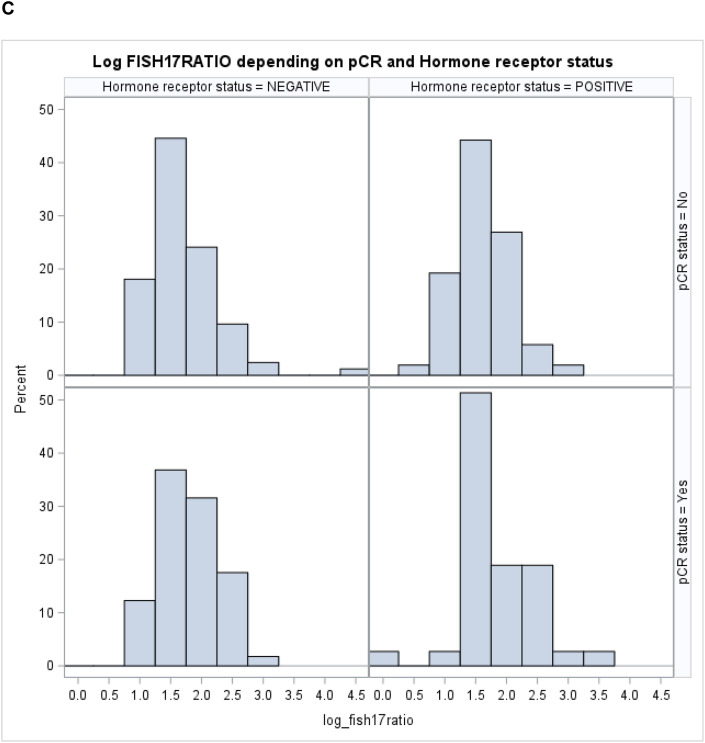 Figure 6
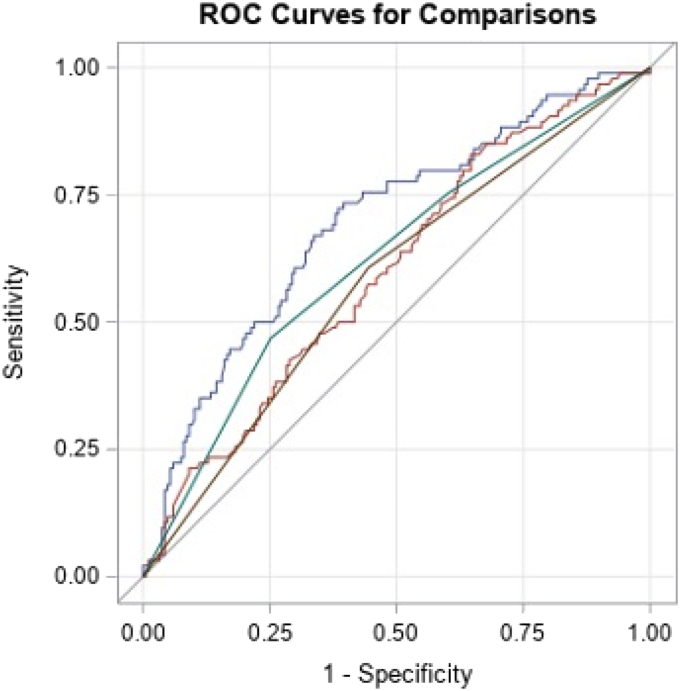 Figure 7
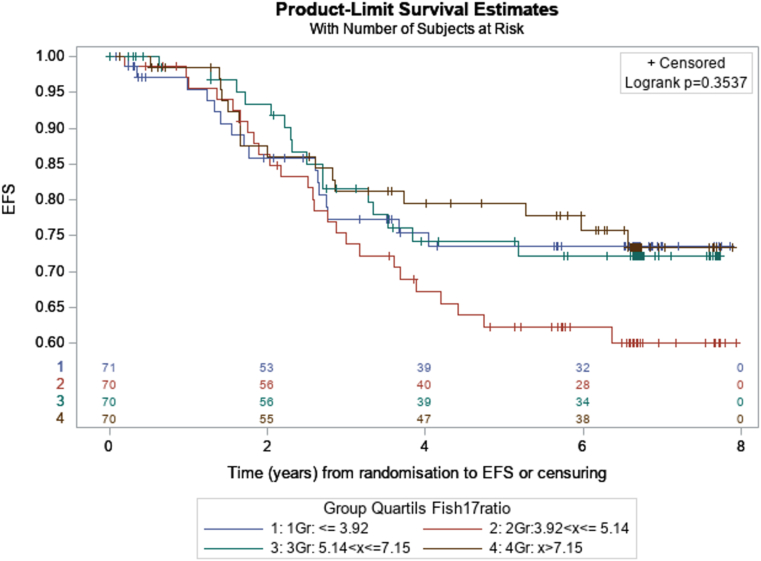 Figure 8
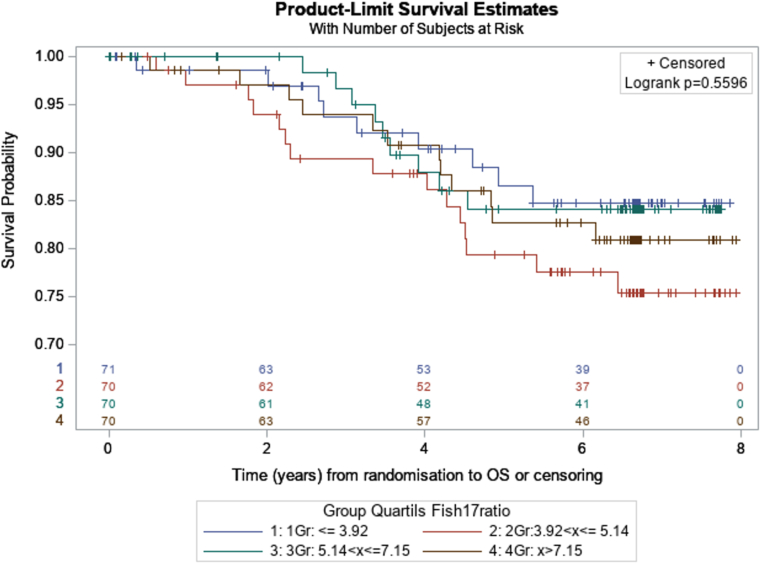 Figure 9
Peer Reviews
No public reviews on file for this paper yet. If you reviewed it on a platform where reviews are public (OpenReview, ICLR, NeurIPS, ICML), you can paste yours below so the community can read it here.
Videos
No videos yet. Explain this paper in a talk, walkthrough, or lecture? Add one.
Taxonomy
TopicsHER2/EGFR in Cancer Research · Breast Cancer Treatment Studies · Colorectal Cancer Treatments and Studies