Tissue-engineered cardiac patches enriched with IGF1 modified mRNA alleviate myocardial infarction by enhancing cell survival and angiogenesis
Bingqian Yan, Xuefeng Ai, Huijing Wang, Yao Tan, Yiqi Gong, Li Yang, Ying Chen, Tingting Lu, Minglu Liu, Runjiao Luo, Kaixiang Li, Xin Tang, Wei Wang, Wei Fu

TL;DR
This study shows that cardiac patches enriched with IGF1-modified mRNA improve heart repair by boosting cell survival and blood vessel growth after a heart attack.
Contribution
The novel use of IGF1-modified mRNA in tissue-engineered cardiac patches enhances cell survival and angiogenesis for myocardial repair.
Findings
TECPs with modIGF1 reduced infarct size and improved cardiac function.
ModIGF1 enhanced cell survival, proliferation, and vascularization in the heart tissue.
Nanofibrous membranes with 30% gelatin best supported cell adhesion and differentiation.
Abstract
Tissue-engineered cardiac patches (TECPs), which combine cells with biomaterial scaffolds, hold great promise for myocardial repair and regeneration. However, their broader application remains limited by the low survival rate of transplanted cells. To boost the therapeutic efficacy of cardiac patches, genetic engineering and localized delivery of bioactive factors are essential for optimizing cellular function in vivo. In this study, nanofibrous membranes composed of polycaprolactone-co-l-lactide (PLCL) and gelatin at various ratios were fabricated using electrospinning technology. Among these, membranes containing 30 % gelatin displayed optimal properties, promoting the adhesion, survival, proliferation, and cardiomyocyte differentiation of induced pluripotent stem cell-derived cardiac progenitor cells (iPSC-CPCs). Following this, TECPs were constructed in vitro and transfected with…
Genes, proteins, chemicals, diseases, species, mutations and cell lines named across the full text — each resolved to its canonical identifier and authoritative record.
Click any figure to enlarge with its caption.
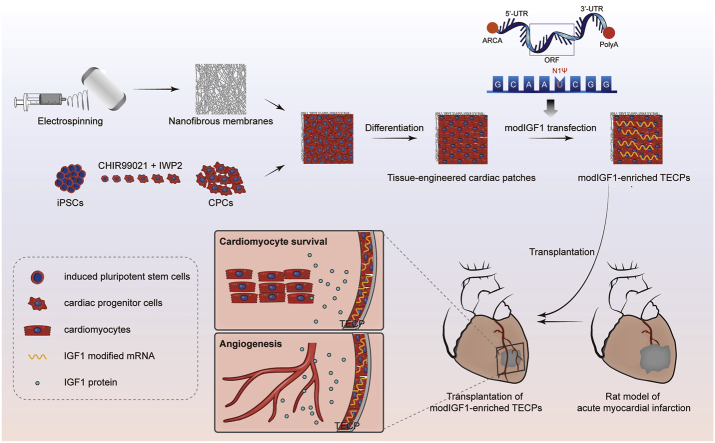 Figure 1
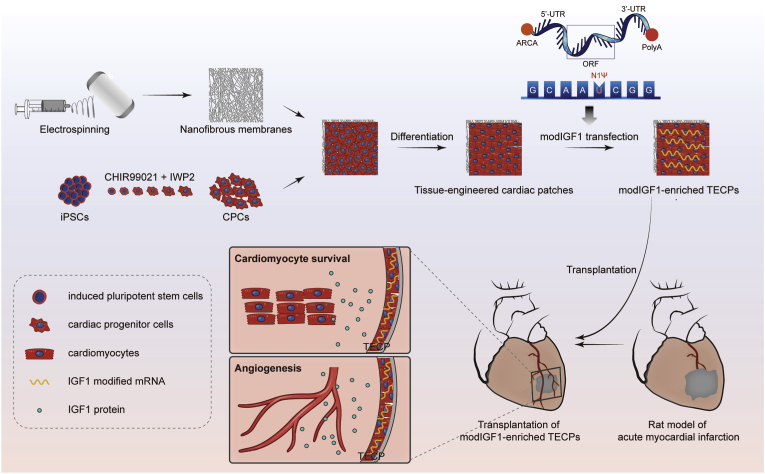 Figure 2
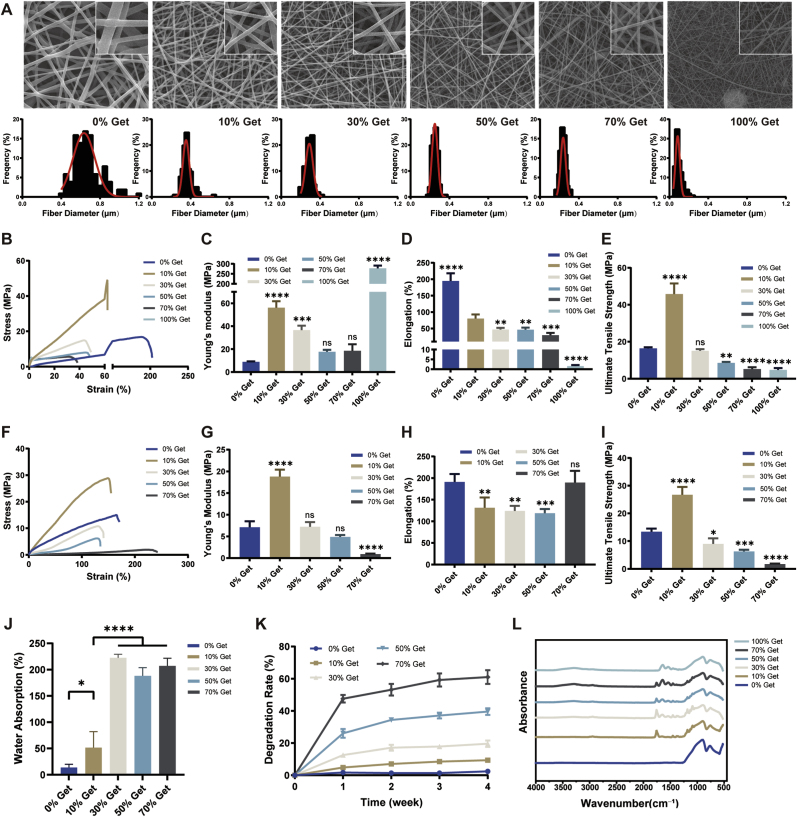 Figure 3
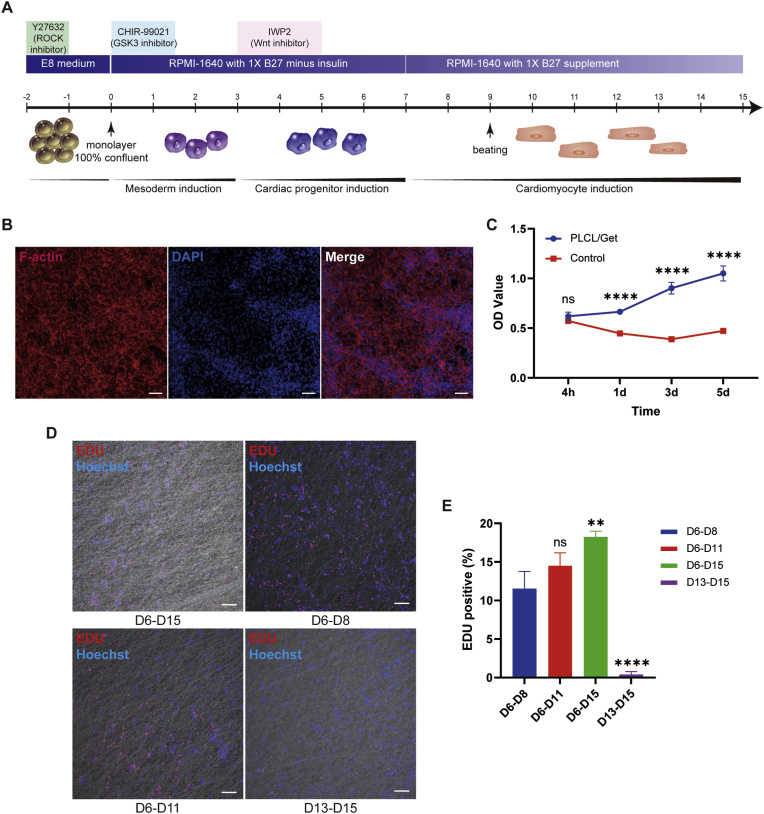 Figure 4
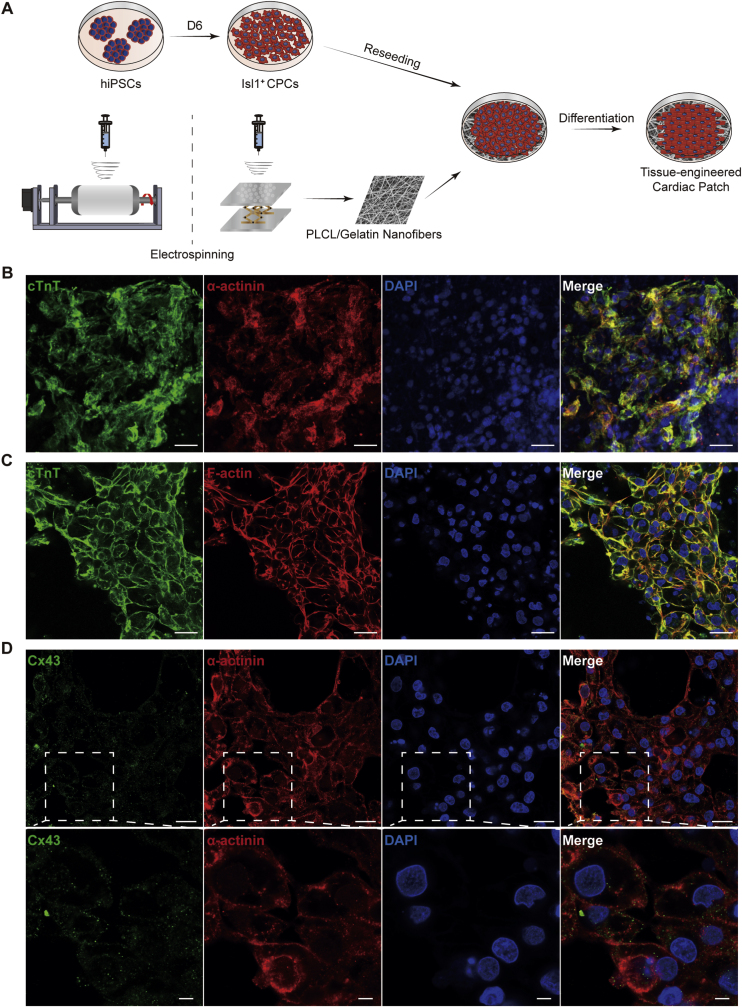 Figure 5
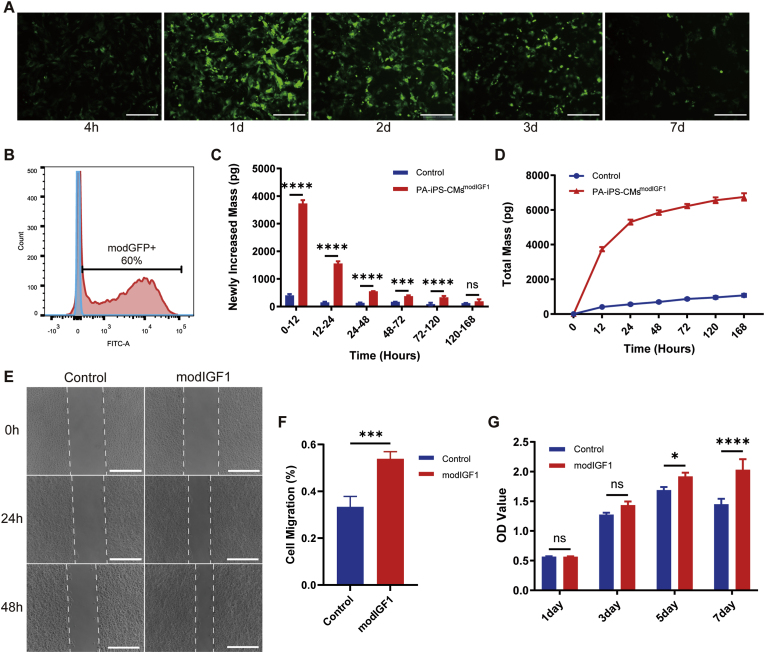 Figure 6
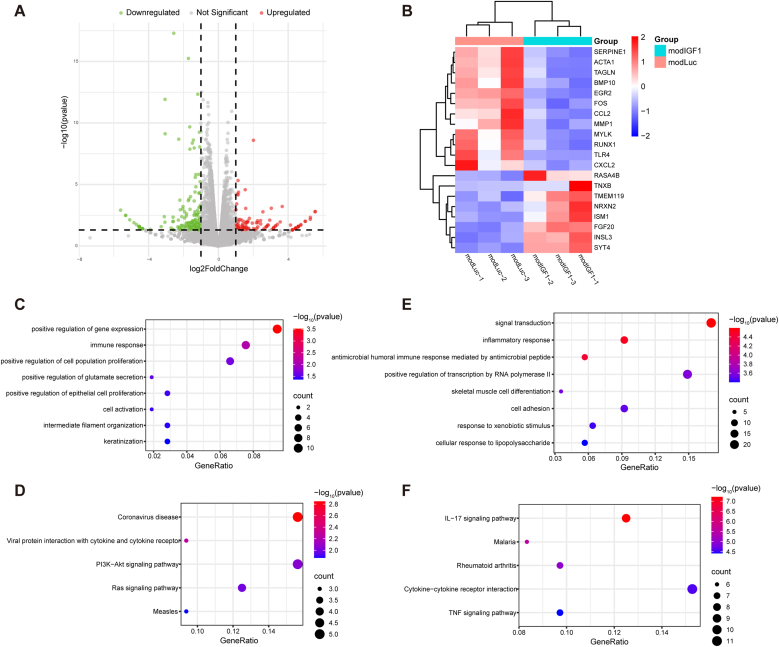 Figure 7
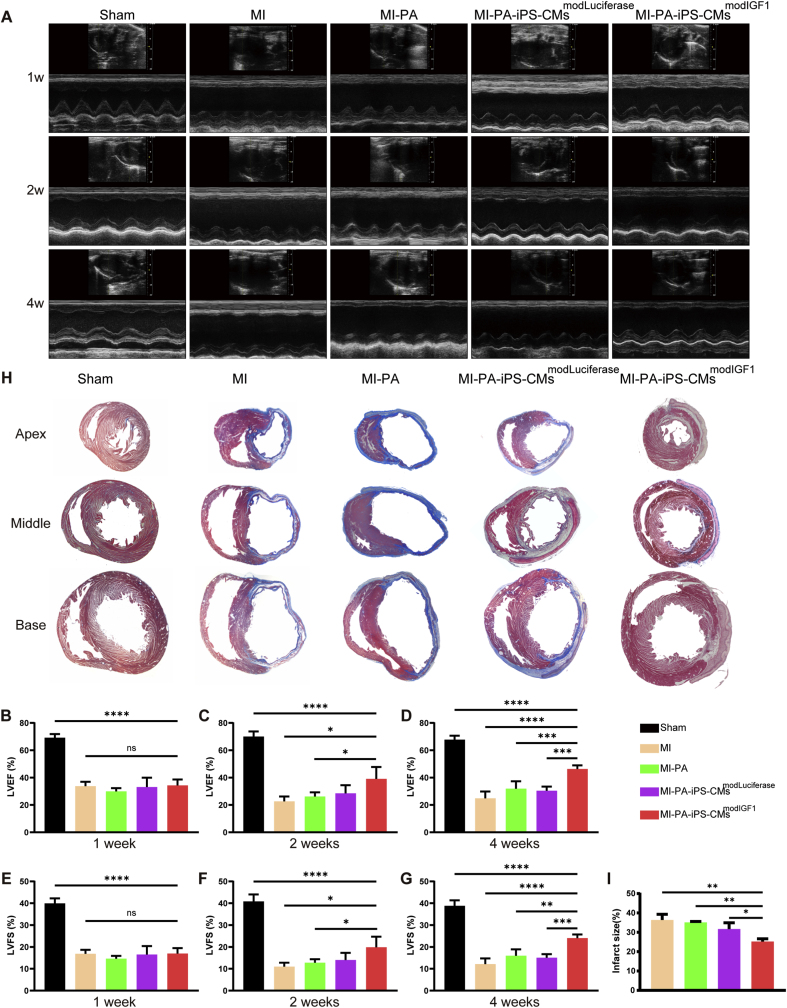 Figure 8
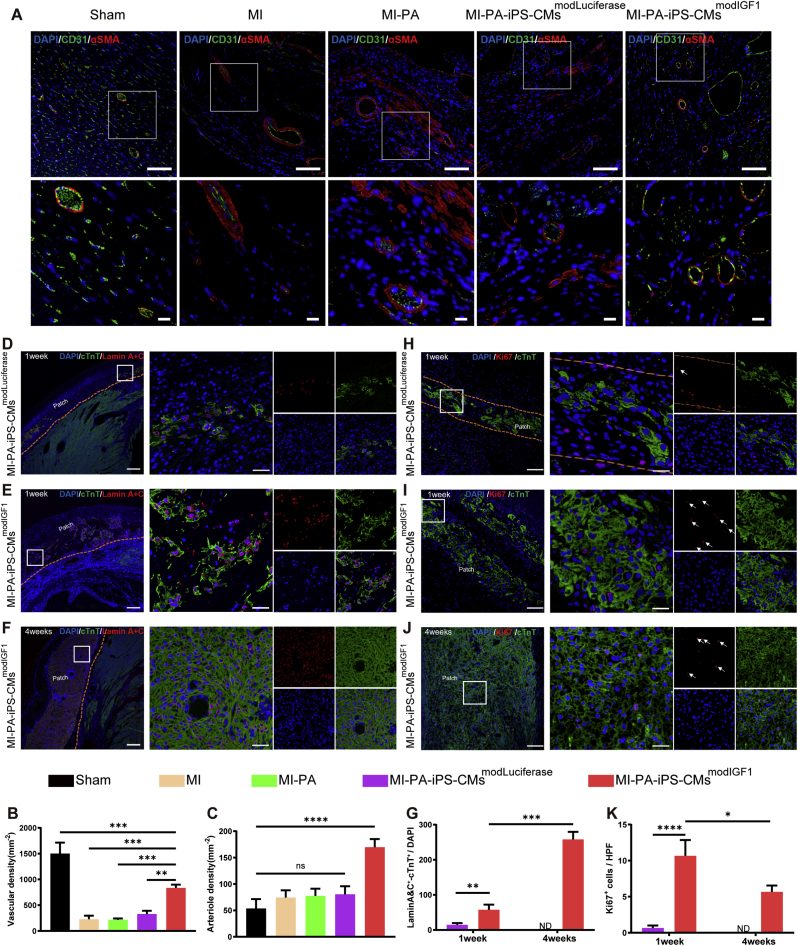 Figure 9
Peer Reviews
No public reviews on file for this paper yet. If you reviewed it on a platform where reviews are public (OpenReview, ICLR, NeurIPS, ICML), you can paste yours below so the community can read it here.
Videos
No videos yet. Explain this paper in a talk, walkthrough, or lecture? Add one.
Taxonomy
TopicsTissue Engineering and Regenerative Medicine · Electrospun Nanofibers in Biomedical Applications · Pluripotent Stem Cells Research