Synergistic effects of dioscin and amphotericin B against Candida albicans: a promising strategy for antifungal therapy
Xin Liu, Fei Xu, Yu Zhang, Lili Zhong, Longfei Yang

TL;DR
Combining dioscin with amphotericin B effectively fights Candida infections by damaging cell membranes and reducing drug toxicity.
Contribution
The study demonstrates a synergistic antifungal effect of dioscin and amphotericin B against Candida species.
Findings
Dioscin and amphotericin B synergistically inhibited planktonic growth of C. albicans, C. krusei, and C. tropicalis.
The combination reduced biofilm formation and development of C. albicans by 97% and 60%, respectively.
The combination caused significant cell membrane damage, confirmed by fluorescent assays and electron microscopy.
Abstract
The emerging antifungal resistance exacts deteriorating effects on the availability of drugs for treating fungal infections, calling for novel therapies. Although amphotericin B (AmB) is clinically effective and rarely causes resistance, its severe side effects warrant further reduction. Enhancing or potentiating AmB efficacy with other agents to lower the dose of AmB is appealing to reduce AmB toxicity. Dioscin, a steroidal saponin from the Dioscorea genus, has shown multiple pharmacological activities, including anticancer, antifungal, hepatoprotective, and nephroprotective effects. As combinational therapy has multiple advantages, it is interesting to explore the effects of dioscin and AmB combination in C. albicans, which is the most common fungal pathogen in humans. In this study, through a checkerboard assay, we found that dioscin and AmB produced synergistic effects in inhibiting…
Genes, proteins, chemicals, diseases, species, mutations and cell lines named across the full text — each resolved to its canonical identifier and authoritative record.
Click any figure to enlarge with its caption.
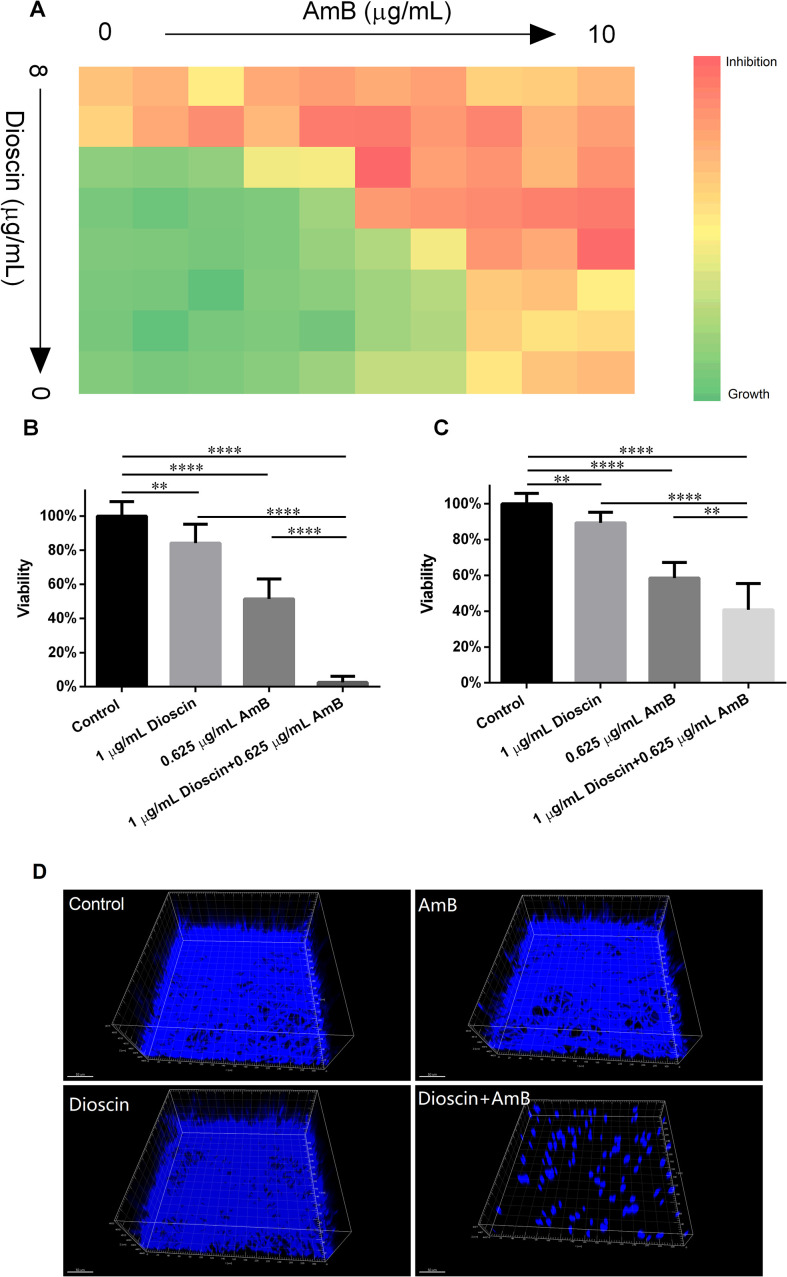 Figure 1
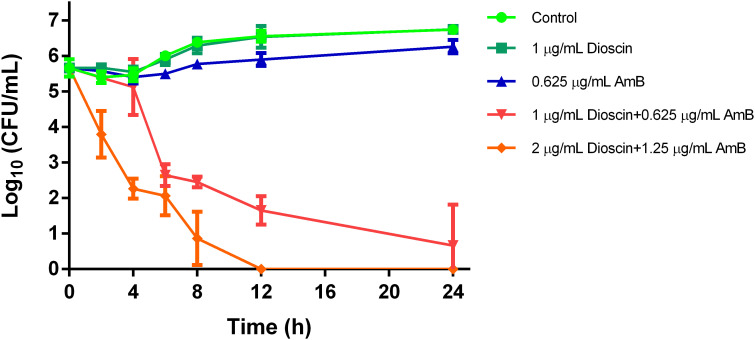 Figure 2
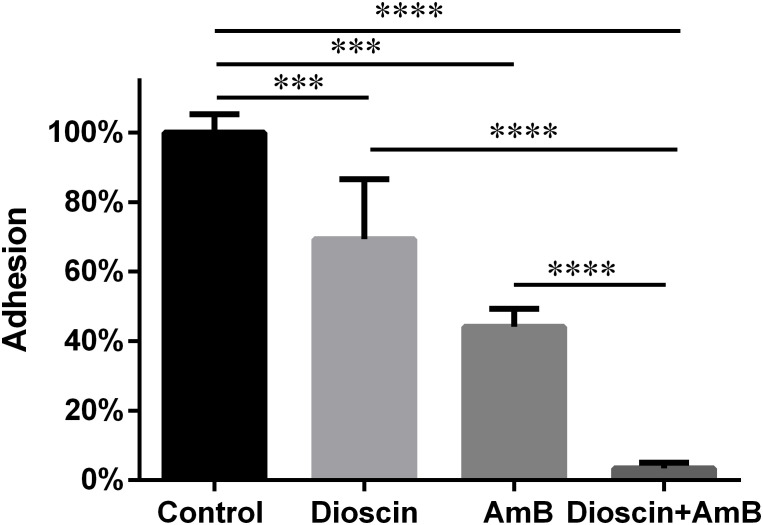 Figure 3
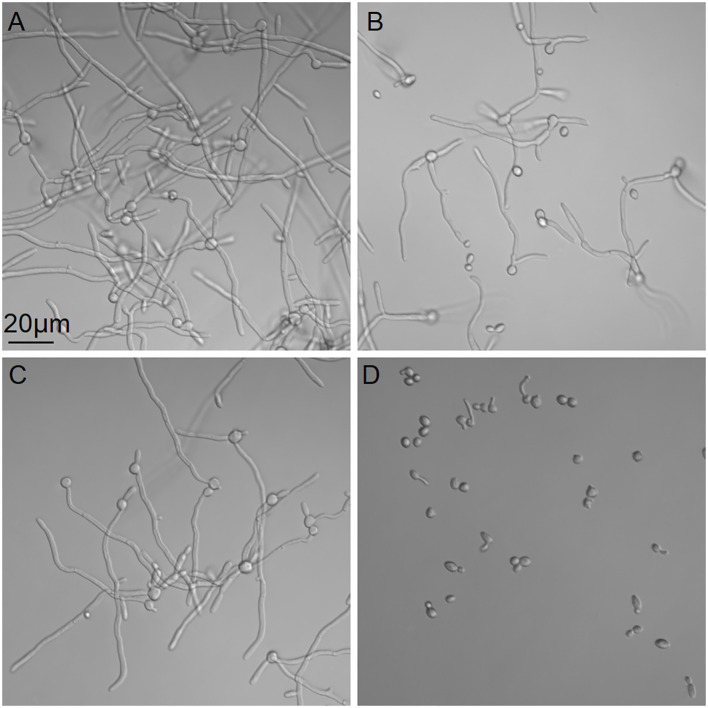 Figure 4
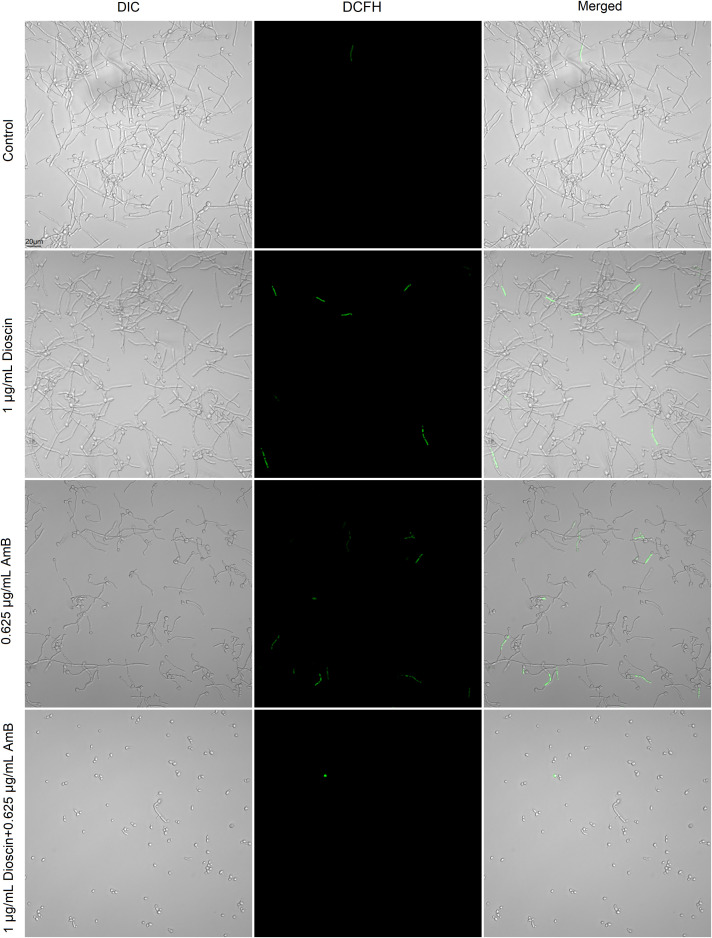 Figure 5
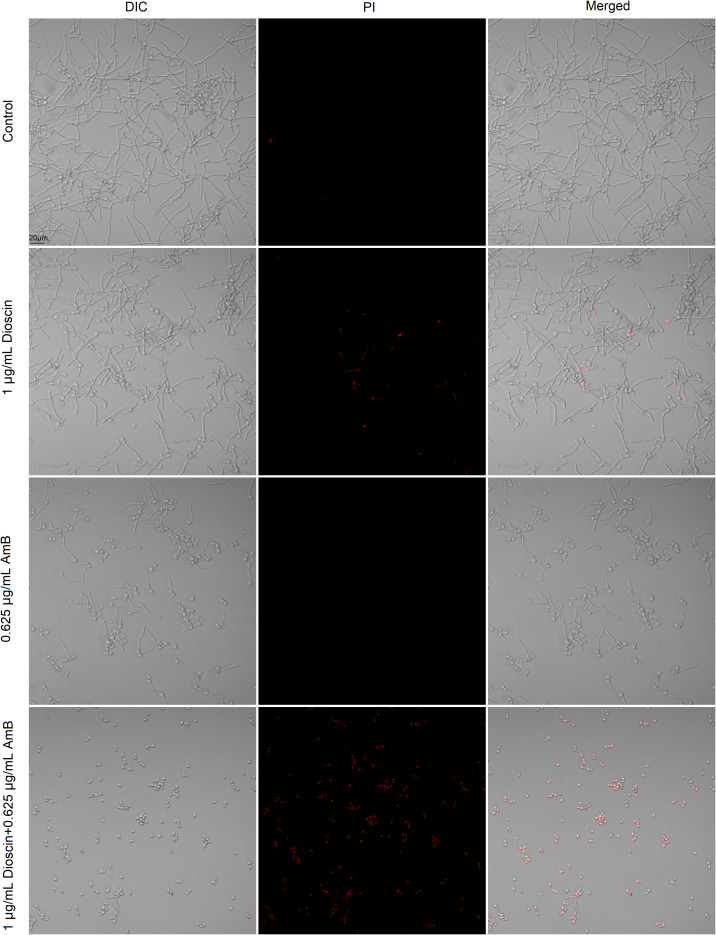 Figure 6
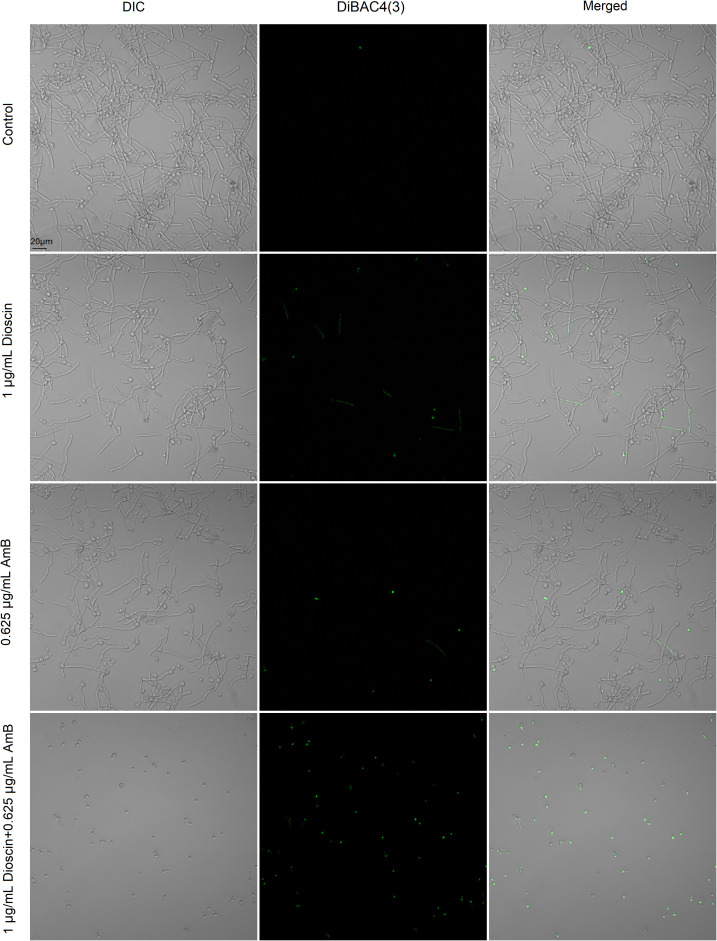 Figure 7
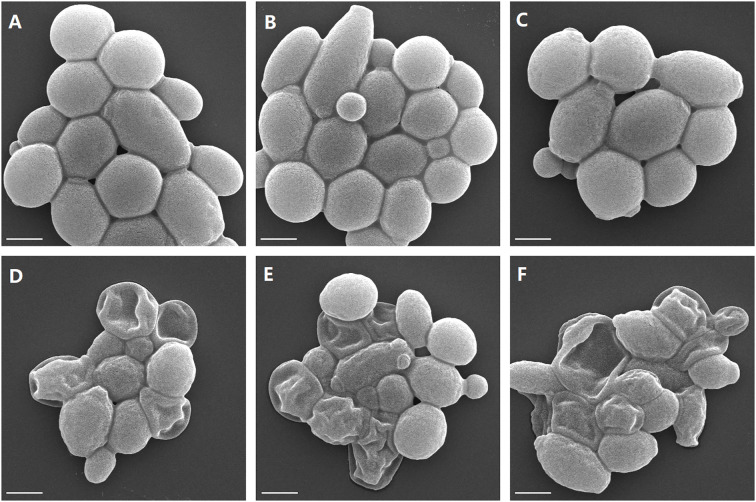 Figure 8
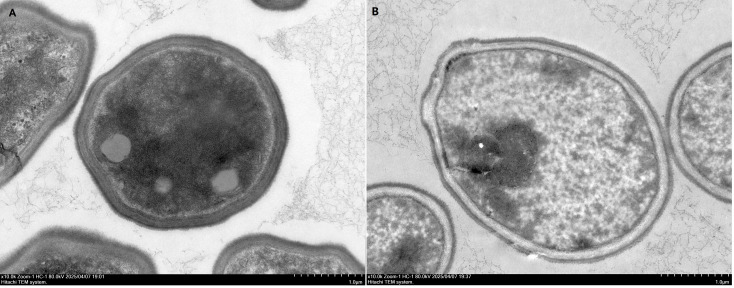 Figure 9
Peer Reviews
No public reviews on file for this paper yet. If you reviewed it on a platform where reviews are public (OpenReview, ICLR, NeurIPS, ICML), you can paste yours below so the community can read it here.
Videos
No videos yet. Explain this paper in a talk, walkthrough, or lecture? Add one.
Taxonomy
TopicsPhytochemical Studies and Bioactivities · Steroid Chemistry and Biochemistry · Antifungal resistance and susceptibility