Expansion of the genetic and phenotypic spectrum of hereditary spastic paraplegia caused by ABHD16A gene variants: an integrated analysis based on novel variants and literature review
Manling He, Qiang Zhang, Shaoke Chen, Chuan Li, Bobo Xie, Qingxiu Zhao, Yiyun Huang, Xin Fan

TL;DR
This paper expands the known genetic and clinical features of a rare neurodevelopmental disorder linked to the ABHD16A gene, including a new case from a Chinese patient.
Contribution
The study reports the first Chinese case of ABHD16A-related disorder and identifies a novel metabolic abnormality associated with the condition.
Findings
Elevated long-chain acylcarnitines were observed in a patient with ABHD16A variants, a previously unreported metabolic abnormality.
Two novel compound heterozygous frameshift variants in ABHD16A were identified and classified as pathogenic.
A literature review of 17 additional cases refined the clinical features of ABHD16A-related disease.
Abstract
Hereditary spastic paraplegia (HSP) is a clinically and genetically heterogeneous neurodegenerative disorder. Biallelic pathogenic variants in ABHD16A have recently been linked to a neurodevelopmental phenotype featuring early-onset spasticity and global developmental delay. To further define the clinical and genetic spectrum of ABHD16A-associated disease through the characterization of a novel pediatric case and an updated literature review. We evaluated a child presenting with global developmental delay and progressive spastic paraplegia. Whole-exome sequencing (WES) was performed, and candidate variants were validated by Sanger sequencing. Clinical features were documented prospectively, and a systematic review of published cases was conducted to assess phenotypic patterns and genotype–phenotype relationships. Consistent with prior reports, the core features of ABHD16A-related…
Genes, proteins, chemicals, diseases, species, mutations and cell lines named across the full text — each resolved to its canonical identifier and authoritative record.
Click any figure to enlarge with its caption.
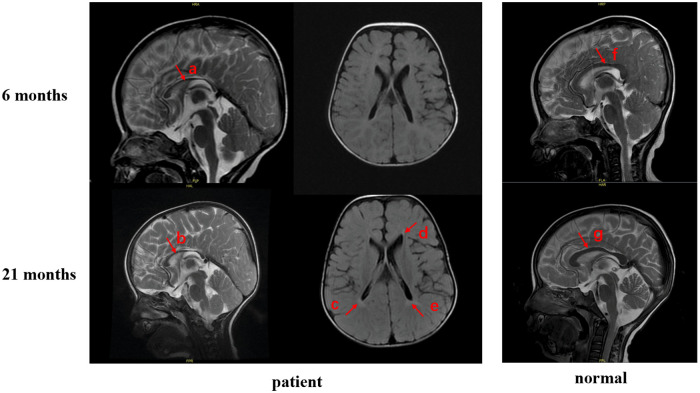 Figure 1
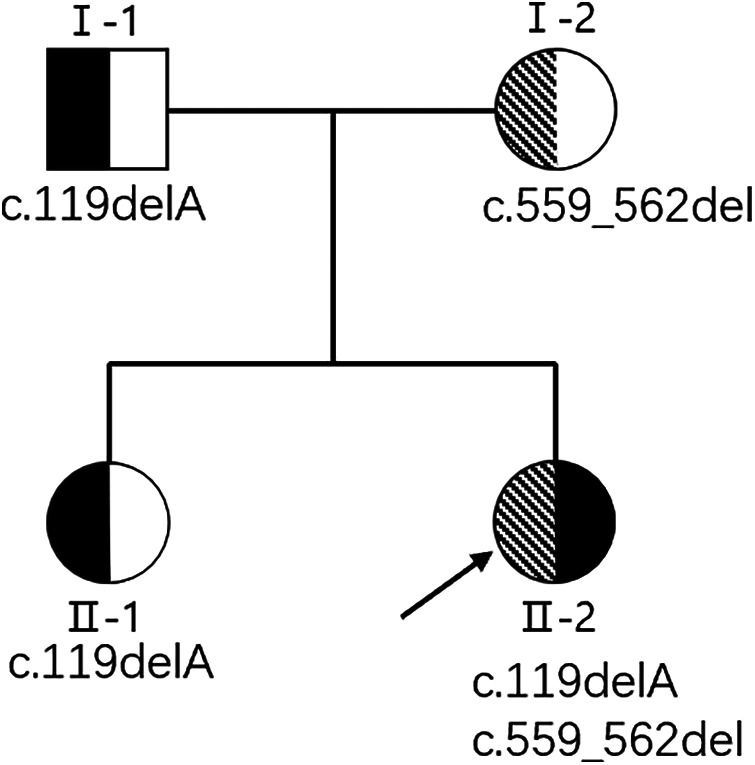 Figure 2
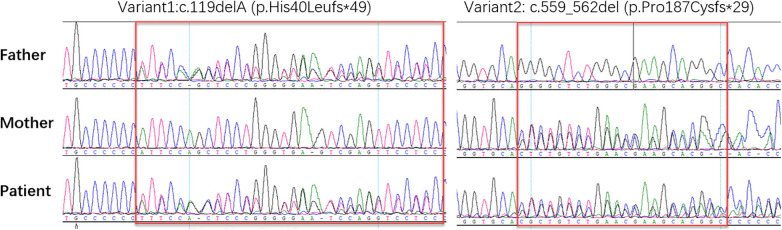 Figure 3
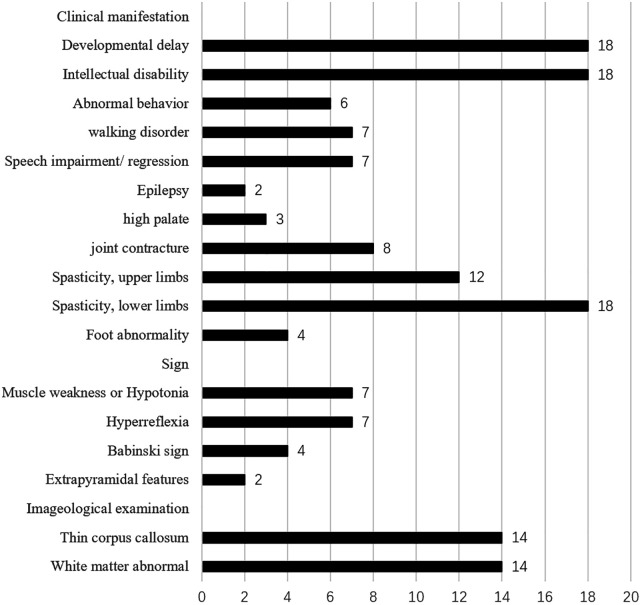 Figure 4
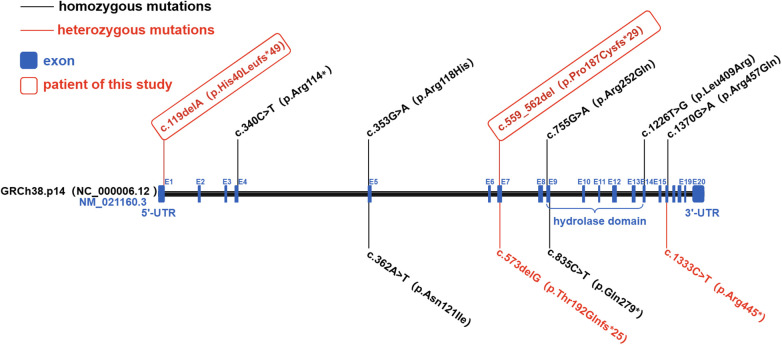 Figure 5
Peer Reviews
No public reviews on file for this paper yet. If you reviewed it on a platform where reviews are public (OpenReview, ICLR, NeurIPS, ICML), you can paste yours below so the community can read it here.
Videos
No videos yet. Explain this paper in a talk, walkthrough, or lecture? Add one.
Taxonomy
TopicsHereditary Neurological Disorders · Botulinum Toxin and Related Neurological Disorders · Neurological diseases and metabolism