Rhythm increases perceptual tolerance when measuring electrically evoked compound action potentials in cochlear implant recipients
Lutz Gärtner, Konrad Schwarz, Timo Bräcker, Wiebke Lamping, Thomas Lenarz, Andreas Büchner

TL;DR
This study shows that using rhythmic sound patterns during cochlear implant testing improves patient comfort and success rates in measuring nerve responses.
Contribution
The study introduces rhythmic stimulus patterns that enhance perceptual tolerance and success in ECAP threshold determination for cochlear implants.
Findings
Rhythmic AGF patterns were perceived as less unpleasant than monotonic patterns.
Rhythmic patterns enabled a higher maximum acceptable loudness (MAL) and improved ECAP threshold determination success rate.
ECAP threshold values remained consistent across different stimulus paradigms.
Abstract
In cochlear implant (CI) recipients, measurement of the electrically evoked compound action potential (ECAP) is used in clinical routine to prove the electrode-nerve interface and to support fitting, especially in very young children. To record an ECAP amplitude growth function (AGF), electrical stimuli are presented at increasing intensities up to the maximum acceptable loudness (MAL). However, a continuously monotonically rising sound can quickly be perceived as unpleasant and thus impair the success rate of ECAP threshold determination. The present study investigates whether perceptual and objective parameters, which are involved in ECAP measurements, depend on the type of stimulus presentation. In 27 subjects with a CI (28 implants), stimuli of five different AGF patterns were presented ten times in random order at a medial electrode contact, resulting in a total of 50 AGFs per…
Genes, proteins, chemicals, diseases, species, mutations and cell lines named across the full text — each resolved to its canonical identifier and authoritative record.
Click any figure to enlarge with its caption.
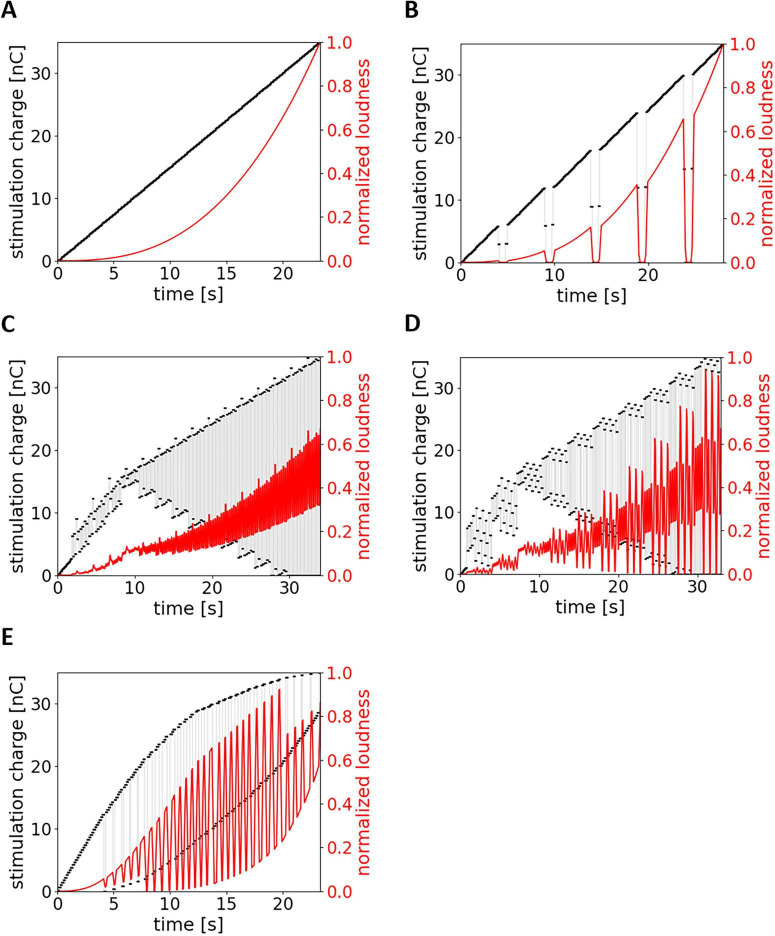 Figure 1
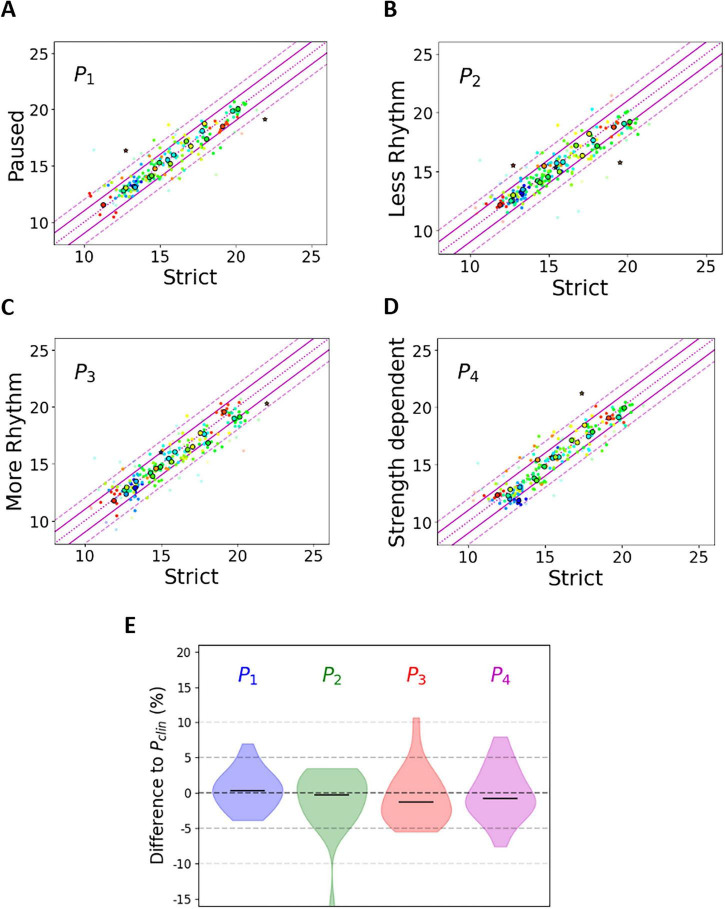 Figure 2
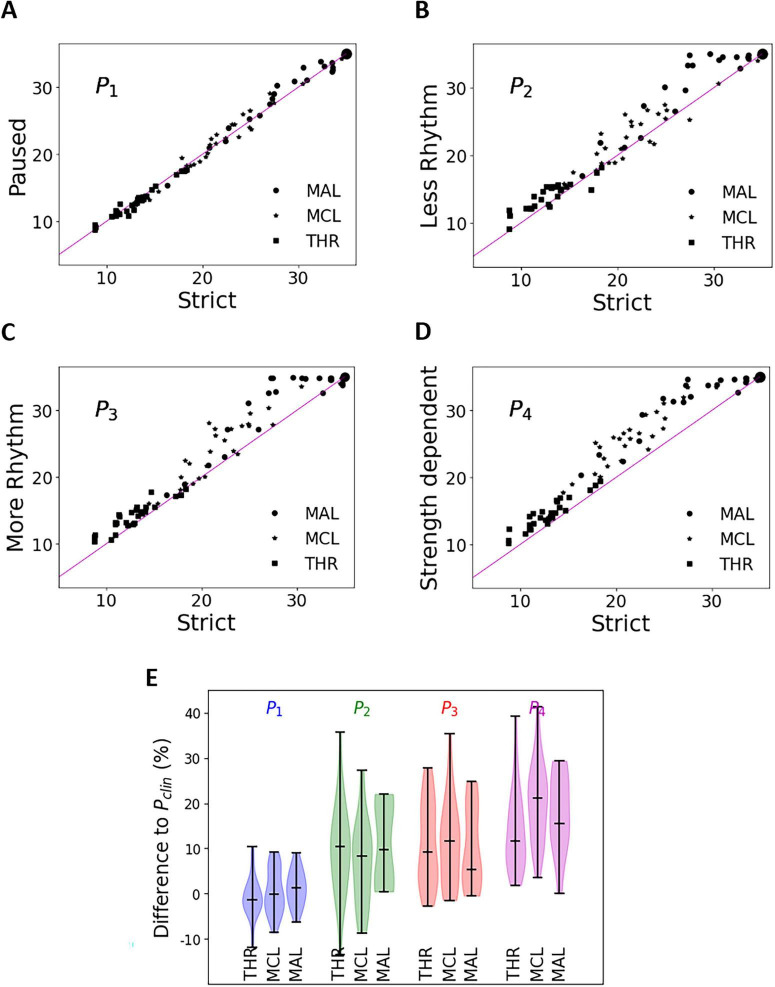 Figure 3
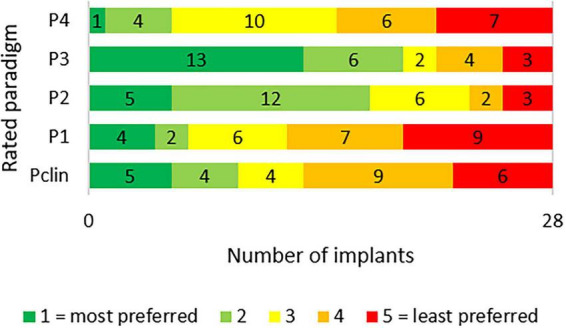 Figure 4
Peer Reviews
No public reviews on file for this paper yet. If you reviewed it on a platform where reviews are public (OpenReview, ICLR, NeurIPS, ICML), you can paste yours below so the community can read it here.
Videos
No videos yet. Explain this paper in a talk, walkthrough, or lecture? Add one.
Taxonomy
TopicsHearing Loss and Rehabilitation · Hearing, Cochlea, Tinnitus, Genetics · Ear Surgery and Otitis Media