PELI1 in human cancers: a pan-cancer exploration of its molecular function, clinical significance, and immunomodulatory roles
Yan Xu, Jiale Zhou, Xiaoran Chen, Xiaoqing Dong, Bing Chen

TL;DR
This study explores the role of PELI1 in various cancers, finding it overexpressed and linked to poor outcomes, especially in liver cancer, where it affects cell growth and immune responses.
Contribution
The study is the first to systematically analyze PELI1's pan-cancer expression, function, and immunomodulatory roles using bioinformatics and in vitro validation.
Findings
PELI1 is overexpressed in multiple cancers and linked to poor prognosis.
PELI1 influences cancer progression via epigenetic regulation and the MAPK-ERK pathway in liver cancer.
PELI1 knockdown reduces liver cancer cell proliferation and promotes apoptosis.
Abstract
The E3 ubiquitin ligase Pellino1 (PELI1) is ubiquitously expressed in human tissues and primarily modulates inflammatory and immune responses; however, its pan-cancer biological significance remains poorly characterized. We employed a combination of R software and online bioinformatics platforms—including UALCAN, HPA, GEPIA2, cBioPortal, STRING, TISIDB, SRAMP, LinkedOmics, and Sangerbox—to systematically characterize PELI1 in human tumors. Our analyses encompassed its abnormal expression, genetic alterations, prognostic and diagnostic relevance, and epigenetic regulation. Focusing on liver hepatocellular carcinoma (LIHC), we further explored the oncogenic functions of PELI1, its associated signaling pathways, and immunomodulatory roles. Key bioinformatic predictions were subsequently validated through in vitro experiments using LIHC cell lines, including functional assays…
Genes, proteins, chemicals, diseases, species, mutations and cell lines named across the full text — each resolved to its canonical identifier and authoritative record.
Click any figure to enlarge with its caption.
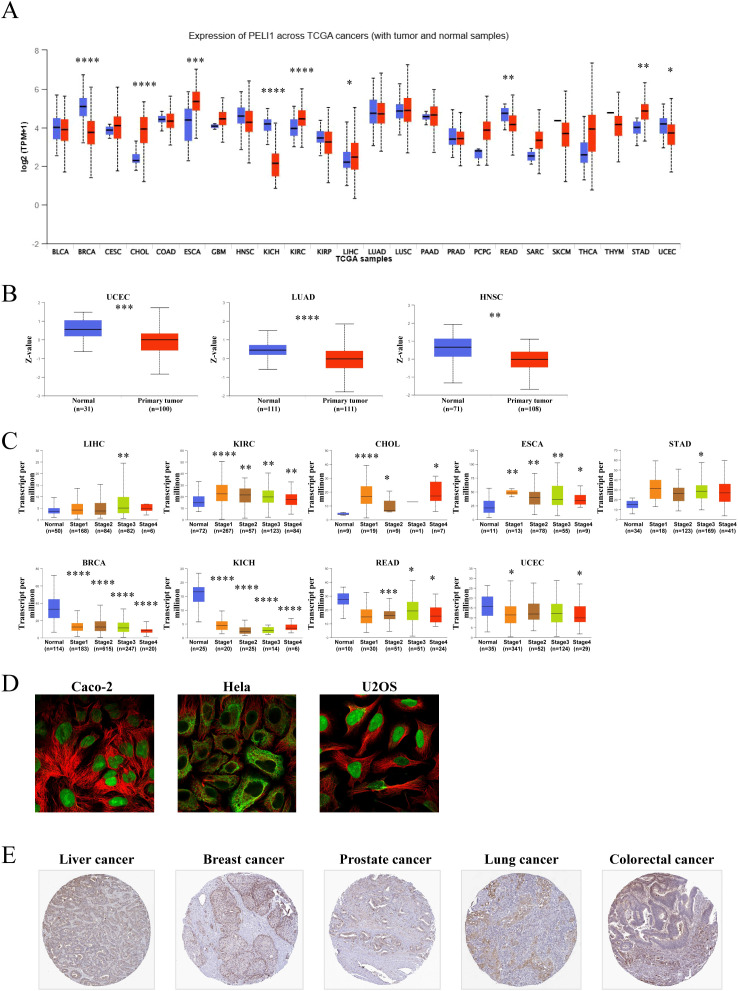 Figure 1
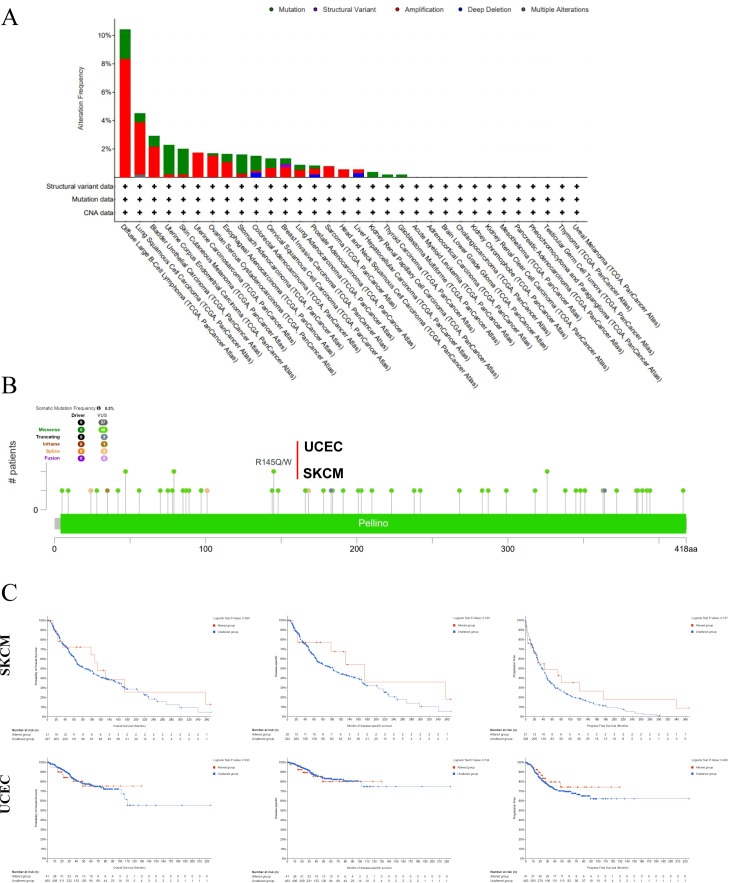 Figure 2
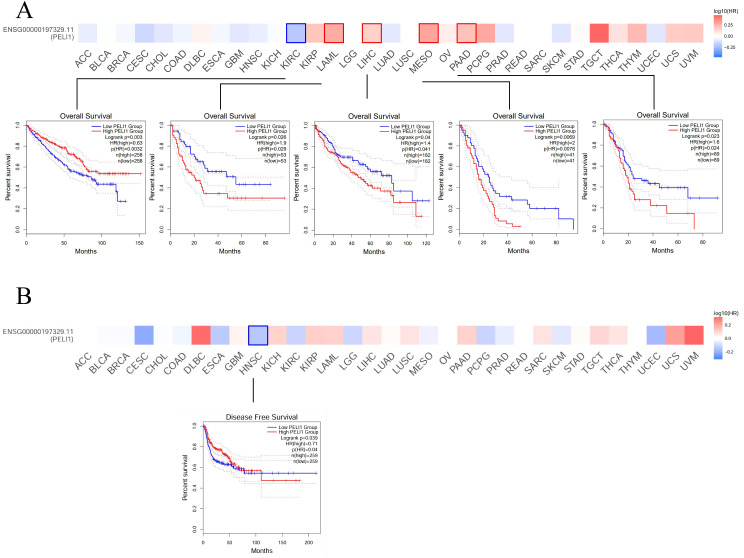 Figure 3
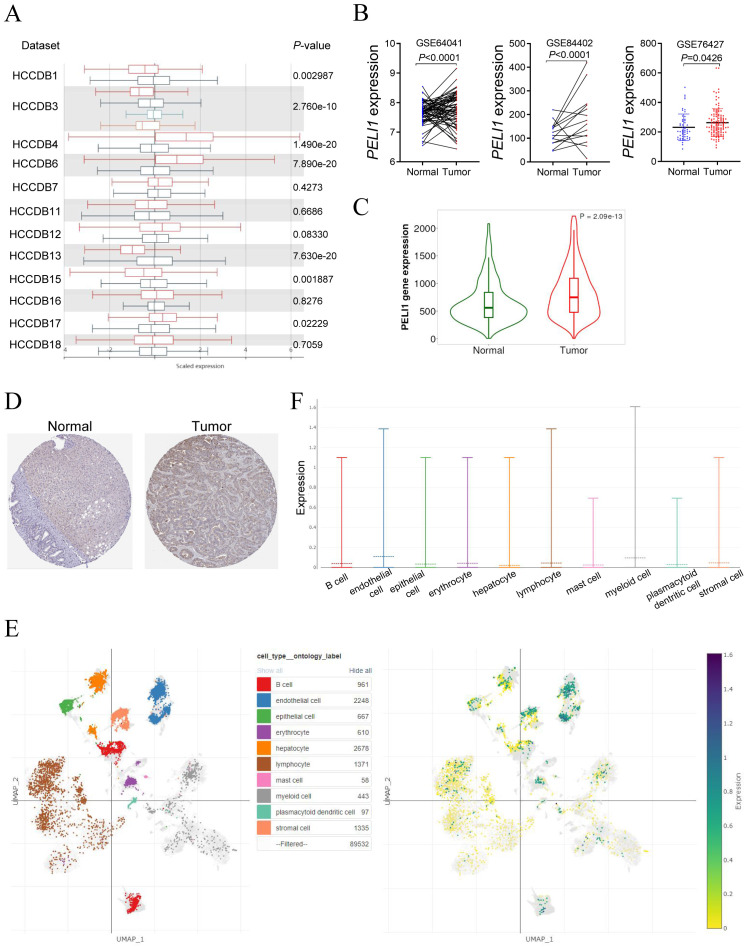 Figure 4
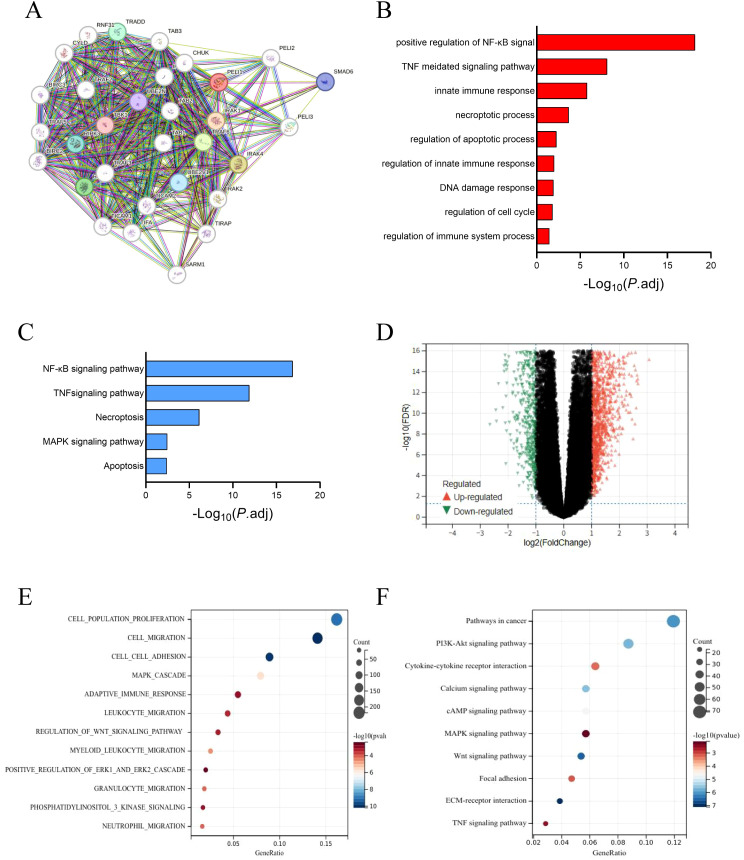 Figure 5
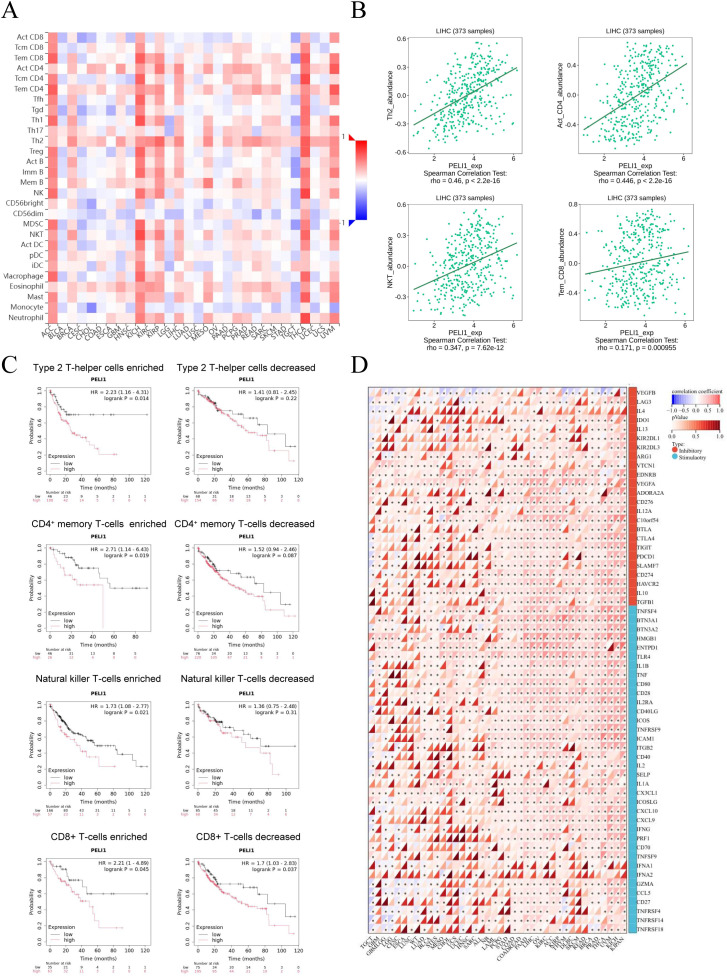 Figure 6
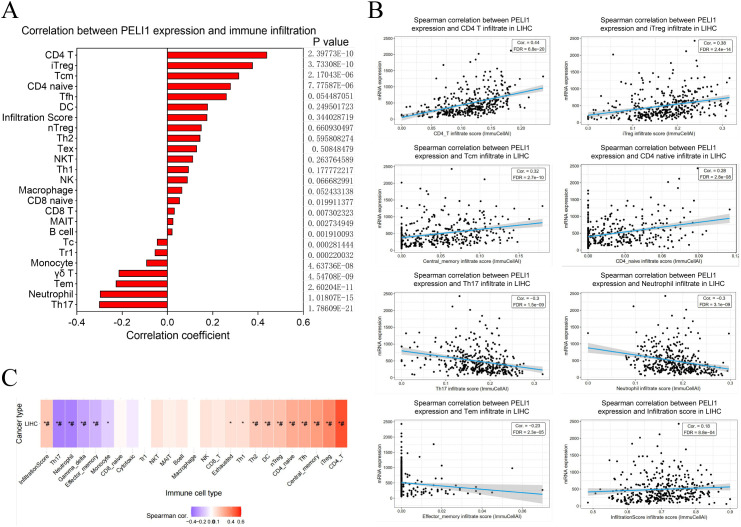 Figure 7
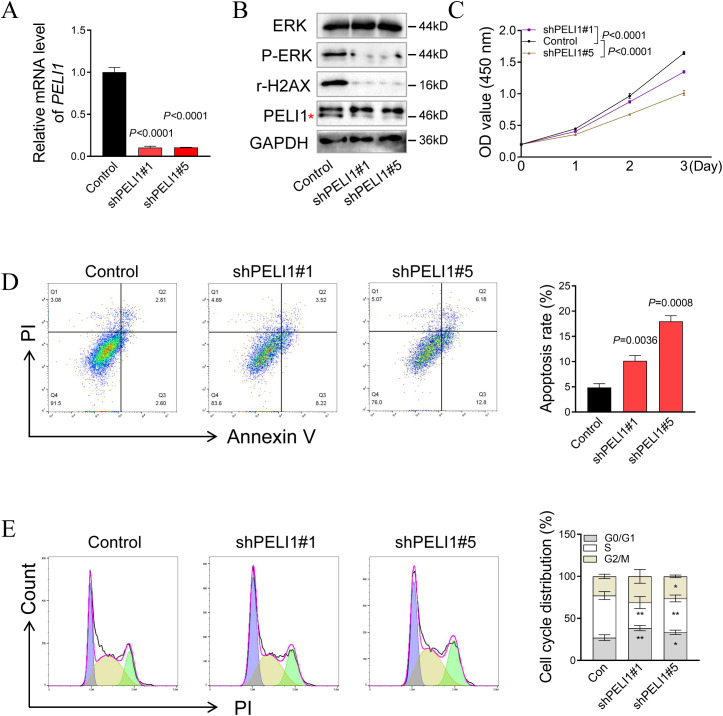 Figure 8
Peer Reviews
No public reviews on file for this paper yet. If you reviewed it on a platform where reviews are public (OpenReview, ICLR, NeurIPS, ICML), you can paste yours below so the community can read it here.
Videos
No videos yet. Explain this paper in a talk, walkthrough, or lecture? Add one.
Taxonomy
TopicsFerroptosis and cancer prognosis · Inflammasome and immune disorders · Cancer Immunotherapy and Biomarkers