Dissecting Cardiovascular Responses to a Fixed‐Interval Volitional Sighing Protocol Using a Mixed Modeling Approach
Neel Muzumdar, Kelly Sun, Samuel Zhang, Kelsey Piersol, Anthony P. Pawlak, Marsha E. Bates, Jennifer F. Buckman

TL;DR
This study shows that controlled sighing can act as a stress test for the cardiovascular system, revealing differences in responses between males and females.
Contribution
The FIVS protocol introduces a graded sighing method to assess cardiovascular responses and detect early signs of dysfunction.
Findings
Volitional sighing activates sympathetic cardiovascular responses in a dose-dependent manner.
Males showed greater increases in several cardiovascular indices compared to females during the sighing tasks.
The FIVS protocol reliably provokes cardiac, vascular, and autonomic responses.
Abstract
Sighing generates a reliable sympathetic cardiovascular response that, like exercise, could be leveraged in a graded “stress test” to reveal preclinical changes in cardiovascular health and stress reactivity. This study presents the fixed‐interval volitional sighing (FIVS) protocol, which rhythmically paces sighs at different frequencies to systematically load the cardiovascular system. Cardiovascular and autonomic responses during the FIVS protocol were statistically dissected to independently characterize physiological responses. Sex differences were explored as a preliminary step toward characterizing factors that affect sigh reactivity. Healthy college students (n = 250, 65% female) completed a baseline task and two sighing tasks: a longer inter‐sigh interval task (1 sigh per 30 s, long interval), followed by a shorter inter‐sigh interval task (1 sigh per 15 s, short interval).…
Genes, proteins, chemicals, diseases, species, mutations and cell lines named across the full text — each resolved to its canonical identifier and authoritative record.
Click any figure to enlarge with its caption.
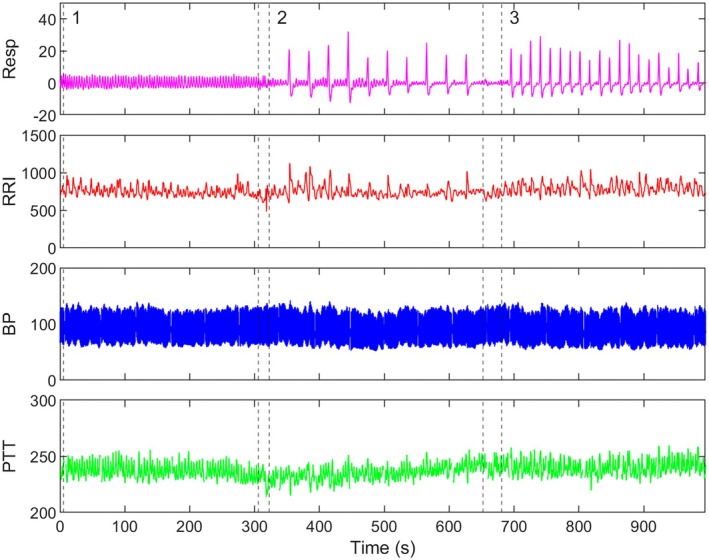 Figure 1
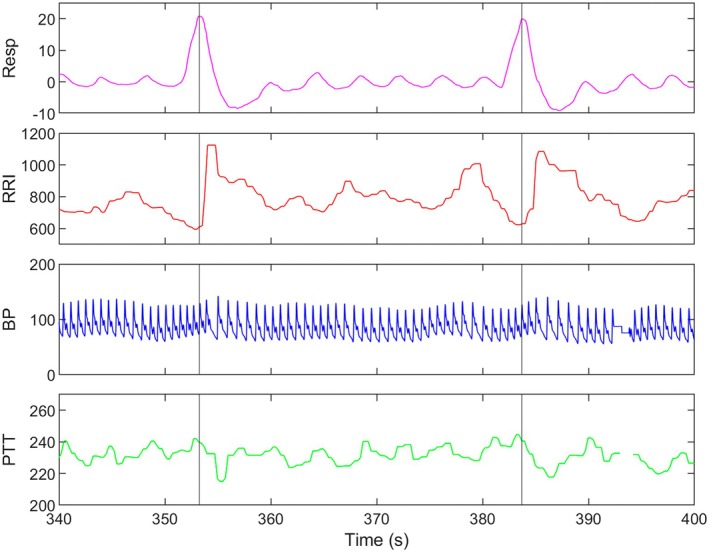 Figure 2
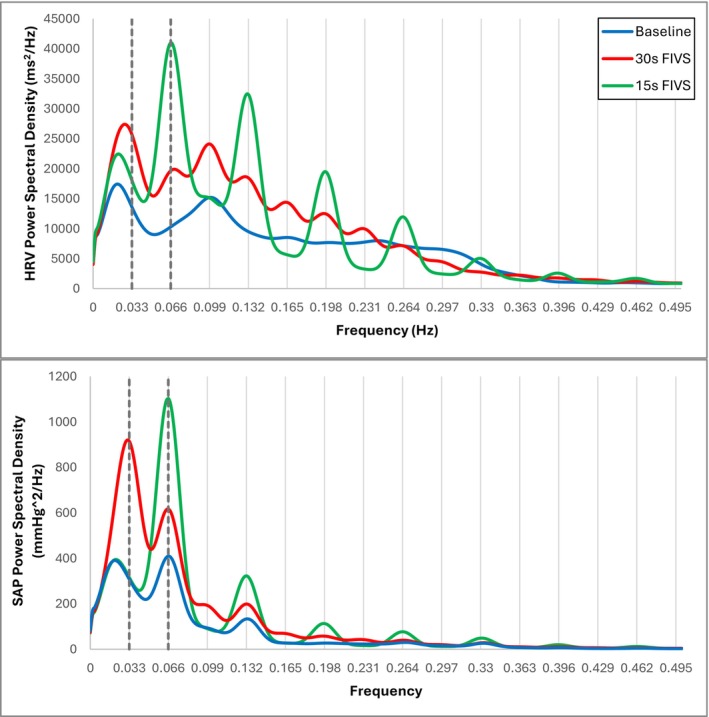 Figure 3
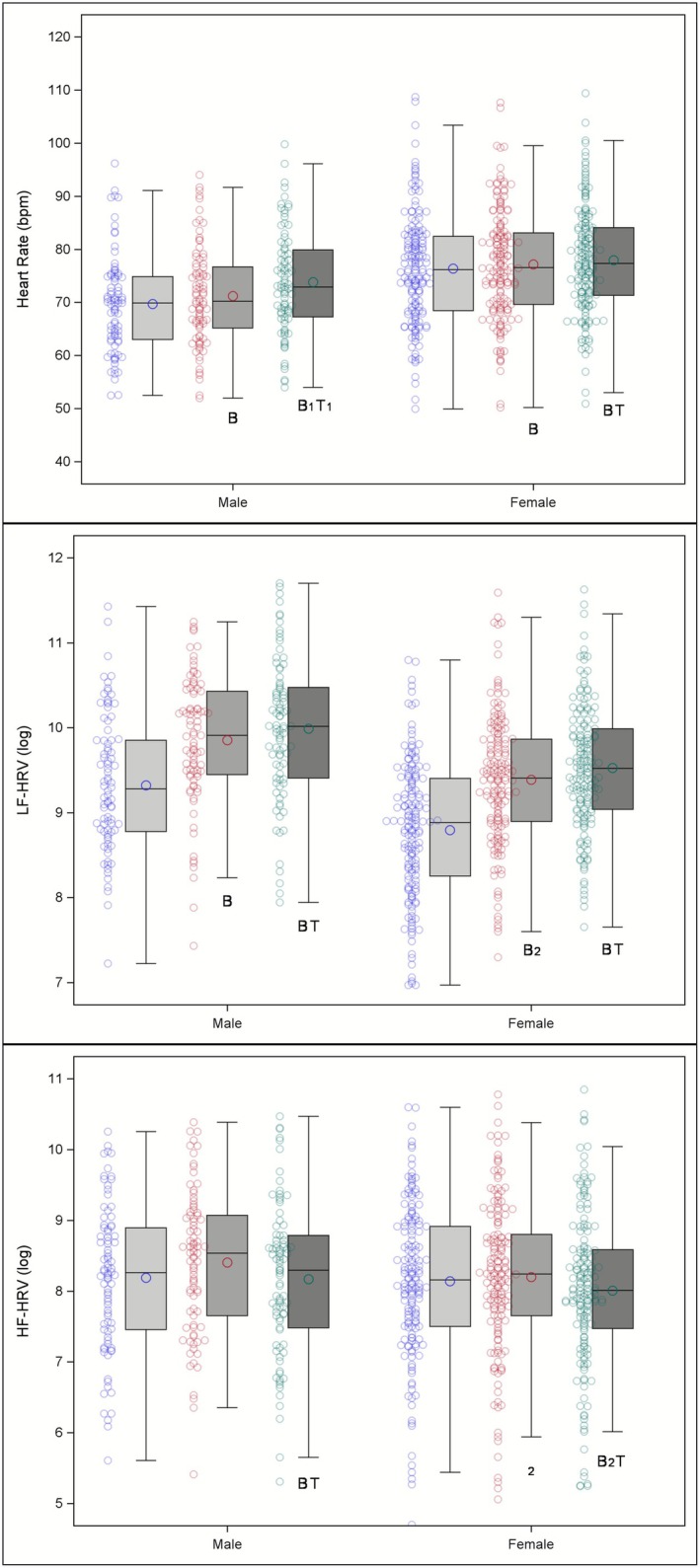 Figure 4
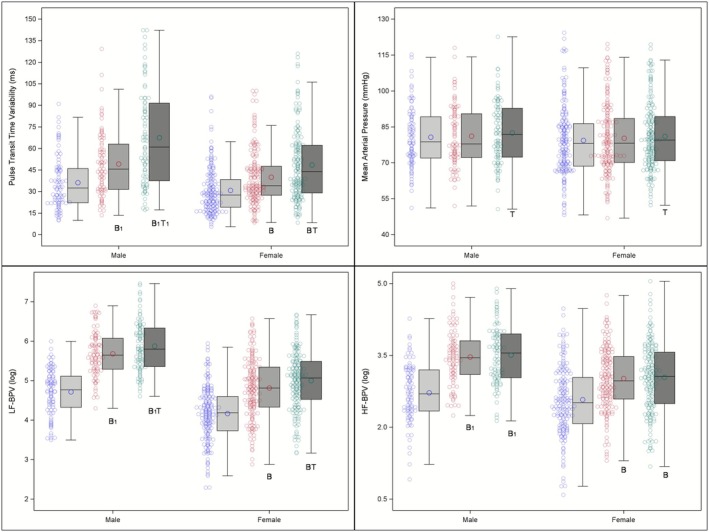 Figure 5
Peer Reviews
No public reviews on file for this paper yet. If you reviewed it on a platform where reviews are public (OpenReview, ICLR, NeurIPS, ICML), you can paste yours below so the community can read it here.
Videos
No videos yet. Explain this paper in a talk, walkthrough, or lecture? Add one.
Taxonomy
TopicsHeart Rate Variability and Autonomic Control · Non-Invasive Vital Sign Monitoring · Cardiovascular and exercise physiology