Fronto-limbic disconnection correlates with paroxysmal sympathetic hyperactivity following traumatic brain injury: An indirect disconnection-symptom mapping study
Eric W Moffet, Sancharee Hom Chowdhury, Ediel Almeida, Xiangxiang Kong, Lujie Chen, Jiachen Zhuo, Nicholas A Morris, Gunjan Y Parikh, Neeraj Badjatia, Jamie E Podell

TL;DR
This study finds that damage to specific brain connections correlates with paroxysmal sympathetic hyperactivity after traumatic brain injury.
Contribution
The study identifies specific white matter tracts and brain regions linked to PSH using MRI and connectome data.
Findings
Right uncinate fasciculus and anterior corpus callosum disconnections correlate with PSH.
Left prefrontal regions of the default mode and ventral salience networks are damaged in PSH.
Nine white matter tracts show greater disconnection severity in PSH patients.
Abstract
•Paroxysmal sympathetic hyperactivity (PSH) often complicates traumatic brain injury recovery.•PSH is associated with diffuse axonal injury, identifiable on susceptibility-weighted MRI.•We integrated susceptibility-weighted lesions with human connectome data and PSH measurements.•Right uncinate fasciculus and anterior corpus callosum disconnections correlated with PSH. Paroxysmal sympathetic hyperactivity (PSH) often complicates traumatic brain injury recovery. PSH is associated with diffuse axonal injury, identifiable on susceptibility-weighted MRI. We integrated susceptibility-weighted lesions with human connectome data and PSH measurements. Right uncinate fasciculus and anterior corpus callosum disconnections correlated with PSH. Paroxysmal sympathetic hyperactivity (PSH) is a clinically important manifestation of dysautonomia following traumatic brain injury (TBI). While it is…
Genes, proteins, chemicals, diseases, species, mutations and cell lines named across the full text — each resolved to its canonical identifier and authoritative record.
Click any figure to enlarge with its caption.
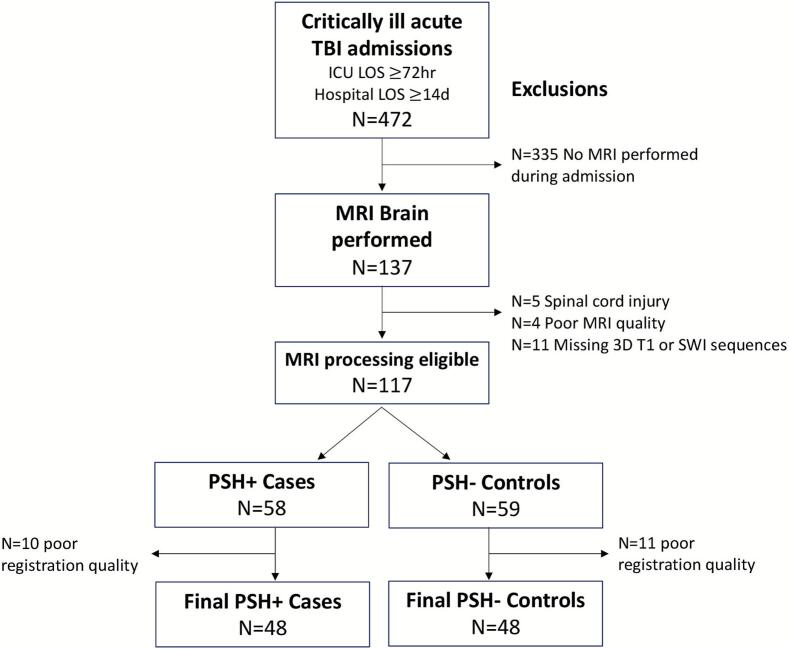 Figure 1
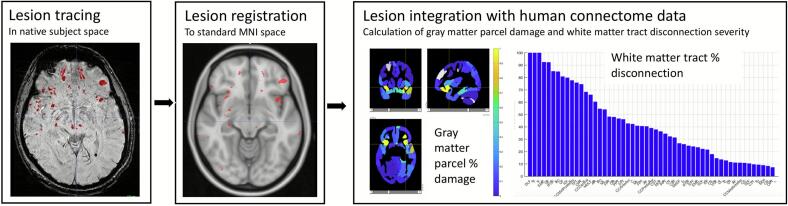 Figure 2
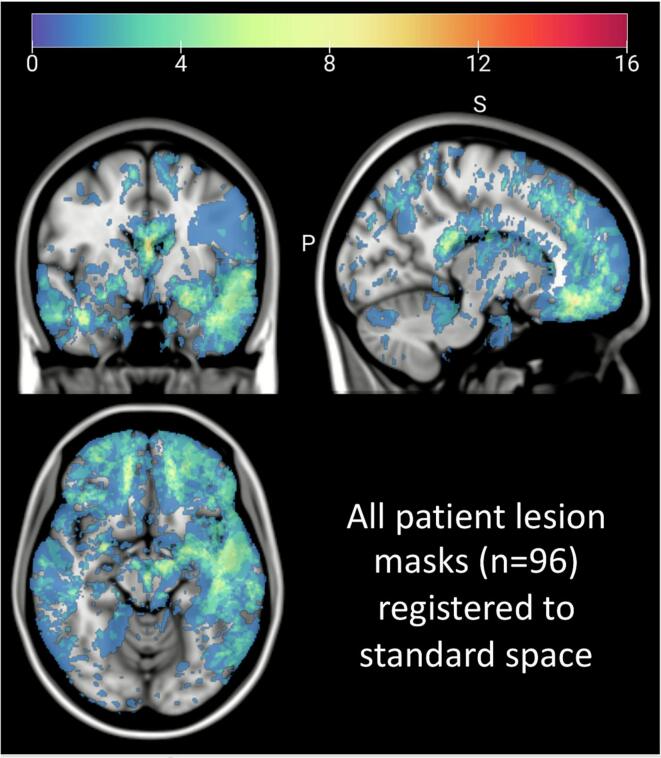 Figure 3
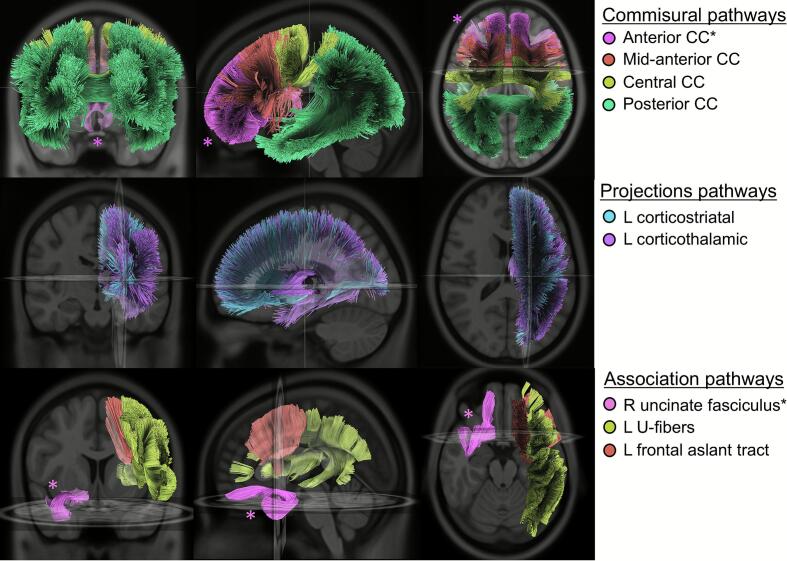 Figure 4
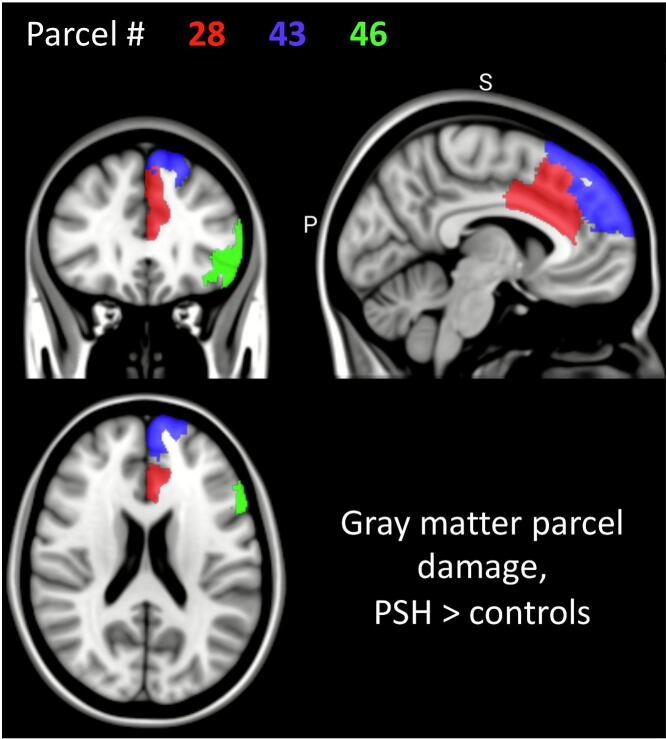 Figure 5
Peer Reviews
No public reviews on file for this paper yet. If you reviewed it on a platform where reviews are public (OpenReview, ICLR, NeurIPS, ICML), you can paste yours below so the community can read it here.
Videos
No videos yet. Explain this paper in a talk, walkthrough, or lecture? Add one.
Taxonomy
TopicsTraumatic Brain Injury and Neurovascular Disturbances · Traumatic Brain Injury Research · Neurological and metabolic disorders