Inactivation of Cysteine Synthase CysK-A enhances flocculation, biofilm formation, and sensitivity to oxidative stress in Azospirillum brasilense Sp7
Job Herrera-Galindo, Clara Andrea Alcantara-Rosales, Oscar Mateo Ojeda, María Luisa Xiqui-Vázquez, Claudia Mancilla-Simbro, Sandra Reyes-Carmona, Beatriz Eugenia Baca, Alberto Ramírez-Mata

TL;DR
This study shows that inactivating the CysK-A enzyme in Azospirillum brasilense Sp7 affects growth, stress tolerance, and aggregation behaviors.
Contribution
The study reveals the multifaceted role of CysK-A in regulating aggregative behaviors and stress responses in A. brasilense Sp7.
Findings
Inactivation of CysK-A leads to growth defects and increased flocculation and biofilm formation.
The cysK-A mutant shows increased sensitivity to oxidative stress and higher adhesion to radish seeds.
CysK-A inactivation correlates with intracellular accumulation of cyclic-di-GMP under stress conditions.
Abstract
Cysteine biosynthesis is a critical metabolic pathway for bacterial physiology. However, the full impact on the lifestyle of the plant-beneficial bacterium Azospirillum brasilense Sp7 is not completely understood. Our previous work identified a cysteine synthase A (CysK-A) as a key enzyme in cysteine synthesis in A. brasilense Sp7, but its inactivation did not lead to cysteine auxotrophy, suggesting functional redundancy in this type of enzyme. Here, we comprehensively characterized an A. brasilense AR cysK-A mutant, revealing a multifaceted phenotype that highlights the indispensable role of CysK-A. The cysK-A mutant exhibited a growth defect that was rescued by genetic and chemical complementation, underscoring the importance of de novo cysteine synthesis for optimal metabolic fitness. Furthermore, the cysK-A mutant displayed a striking hyper-aggregative behavior, characterized by…
Genes, proteins, chemicals, diseases, species, mutations and cell lines named across the full text — each resolved to its canonical identifier and authoritative record.
Click any figure to enlarge with its caption.
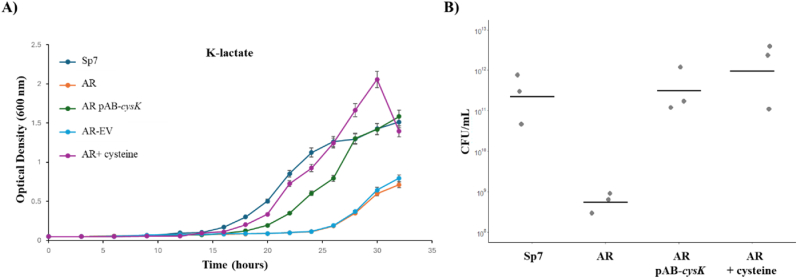 Figure 1
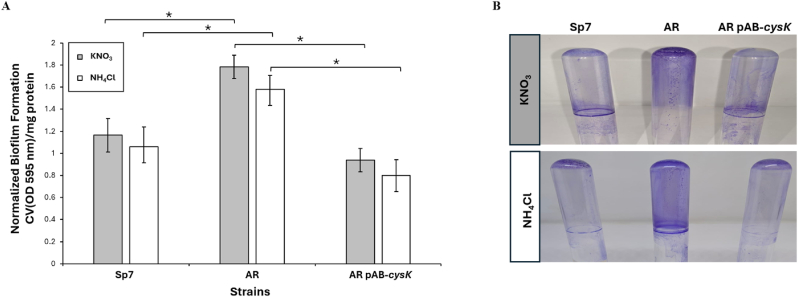 Figure 2
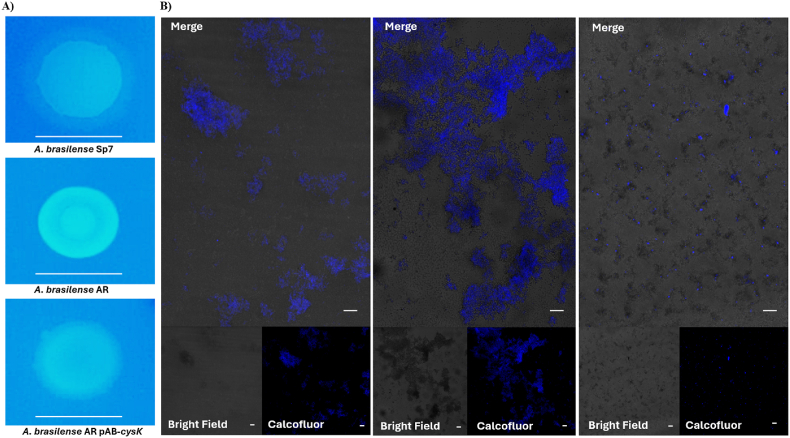 Figure 3
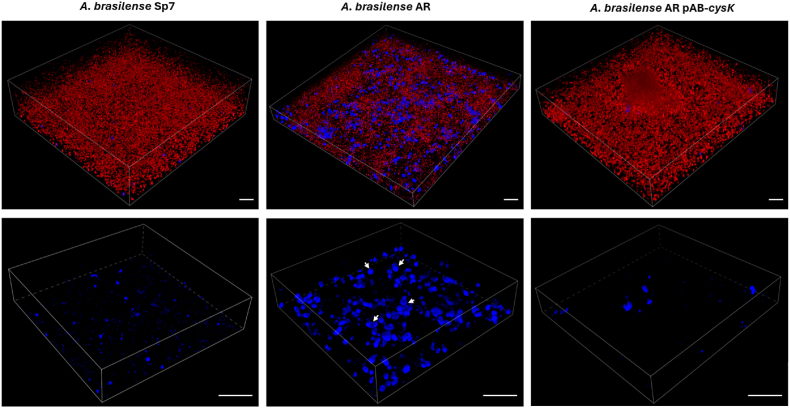 Figure 4
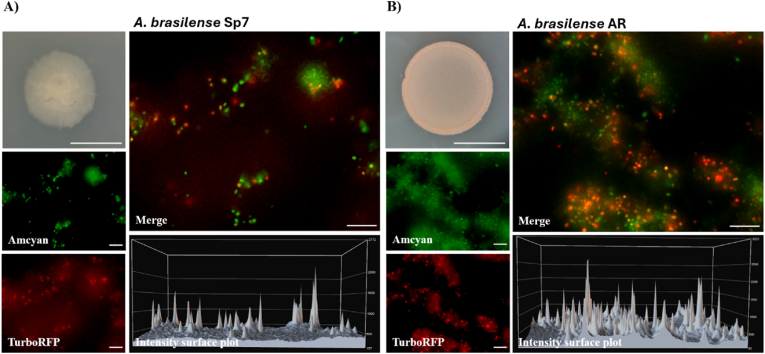 Figure 5
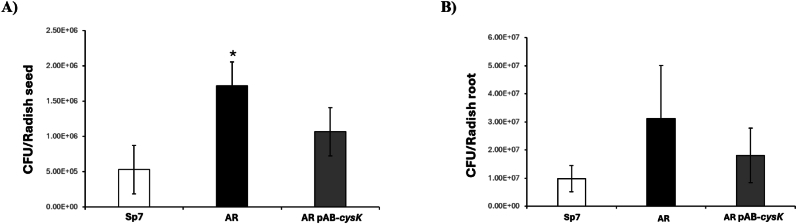 Figure 6
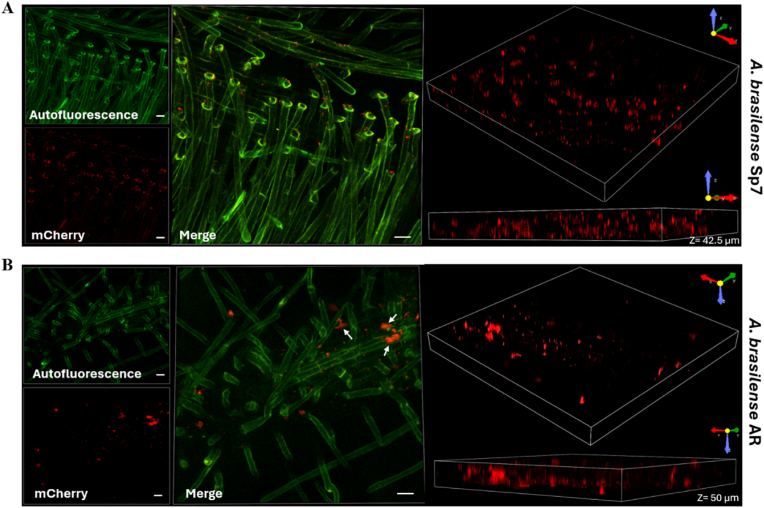 Figure 7
Peer Reviews
No public reviews on file for this paper yet. If you reviewed it on a platform where reviews are public (OpenReview, ICLR, NeurIPS, ICML), you can paste yours below so the community can read it here.
Videos
No videos yet. Explain this paper in a talk, walkthrough, or lecture? Add one.
Taxonomy
TopicsEnzyme Structure and Function · Enzyme Production and Characterization · Bacterial Genetics and Biotechnology