The effect of meteorological factors on severe fever with thrombocytopenia syndrome: Evidence from 34 Chinese cities
Guangju Mo, Xiyuan Huo, Meshack Kipkogei Biwott, Nan Chang, Haoqiang Ji, Lianfang Feng, Huaiping Zhu, Qiyong Liu

TL;DR
This study shows how weather factors like temperature and rainfall affect the spread of a tick-borne disease in China, with regional differences.
Contribution
A national-scale analysis of meteorological influences on SFTS with region-specific insights and lagged effects.
Findings
Higher temperature and precipitation increase SFTS risk, with a peak at 24.70°C.
Eastern China shows the highest temperature-related risk at 27.50°C.
Meteorological effects on SFTS incidence lag by 1–2 months.
Abstract
Severe fever with thrombocytopenia syndrome (SFTS) is a climate-sensitive infectious disease, and its spatial distribution has been expanding in recent years. This study aimed to investigate the influence of meteorological factors on SFTS incidence. Data on SFTS was extracted from the Infectious Disease Surveillance Report Management System from January 1, 2011 to December 31, 2023. A two-stage hierarchical analytical framework was employed in this study. First, a distributed lag nonlinear model was utilized to characterize the nonlinear exposure-response relationships between meteorological factors and the incidence of SFTS at the municipal level. Second, a multivariate meta-analysis was conducted to synthesize city-specific effect estimates, with explicit adjustment for inter-regional heterogeneity. From 2011 to 2023, 34 cities with cumulative cases ≥100 were included in the final…
Genes, proteins, chemicals, diseases, species, mutations and cell lines named across the full text — each resolved to its canonical identifier and authoritative record.
Click any figure to enlarge with its caption.
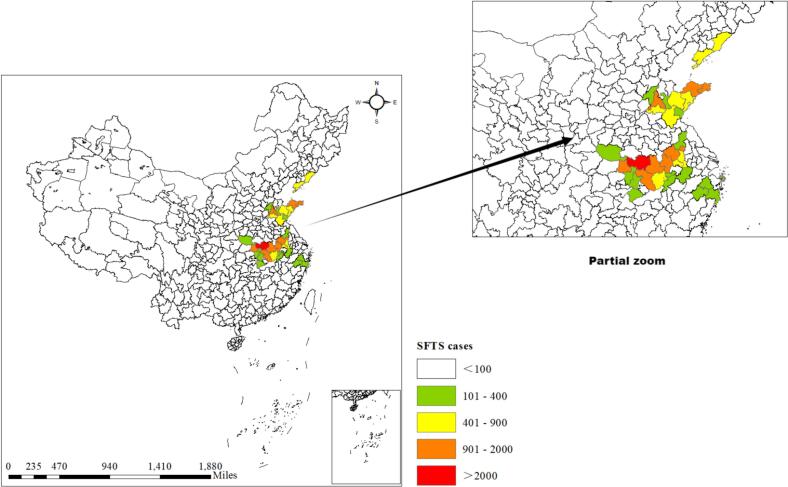 Figure 1
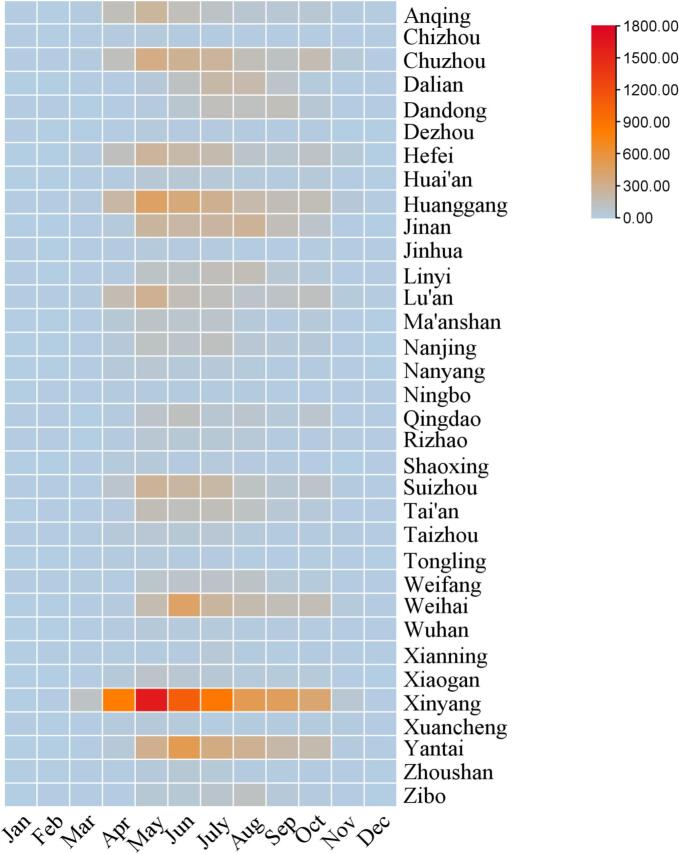 Figure 2
 Figure 3
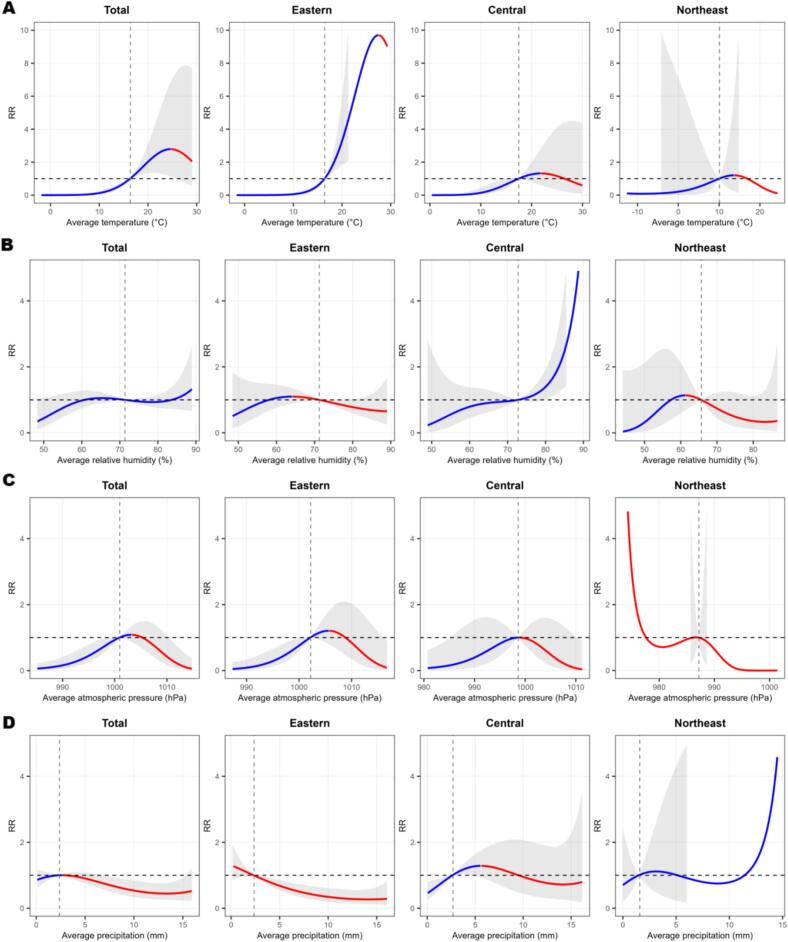 Figure 4
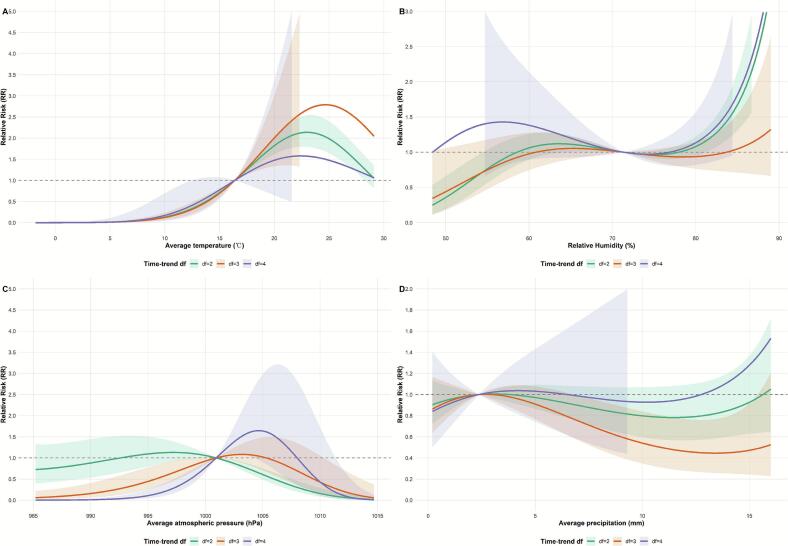 Figure 5
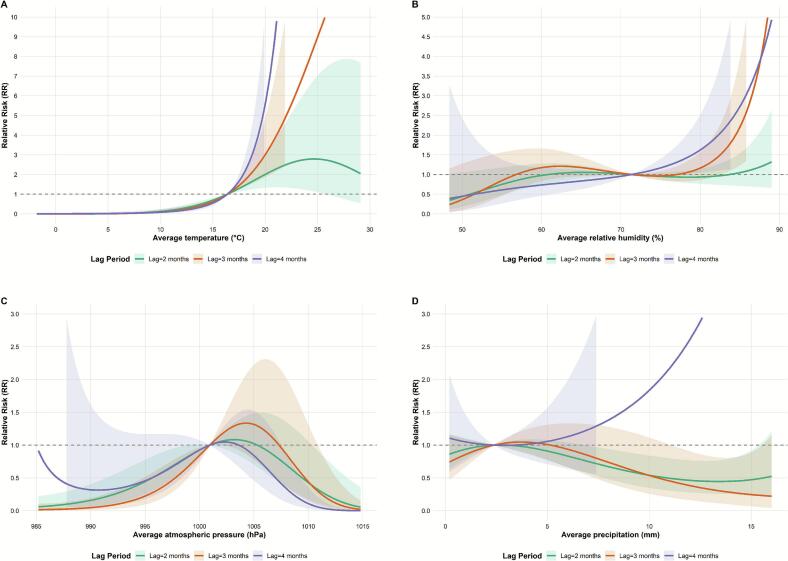 Figure 6
Peer Reviews
No public reviews on file for this paper yet. If you reviewed it on a platform where reviews are public (OpenReview, ICLR, NeurIPS, ICML), you can paste yours below so the community can read it here.
Videos
No videos yet. Explain this paper in a talk, walkthrough, or lecture? Add one.
Taxonomy
TopicsViral Infections and Vectors · Vector-borne infectious diseases · Mosquito-borne diseases and control