The Response of Krascheninnikovia ceratoides (L.) Gueldenst. to Environmental Changes Since the Mid‐Holocene in the Tibetan Antelope Breeding Ground of the Western Kunlun Mountains
Kailing Huang, Fengbing Lai, Mengyu Chen, Ying Song, Shujiang Chen, Zubaydah Wubuaysan, Xiaopeng Zhuang

TL;DR
This study examines how the habitat of a key food plant for Tibetan antelopes has changed over time and how it might respond to future climate scenarios.
Contribution
The study introduces a novel integration of multiple modeling techniques to predict habitat changes and identify conservation gaps for Tibetan antelopes.
Findings
The mean diurnal range was the most influential factor in the distribution of K. ceratoides.
Suitable habitats for K. ceratoides have shifted from southeast to northwest and back over time due to warming.
The current habitat quality in the study area is low, with conservation gaps near existing protected zones.
Abstract
Krascheninnikovia ceratoides (L.) Gueldenst., the primary food source for the western population of Pantholops hodgsonii (Tibetan antelope) during their breeding period in the Western Kunlun Mountains, plays a crucial role in maintaining alpine ecosystems. Herein, we focused on this species and used optimized MaxEnt and biomod2 models to predict its potential distribution ranges during the Mid‐Holocene, current period, and future climate scenarios (RCP2.6, RCP4.5, RCP6.0, RCP8.5), incorporating both climatic and soil factors and performing cross‐validation with the XGBoost‐SHAP model. Additionally, we analyzed the centroid migration characteristics of suitable habitats under different scenarios and identified conservation gaps for Tibetan antelopes using the InVEST Habitat Quality module. The results showed that both biomod2 and XGBoost‐SHAP models exhibited high accuracy: biomod2…
Genes, proteins, chemicals, diseases, species, mutations and cell lines named across the full text — each resolved to its canonical identifier and authoritative record.
Click any figure to enlarge with its caption.
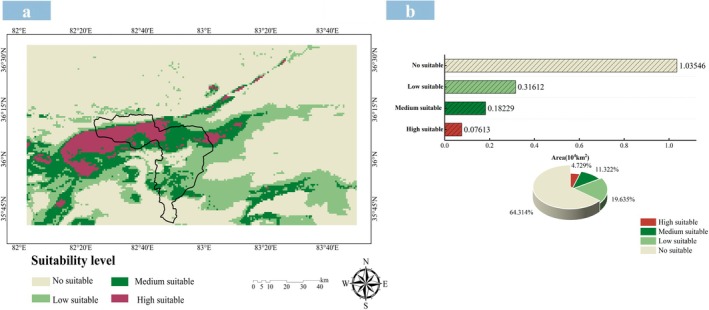 Figure 1
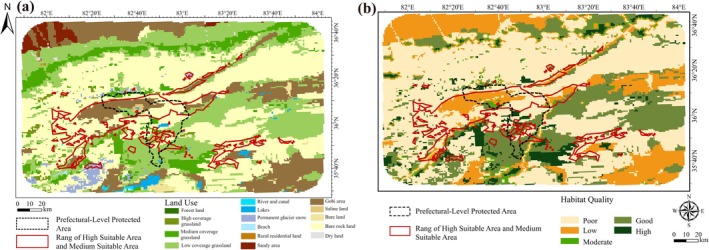 Figure 2
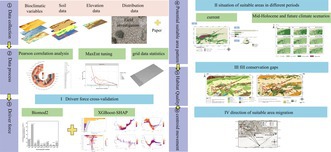 Figure 3
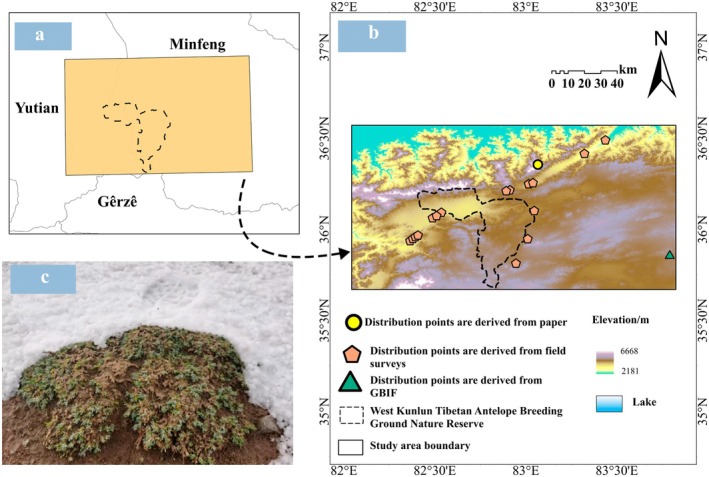 Figure 4
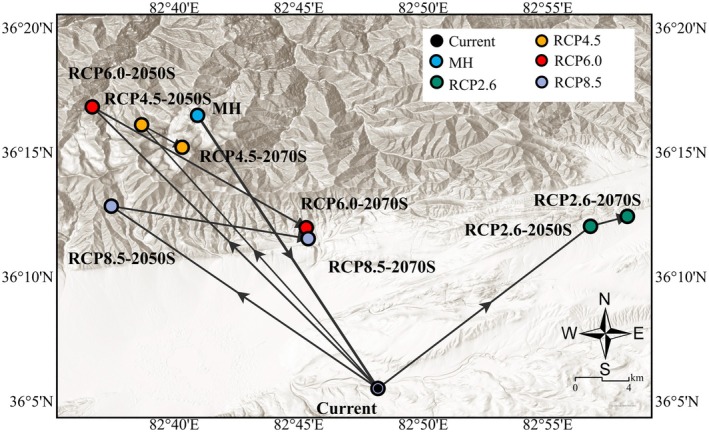 Figure 5
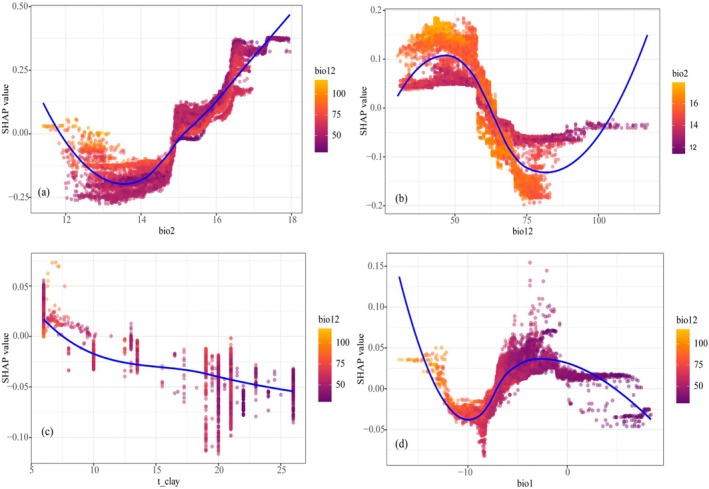 Figure 6
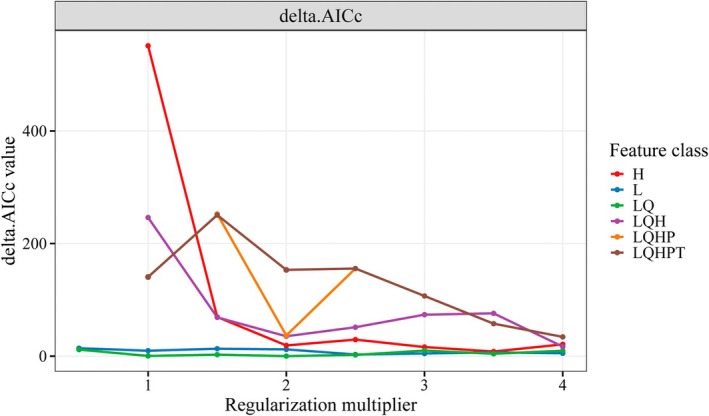 Figure 7
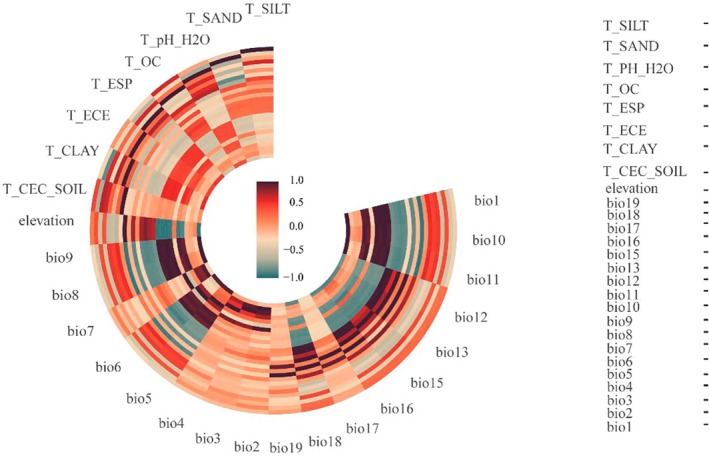 Figure 8
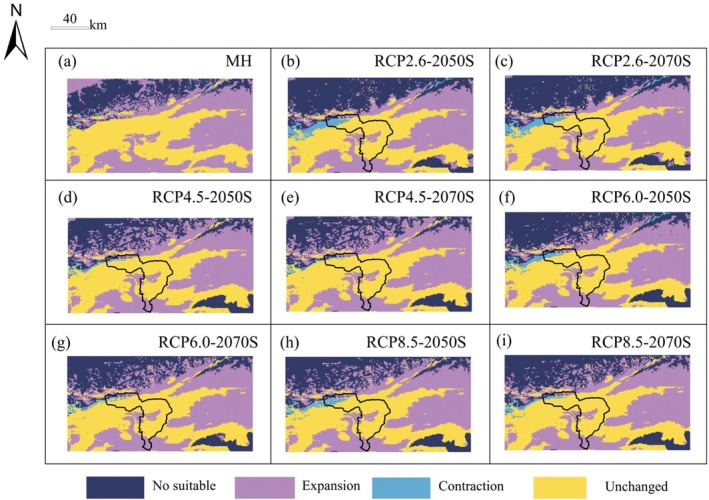 Figure 9
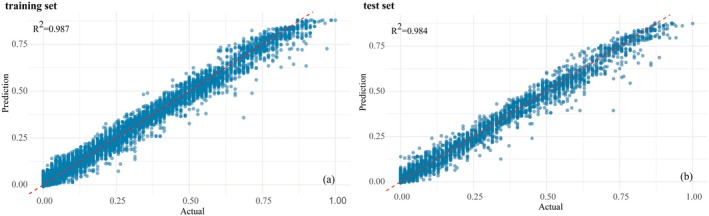 Figure 10
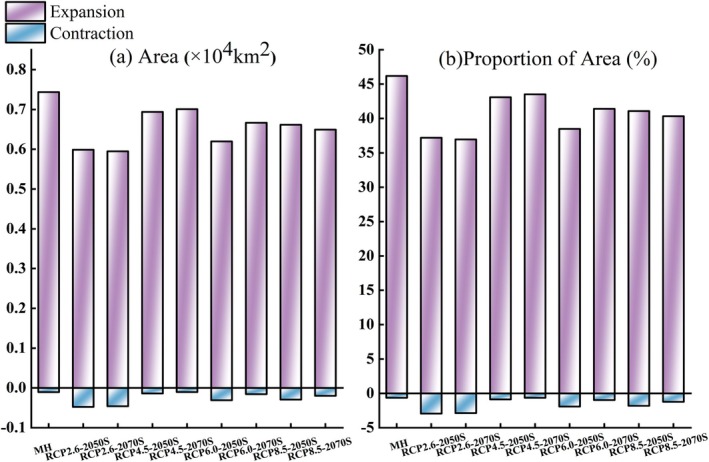 Figure 11
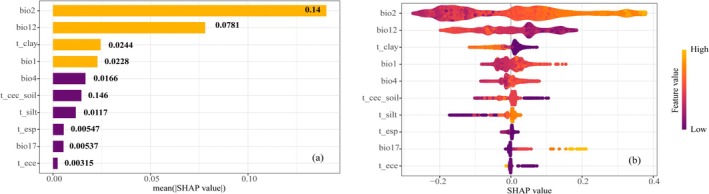 Figure 12
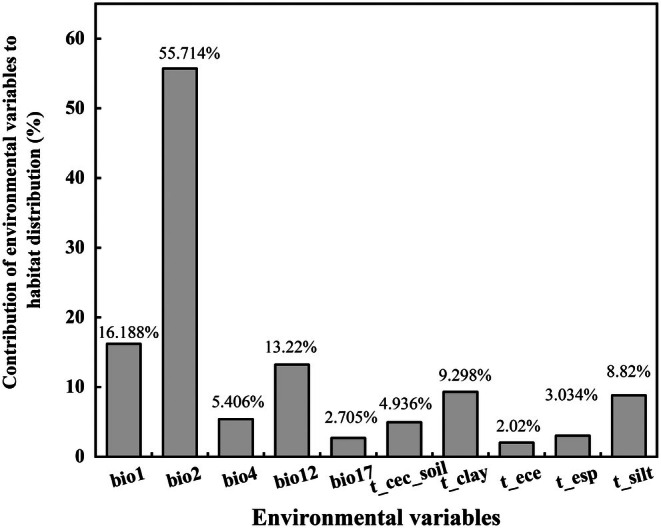 Figure 13
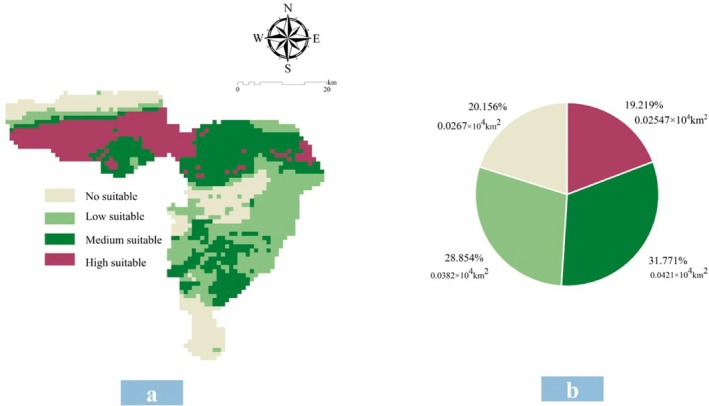 Figure 14
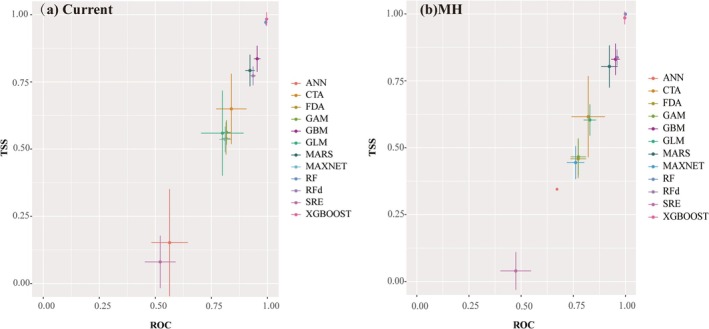 Figure 15
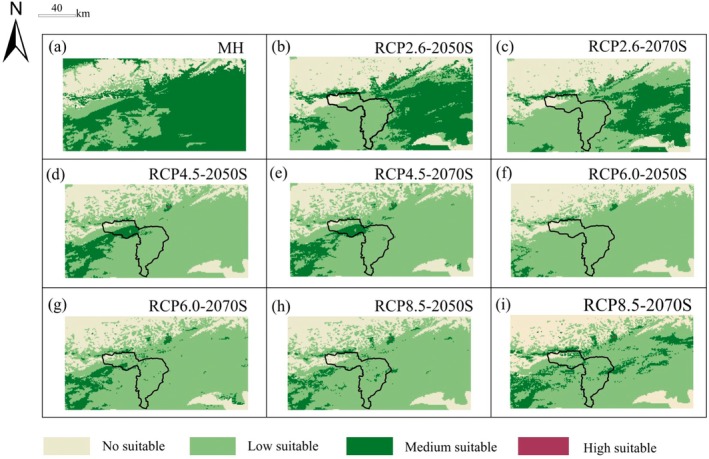 Figure 16
Peer Reviews
No public reviews on file for this paper yet. If you reviewed it on a platform where reviews are public (OpenReview, ICLR, NeurIPS, ICML), you can paste yours below so the community can read it here.
Videos
No videos yet. Explain this paper in a talk, walkthrough, or lecture? Add one.
Taxonomy
TopicsSpecies Distribution and Climate Change · Environmental DNA in Biodiversity Studies · Invertebrate Taxonomy and Ecology