Application of Double‐Colored Die‐Stone as an Alternative Approach for Achieving Superior Finish Line Precision in Dental Casts: A Comparative In Vitro Study
Ahmad Toumaj, Akram Ghannadpour, Mahtab Mottaghi, Mirkamal Hosseiny, Seyed Mehdi Ziaei, Mona Saligherad, Kiarash Kiani

TL;DR
This study compares dental casting techniques and finds that the double-colored die-stone method improves finish line precision compared to conventional and digital methods.
Contribution
The DCDS technique is introduced as a novel alternative for achieving higher finish line accuracy in dental casts.
Findings
The DCDS group showed significantly higher area of valid distance compared to the digital group.
The DCDS method demonstrated the closest alignment with the reference model for finish line precision.
Digital impressions had greater integrated absolute distance than conventional ones.
Abstract
Determining the finish line on the master cast is essential to create proper restoration. We aimed to compare the finish line accuracy in casts created using the conventional technique, digital technique, and an alternative approach called the double‐colored die‐stone (DCDS) technique. The tooth 24 in an upper jaw typodont was prepared with a chamfer finish line. Twenty impressions were taken from the typodont and were divided into conventional (n = 10) and DCDS (n = 10). Ten digital impressions were taken using an intraoral scanner, and a 3D printer made the digital cast. We applied a single‐color die‐stone in the conventional method, while we used two colors of die‐stone in the DCDS group. We assessed the finish lines, focusing on the area of valid distance, distance standard deviation, integrated absolute distance, and mean distance. A reference model was created to evaluate the…
Genes, proteins, chemicals, diseases, species, mutations and cell lines named across the full text — each resolved to its canonical identifier and authoritative record.
Click any figure to enlarge with its caption.
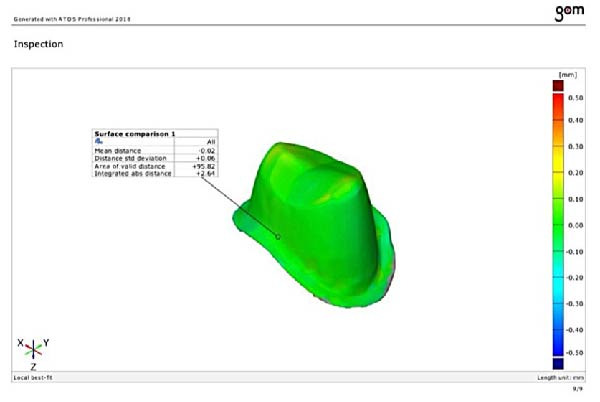 Figure 1
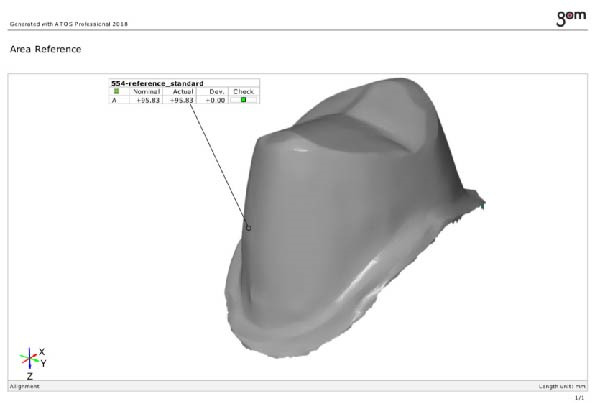 Figure 2
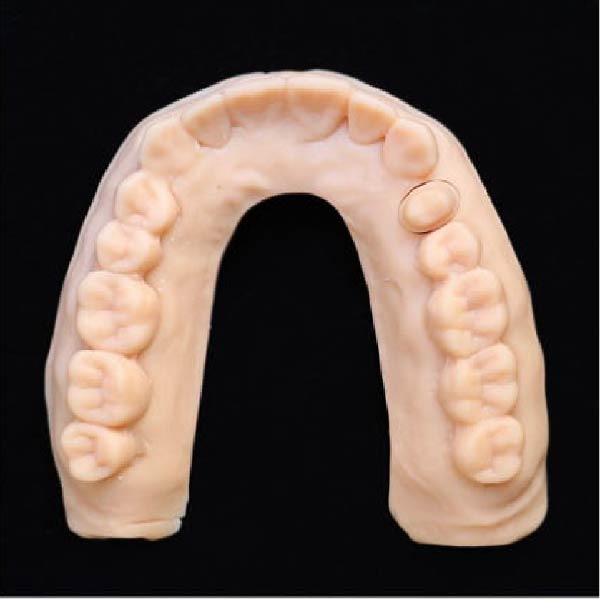 Figure 3
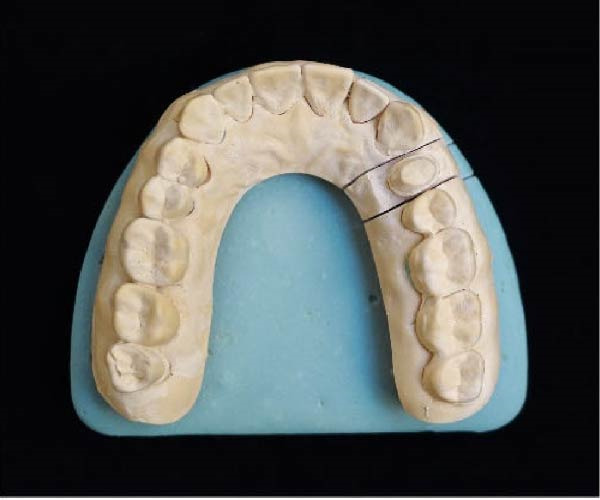 Figure 4
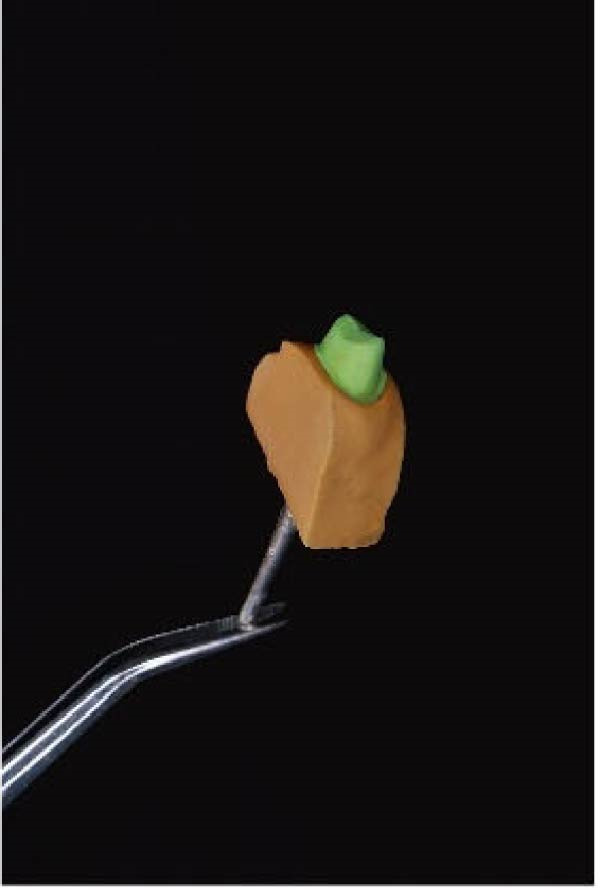 Figure 5
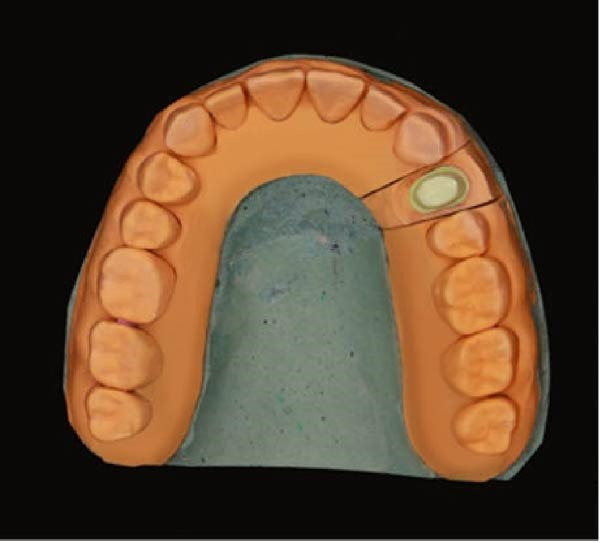 Figure 6
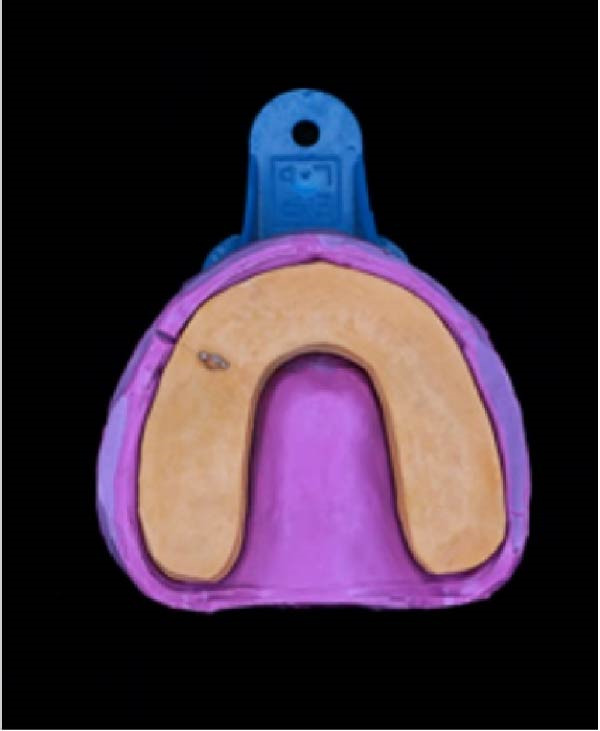 Figure 7
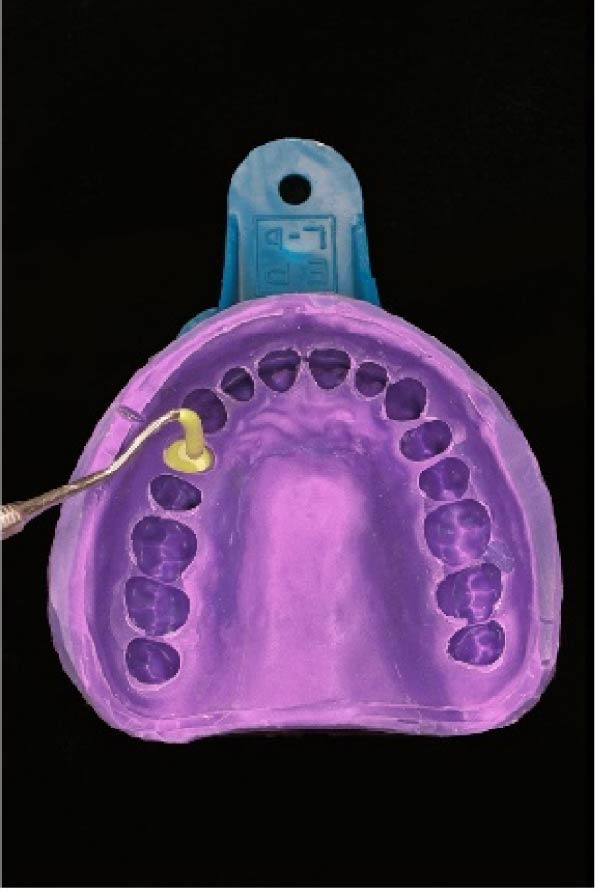 Figure 8
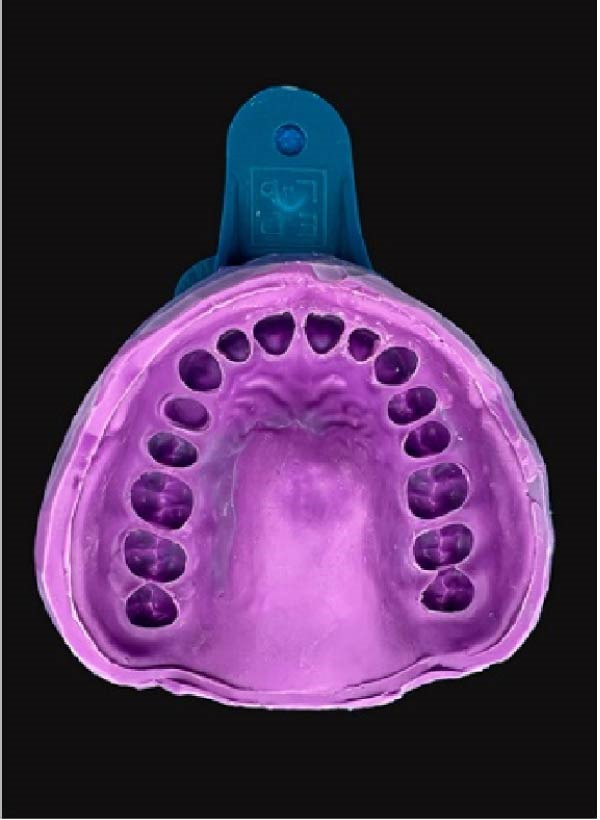 Figure 9
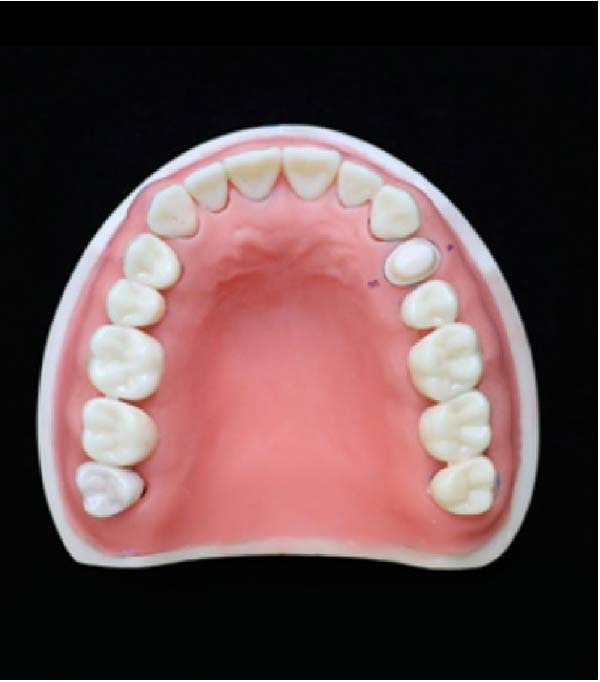 Figure 10
Peer Reviews
No public reviews on file for this paper yet. If you reviewed it on a platform where reviews are public (OpenReview, ICLR, NeurIPS, ICML), you can paste yours below so the community can read it here.
Videos
No videos yet. Explain this paper in a talk, walkthrough, or lecture? Add one.
Taxonomy
TopicsDental materials and restorations · Orthodontics and Dentofacial Orthopedics · Dental Research and COVID-19