IGF2BP3 recognizes m6A to regulate histone-to-protamine replacement during mouse sperm development
Dazhuang Wang, Zhenyi Huang, Yichun Zhou, Peiyan Chen, Gang Chang, Liwei Ke, Congying Jing, Haojie Yang, Jiexiang Zhao, Shaofang Ren, Yi Zheng, Yuhan Chen, Yunfan Xiang, Jun Liu, Mei Wang

TL;DR
This study shows that the protein IGF2BP3 helps regulate sperm development in mice by controlling the translation of specific genes involved in replacing histones with protamines.
Contribution
The study identifies IGF2BP3 as a key m6A reader protein involved in post-meiotic spermiogenesis through translational repression of Dot1l and Hdac11.
Findings
IGF2BP3 is specifically expressed in post-meiotic spermatids in mouse testes.
Loss of IGF2BP3 causes male infertility-like symptoms and defects in histone-to-protamine replacement.
siRNAs targeting Dot1l and Hdac11 rescue sperm developmental defects in IGF2BP3 knockout mice.
Abstract
Post-meiotic development of spermatids is under the control of a sophisticated RNA metabolic network, wherein the N6-methyladenosine (m6A) modification of mRNA, and proteins that bind to it, exert crucial functions in regulating sperm development from spermatogonia to spermatocytes. However, which m6A recognition proteins are involved in male post-meiotic spermiogenesis, and via which regulatory mechanisms, remains largely unknown. Here, we uncover the involvement of the m6A reader protein IGF2BP3 in the regulation of post-meiotic spermatid development. Genetic ablation of Igf2bp3 results in spermatogenesis defects, leading to male sub-fertility or even infertility. Mechanistically, IGF2BP3 loss-of-function leads to the excessive translation of its target RNAs associated with histone-to-protamine replacement, particularly Dot1l and Hdac11. IGF2BP3 translationally represses these targets…
Genes, proteins, chemicals, diseases, species, mutations and cell lines named across the full text — each resolved to its canonical identifier and authoritative record.
Click any figure to enlarge with its caption.
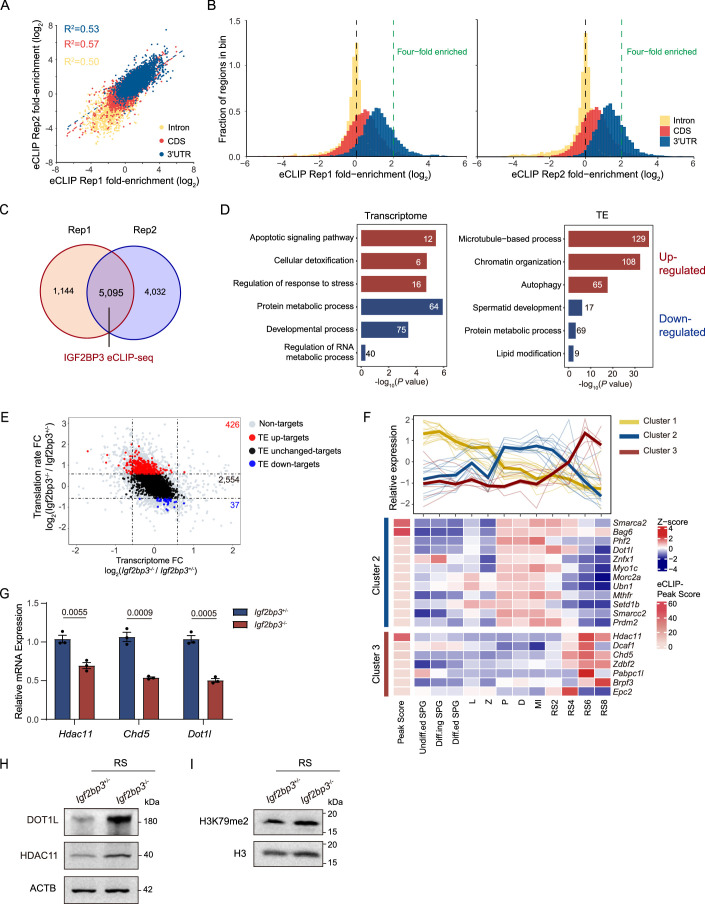 Figure 10
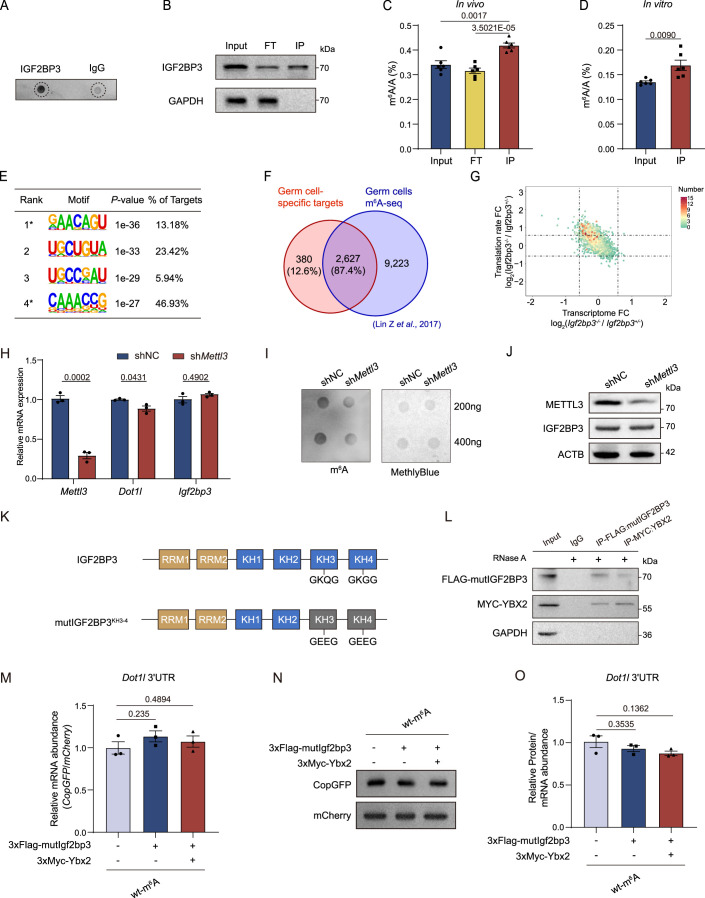 Figure 11
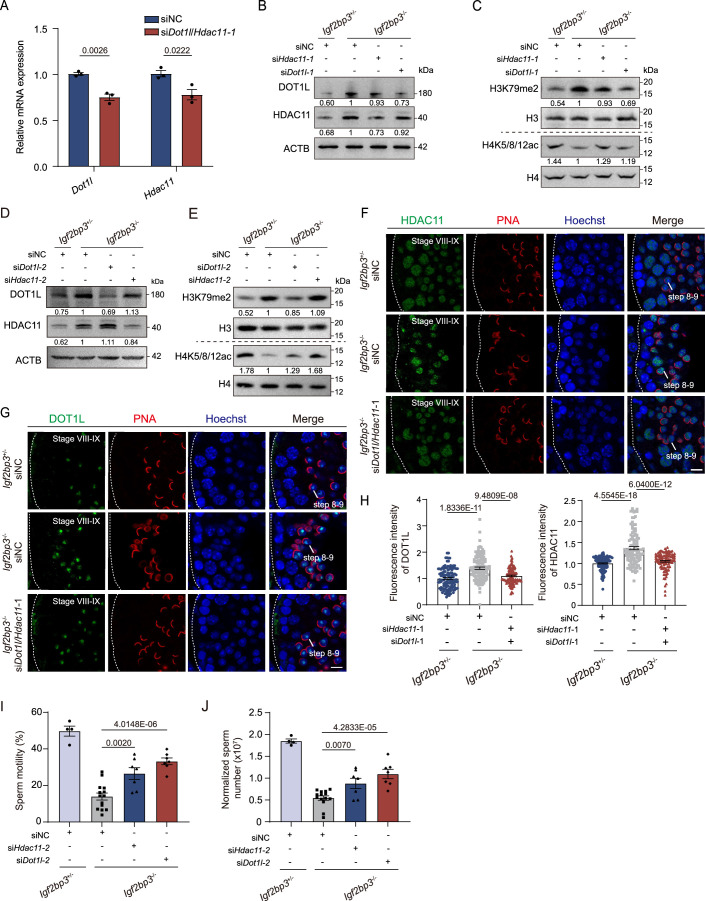 Figure 12
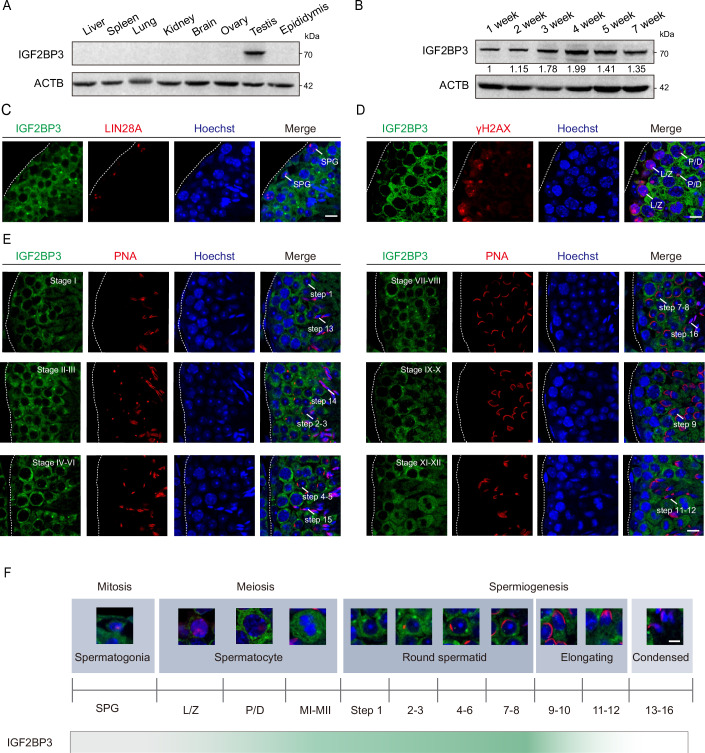 Figure 1
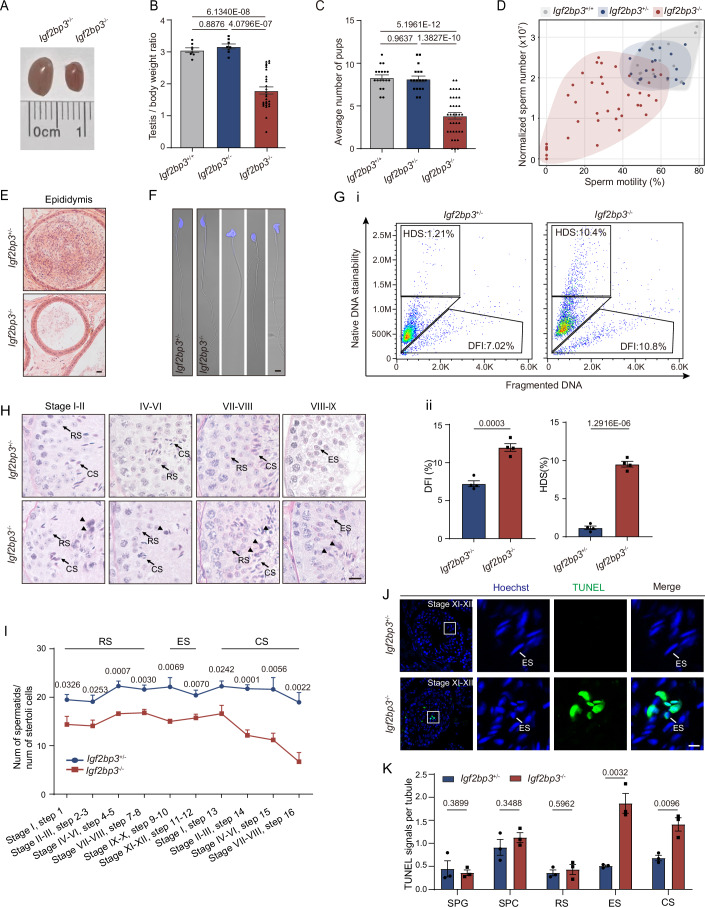 Figure 2
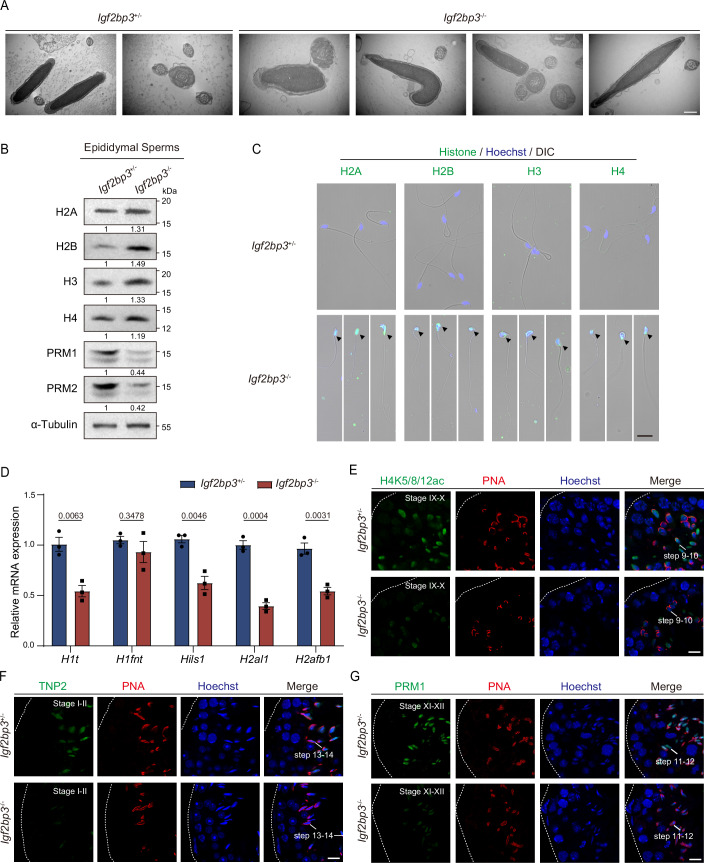 Figure 3
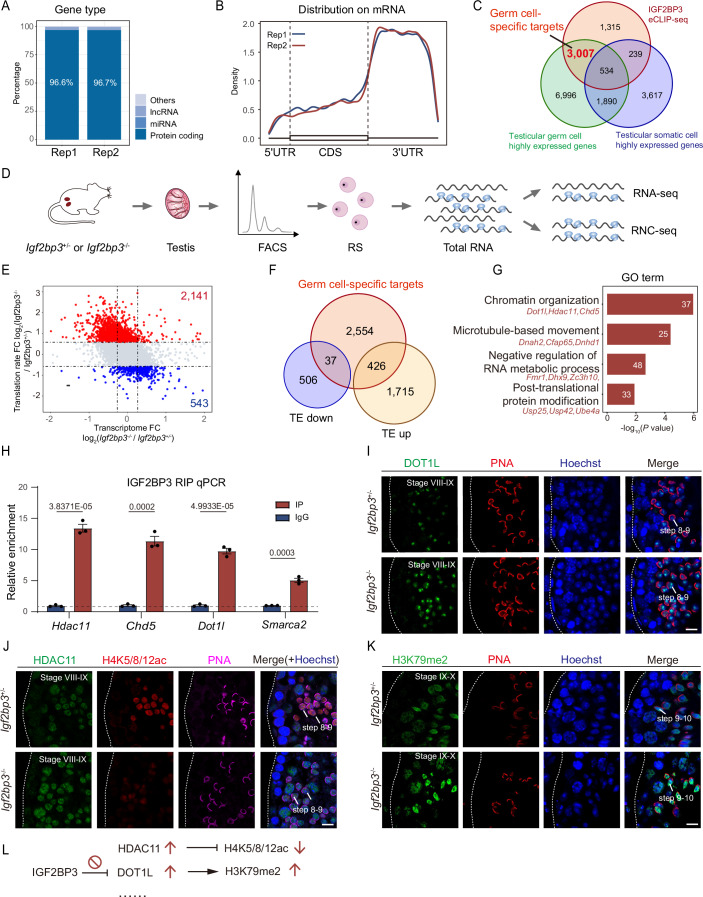 Figure 4
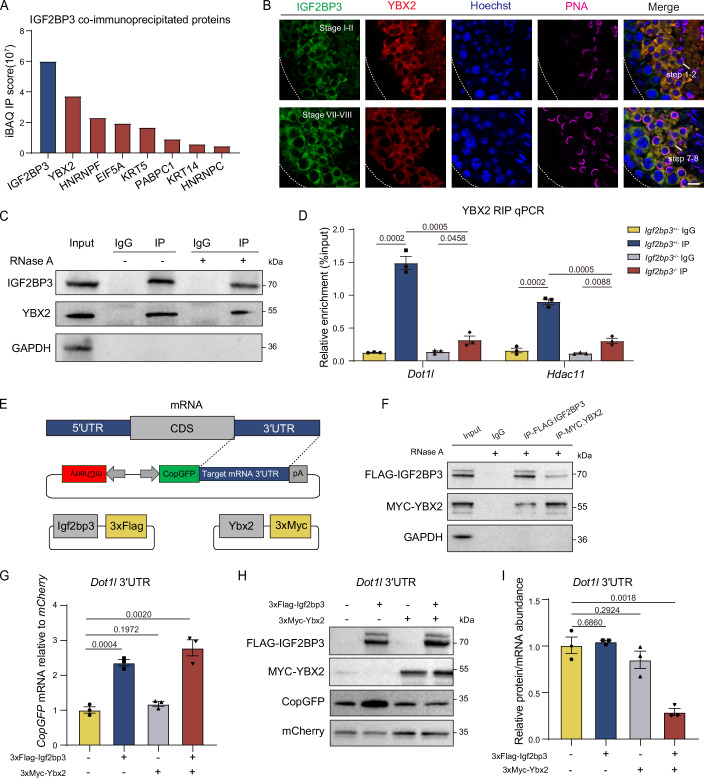 Figure 5
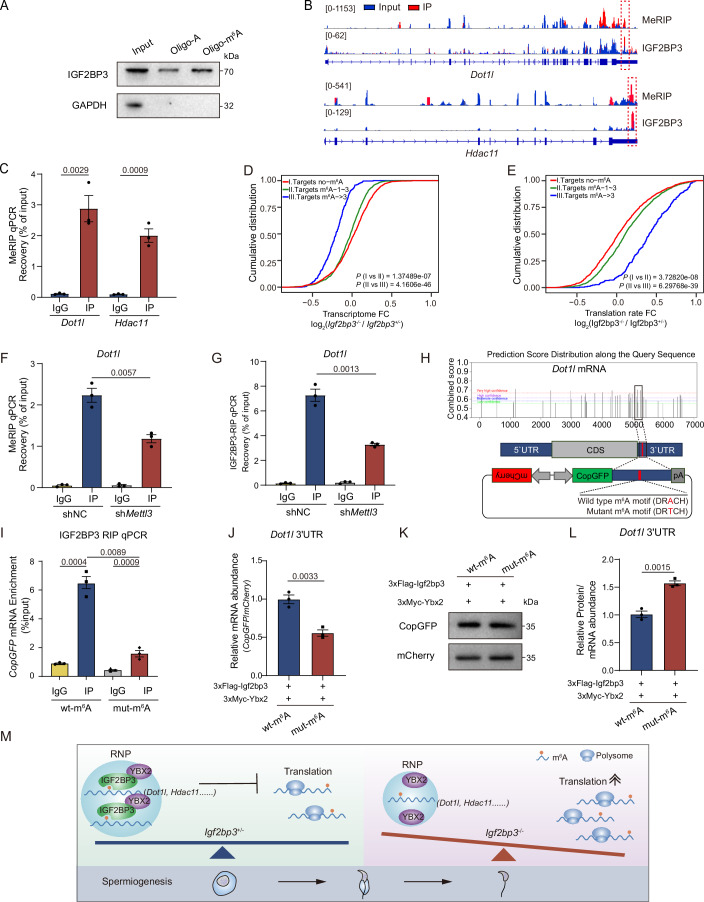 Figure 6
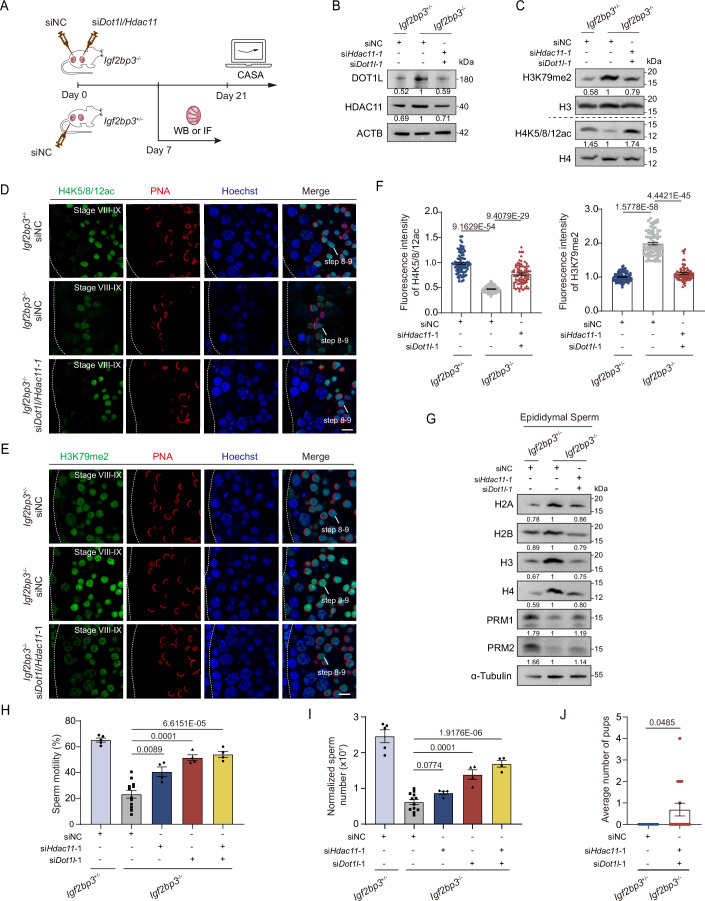 Figure 7
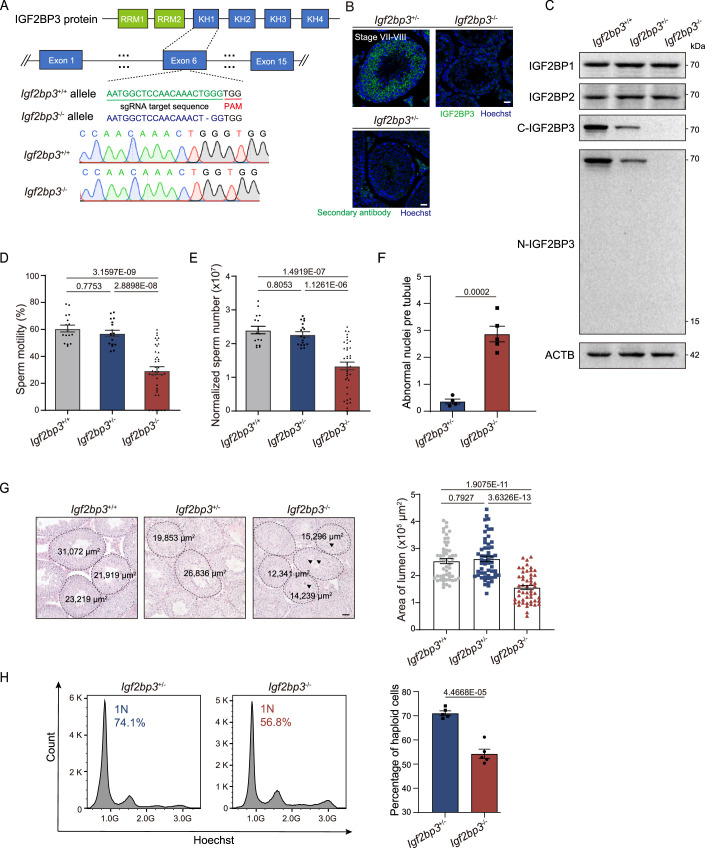 Figure 8
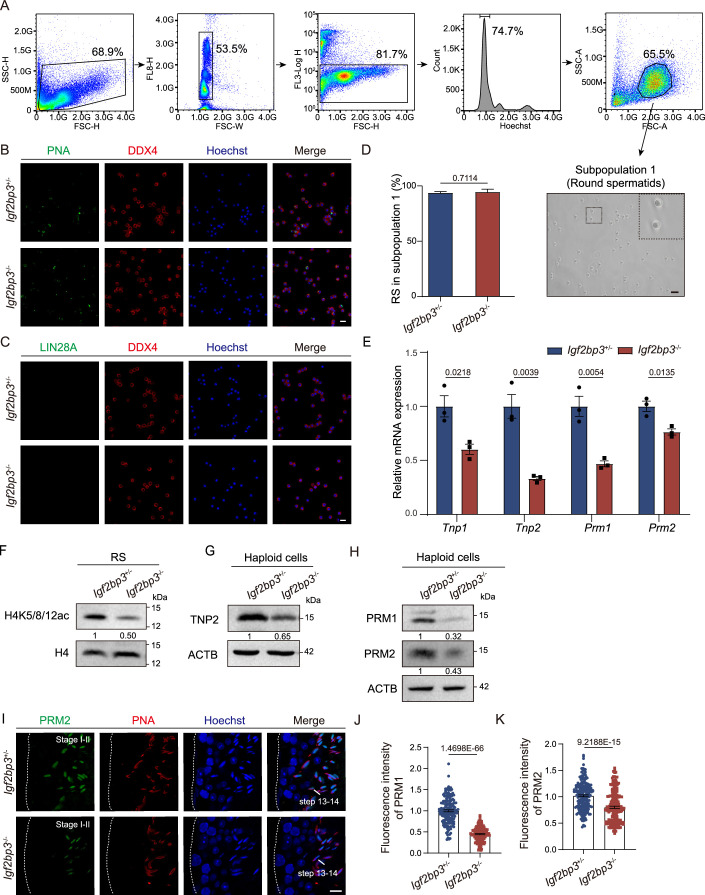 Figure 9
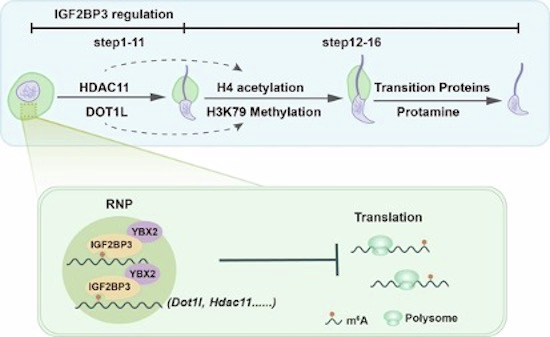 Figure 13
 Figure 14
Peer Reviews
No public reviews on file for this paper yet. If you reviewed it on a platform where reviews are public (OpenReview, ICLR, NeurIPS, ICML), you can paste yours below so the community can read it here.
Videos
No videos yet. Explain this paper in a talk, walkthrough, or lecture? Add one.
Taxonomy
TopicsRNA modifications and cancer · Cancer-related gene regulation · Metalloenzymes and iron-sulfur proteins