Metagenomic surveillance of tick-borne pathogens and microbiomes in Huntingdon County, Pennsylvania
Andrew Buonaccorsi, Brittney N. McMullen, Brie Builder, Kelliann Drummond, Sarah Halteman, Jeremy Chen See, Evan Thomas, Alexa Viands, Sarah Worley, Justin R. Wright, Jill Keeney, Regina Lamendella

TL;DR
This study used metagenomic sequencing to detect tick-borne pathogens and analyze microbial communities in Pennsylvania ticks, revealing higher sensitivity than traditional methods and environmental influences on diversity.
Contribution
The study demonstrates the enhanced sensitivity of metagenomic sequencing over PCR for tick-borne pathogen detection and identifies ecological associations with microbial diversity.
Findings
Metagenomic sequencing detected low-abundance pathogens missed by PCR, including Rickettsia and Ehrlichia spp.
Environmental factors like humidity, time of day, and land cover significantly influenced microbial diversity and gene function.
Rickettsia was a central taxon in co-occurrence networks, showing strong associations with other microbes.
Abstract
The rise in tick populations across the United States has contributed to a surge in tick-borne diseases, with Pennsylvania ranking among the highest in reported cases. To better understand local pathogen prevalence and microbial community structure, an integrative study of ticks collected from ten recreational trails in Huntingdon County, Pennsylvania during the summer of 2023 was conducted. A total of 96 ticks were sampled, with 33 PCR-positive specimens selected for shotgun metagenomic sequencing. Pathogen screening via qPCR detected Borreliella burgdorferi, Borrelia miyamotoi, Babesia spp., and Anaplasma phagocytophilum. Shotgun metagenomics revealed a broader diversity of tick-borne pathogens, including Rickettsia and Ehrlichia spp., and demonstrated increased sensitivity by detecting low-abundance pathogens in samples that were PCR-negative. Co-infections were common, and…
Genes, proteins, chemicals, diseases, species, mutations and cell lines named across the full text — each resolved to its canonical identifier and authoritative record.
Click any figure to enlarge with its caption.
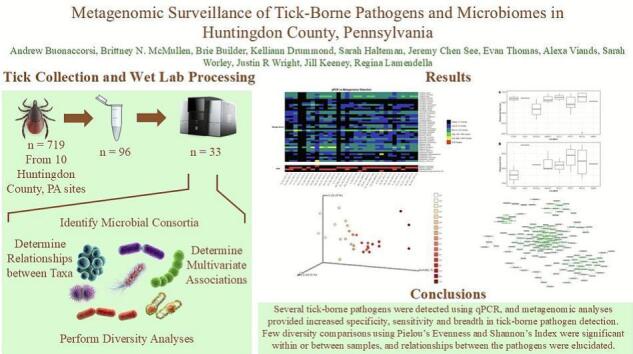 Figure 1
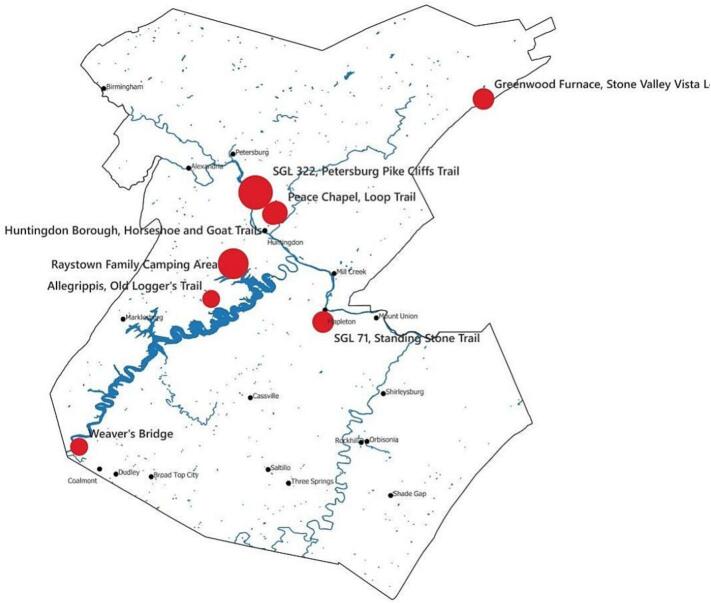 Figure 2
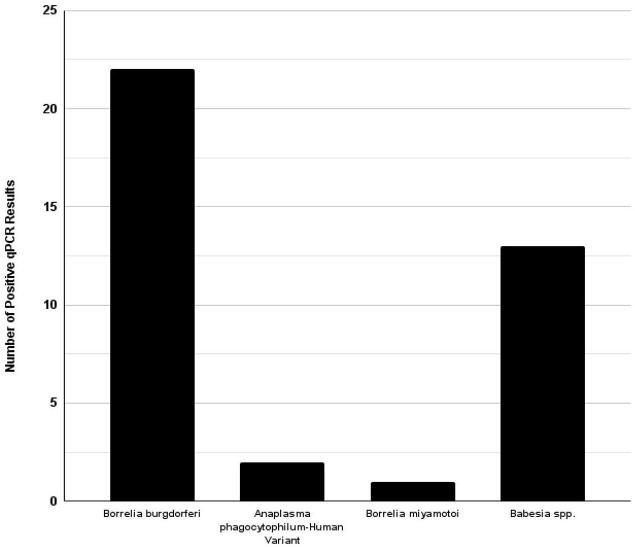 Figure 3
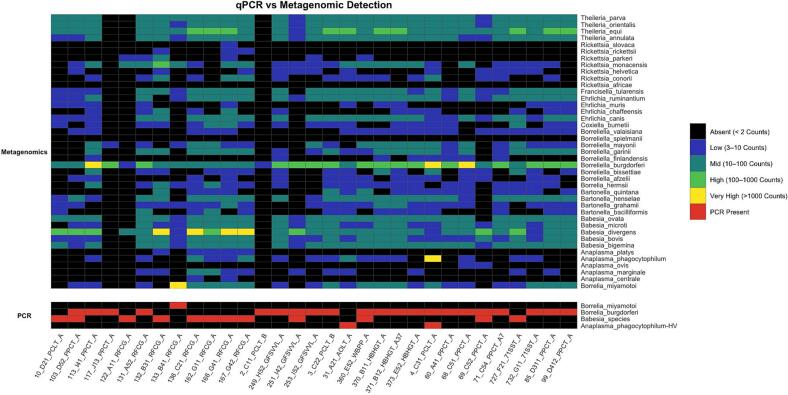 Figure 4
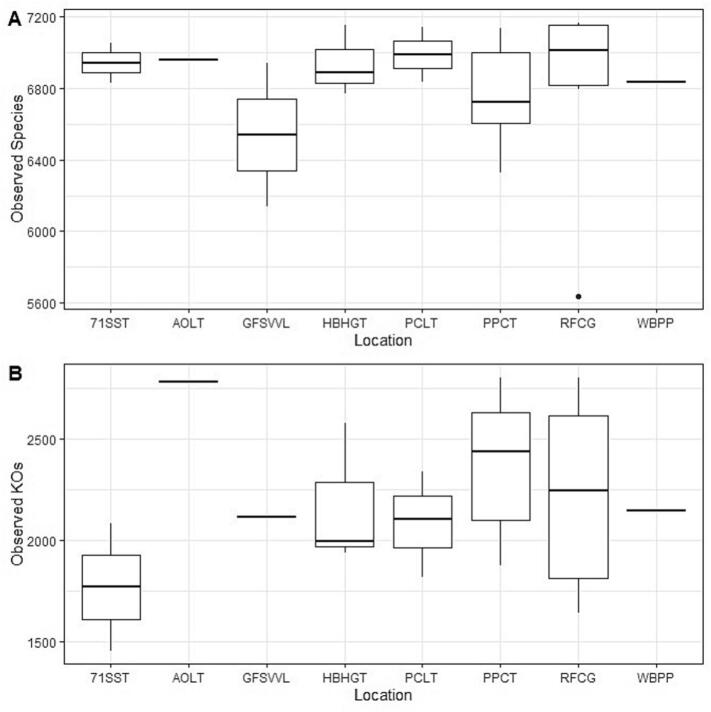 Figure 5
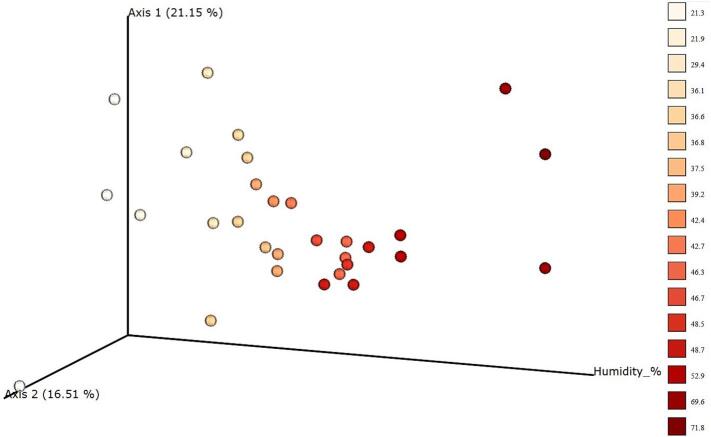 Figure 6
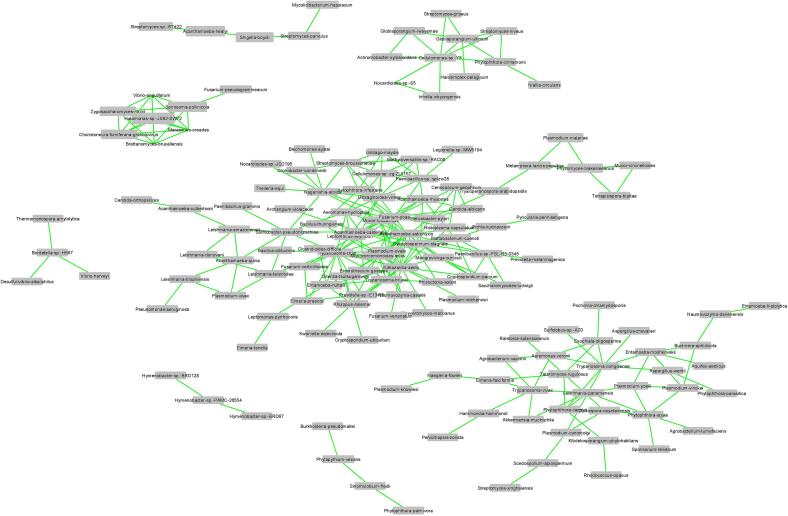 Figure 7
Peer Reviews
No public reviews on file for this paper yet. If you reviewed it on a platform where reviews are public (OpenReview, ICLR, NeurIPS, ICML), you can paste yours below so the community can read it here.
Videos
No videos yet. Explain this paper in a talk, walkthrough, or lecture? Add one.
Taxonomy
TopicsVector-borne infectious diseases · Zoonotic diseases and public health · Viral Infections and Vectors