The niche of Borrelia burgdorferi sensu lato in Europe is predictable and mappable
Agustín Estrada-Peña, Julie Davis, James H. Stark, Patrick H. Kelly

TL;DR
This study maps the spread of the Lyme disease bacterium Borrelia burgdorferi in Europe by analyzing tick and animal habitats.
Contribution
The study introduces a new method combining vertebrate communities and tick data to predict Borrelia burgdorferi distribution.
Findings
Borrelia burgdorferi prevalence in ticks correlates strongly with specific vertebrate reservoirs, not overall biodiversity.
Southern Europe lacks suitable ticks for B. burgdorferi despite having reservoirs, limiting its spread.
A dataset linking climate, vegetation, and vertebrates helps predict human infection risk across Europe.
Abstract
Classic environmental niche modelling to examine the distribution of the causative agent of Lyme borreliosis Borrelia burgdorferi sensu lato (Bb) in the Western Palearctic, is often inadequate because it depends on both its tick vector(s), like Ixodes ricinus, and vertebrate reservoirs. We aimed to better determine, identify, and map the geographic distribution of Bb genospecies compiling data from 15,032 I. ricinus samples and over 6.5 million vertebrate records across 103 genera. We leveraged Species Stacking Distribution Modelling and Principal Components Analysis to identify communities of co-occurring vertebrates and their associations between Bb prevalence in host-seeking Ixodes nymphs and. Four vertebrate communities were revealed, with one strongly linked as primary reservoirs to Bb geographic range. Distribution of Bb in southern Europe was limited by the absence of I. ricinus…
Genes, proteins, chemicals, diseases, species, mutations and cell lines named across the full text — each resolved to its canonical identifier and authoritative record.
Click any figure to enlarge with its caption.
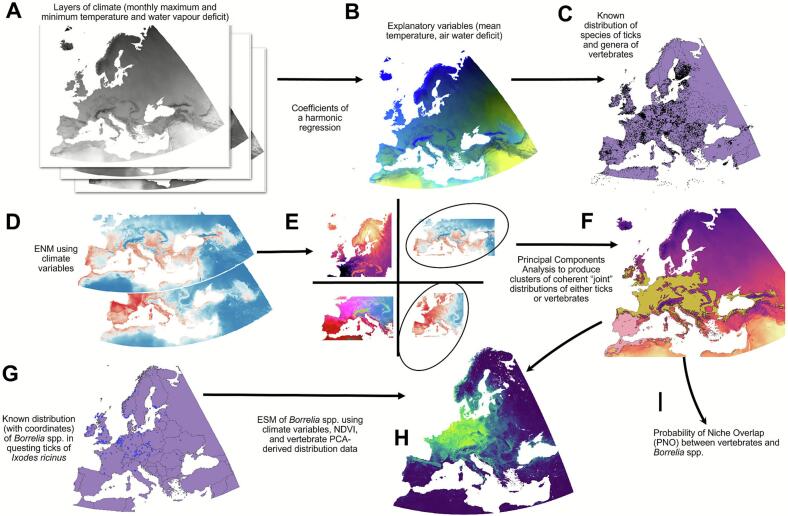 Figure 1
 Figure 2
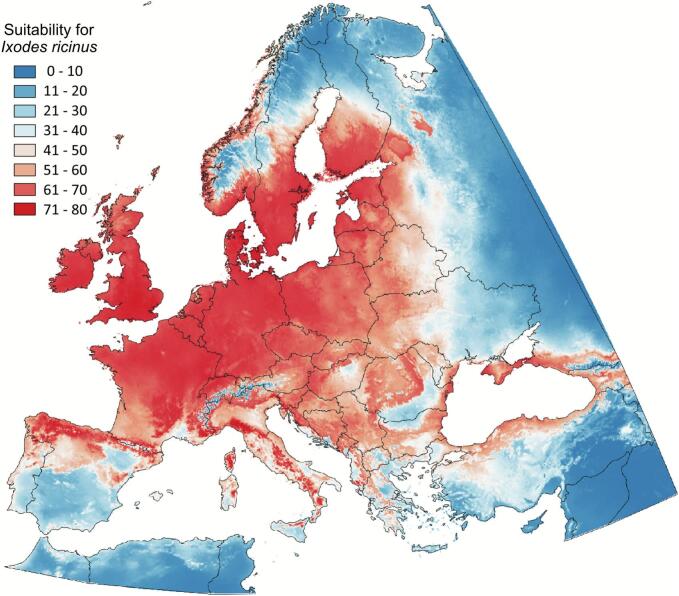 Figure 3
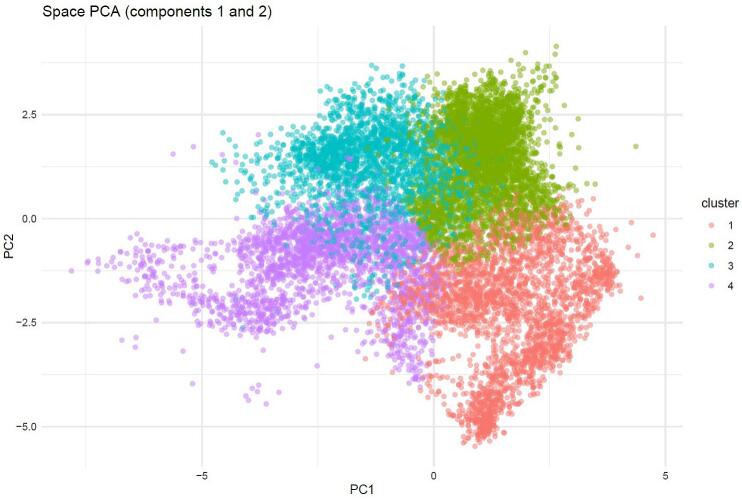 Figure 4
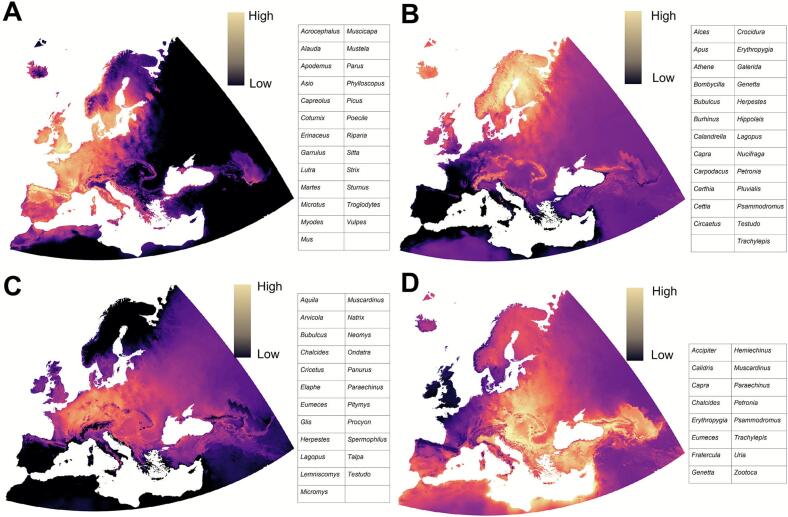 Figure 5
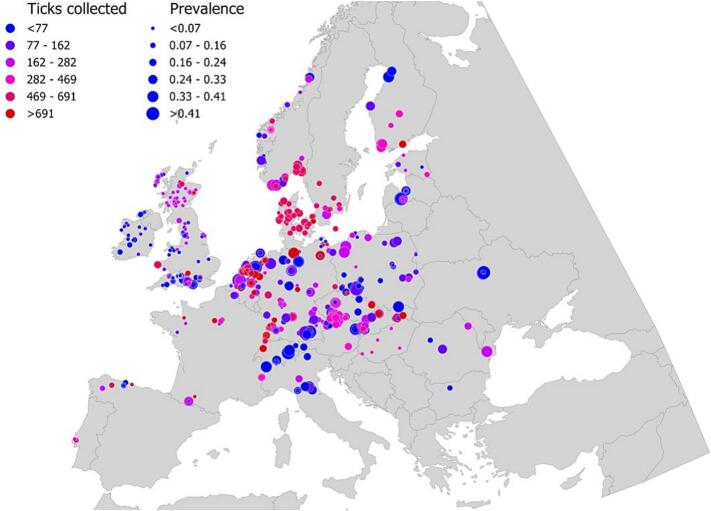 Figure 6
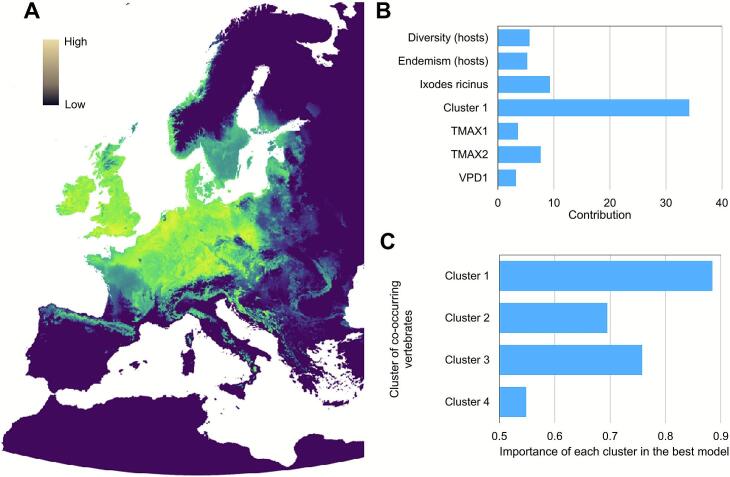 Figure 7
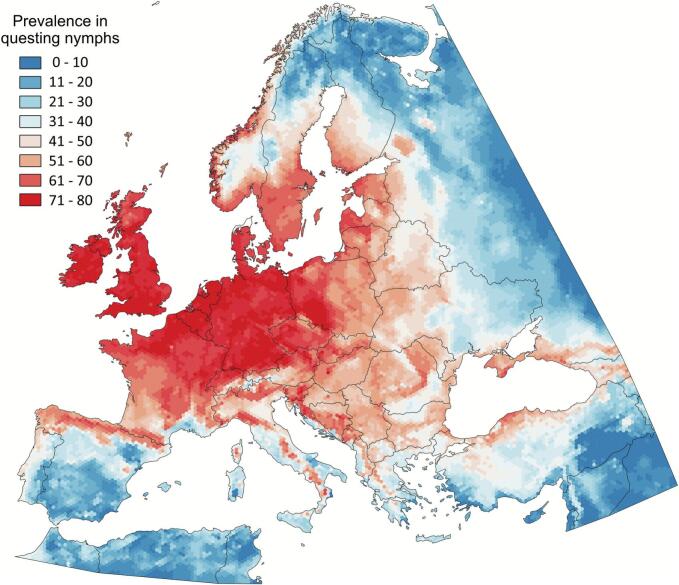 Figure 8
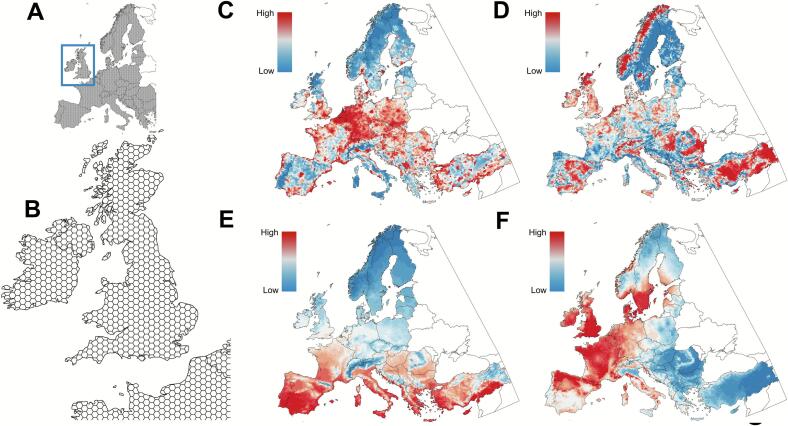 Figure 9
Peer Reviews
No public reviews on file for this paper yet. If you reviewed it on a platform where reviews are public (OpenReview, ICLR, NeurIPS, ICML), you can paste yours below so the community can read it here.
Videos
No videos yet. Explain this paper in a talk, walkthrough, or lecture? Add one.
Taxonomy
TopicsVector-borne infectious diseases · Zoonotic diseases and public health · Vector-Borne Animal Diseases