Invasive alien mammals pose zoonotic risks to human health in Europe
Paola Monguilod, Belinda Gallardo

TL;DR
Invasive mammals in Europe spread zoonotic diseases, posing serious health risks to humans, especially as climate change expands their habitats.
Contribution
The study quantifies zoonotic risks from eight invasive mammals in Europe and identifies future hotspots under climate change.
Findings
Each invasive mammal species transmits an average of 16 human pathogens, including diseases like Echinococcosis and Leptospirosis.
Central and western Europe are identified as current disease hotspots, with future projections showing a northeastward shift by 2050.
71% of the human population lives in areas highly suitable for invasive species establishment, highlighting significant public health risks.
Abstract
The rise in zoonotic diseases is accelerating, with climate change expected to further intensify this trend. Invasive Alien Species (IAS) play an important role in the emergence and spread of zoonotic diseases by introducing both existing and novel pathogens to the regions they invade. Despite this, research on the role of IAS in spreading zoonotic diseases remains limited. Our study investigated the zoonotic risks posed by eight invasive mammal species prioritized for management in Europe. On average, each species was found to transmit 16 pathogens capable of causing severe diseases in humans, including Echinococcosis, Leptospirosis, Lyme neuroborreliosis, and Encephalitis. We identified central and western Europe as significant disease hotspots. Climate change is facilitating the expansion of IAS into new areas, as warmer temperatures make previously inhospitable regions suitable.…
Genes, proteins, chemicals, diseases, species, mutations and cell lines named across the full text — each resolved to its canonical identifier and authoritative record.
Click any figure to enlarge with its caption.
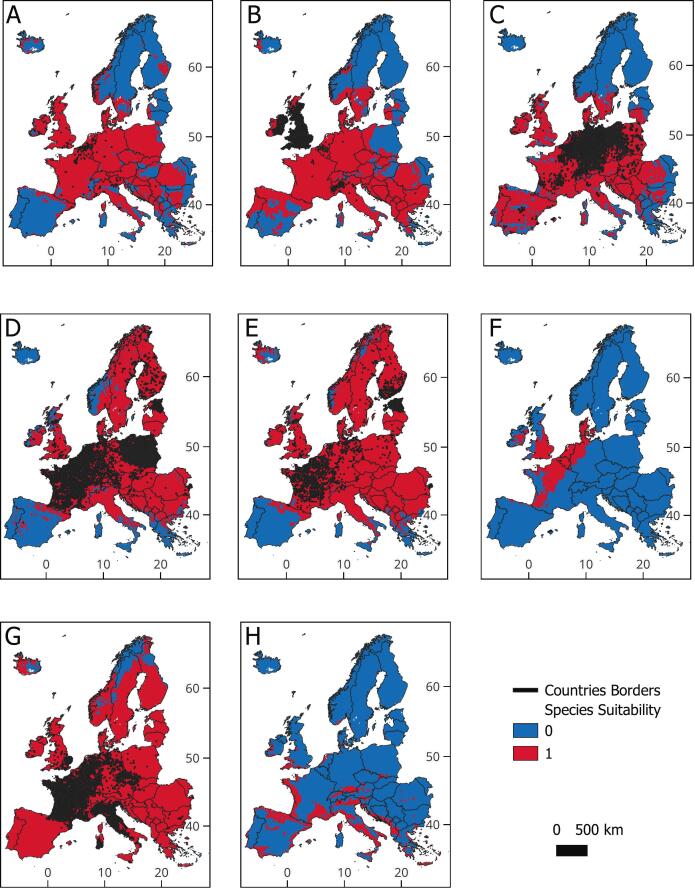 Figure 1
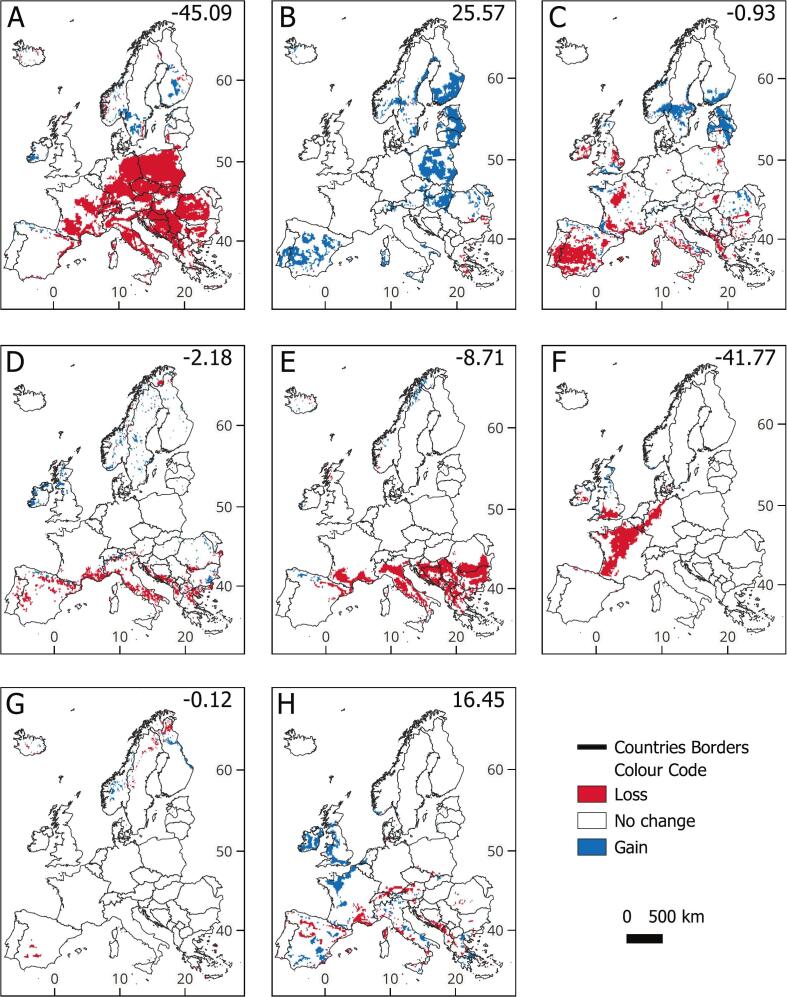 Figure 2
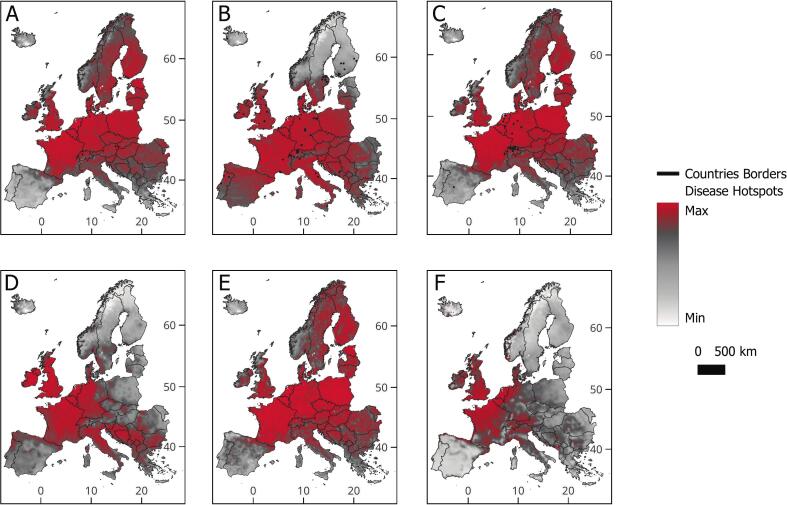 Figure 3
Peer Reviews
No public reviews on file for this paper yet. If you reviewed it on a platform where reviews are public (OpenReview, ICLR, NeurIPS, ICML), you can paste yours below so the community can read it here.
Videos
No videos yet. Explain this paper in a talk, walkthrough, or lecture? Add one.
Taxonomy
TopicsZoonotic diseases and public health · Leptospirosis research and findings · Parasitic infections in humans and animals