Genomic epidemiology and phylogeographic reconstruction of West Nile virus 2 in Italy from 2011 to 2023
Carla della Ventura, Maya Carrera, Francesco Defilippo, Davide Lelli, Chiara Nogarol, Maria Lucia Mandola, Alessia Lai, Annalisa Bergna, Francesca Moroni, Ana Moreno, Gianguglielmo Zehender

TL;DR
This study tracks the spread and evolution of West Nile Virus Lineage 2 in Italy from 2011 to 2023 using genomic data and phylogeographic analysis.
Contribution
The study provides a detailed phylogeographic reconstruction of WNV-2 in Italy and identifies mutations linked to increased pathogenicity.
Findings
Phylogeographic analysis suggests WNV-2 entered Italy in 2009 and spread across the Po Valley.
Mutations in NS2A and NS4B genes are associated with neuronal tropism and increased pathogenicity.
Integrated genomic surveillance supports early detection and risk assessment of WNV transmission.
Abstract
Since its introduction to Europe in 2004, West Nile Virus Lineage 2 (WNV-2) has become endemic, with Italy reporting the highest number of cases each season. In 2022, WNV infections in Italy exceeded those recorded during the major 2018 outbreak—the largest ever reported in Europe. This study investigates the genomic epidemiology of WNV during the 2022 and 2023 transmission seasons. We analyzed 123 environmental samples from wild birds and mosquito pools collected between May and October 2022–2023 in northwestern Italy. All but one sample belonged to Lineage 2; lineage 1 was detected in two bird samples, with one showing co-infection. A total of 98 complete genomes were sequenced. Phylogeographic reconstruction indicated the origin of the main European clade in Hungary in 2004, with introduction into Italy between 2009 and 2010. Most Italian genomes clustered within a single highly…
Genes, proteins, chemicals, diseases, species, mutations and cell lines named across the full text — each resolved to its canonical identifier and authoritative record.
Click any figure to enlarge with its caption.
 Figure 1
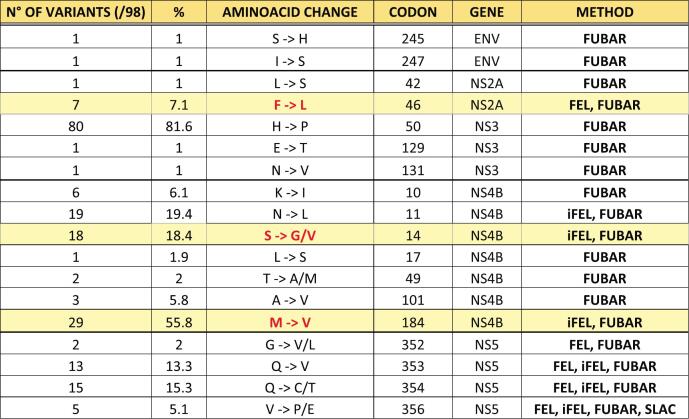 Figure 2
 Figure 3
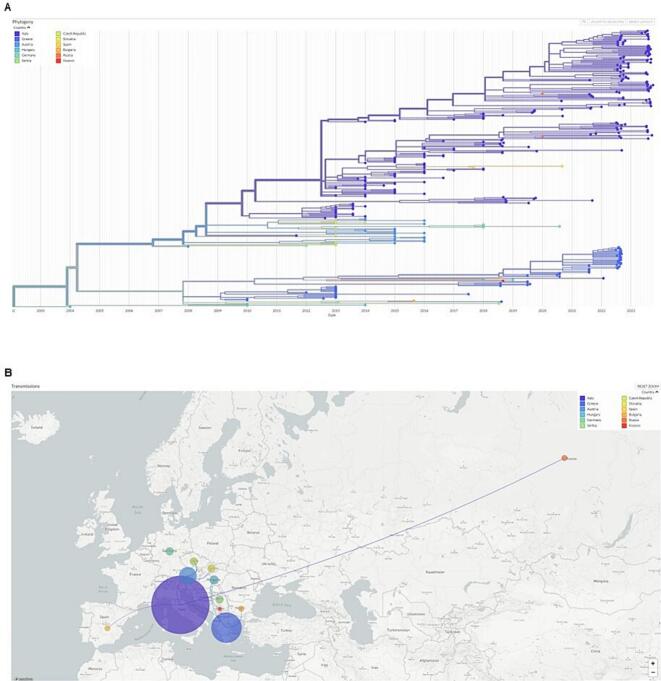 Figure 4
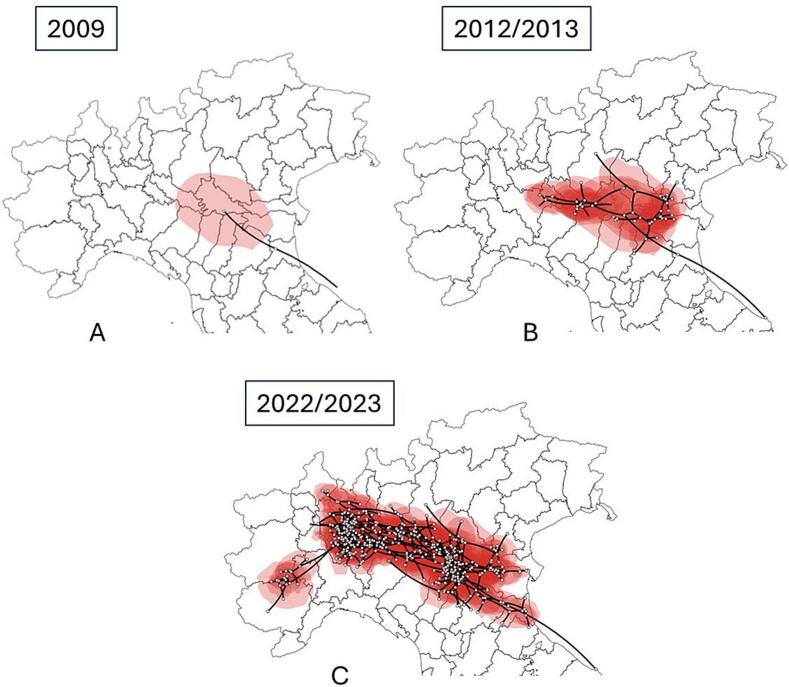 Figure 5
 Figure 6
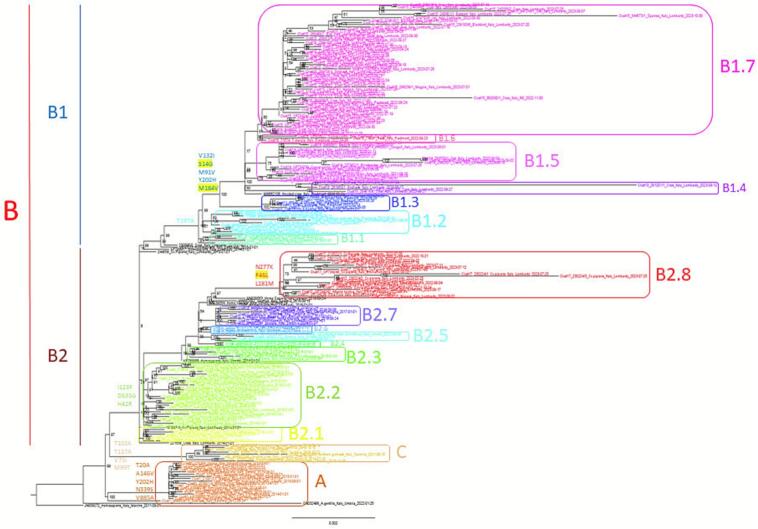 Figure 7
Peer Reviews
No public reviews on file for this paper yet. If you reviewed it on a platform where reviews are public (OpenReview, ICLR, NeurIPS, ICML), you can paste yours below so the community can read it here.
Videos
No videos yet. Explain this paper in a talk, walkthrough, or lecture? Add one.
Taxonomy
TopicsMosquito-borne diseases and control · Phytoplasmas and Hemiptera pathogens · HIV Research and Treatment