Protrichocysts: a hybrid defense extrusive organelle bridging mechanical projection and chemical secretion in ciliates
Kangqiao Dong, Peilin Cai, Liping Lyu, Juan Yang, Yi Wu, Letizia Modeo, Xiao Chen, Jing Xu, Xinpeng Fan

TL;DR
This study reveals that protrichocysts in ciliates are complex organelles combining mechanical and chemical defense, with roles in signaling and regeneration.
Contribution
The first detailed characterization of protrichocyst structure, function, and regeneration, linking ciliate biology to broader eukaryotic secretory systems.
Findings
Protrichocysts combine mechanical projection and chemical secretion in a three-stage ejection process.
Regeneration of protrichocysts occurs within 12 hours via ribosomal and carboxypeptidase gene activity.
Comparative multi-omics show conserved features between ciliate protrichocysts and metazoan dense-core granules.
Abstract
•Protrichocysts launches a millisecond-scale, three-stage ejection that unites trichocyst-like mechanical ejection with toxicyst-like chemical release, providing ciliates an inducible hybrid defense against predators.•First comprehensive histochemical and proteomic map of its protrichocysts uncovers acid mucopolysaccharides, microtubules and candidate toxic proteins, implying roles beyond defense such as intercellular signaling.•Protrichocysts fully regenerate within 12 h after experimental ablation, driven by a transcriptional burst of ribosomal and carboxypeptidase genes that mirror metazoan dense-core-granule biogenesis.•Comparative multi-omics reveal conserved molecular architectures between these ciliate extrusomes and metazoan exosomes/dense-core granules, highlighting a unified eukaryotic secretory heritage. Protrichocysts launches a millisecond-scale, three-stage ejection that…
Genes, proteins, chemicals, diseases, species, mutations and cell lines named across the full text — each resolved to its canonical identifier and authoritative record.
Click any figure to enlarge with its caption.
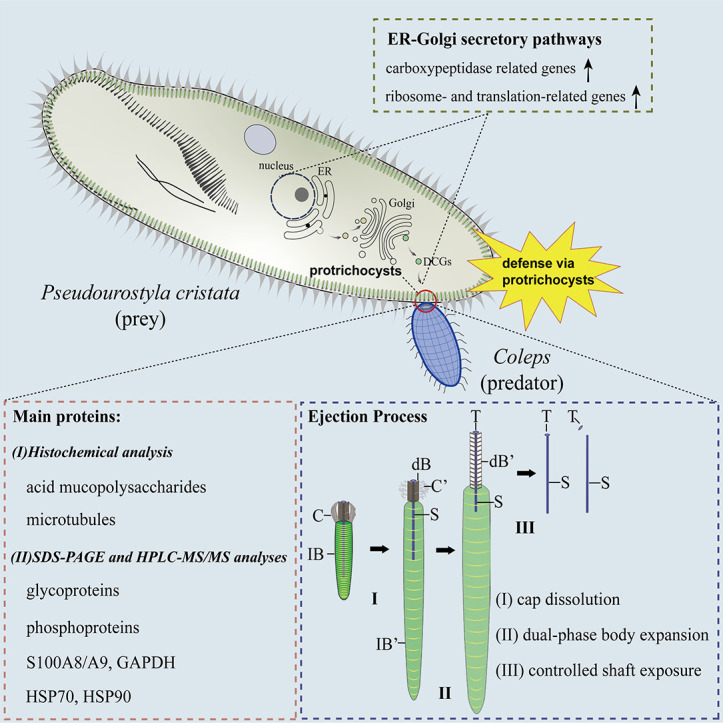 Figure 1
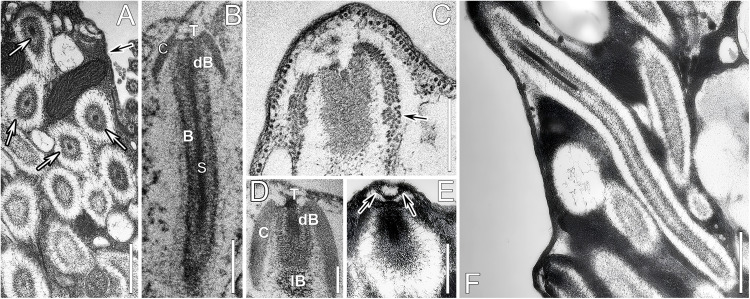 Figure 2
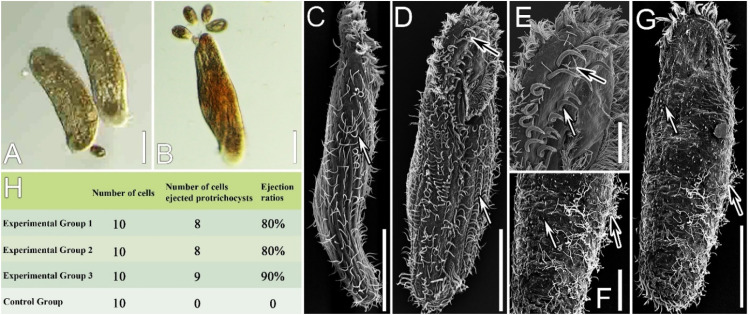 Figure 3
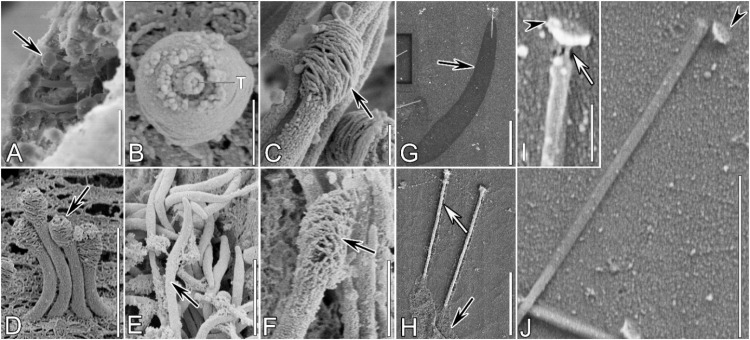 Figure 4
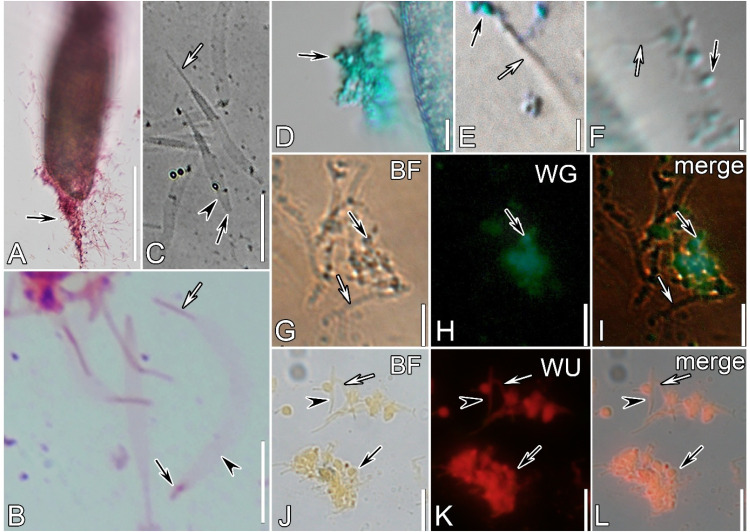 Figure 5
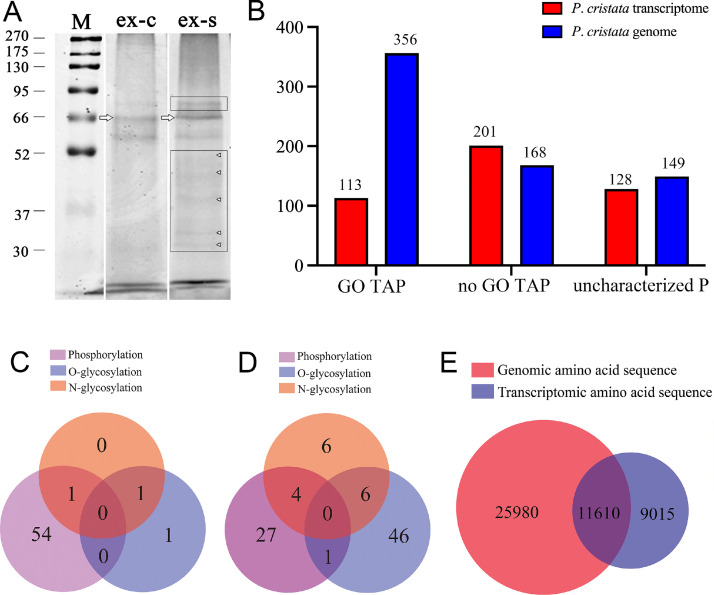 Figure 6
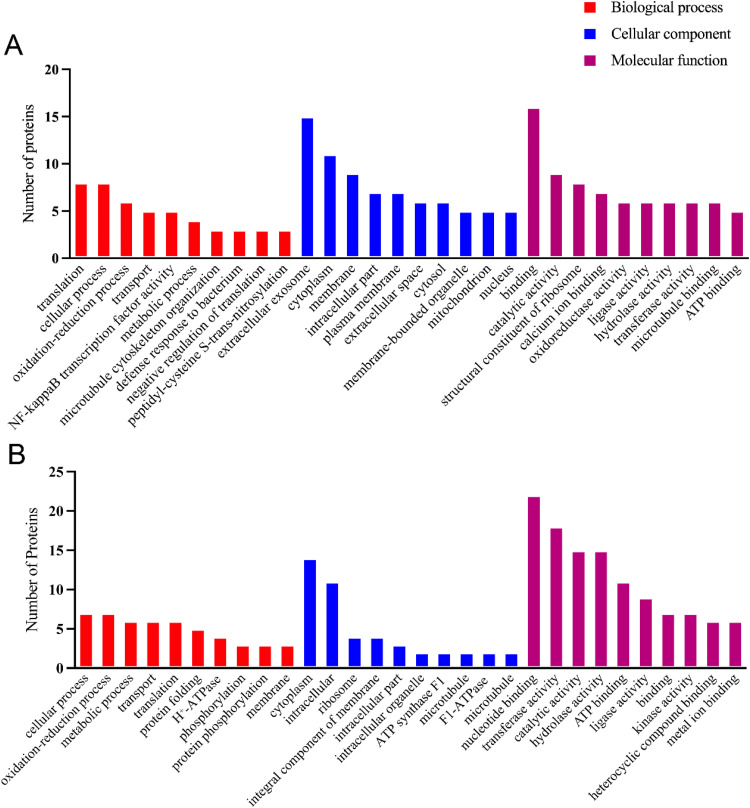 Figure 7
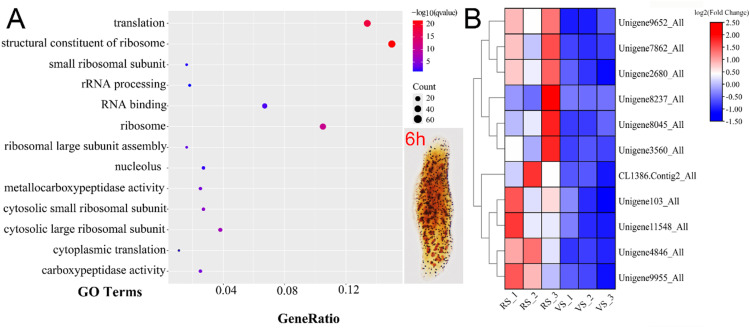 Figure 8
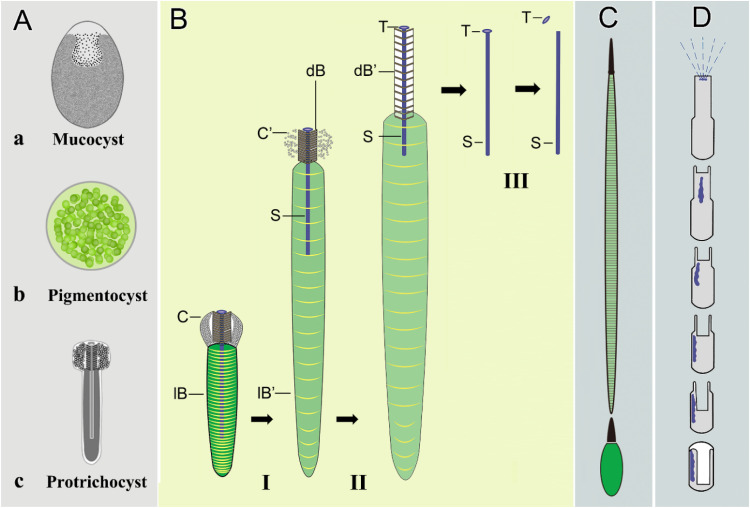 Figure 9
Peer Reviews
No public reviews on file for this paper yet. If you reviewed it on a platform where reviews are public (OpenReview, ICLR, NeurIPS, ICML), you can paste yours below so the community can read it here.
Videos
No videos yet. Explain this paper in a talk, walkthrough, or lecture? Add one.
Taxonomy
TopicsProtist diversity and phylogeny · Genetic and Kidney Cyst Diseases · Microtubule and mitosis dynamics