Vestibular dose predicts toxicity in stereotactic radiosurgery for vestibular schwannomas
Dimitrios Daskalou, Edouard Romano, Sophie Neveü, Pelagia Tsoutsou, Nikolaos Koutsouvelis, Francis Rousset, Nils Guinand, Minerva Becker, Pascal Senn, Sebastien Tran

TL;DR
Higher radiation doses to the vestibular system during radiosurgery for vestibular schwannomas are linked to worsened symptoms and function, but dose reduction is feasible without affecting tumor treatment.
Contribution
This study identifies specific radiation dose thresholds to the vestibular system that predict symptom worsening and demonstrates feasible dose reduction strategies.
Findings
A Dosemean >4 Gy to vestibular sensory organs strongly predicts worsened vestibular symptoms (OR = 27.3).
Dosemax >8 Gy to vestibular sensory organs is also associated with increased symptom risk.
Optimizing vestibular dose in treatment plans can reduce radiation exposure without compromising tumor or cochlear outcomes.
Abstract
•Vestibular sensory organs can be delineated on high-resolution planning CT.•Vestibular sensory organs include the vestibule (saccule and utricle) and ampullae.•Higher vestibular dose predicts symptom worsening and vestibular function loss.•Dosemean >4 Gy and Dosemax >8 Gy to vestibular sensory organs increase symptom risk. Vestibular sensory organs can be delineated on high-resolution planning CT. Vestibular sensory organs include the vestibule (saccule and utricle) and ampullae. Higher vestibular dose predicts symptom worsening and vestibular function loss. Dosemean >4 Gy and Dosemax >8 Gy to vestibular sensory organs increase symptom risk. Stereotactic radiosurgery (SRS) provides excellent tumor control in small and medium vestibular schwannomas (VS), but its impact on the vestibular system remains uncertain. This study examines the effects of SRS on subjective vestibular…
Genes, proteins, chemicals, diseases, species, mutations and cell lines named across the full text — each resolved to its canonical identifier and authoritative record.
Click any figure to enlarge with its caption.
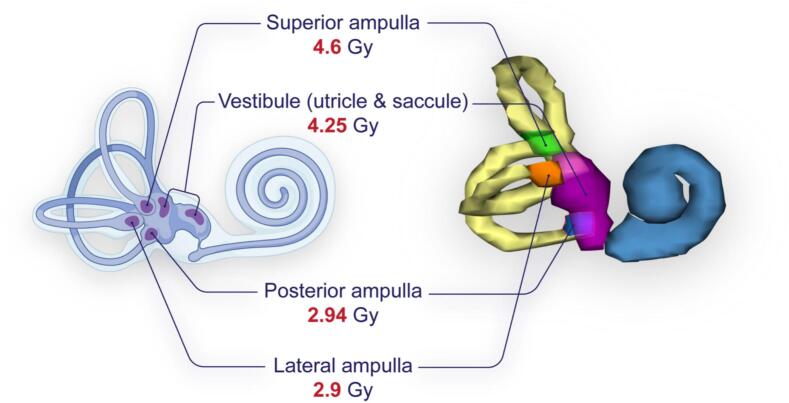 Figure 1
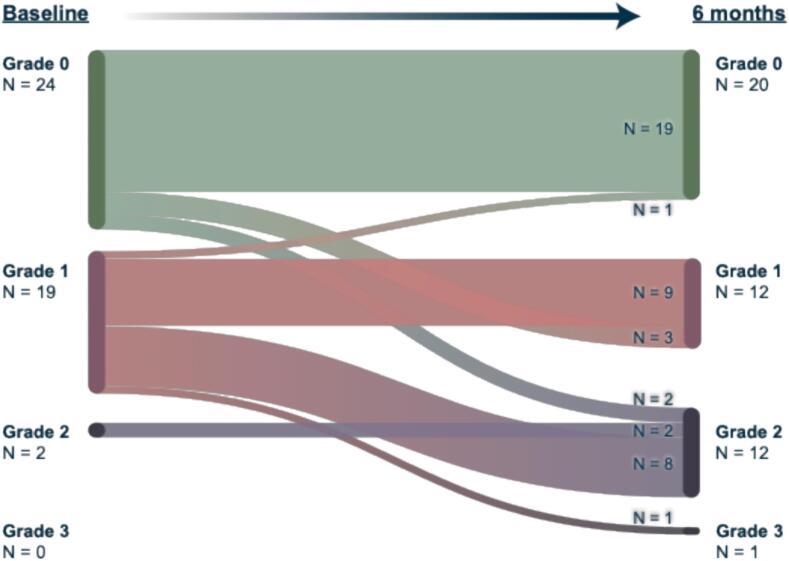 Figure 2
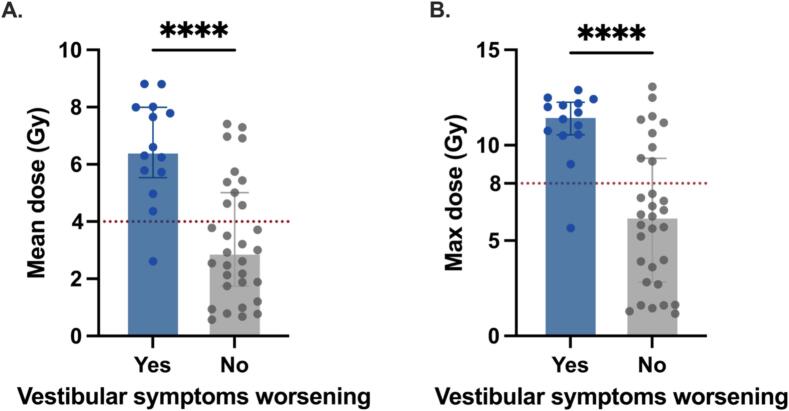 Figure 3
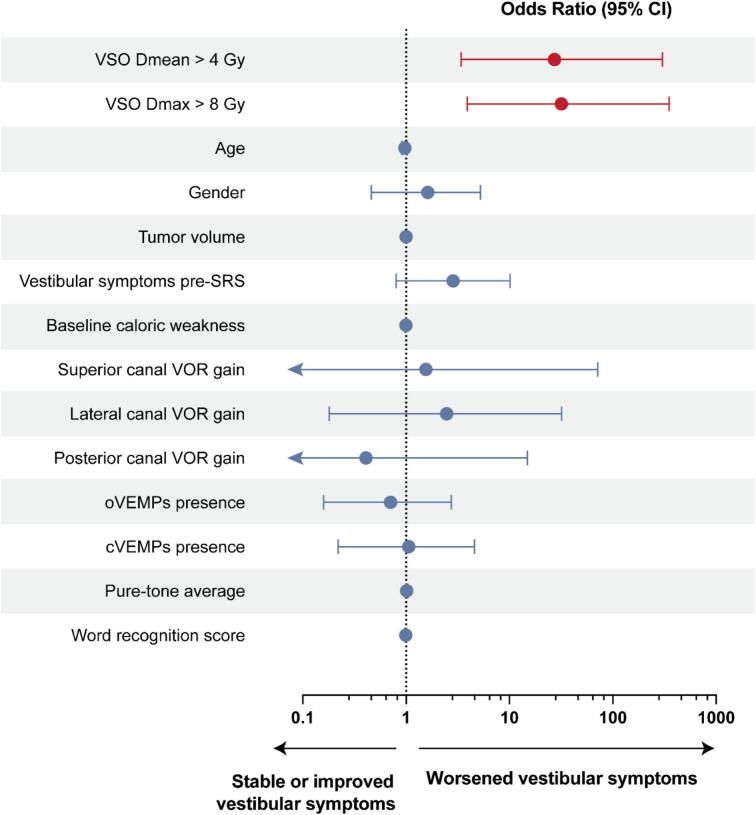 Figure 4
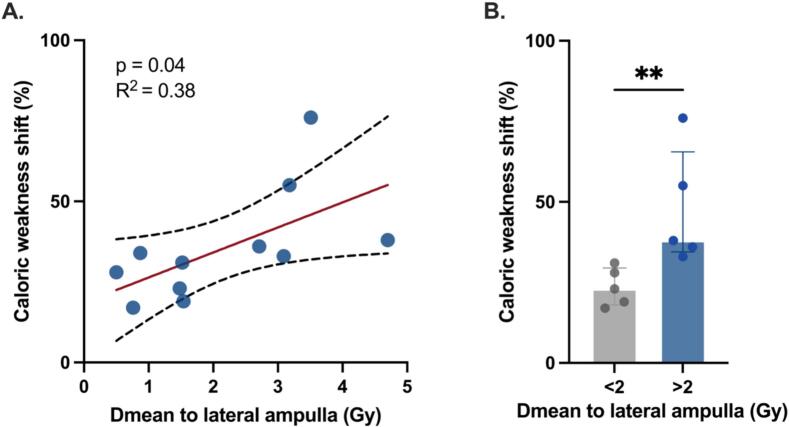 Figure 5
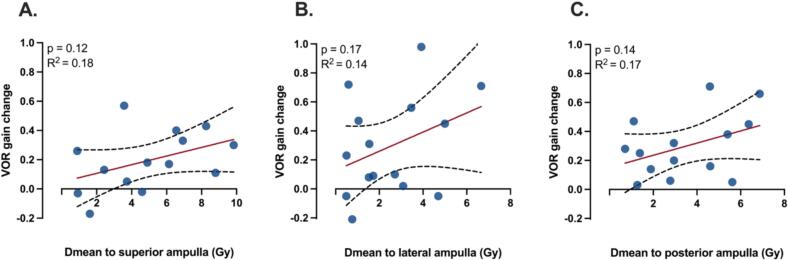 Figure 6
Peer Reviews
No public reviews on file for this paper yet. If you reviewed it on a platform where reviews are public (OpenReview, ICLR, NeurIPS, ICML), you can paste yours below so the community can read it here.
Videos
No videos yet. Explain this paper in a talk, walkthrough, or lecture? Add one.
Taxonomy
TopicsMeningioma and schwannoma management · Vestibular and auditory disorders · Ear and Head Tumors