Humanin improves bone health in a glucocorticoid-treated mouse model of Duchenne muscular dystrophy
Therése Cedervall, Baptiste Jude, Ferdinand von Walden, Lilly Velentza, Johanna T. Lanner, Thomas Sejersen, Farasat Zaman, Lars Sävendahl

TL;DR
Humanin, a mitochondrial peptide, may improve bone health in Duchenne muscular dystrophy mice treated with glucocorticoids.
Contribution
This study shows that humanin can mitigate glucocorticoid-induced bone loss in a DMD mouse model without worsening muscle disease.
Findings
D2.mdx mice showed reduced bone growth and structure compared to wild type.
Humanin co-administration with glucocorticoids prevented bone growth impairment and improved cortical bone parameters.
Humanin did not worsen skeletal muscle pathology and had a mild muscle-enlarging effect.
Abstract
Duchenne muscular dystrophy (DMD) is a progressive muscle disease for which glucocorticoid (GC) treatment is standard therapy. Patients typically suffer from short stature and osteoporosis, caused by the underlying disease and adverse effects of GCs. We investigated whether the mitochondrial peptide humanin (HNG) could prevent GC-induced growth retardation and osteoporosis in mouse models of DMD. Male mdx mice (B10.mdx and D2.mdx) were treated with GCs, with/without HNG, from 5 to 9 weeks of age using two different treatment regimens. Tibial growth was monitored by weekly X-ray imaging; growth plates analyzed with immunohistochemistry and histomorphometry; and bone structure examined using peripheral quantitative computed tomography. Effects on skeletal muscle were evaluated by immunohistochemistry, qPCR, and ex vivo force measurements. D2.mdx, but not B10.mdx, showed decreased bone…
Genes, proteins, chemicals, diseases, species, mutations and cell lines named across the full text — each resolved to its canonical identifier and authoritative record.
Click any figure to enlarge with its caption.
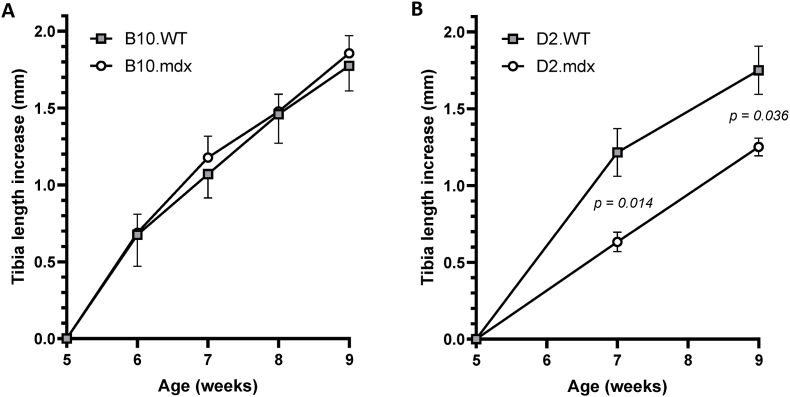 Figure 1
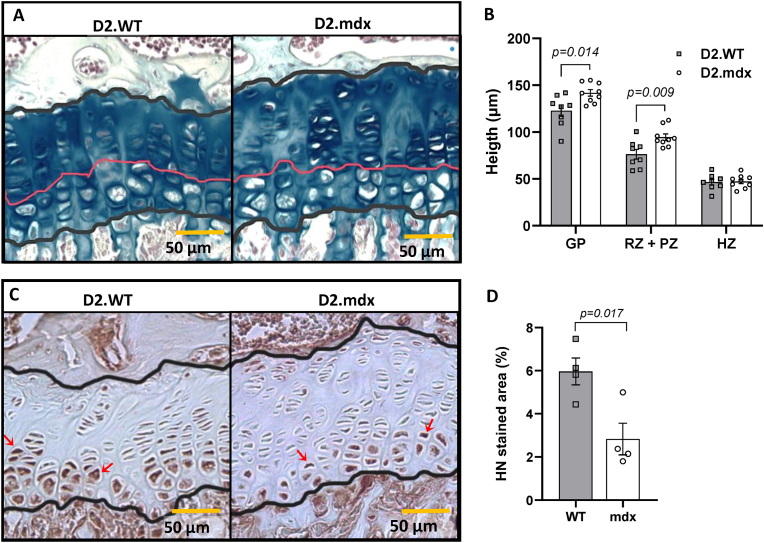 Figure 2
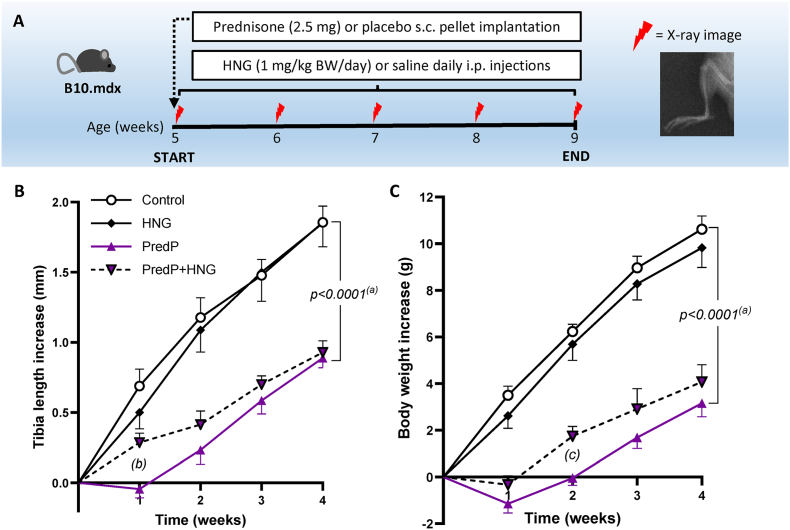 Figure 3
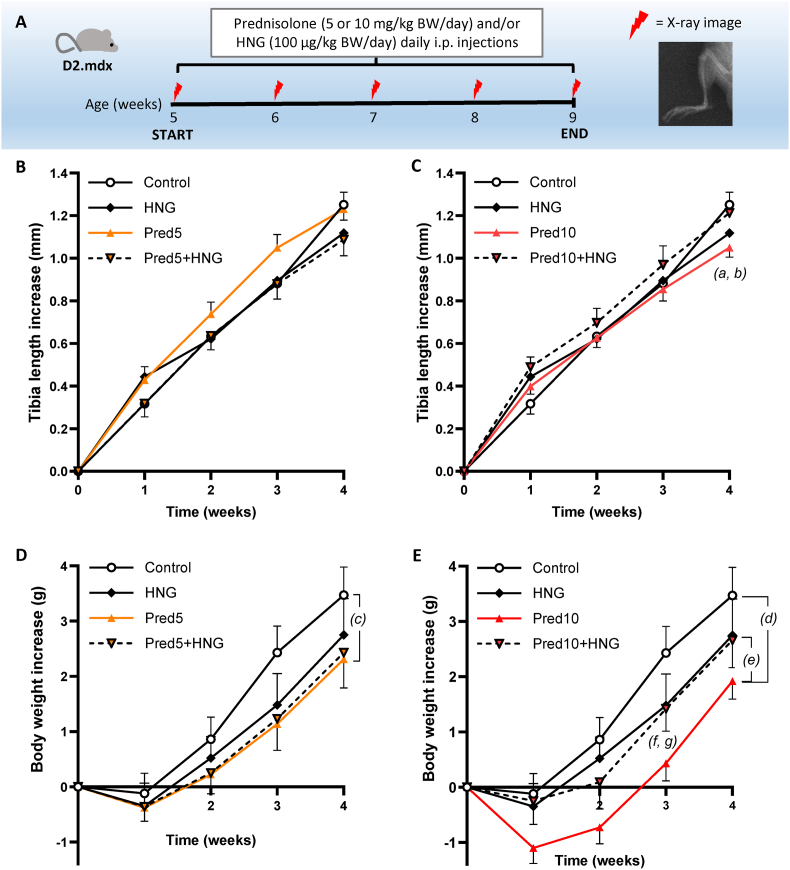 Figure 4
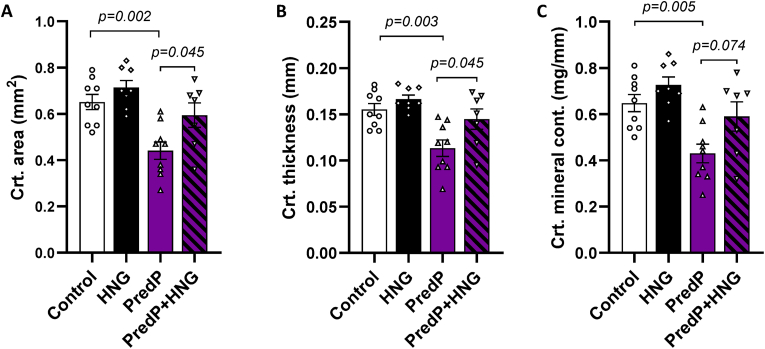 Figure 5
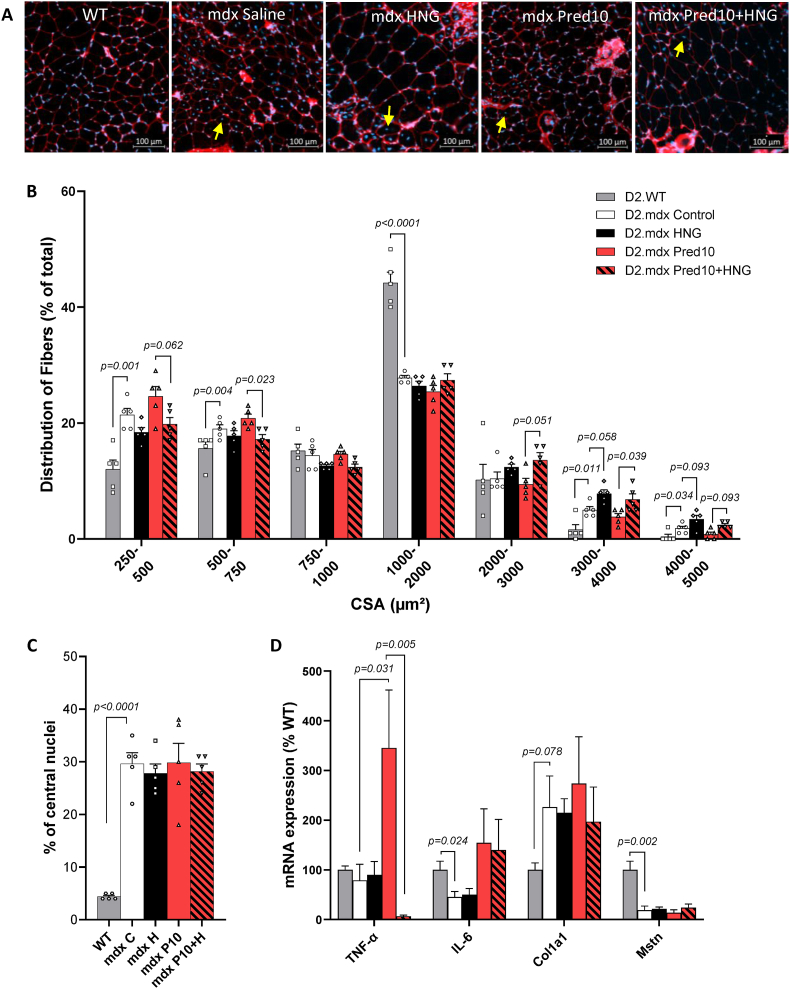 Figure 6
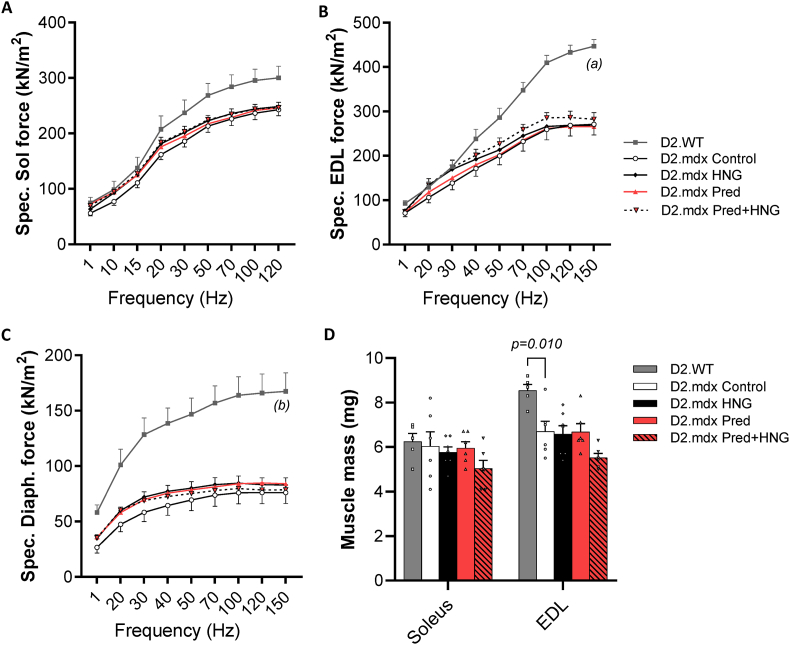 Figure 7
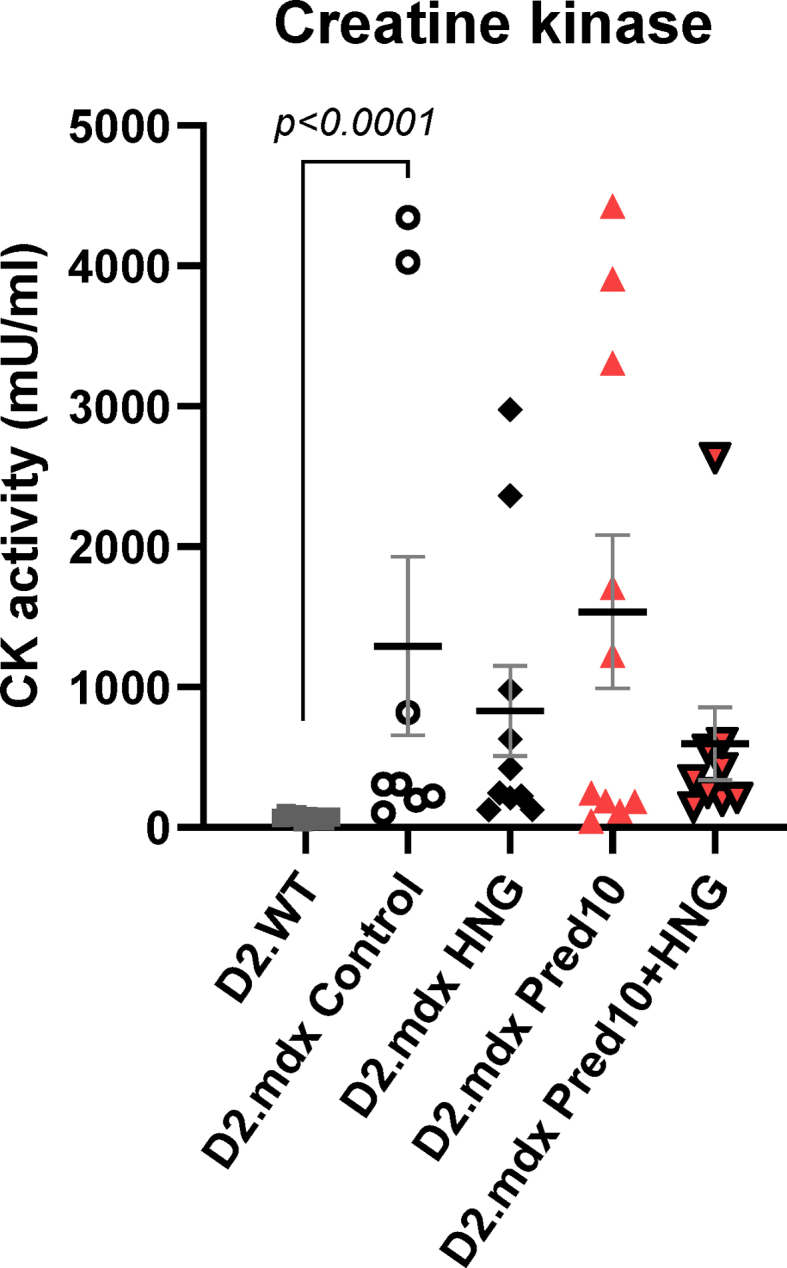 Figure 8
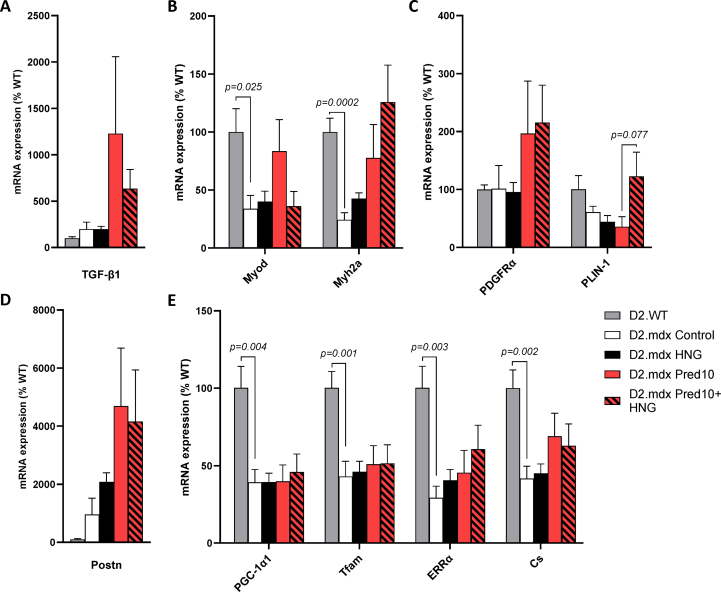 Figure 9
 Figure 10
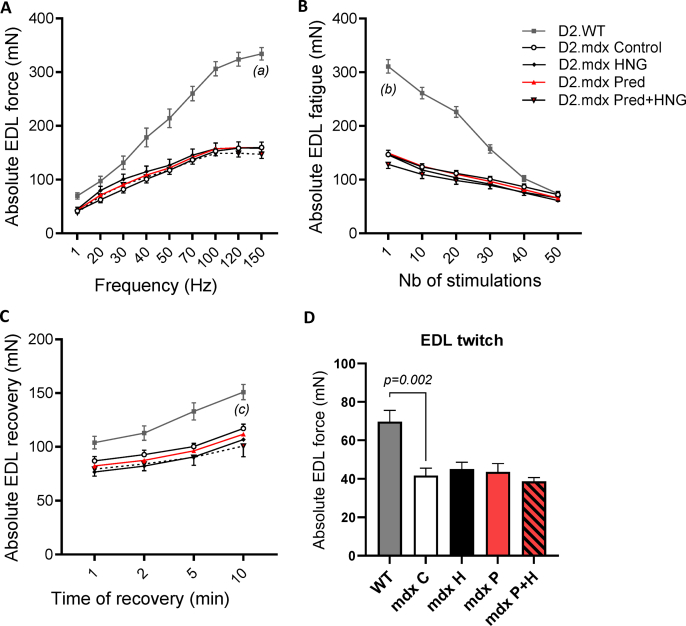 Figure 11
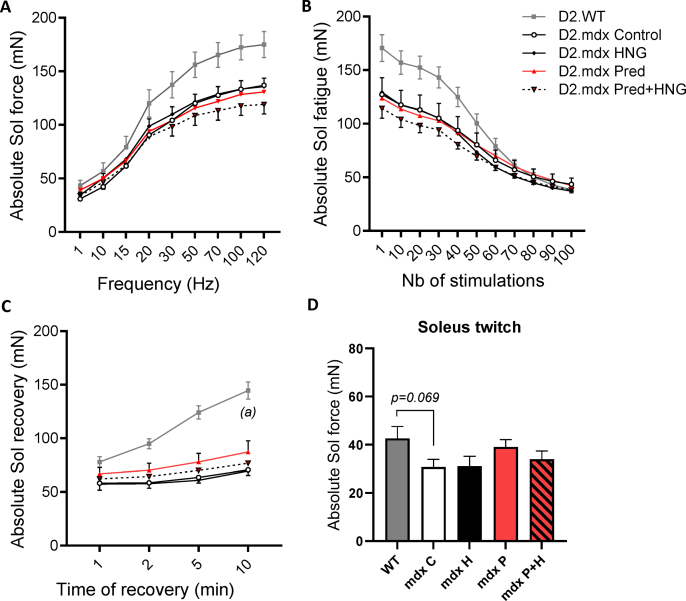 Figure 12
Peer Reviews
No public reviews on file for this paper yet. If you reviewed it on a platform where reviews are public (OpenReview, ICLR, NeurIPS, ICML), you can paste yours below so the community can read it here.
Videos
No videos yet. Explain this paper in a talk, walkthrough, or lecture? Add one.
Taxonomy
TopicsGDF15 and Related Biomarkers · Adipose Tissue and Metabolism · Muscle Physiology and Disorders