A data-driven approach for mitigation of fecal pathogen infections from unsafe WASH practices
Achara Taweesan, Thammarat Koottatep, Thongchai Kanabkaew, Rathanit Sukthanapirat, Chongrak Polprasert

TL;DR
This study identifies optimal WASH thresholds to reduce fecal pathogen infections in Thailand, showing that combined improvements in water, sanitation, and hygiene are more effective than isolated actions.
Contribution
The study introduces a data-driven method combining multilevel modeling and response surface analysis to identify optimal WASH thresholds for infection mitigation.
Findings
Infection prevalence exceeded 40 cases per 1000 in communities with unsafe WASH practices.
Coordinated WASH improvements reduced infection risks more effectively than isolated interventions.
Optimal thresholds include 40% water treatment, 35–40% fecal-sludge emptying, and 80% handwashing compliance.
Abstract
Fecal pathogen infections remain a major public health challenge in low- and middle-income countries, where unsafe water, inadequate sanitation, and poor hygiene persist. Northeastern Thailand continues to experience a high burden of helminth infections linked to deficient water, sanitation, and hygiene (WASH) conditions. Evidence-based identification of combined WASH thresholds is needed to support effective interventions and progress toward Sustainable Development Goal 6. A cross-sectional study was conducted among 520 households across 18 communities in Tongkhop city, Sakon Nakhon Province, Thailand. Primary data from household surveys, key-informant interviews, and field observations were integrated with disease-surveillance records. A multilevel generalized linear model was applied to assess associations between WASH indicators and infection prevalence. Model-predicted outcomes…
Genes, proteins, chemicals, diseases, species, mutations and cell lines named across the full text — each resolved to its canonical identifier and authoritative record.
Click any figure to enlarge with its caption.
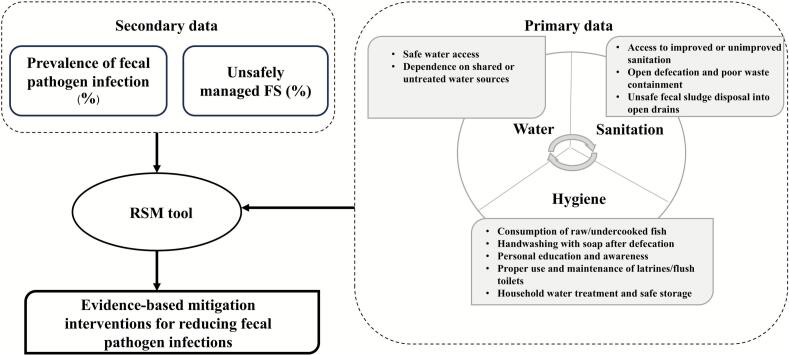 Figure 1
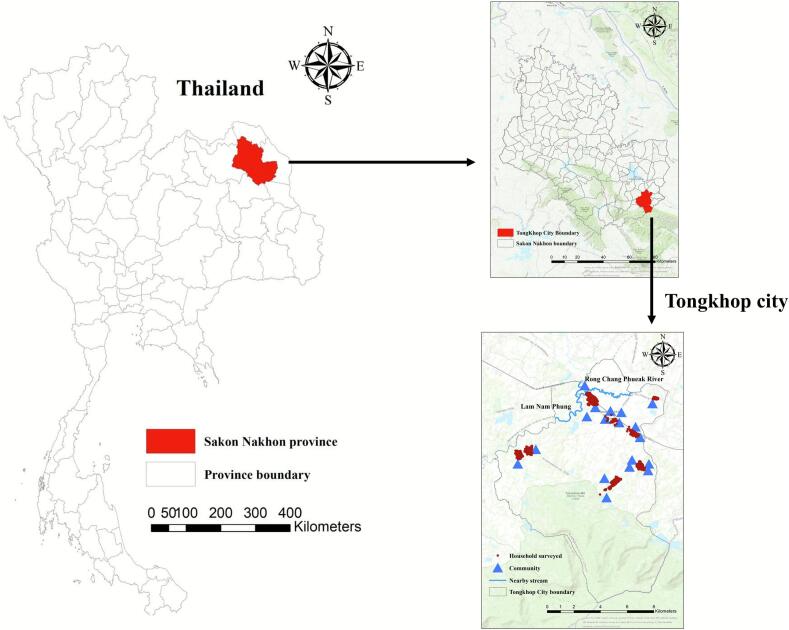 Figure 2
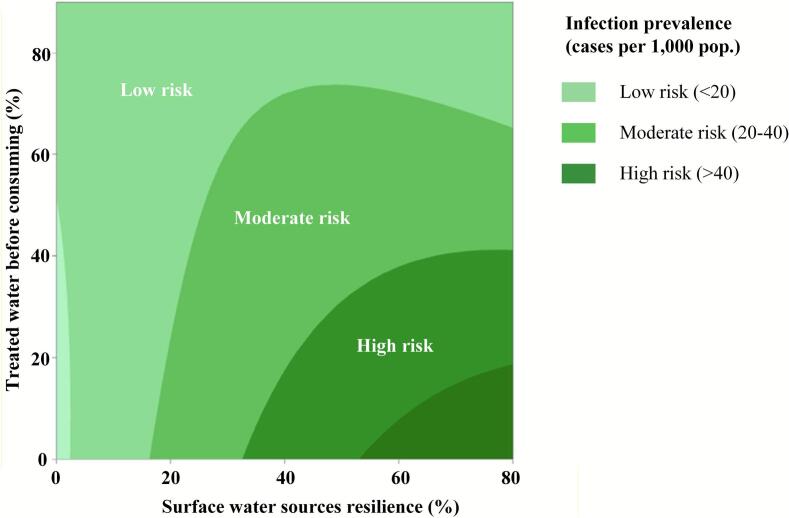 Figure 3
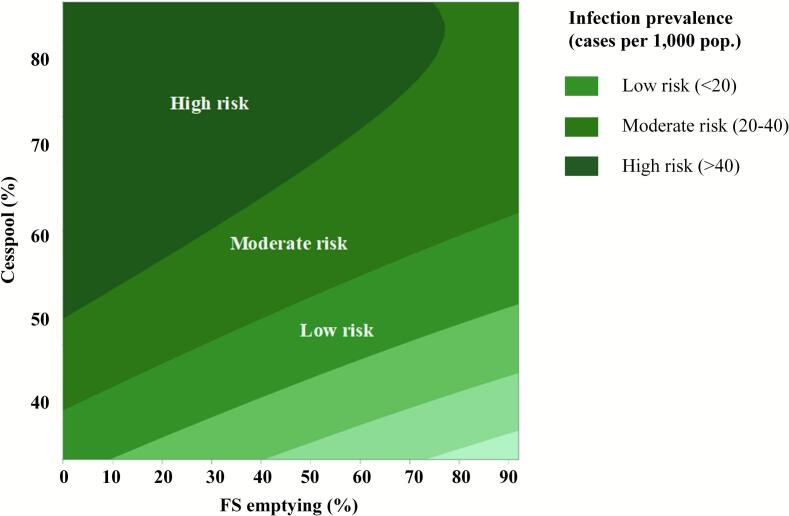 Figure 4
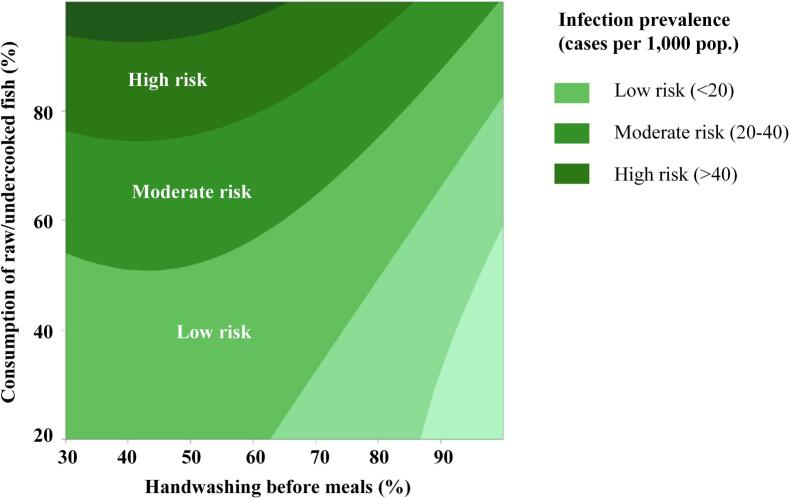 Figure 5
Peer Reviews
No public reviews on file for this paper yet. If you reviewed it on a platform where reviews are public (OpenReview, ICLR, NeurIPS, ICML), you can paste yours below so the community can read it here.
Videos
No videos yet. Explain this paper in a talk, walkthrough, or lecture? Add one.
Taxonomy
TopicsChild Nutrition and Water Access · Fecal contamination and water quality · Parasites and Host Interactions