Widespread mono- and oligoadenylation direct small noncoding RNA maturation versus degradation fates
Cody Ocheltree, Blake Skrable, Anastasia Pimentel, Timothy Nicholson-Shaw, Suzanne R Lee, Jens Lykke-Andersen

TL;DR
The study reveals that small noncoding RNAs in humans undergo mono- or oligoadenylation, which determines whether they mature or degrade.
Contribution
The discovery of widespread mono- and oligoadenylation as key regulators of sncRNA biogenesis fates is novel.
Findings
Oligoadenylation by TENT4A/B is linked to unstable small nucleolar RNAs.
Monoadenylation by TENT2 stabilizes RNA Polymerase-III transcripts and promotes 7SL RNA biogenesis.
Mono- and oligoadenylation have divergent roles in directing sncRNA maturation or degradation.
Abstract
Small noncoding RNAs (sncRNAs) are subject to 3’-end trimming and tailing activities that impact maturation versus degradation decisions during biogenesis. To investigate the dynamics of human sncRNA 3’-end processing at a global level, we performed genome-wide 3’-end sequencing of newly transcribed and steady-state sncRNAs. This revealed widespread post-transcriptional adenylation of newly transcribed sncRNAs, which came in two distinct varieties. One is characterized by oligoadenylation, which is transient, promoted by TENT4A/4B polymerases, and most commonly observed on unstable small nucleolar RNAs that are not fully processed at their 3’-ends. The other is characterized by monoadenylation, which is broadly catalyzed by TENT2 and, in contrast to oligoadenylation, stably accumulates at the 3’-end of sncRNAs, including Polymerase-III-transcribed (Pol-III) RNAs and a subset of small…
Genes, proteins, chemicals, diseases, species, mutations and cell lines named across the full text — each resolved to its canonical identifier and authoritative record.
Click any figure to enlarge with its caption.
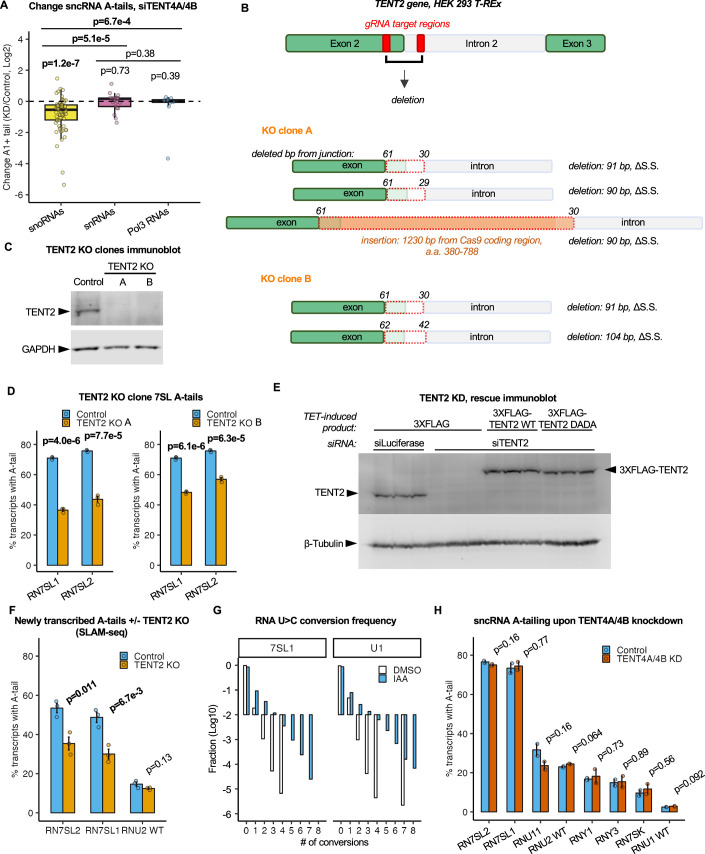 Figure 10
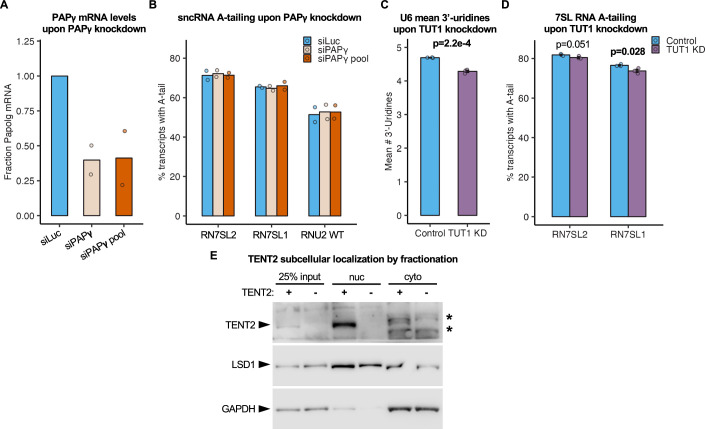 Figure 11
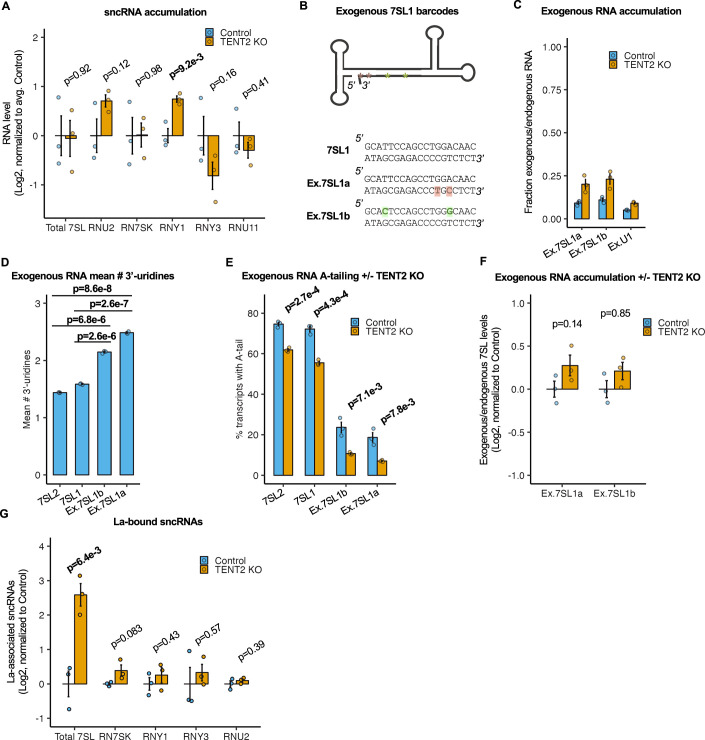 Figure 12
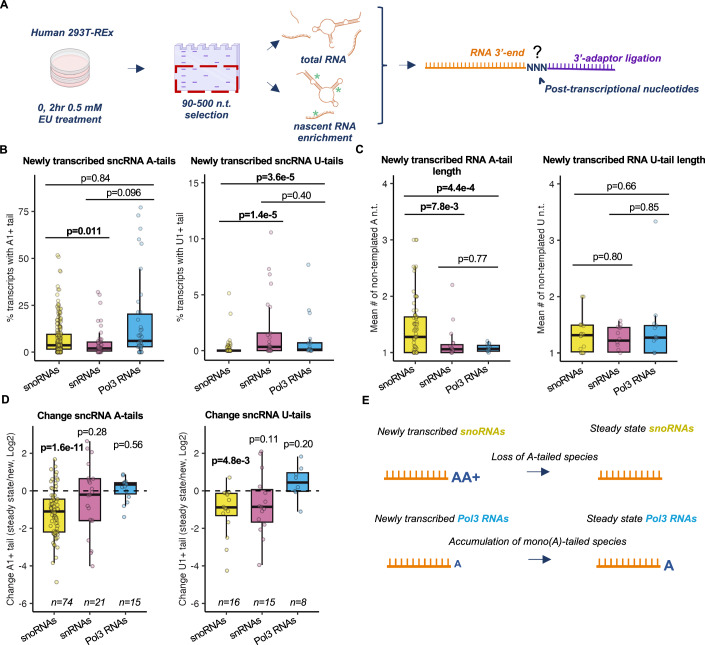 Figure 1
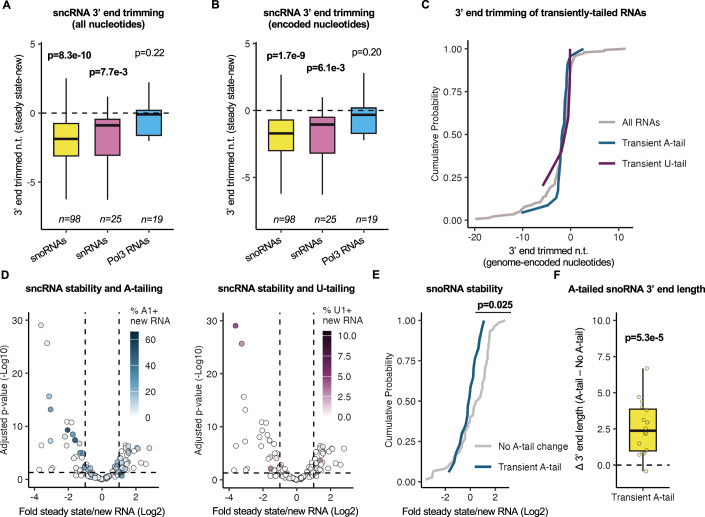 Figure 2
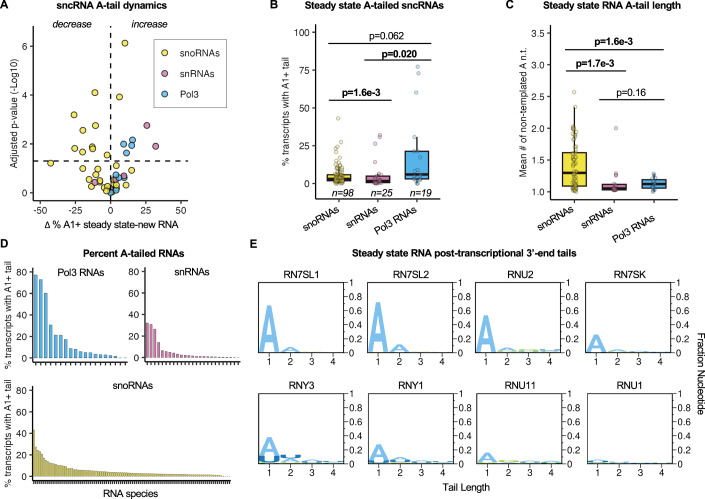 Figure 3
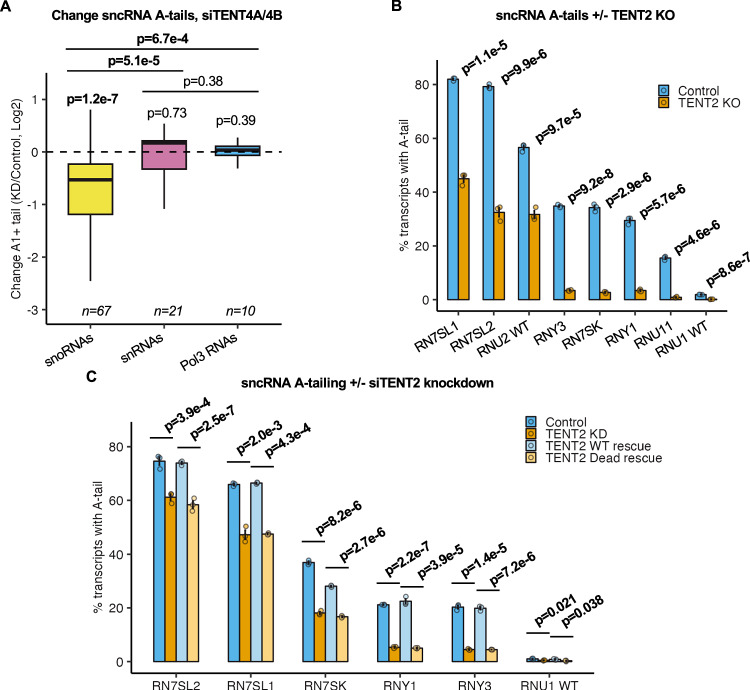 Figure 4
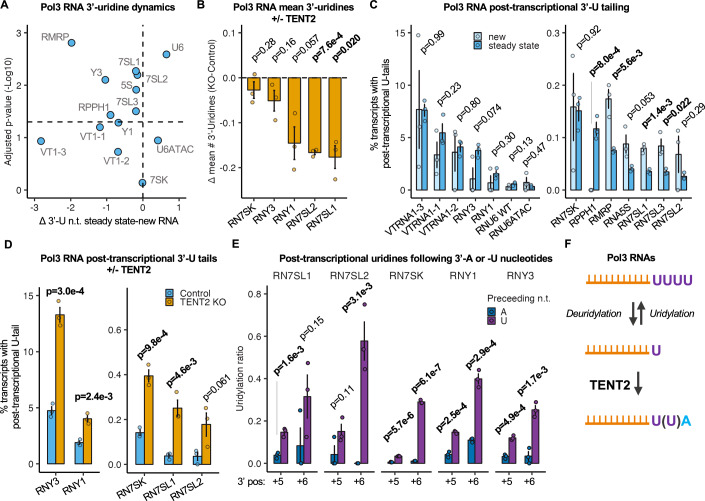 Figure 5
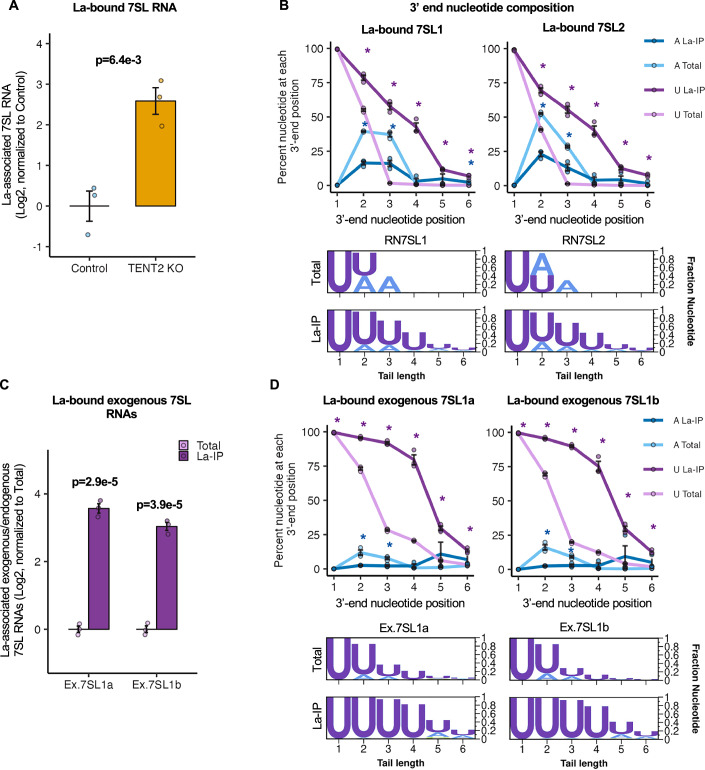 Figure 6
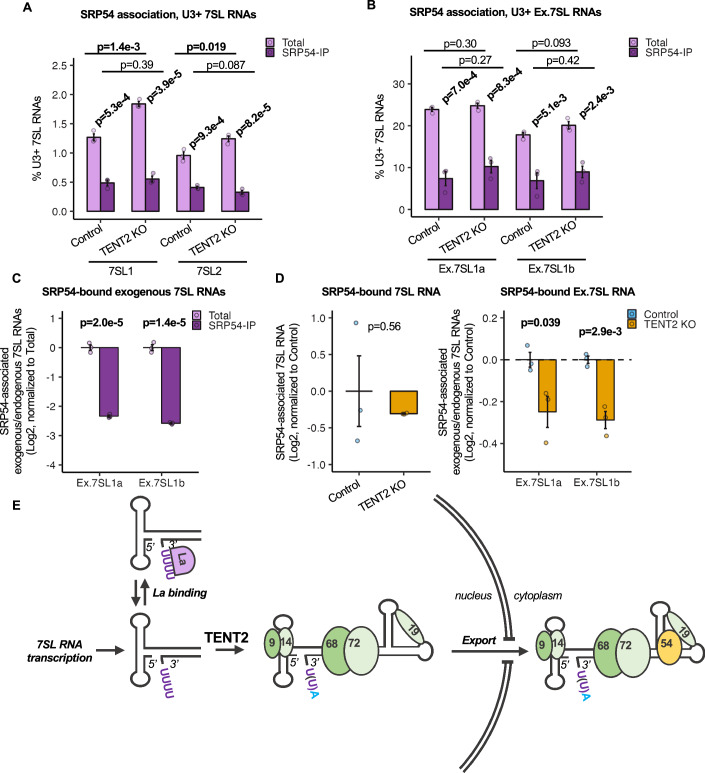 Figure 7
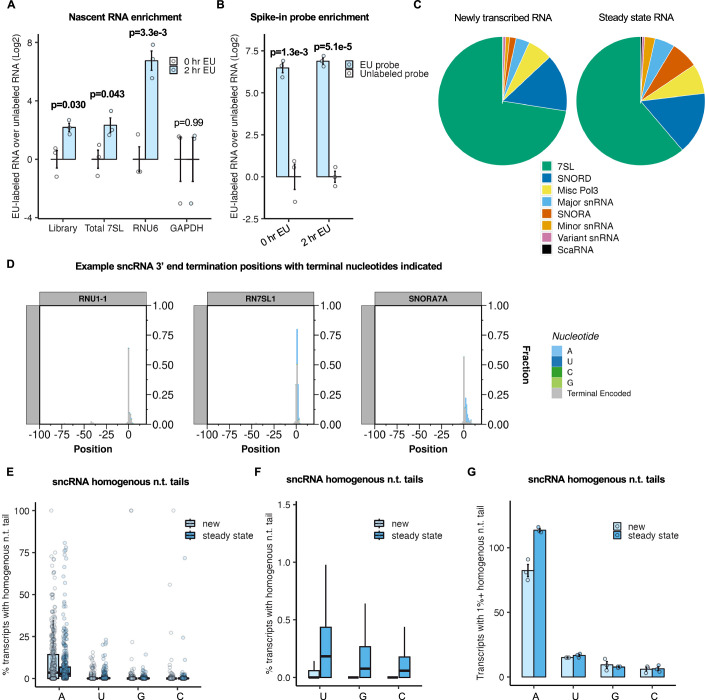 Figure 8
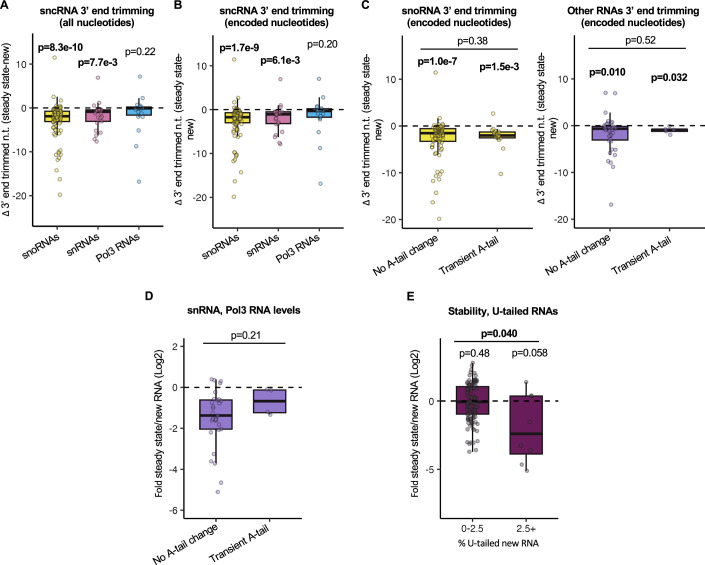 Figure 9
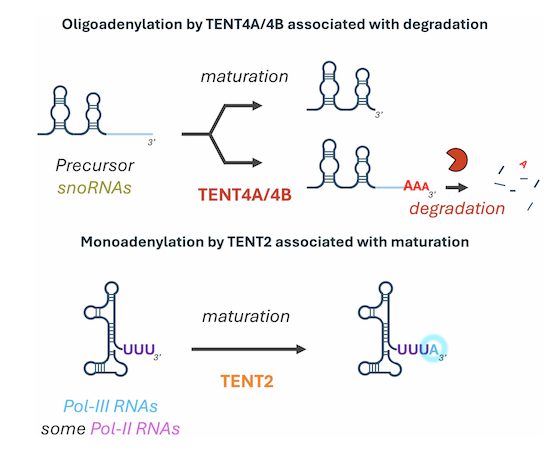 Figure 13
 Figure 14
Peer Reviews
No public reviews on file for this paper yet. If you reviewed it on a platform where reviews are public (OpenReview, ICLR, NeurIPS, ICML), you can paste yours below so the community can read it here.
Videos
No videos yet. Explain this paper in a talk, walkthrough, or lecture? Add one.
Taxonomy
TopicsRNA modifications and cancer · RNA Research and Splicing · Cancer-related molecular mechanisms research