Rapid evolution of a large structural polymorphism during a bacterial epidemic
Eric Dexter, Pascal Angst, Peter D. Fields, Fabian Scheuber, Marlon Henseler, Dieter Ebert

TL;DR
A large genetic variation in Daphnia magna is linked to immune response and rapidly changed during a bacterial outbreak.
Contribution
Discovery of a large structural polymorphism in Daphnia magna associated with immune function and rapid evolutionary change.
Findings
The LSP-5-1.1 haplotype is nearly perfectly correlated with susceptibility to Pasteuria ramosa.
Strong selection against LSP-5-1.1 occurred during a P. ramosa epidemic, increasing population resistance.
Balancing selection suggests counter selection against the resistant form by an unknown mechanism.
Abstract
The field of population genetics is primarily focused on simple genetic variants such as single nucleotide polymorphisms (SNPs), small insertions or deletions (INDELs), and copy-number variants (CNVs). However, large-scale genomic variants are beginning to undergo increased scrutiny as new sequencing methods facilitate their discovery. Here, we report an unusually large and highly variable structural feature in the Daphnia magna genome that is strongly associated with immune function. Alternative forms of this large structural polymorphism (LSP) encompass 2–5 Mb regions where homology is undetectable and that contain largely non-overlapping sets of genes. One haplotype (LSP-5-1.1) shows a near-perfect correlation with susceptibility to a common strain of the virulent bacterium, Pasteuria ramosa, which is a common and widespread parasite of D. magna. Rapid selection against LSP-5-1.1 was…
Genes, proteins, chemicals, diseases, species, mutations and cell lines named across the full text — each resolved to its canonical identifier and authoritative record.
Click any figure to enlarge with its caption.
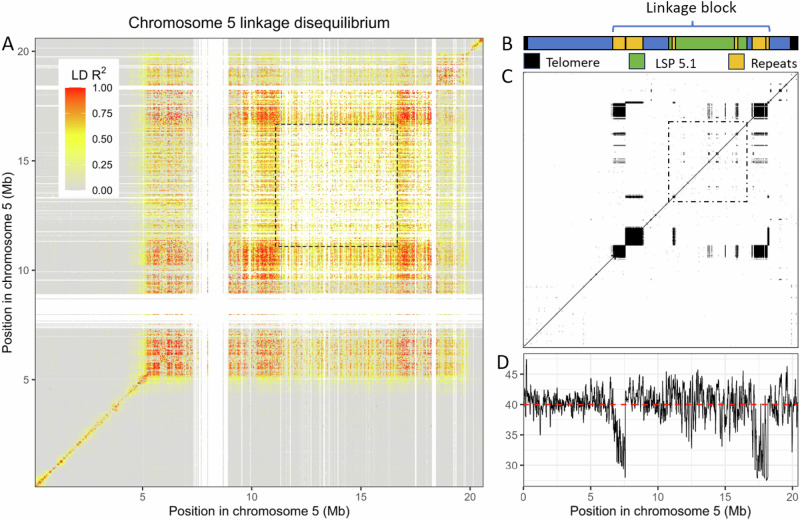 Figure 1
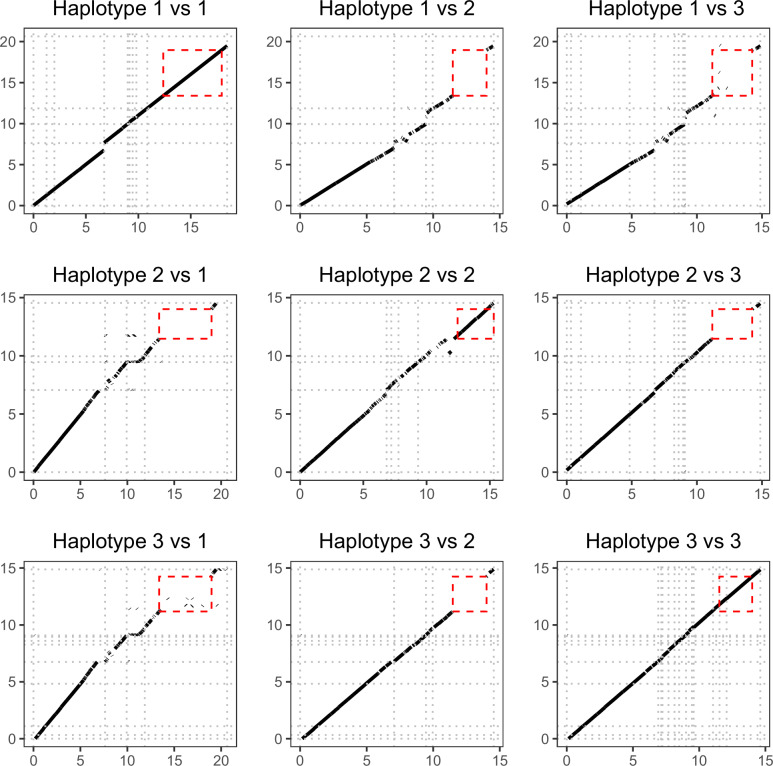 Figure 2
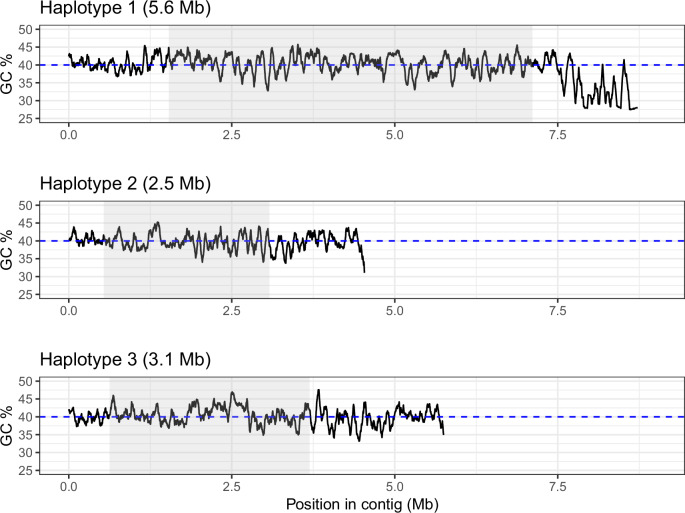 Figure 3
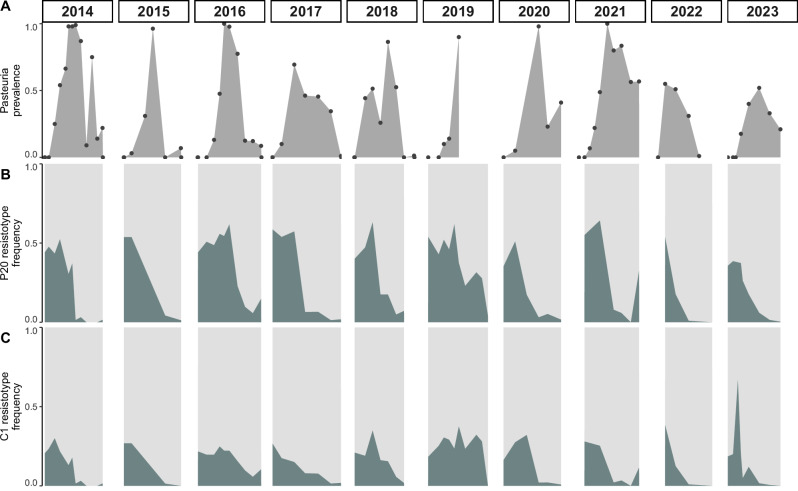 Figure 4
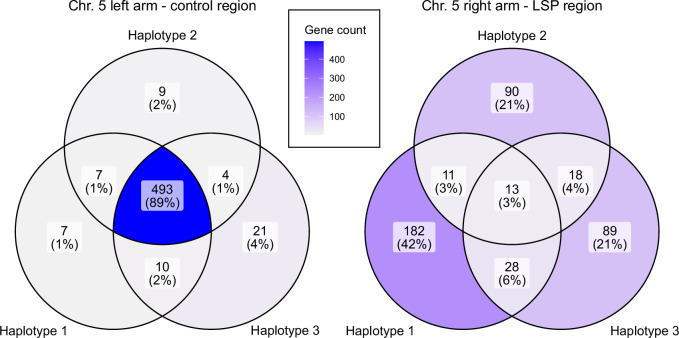 Figure 5
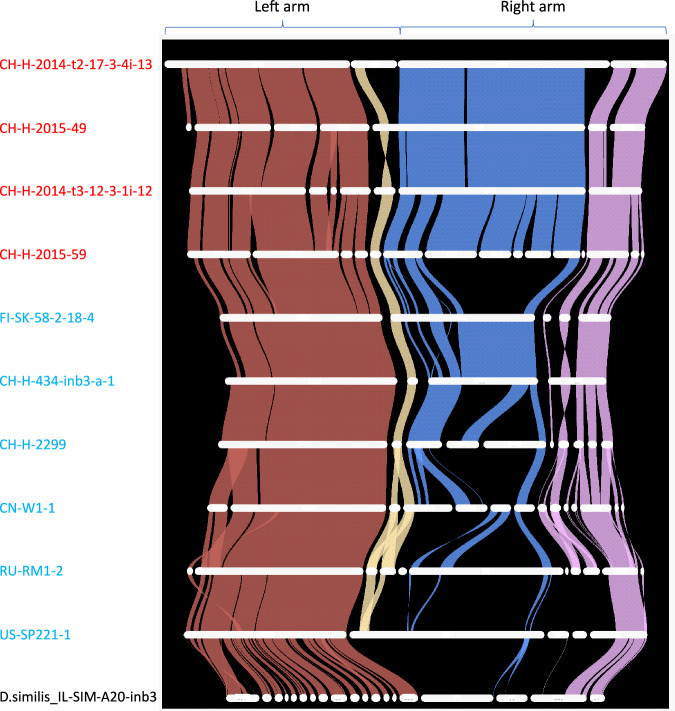 Figure 6
Peer Reviews
No public reviews on file for this paper yet. If you reviewed it on a platform where reviews are public (OpenReview, ICLR, NeurIPS, ICML), you can paste yours below so the community can read it here.
Videos
No videos yet. Explain this paper in a talk, walkthrough, or lecture? Add one.
Taxonomy
TopicsEvolution and Genetic Dynamics · Genomics and Phylogenetic Studies · Vector-borne infectious diseases