ALYREF condensation stabilizes m5C-modified PARP10 mRNA and promotes PI3K-AKT signaling in ovarian cancer
Hongyan Zhao, Qinglv Wei, Zhi Luo, Xiaoyi Liu, Chenyue Yang, Ningxuan Chen, Yuan Wang, Xin Luo, Xinzhao Zuo, Qingya Luo, Yu Yang, Yang Zhou, Jiaqi Liu, Te Zhang, Dan Yang, Yingfei Long, Youchaou Mobet, Jing Xu, Wei Wang, Tao Liu, Ping Yi

TL;DR
A protein called ALYREF helps ovarian cancer grow by protecting a specific RNA modification, leading to increased cancer spread and poor patient outcomes.
Contribution
This study reveals a new role for ALYREF in ovarian cancer through phase separation and m5C RNA modification.
Findings
ALYREF stabilizes and promotes the nuclear export of PARP10 mRNA in ovarian cancer cells.
ALYREF forms condensates that are essential for its tumor-promoting function.
High ALYREF levels correlate with poor prognosis in ovarian cancer patients.
Abstract
The role of epigenetic regulation of RNAs in the tumorigenesis remains incompletely understood. This study uncovers a critical function of the 5-methylcytosine (m5C) RNA modification reader protein ALYREF (also termed, ALY; BEF) in ovarian cancer. ALYREF is elevated in ovarian cancer patient samples, and its depletion reduces ovarian tumorigenesis and metastasis in mice in a m5C-dependent manner. Mechanistically, ALYREF binds to the m5C-modified mRNA of ADP-ribosyltransferase PARP10, competing with exosome complex component MTR4, and enhancing the stability and nuclear export of PARP10 mRNA. Further, ALYREF forms condensates in the nucleus of ovarian cancer cells, and depletion or mutation of ALYREF’s intrinsically disordered regions rescues its control on PARP10 mRNA nucleoplasmic distribution and stability, reduces tumor growth and is required for promotion of ovarian cancer…
Genes, proteins, chemicals, diseases, species, mutations and cell lines named across the full text — each resolved to its canonical identifier and authoritative record.
Click any figure to enlarge with its caption.
 Figure 10
 Figure 11
 Figure 12
 Figure 13
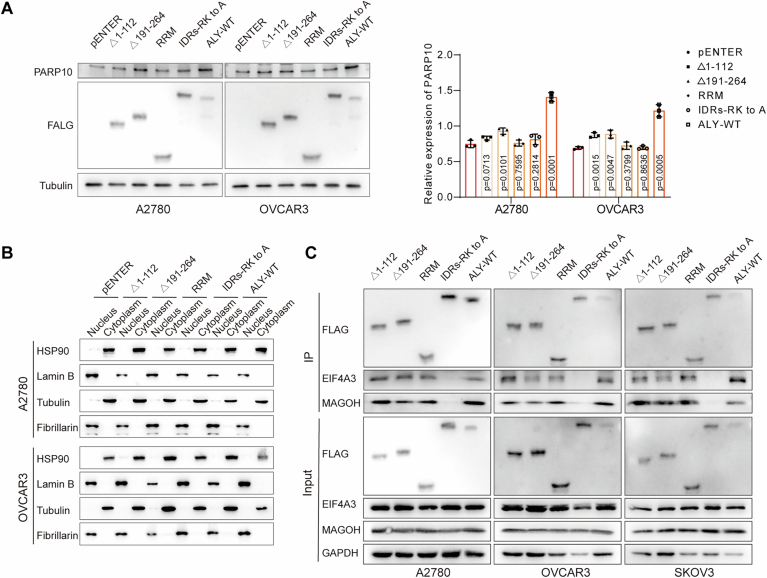 Figure 14
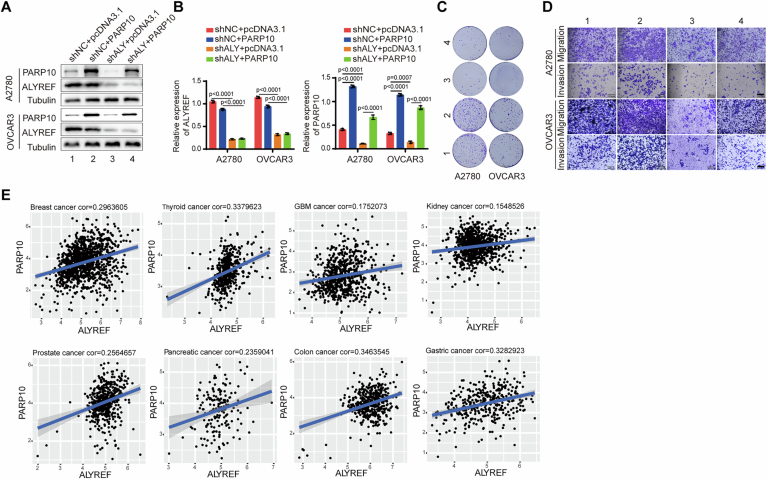 Figure 15
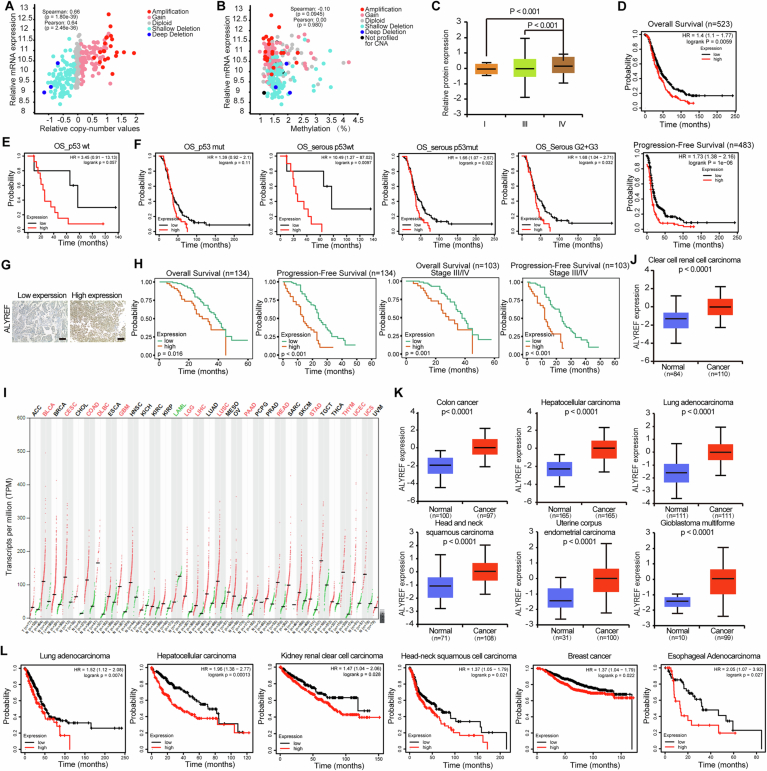 Figure 16
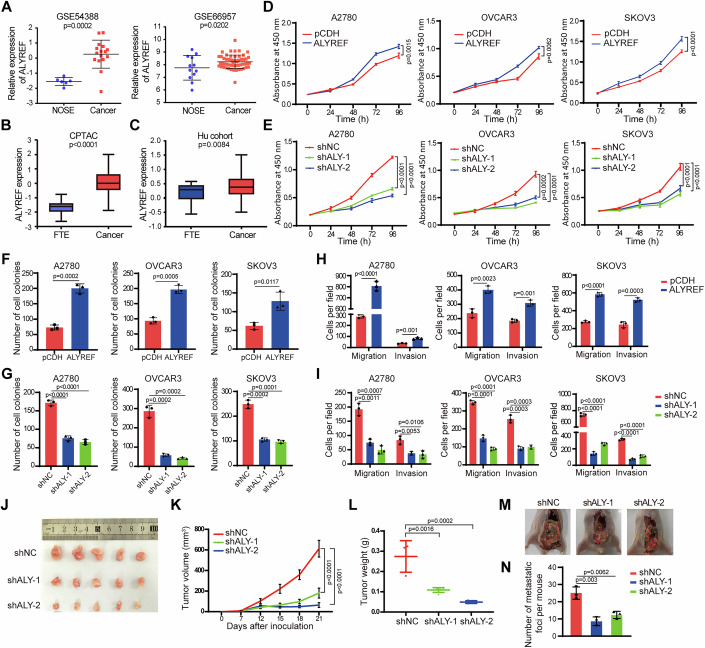 Figure 1
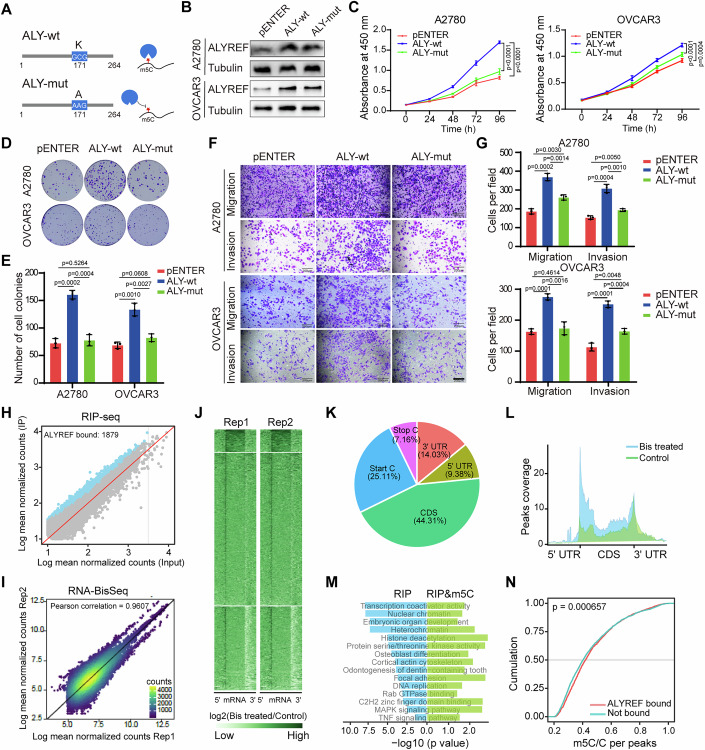 Figure 2
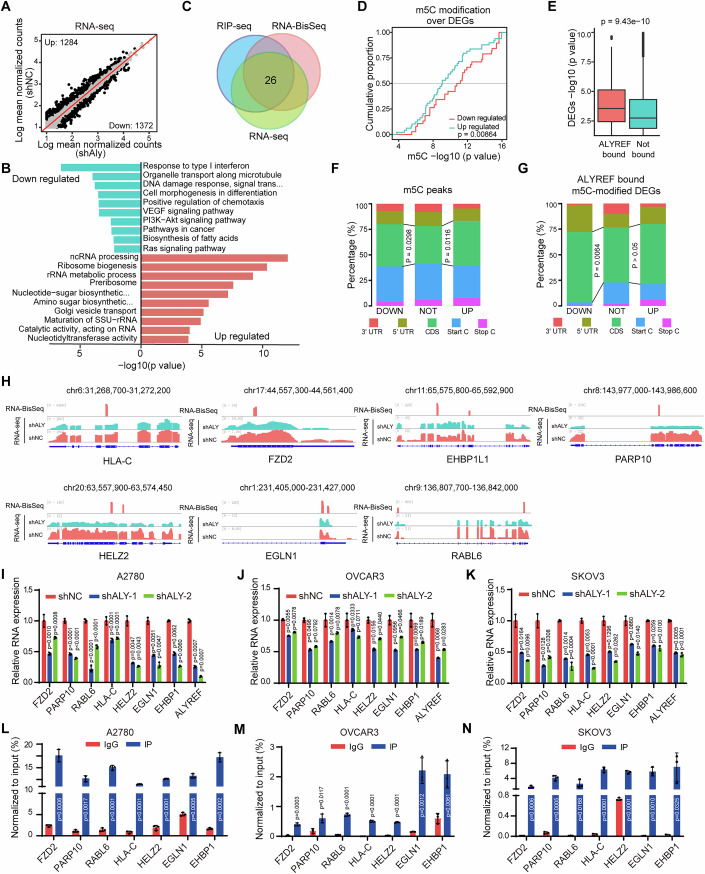 Figure 3
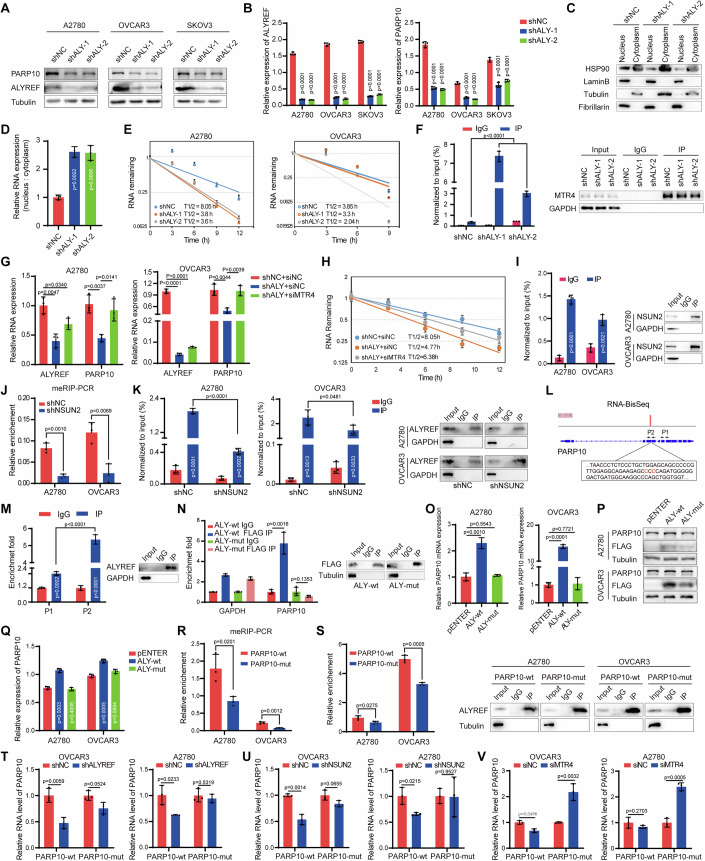 Figure 4
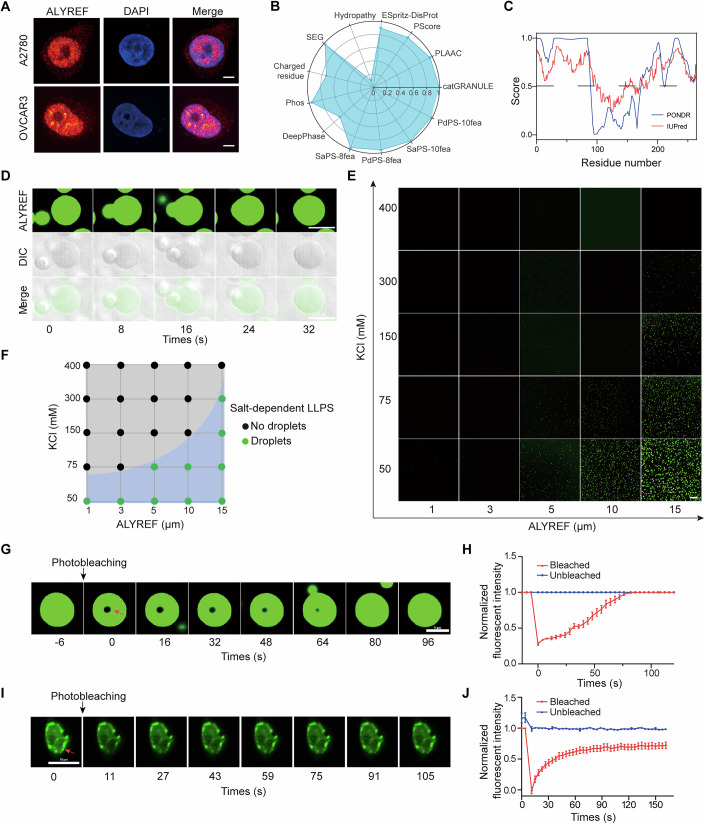 Figure 5
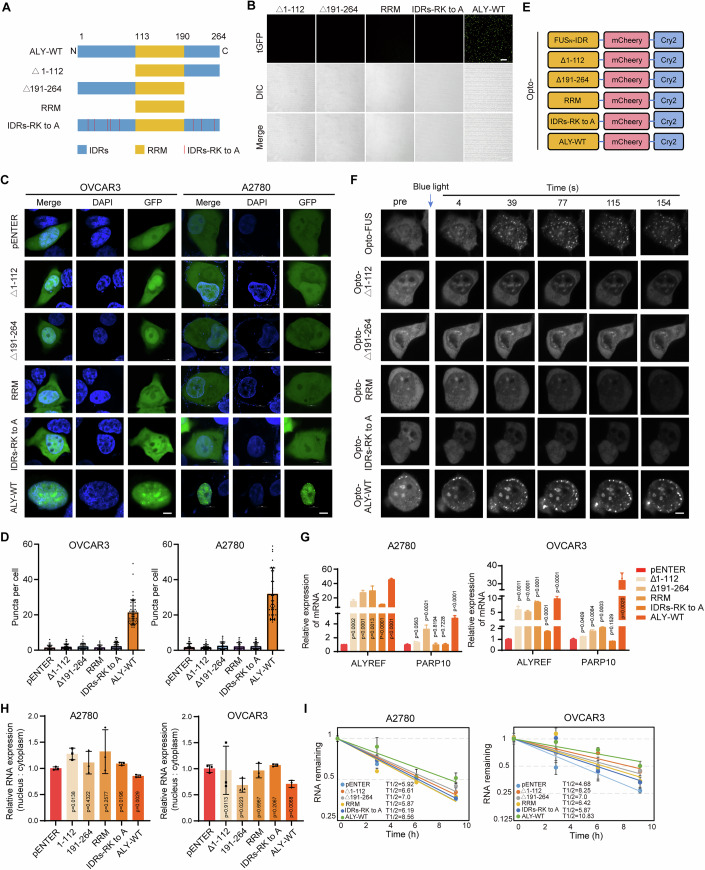 Figure 6
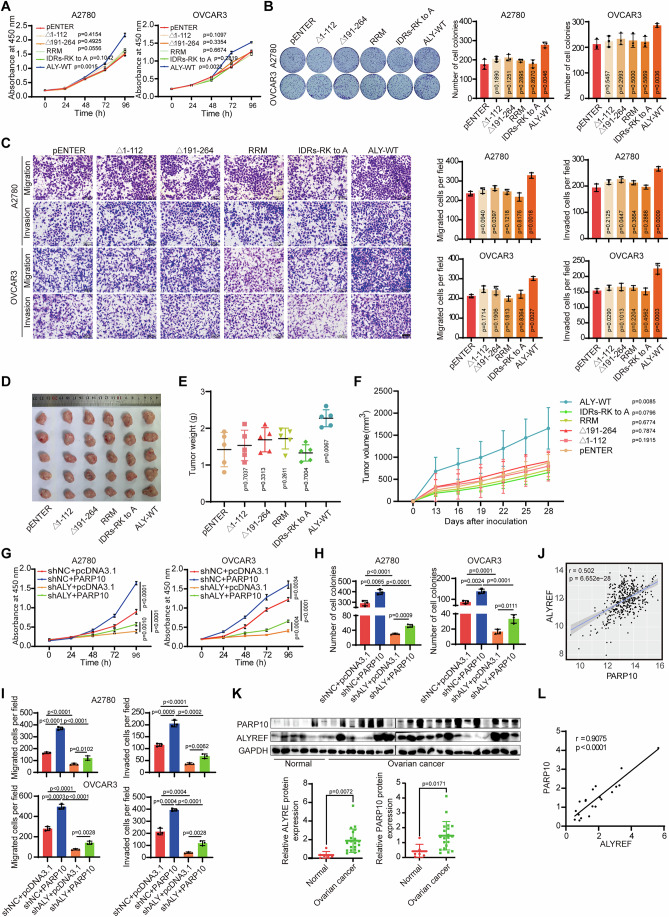 Figure 7
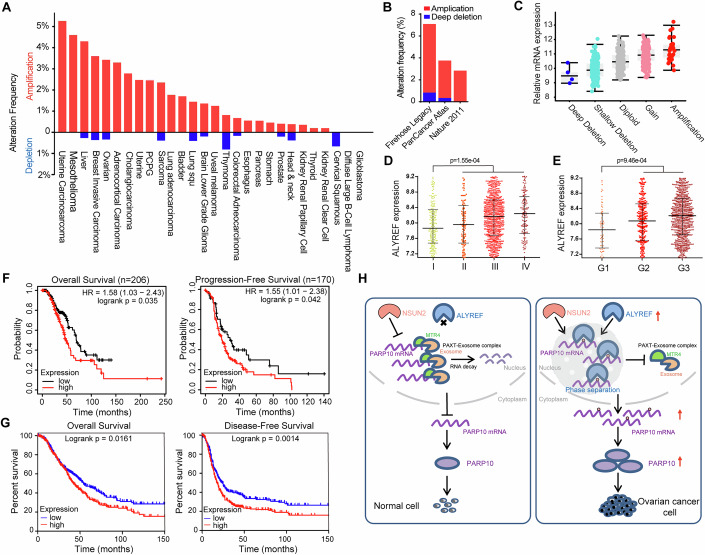 Figure 8
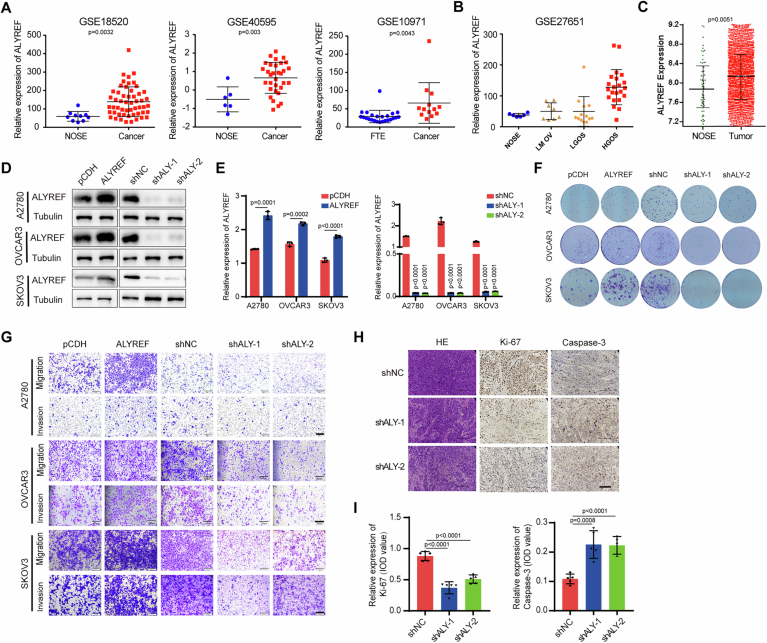 Figure 9
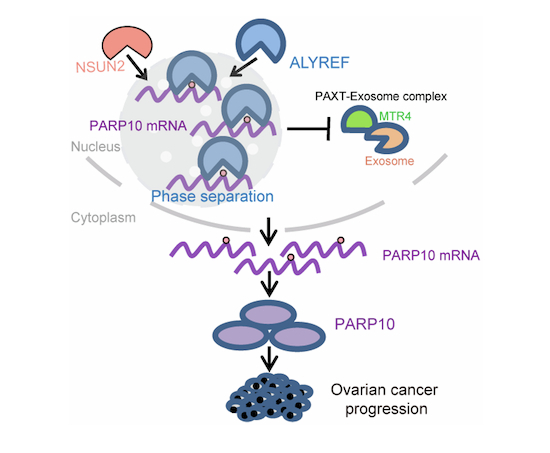 Figure 17
 Figure 18
Peer Reviews
No public reviews on file for this paper yet. If you reviewed it on a platform where reviews are public (OpenReview, ICLR, NeurIPS, ICML), you can paste yours below so the community can read it here.
Videos
No videos yet. Explain this paper in a talk, walkthrough, or lecture? Add one.
Taxonomy
TopicsRNA modifications and cancer · PARP inhibition in cancer therapy · RNA Research and Splicing