Vertical RAS pathway inhibition in pancreatic cancer drives therapeutically exploitable mitochondrial alterations
Philipp Hafner, Steffen J. Keller, Xun Chen, Asma Alrawashdeh, Huda Jumaa, Friederike I. Nollmann, Solène Besson, Judith Kemming, Oliver Gorka, Tonmoy Das, Bismark Appiah, Ariane Lehmann, Mujia Li, Petya Apostolova, Bertram Bengsch, Robert Zeiser, Stefan Tholen, Oliver Schilling

TL;DR
Blocking the RAS pathway in pancreatic cancer causes mitochondrial changes that can be exploited to trigger cell death and slow tumor growth.
Contribution
Identifies mitochondrial vulnerabilities and a triple therapy strategy to overcome resistance in pancreatic cancer.
Findings
Dual SHP2/MEK1/2 inhibition alters mitochondrial mass, function, and ROS homeostasis in pancreatic cancer cells.
Mitochondrial remodeling persists into therapy-resistant states and creates a vulnerability to ferroptosis induction.
Combining SHP2/MEK1/2 inhibition with GPX4 or withaferin A suppresses tumor progression in endogenous models.
Abstract
Oncogenic KRAS mutations drive metabolic reprogramming in pancreatic ductal adenocarcinoma (PDAC). Src-homology 2 domain-containing phosphatase 2 (SHP2) is essential for full KRAS activity, and promising dual SHP2/mitogen-activated protein kinase (MAPK) inhibition is currently being tested in clinical trials. Exploitable metabolic adaptations may contribute to invariably evolving resistance. To understand the metabolic changes induced by dual inhibition, we comprehensively tested human and murine PDAC cell lines, endogenous tumor models, and patient-derived organoids, which are representative of the full spectrum of PDAC molecular subtypes. We found that dual SHP2/mitogen-activated protein kinase kinase (MEK1/2) inhibition induces major alterations in mitochondrial mass and function, impacts reactive oxygen species (ROS) homeostasis and triggers lipid peroxidase dependency. Anabolic…
Genes, proteins, chemicals, diseases, species, mutations and cell lines named across the full text — each resolved to its canonical identifier and authoritative record.
Click any figure to enlarge with its caption.
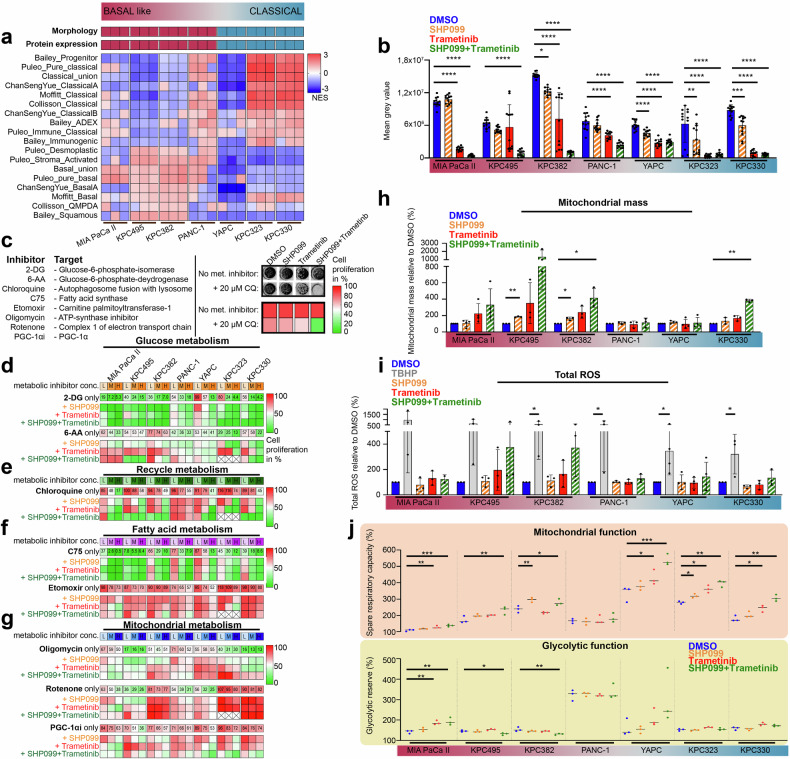 Figure 1
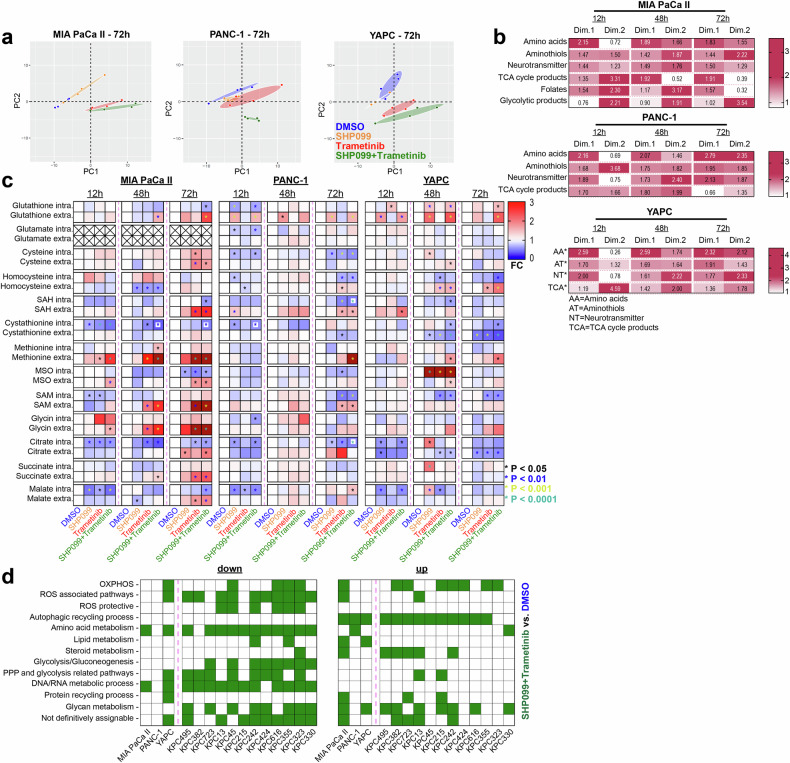 Figure 2
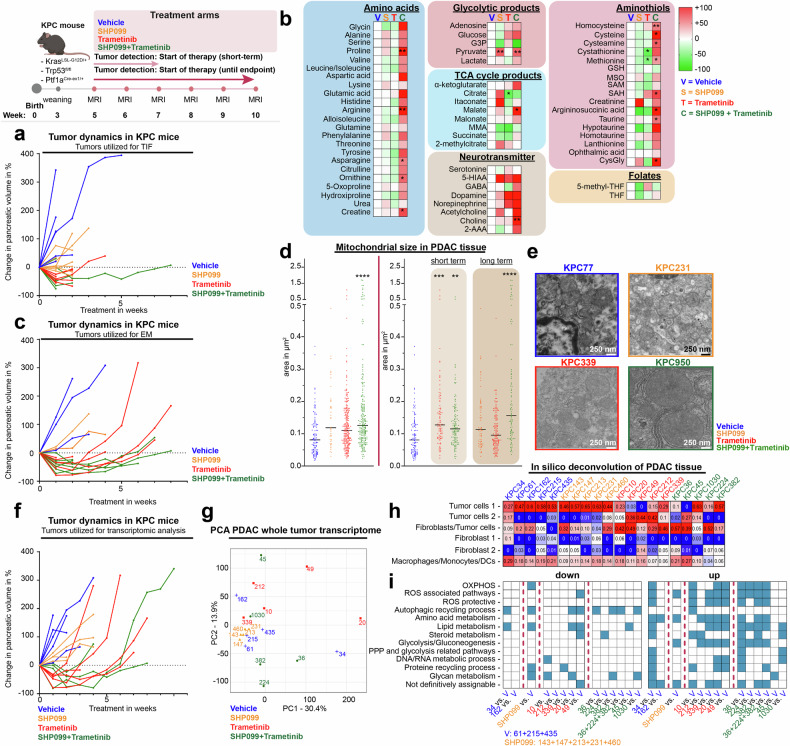 Figure 3
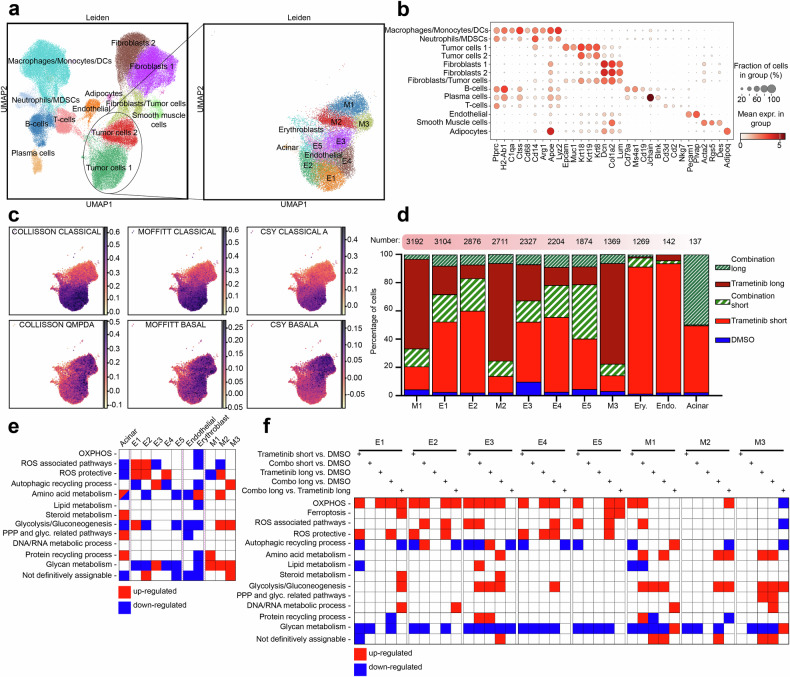 Figure 4
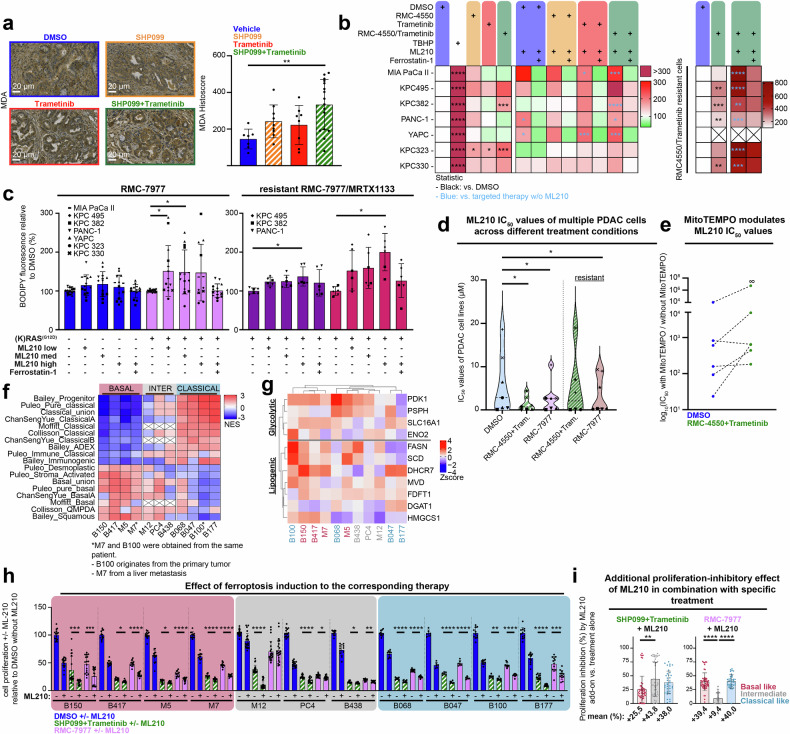 Figure 5
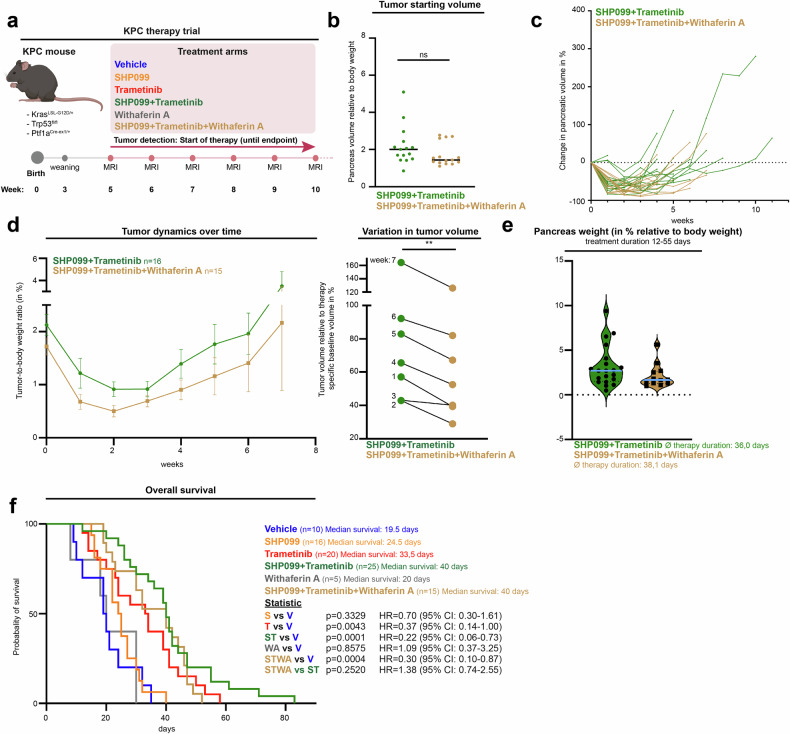 Figure 6
Peer Reviews
No public reviews on file for this paper yet. If you reviewed it on a platform where reviews are public (OpenReview, ICLR, NeurIPS, ICML), you can paste yours below so the community can read it here.
Videos
No videos yet. Explain this paper in a talk, walkthrough, or lecture? Add one.
Taxonomy
TopicsFerroptosis and cancer prognosis · Protein Tyrosine Phosphatases · FOXO transcription factor regulation