Enhancing abdominal wall healing using an oriented polycaprolactone microfibrous scaffold prepared using the fiber drawing method: A rabbit model study
Michala Klusáček Rampichová, Kateřina Strnadová, M. Plencner, L. Stanislav, A. Litvinec, Z. Tonar, T. Blassová, M. Otáhal, E. Filová, D. Lukáš, V. Jenčová

TL;DR
This study shows that a new biodegradable scaffold improves abdominal wall healing in rabbits, potentially reducing hernia recurrence after surgery.
Contribution
A novel aligned microfibrous scaffold using PCL is developed and shown to enhance tissue regeneration and mechanical strength in abdominal wall repair.
Findings
The scaffold significantly increased tensile modulus in vivo compared to control wounds.
Histological analysis showed denser and more organized collagen deposition in scaffold-treated areas.
Higher microvessel density was observed, indicating improved vascular integration.
Abstract
Incisional hernia is a common postoperative complication following abdominal surgery. Despite the use of synthetic meshes, recurrence rates remain high. This study aimed to develop and evaluate a biodegradable, aligned microfibrous scaffold to support wound healing and strengthen abdominal wall repair. Scaffolds were fabricated from poly(ε-caprolactone) (PCL) using a controlled fiber-drawing technique to produce highly aligned microfibers with reproducible thickness and architecture. Their biocompatibility was examined in vitro using fibroblasts through adhesion and proliferation assays. For in vivo evaluation, the scaffolds were implanted over standardized abdominal wall incisions in rabbits. After six weeks, the regenerated tissue was harvested for mechanical testing to determine tensile strength and elasticity, while histological and immunohistochemical analyses assessed collagen…
Genes, proteins, chemicals, diseases, species, mutations and cell lines named across the full text — each resolved to its canonical identifier and authoritative record.
Click any figure to enlarge with its caption.
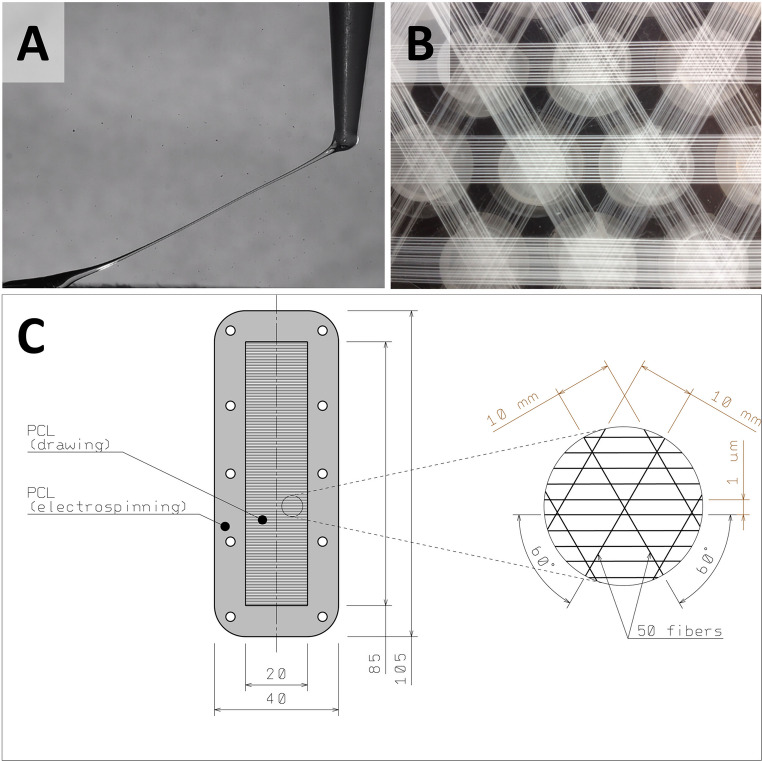 Figure 1
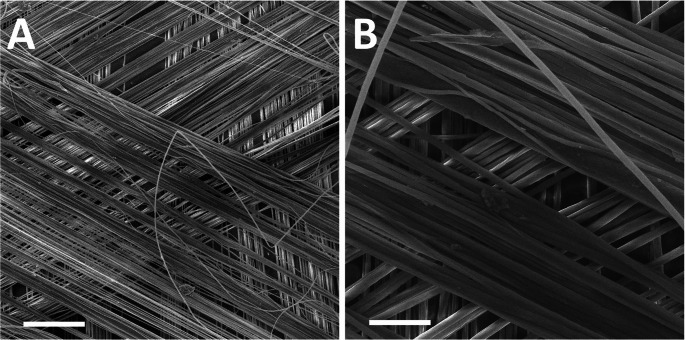 Figure 2
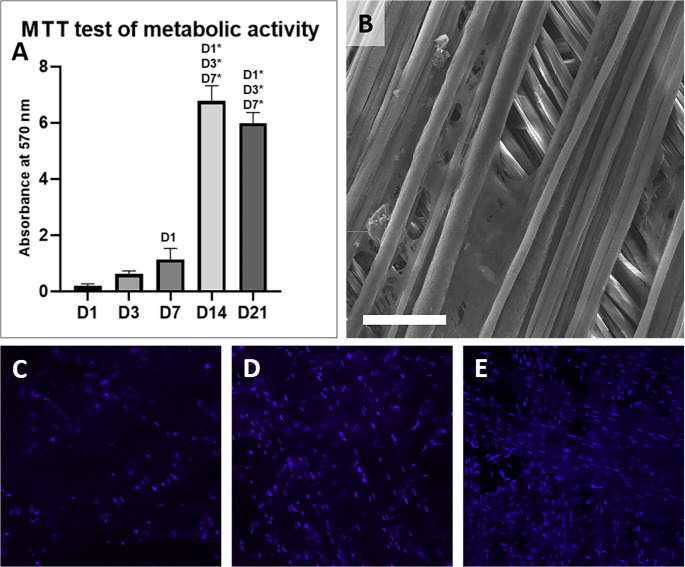 Figure 3
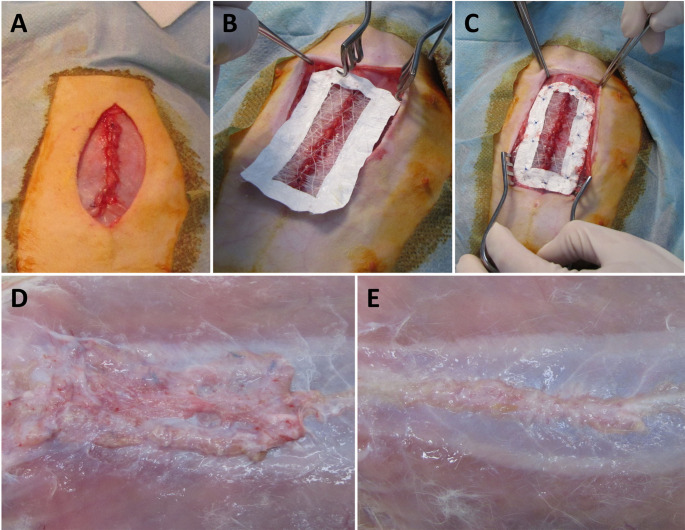 Figure 4
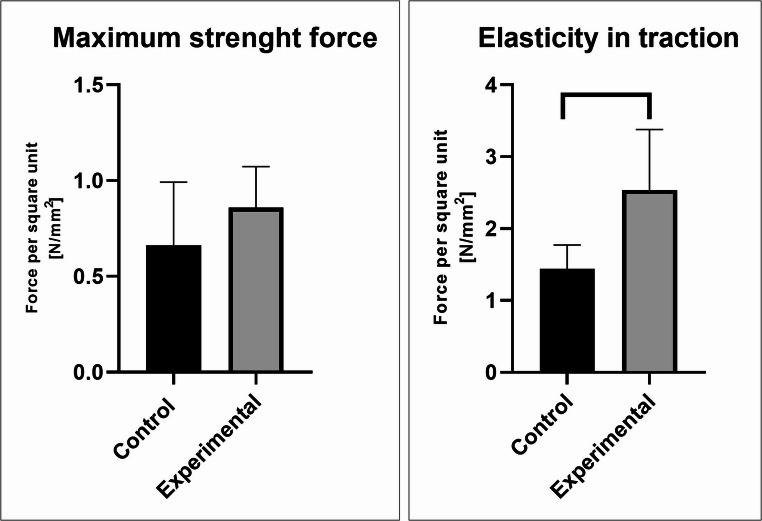 Figure 5
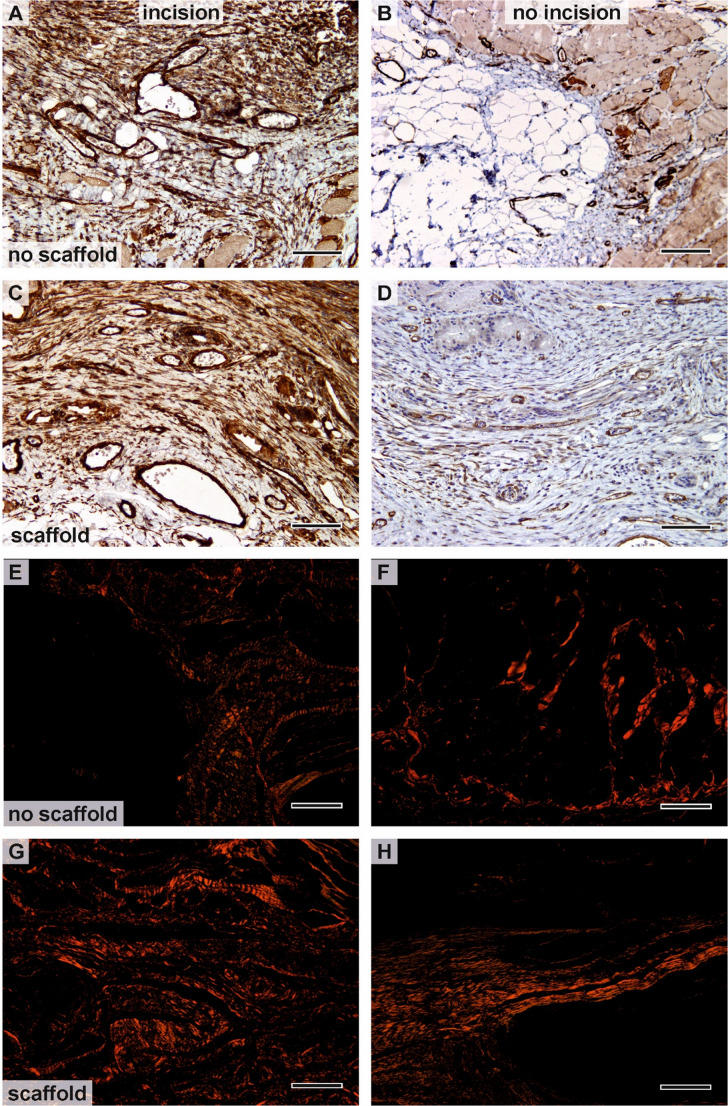 Figure 6
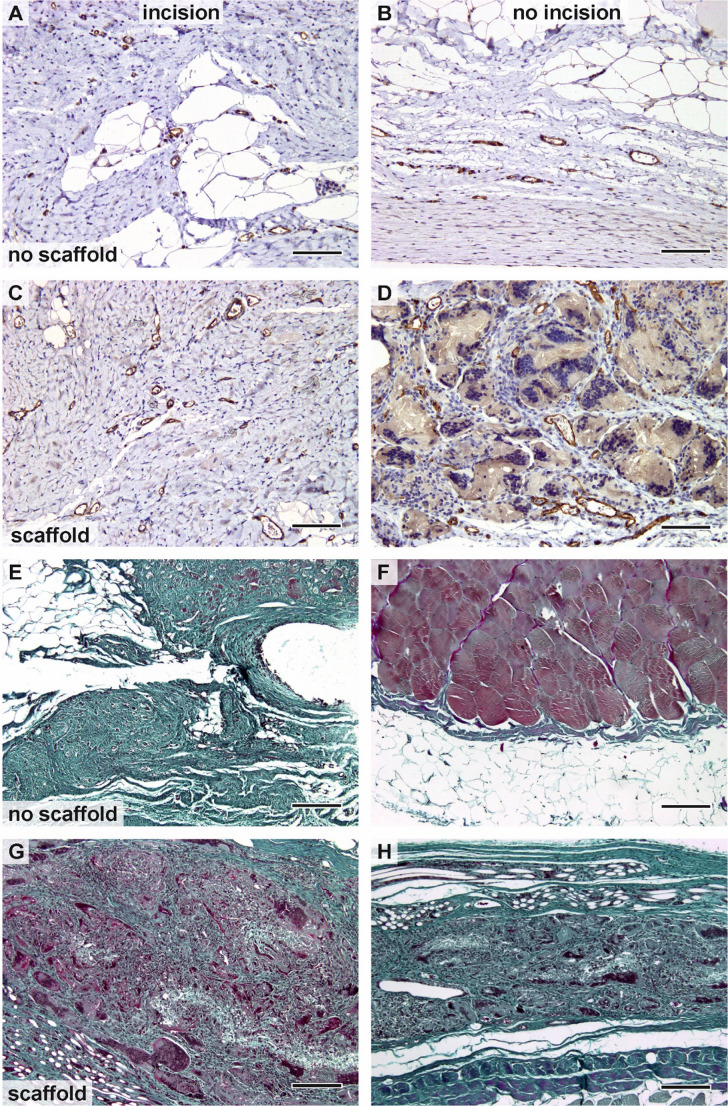 Figure 7
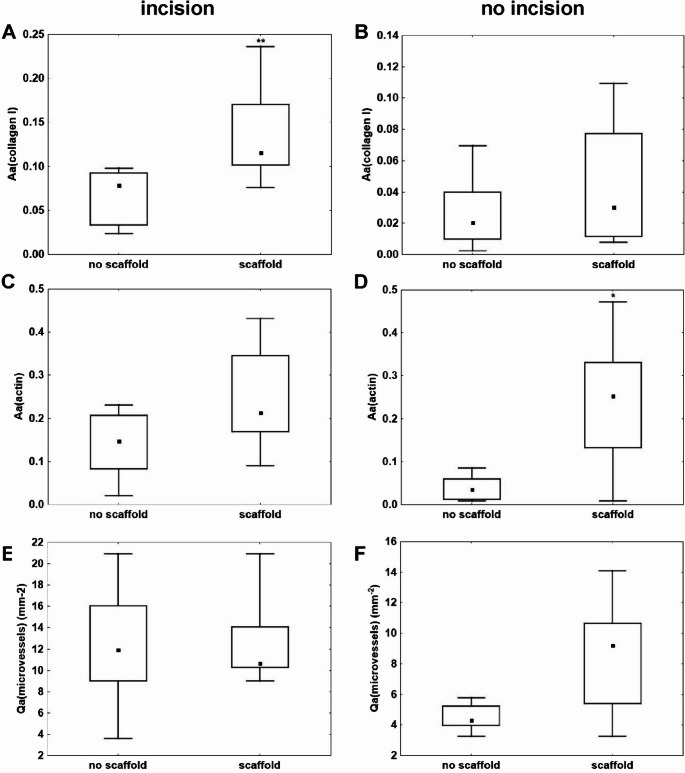 Figure 8
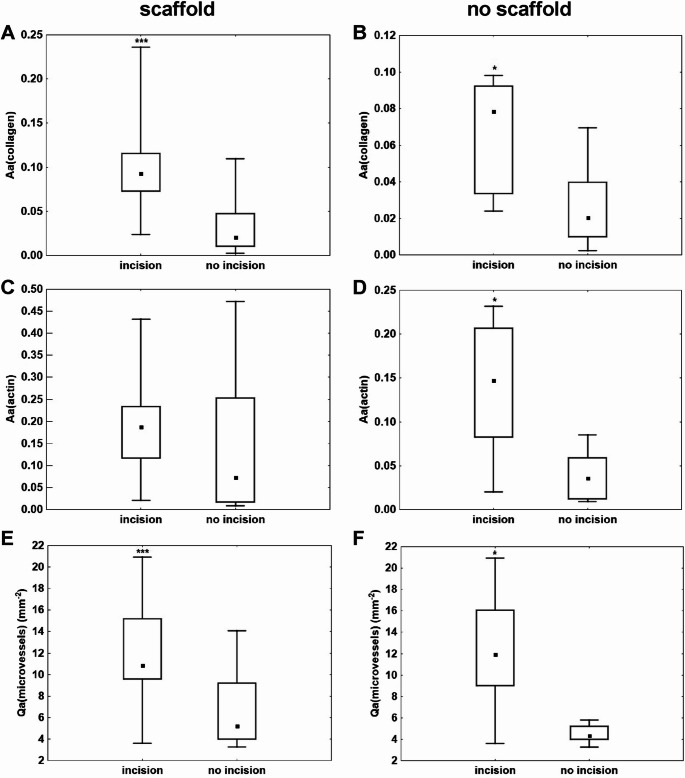 Figure 9
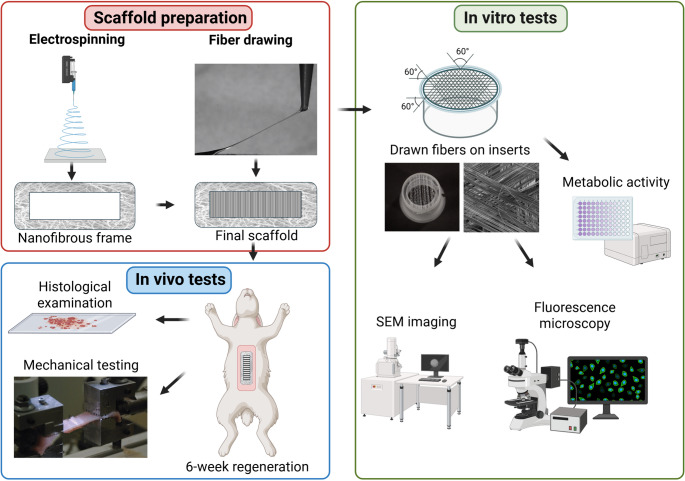 Figure 10
Peer Reviews
No public reviews on file for this paper yet. If you reviewed it on a platform where reviews are public (OpenReview, ICLR, NeurIPS, ICML), you can paste yours below so the community can read it here.
Videos
No videos yet. Explain this paper in a talk, walkthrough, or lecture? Add one.
Taxonomy
TopicsHernia repair and management · Intestinal and Peritoneal Adhesions · Surgical Sutures and Adhesives