Regulation of stress tolerance by CREB1 sustains multiple myeloma cell survival
Ruchi Kudalkar, Johnathan Altom, Joshua Galloway, Vincent Manning, Sara Taranto, Francesca Cottini

TL;DR
The paper shows how CREB1 helps multiple myeloma cells survive stress and identifies TXNIP as a potential new target for treatment.
Contribution
The study reveals CREB1's role in stress tolerance and identifies TXNIP inhibition as a novel therapeutic strategy for high-risk multiple myeloma.
Findings
CREB1 regulates proteins involved in stress clearance, UPR, and autophagy in multiple myeloma cells.
High CREB1 expression correlates with stress-related gene activation in multiple myeloma patients.
TXNIP inhibition is toxic to multiple myeloma cells and disrupts UPR and autophagy.
Abstract
Multiple myeloma (MM) cells originate from antibody-producing plasma cells and endure chronic oxidative and proteotoxic stress due to the excessive production of immunoglobulins and free light chains. We previously demonstrated that CD56 (also known as neuronal cell adhesion molecule 1) promotes cAMP-responsive element binding (CREB1) activation in MM cells to drive survival, without fully elucidating its mechanism of action. In this study, we describe the global role of CREB1 in regulating tolerance to cellular stresses in MM. Here, we present data to demonstrate that CREB1 directly or indirectly influences key proteins involved in the clearance of oxidants, the unfolded protein response (UPR), and autophagy. In silico data from real patients with MM showed that patients with high CREB1 expression have greater activation of gene sets associated with endurance of stress. We confirmed by…
Genes, proteins, chemicals, diseases, species, mutations and cell lines named across the full text — each resolved to its canonical identifier and authoritative record.
Click any figure to enlarge with its caption.
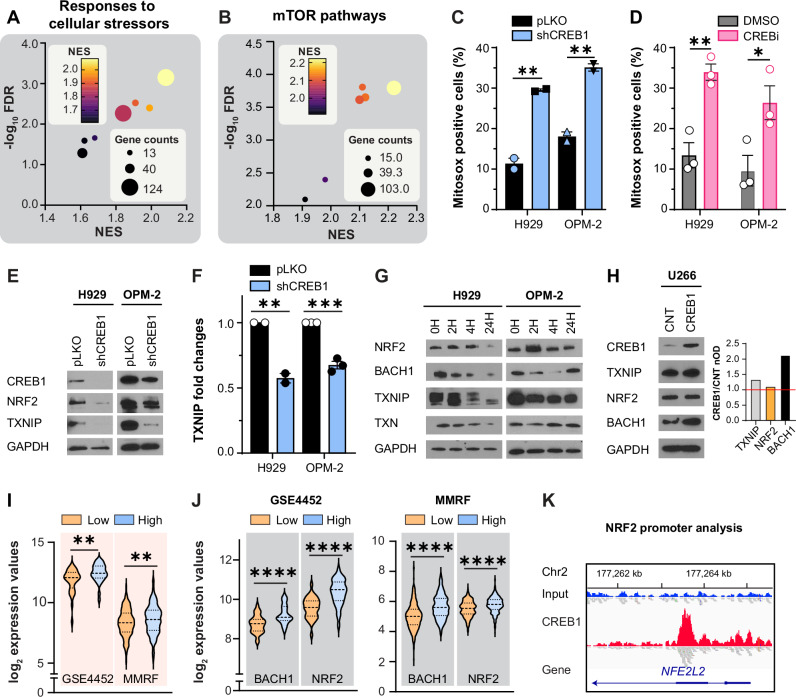 Figure 1
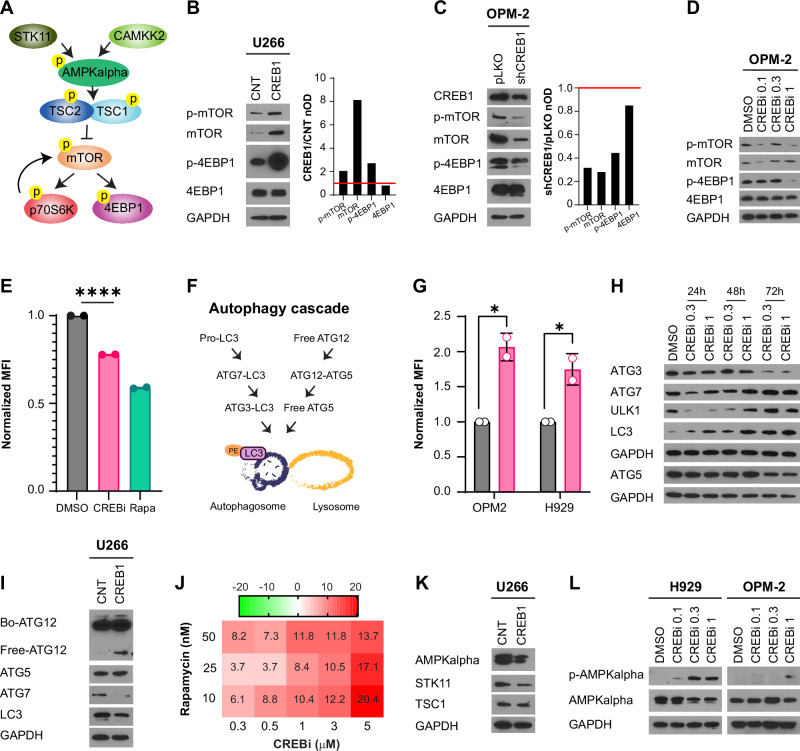 Figure 2
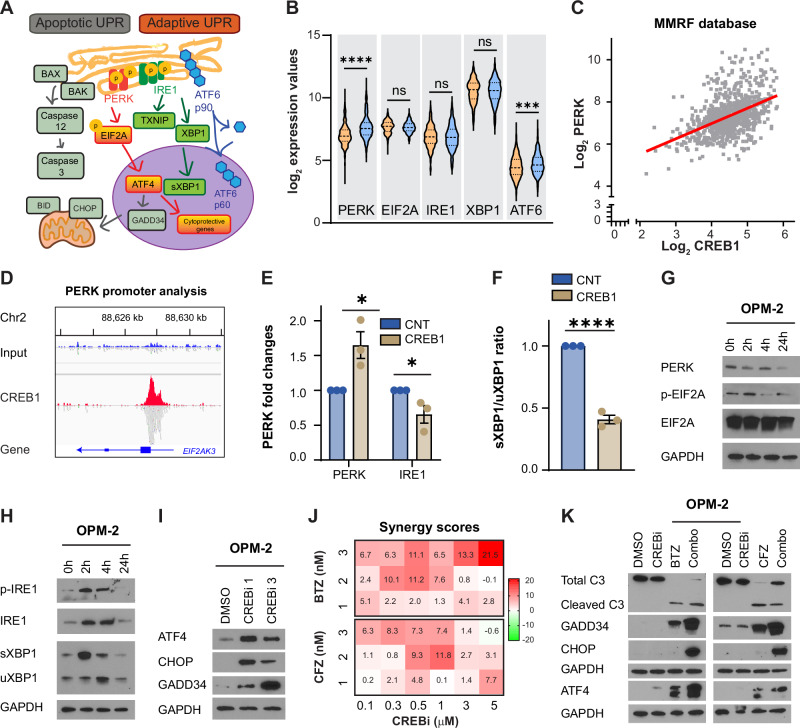 Figure 3
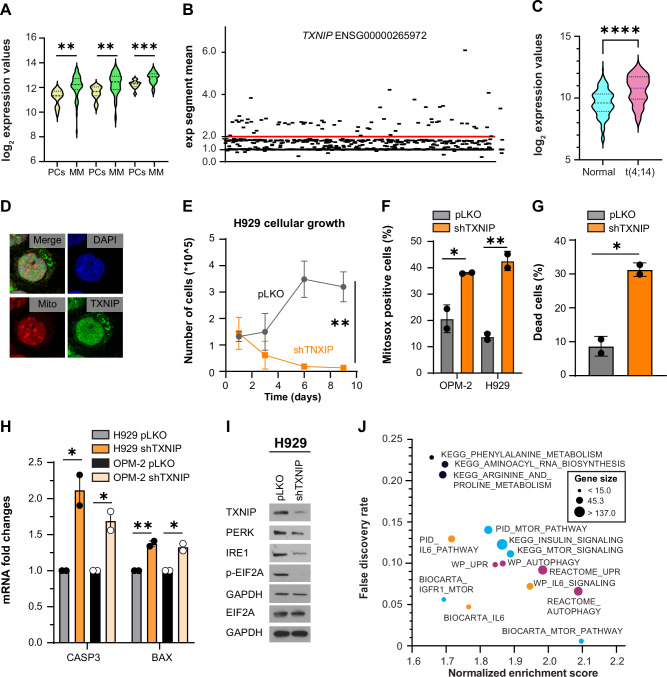 Figure 4
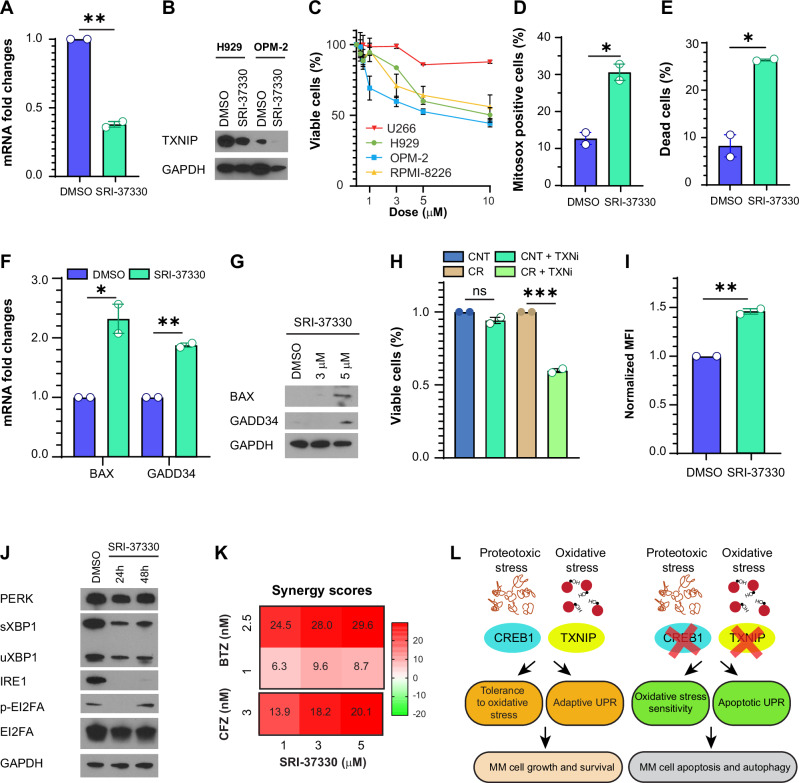 Figure 5
Peer Reviews
No public reviews on file for this paper yet. If you reviewed it on a platform where reviews are public (OpenReview, ICLR, NeurIPS, ICML), you can paste yours below so the community can read it here.
Videos
No videos yet. Explain this paper in a talk, walkthrough, or lecture? Add one.
Taxonomy
TopicsEndoplasmic Reticulum Stress and Disease · Protein Degradation and Inhibitors · Cancer, Stress, Anesthesia, and Immune Response