O-mannosylation of misfolded ER proteins promotes ERAD
Leticia Lemus, Hadar Meyer, Ana I Rodríguez-Rosado, Maya Schuldiner, Veit Goder

TL;DR
A new glycan-dependent mechanism for degrading misfolded proteins in the endoplasmic reticulum is discovered, involving O-mannosylation by the Pbn1-Gpi14 enzyme complex.
Contribution
The discovery that Pbn1-Gpi14 O-mannosylates misfolded proteins to promote ERAD, especially in the absence of N-glycosylation, is novel.
Findings
The Pbn1-Gpi14 complex catalyzes O-mannosylation of misfolded ER proteins.
O-mannosylation promotes ERAD for proteins lacking N-glycans.
This mechanism acts as a fail-safe pathway for protein quality control.
Abstract
Protein quality control (PQC) in the secretory pathway, a process critically linked to numerous human diseases, begins in the endoplasmic reticulum (ER) and involves ER-associated degradation (ERAD) of terminally misfolded proteins. In this study, we conducted genome-wide screens in baker’s yeast (Saccharomyces cerevisiae) to investigate the degradation of Gas1*, a misfolded version of an O-mannosylated, glycosylphosphatidylinositol (GPI)-anchored protein. In combination with detailed biochemical and genetic analyses, these screens revealed an unexpected bifunctionality of the evolutionarily conserved heteromeric enzyme complex Pbn1-Gpi14: while it has been previously recognized as a GPI-mannosyltransferase, we here find that it catalyzes the O-mannosylation of misfolded proteins, thereby promoting their ERAD. This process is particularly relevant for misfolded proteins that lack…
Genes, proteins, chemicals, diseases, species, mutations and cell lines named across the full text — each resolved to its canonical identifier and authoritative record.
Click any figure to enlarge with its caption.
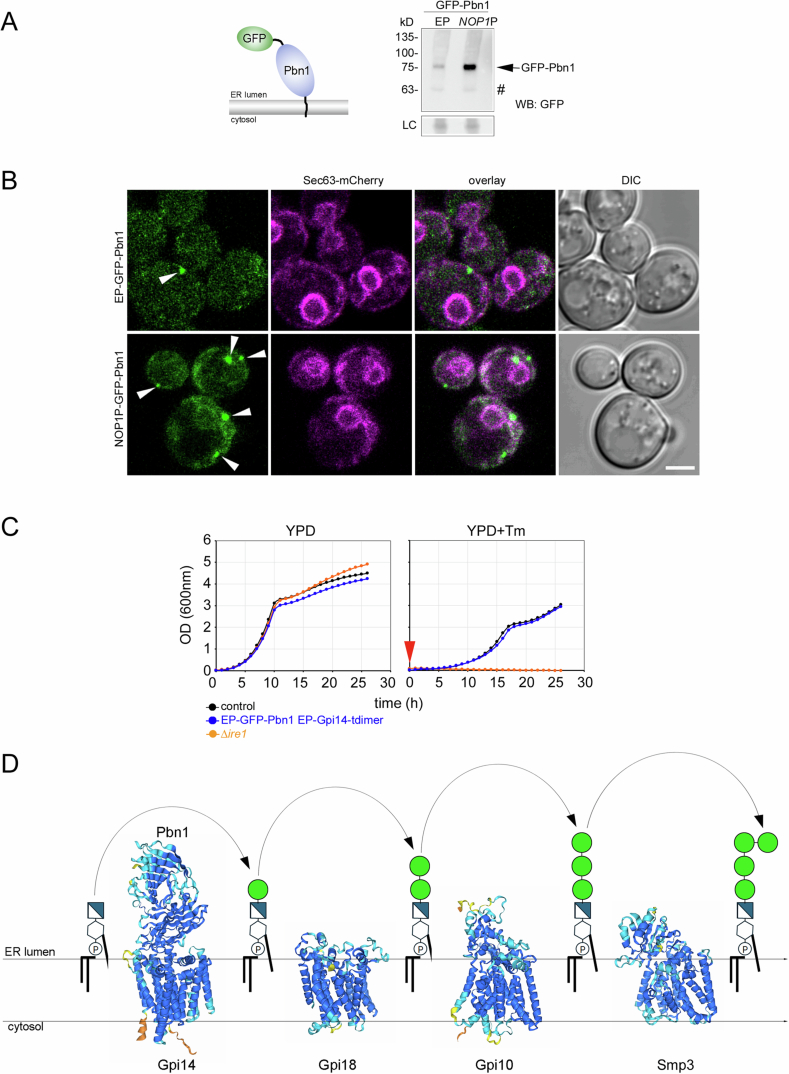 Figure 10
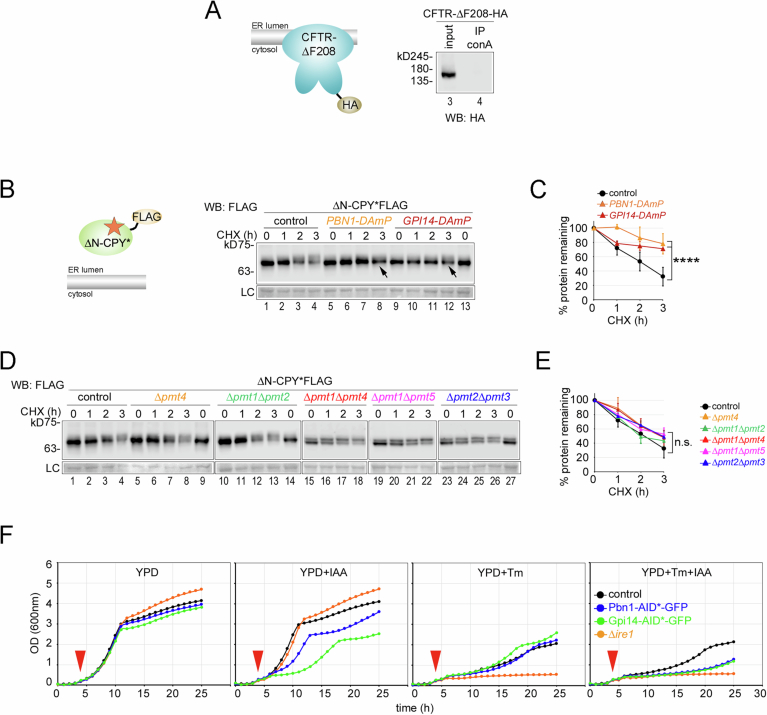 Figure 11
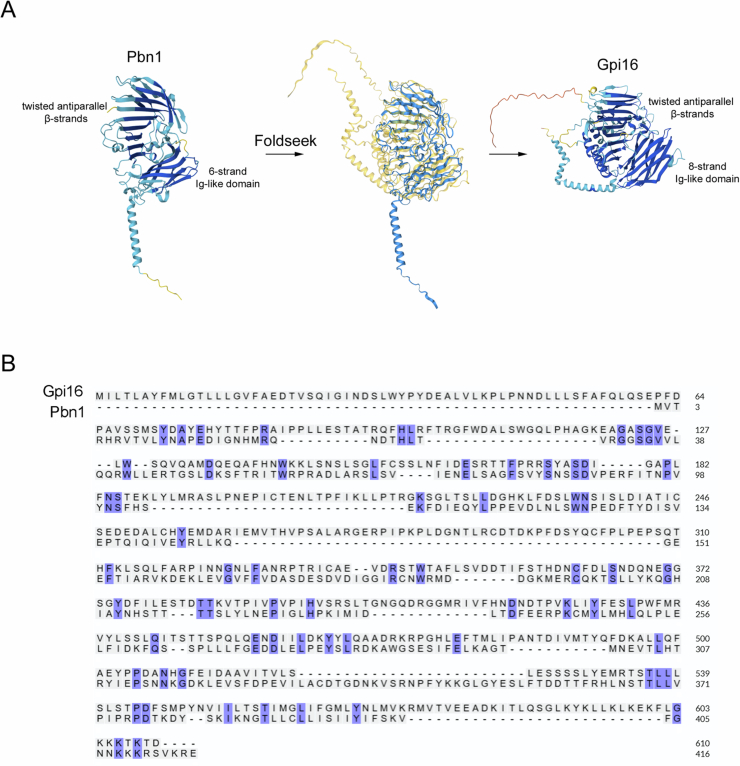 Figure 12
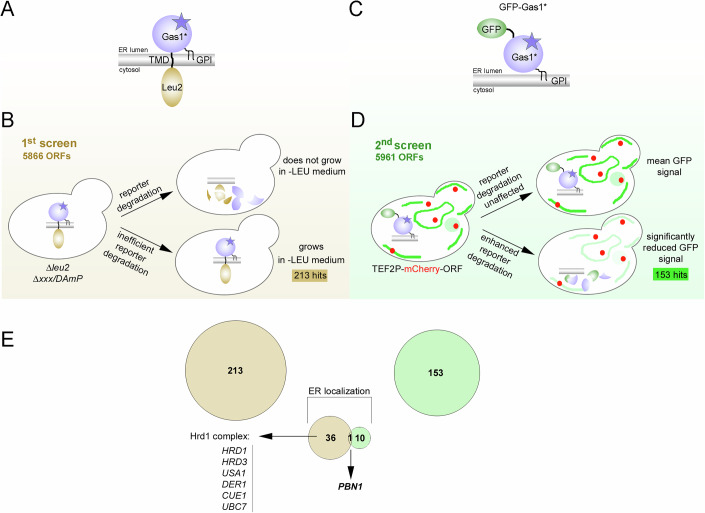 Figure 1
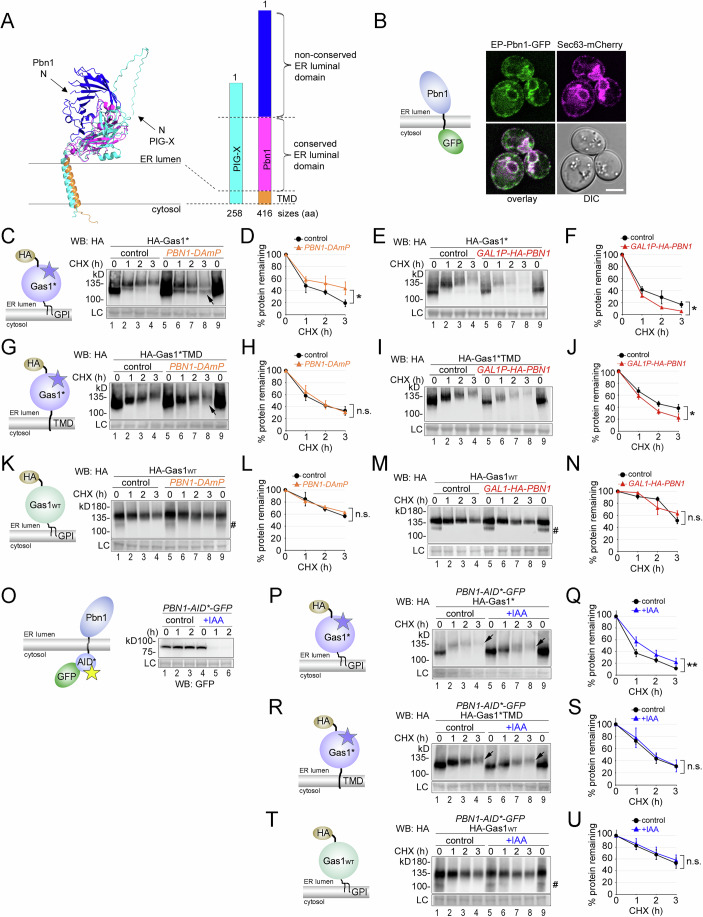 Figure 2
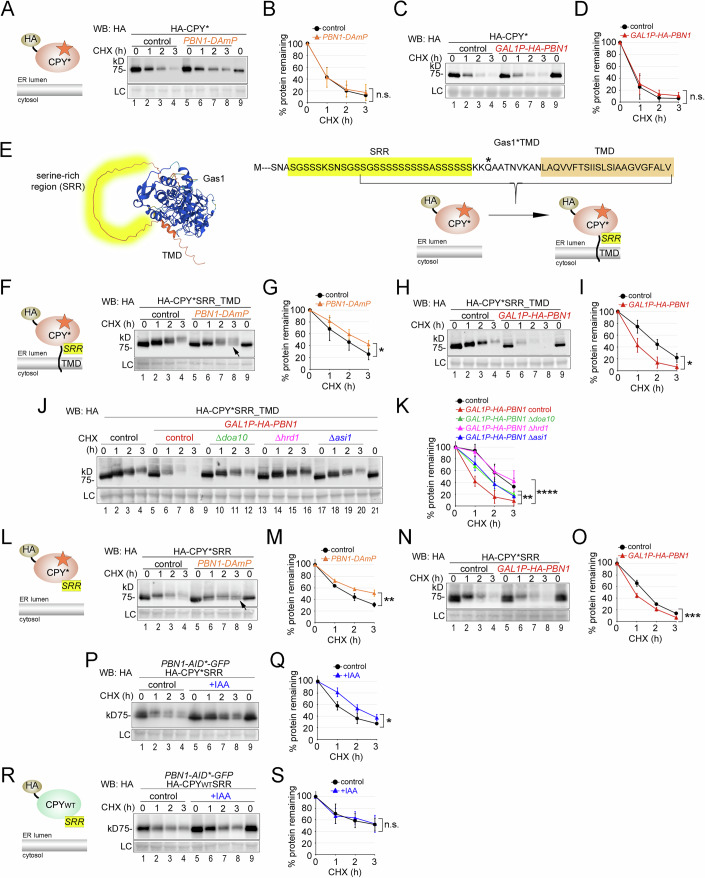 Figure 3
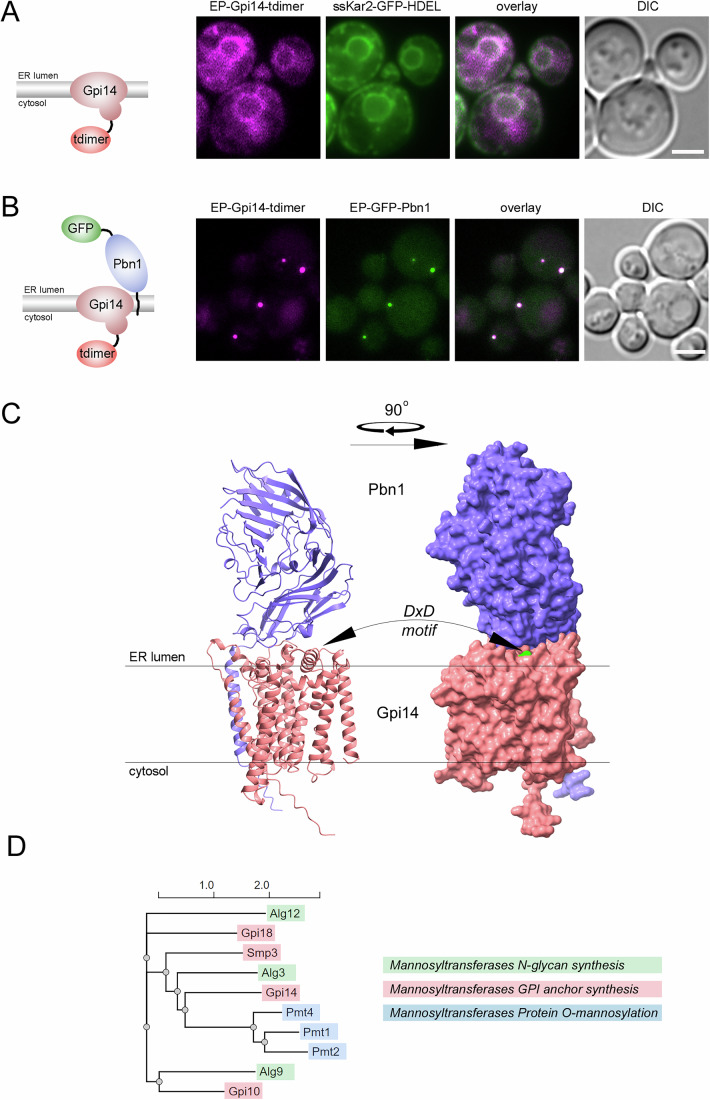 Figure 4
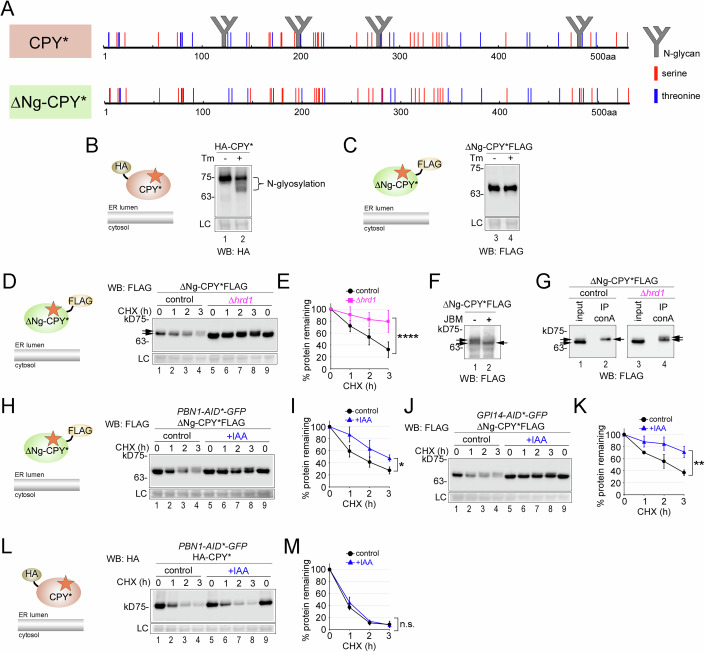 Figure 5
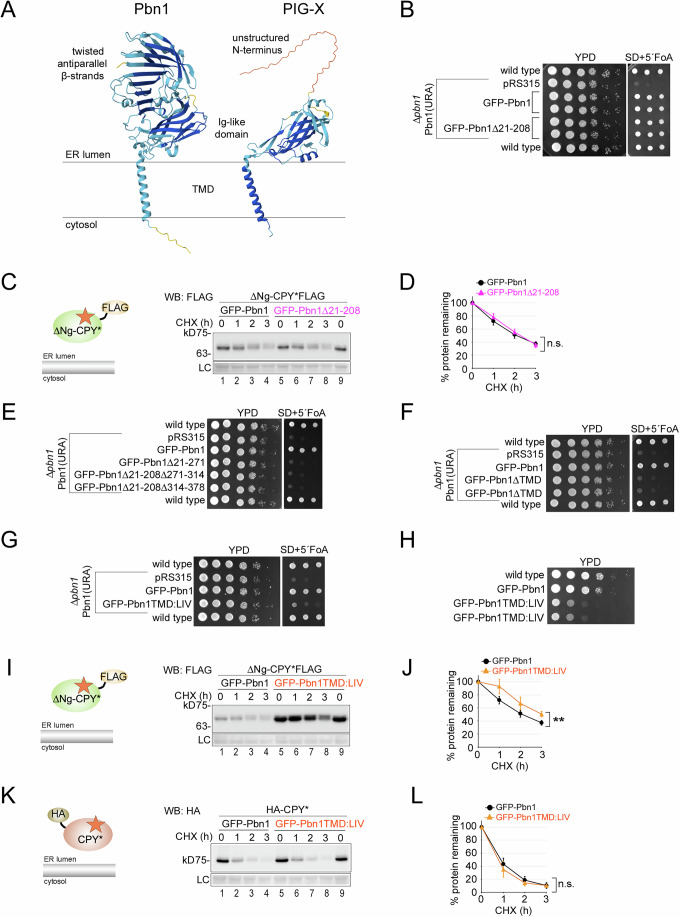 Figure 6
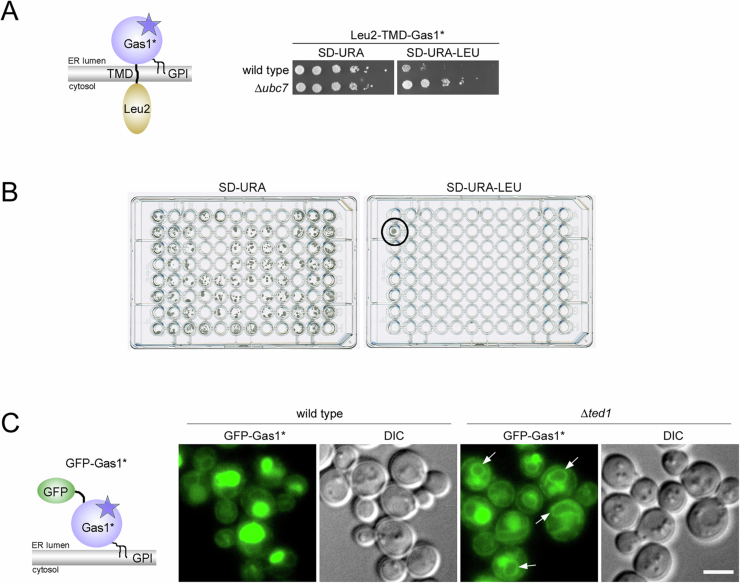 Figure 7
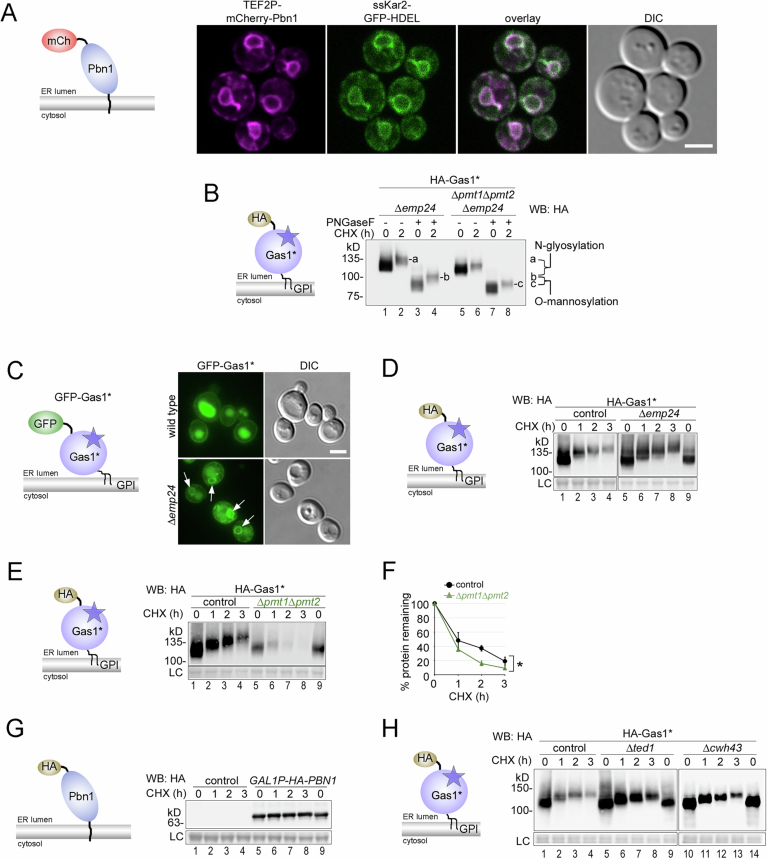 Figure 8
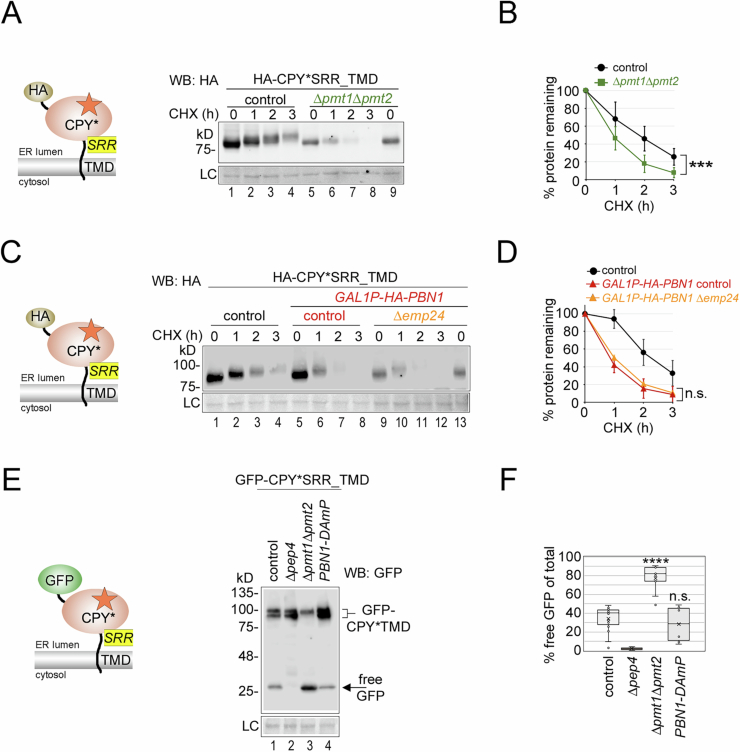 Figure 9
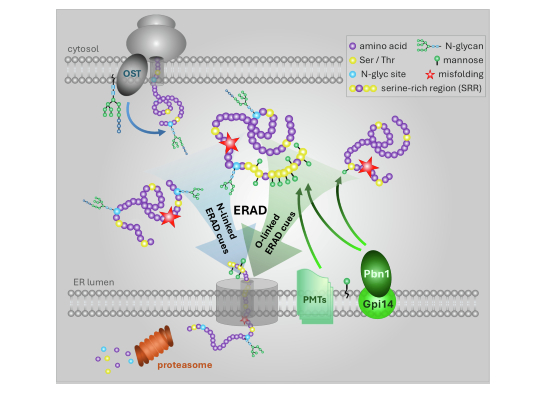 Figure 13
 Figure 14
Peer Reviews
No public reviews on file for this paper yet. If you reviewed it on a platform where reviews are public (OpenReview, ICLR, NeurIPS, ICML), you can paste yours below so the community can read it here.
Videos
No videos yet. Explain this paper in a talk, walkthrough, or lecture? Add one.
Taxonomy
TopicsEndoplasmic Reticulum Stress and Disease · Cellular transport and secretion · Fungal and yeast genetics research