Integrating endogenous TurboID and data-independent acquisition mass spectrometry for in vivo proximity labeling
David S Fay, Boopathi Balasubramaniam, Sean M Harrington, Philip T Edeen

TL;DR
This study improves in vivo protein interaction mapping by combining TurboID labeling with DIA mass spectrometry, revealing new interactions in C. elegans.
Contribution
A revised proximity labeling workflow integrating TurboID and DIA-MS for enhanced sensitivity and reproducibility in in vivo interactome studies.
Findings
The pipeline identified known and novel interactors of NEKL–MLT subcomplexes in C. elegans.
Quantitative metrics improved experimental quality and reduced variability across replicates.
DIA-based workflows produced physiologically relevant results despite experimental noise.
Abstract
Proximity labeling has emerged as a powerful approach for identifying protein–protein interaction networks within living systems, particularly those involving weak or transient associations. Here, we present a comprehensive revised proximity labeling workflow, integrating TurboID labeling of endogenously expressed fusion proteins and data-independent acquisition (DIA) mass spectrometry (MS). We benchmark this pipeline with a study of five conserved Caenorhabditis elegans proteins—NEKL-2, NEKL-3, MLT-2, MLT-3, and MLT-4— that form two NEKL–MLT kinase–scaffold subcomplexes involved in membrane trafficking and actin regulation. Profiling of NEKL–MLT interactomes across 23 experiments validated our approach through the identification of known NEKL–MLT binding partners and conserved nekl–mlt genetic interactors, including the discovery of several novel functional interactors. Importantly,…
Genes, proteins, chemicals, diseases, species, mutations and cell lines named across the full text — each resolved to its canonical identifier and authoritative record.
Click any figure to enlarge with its caption.
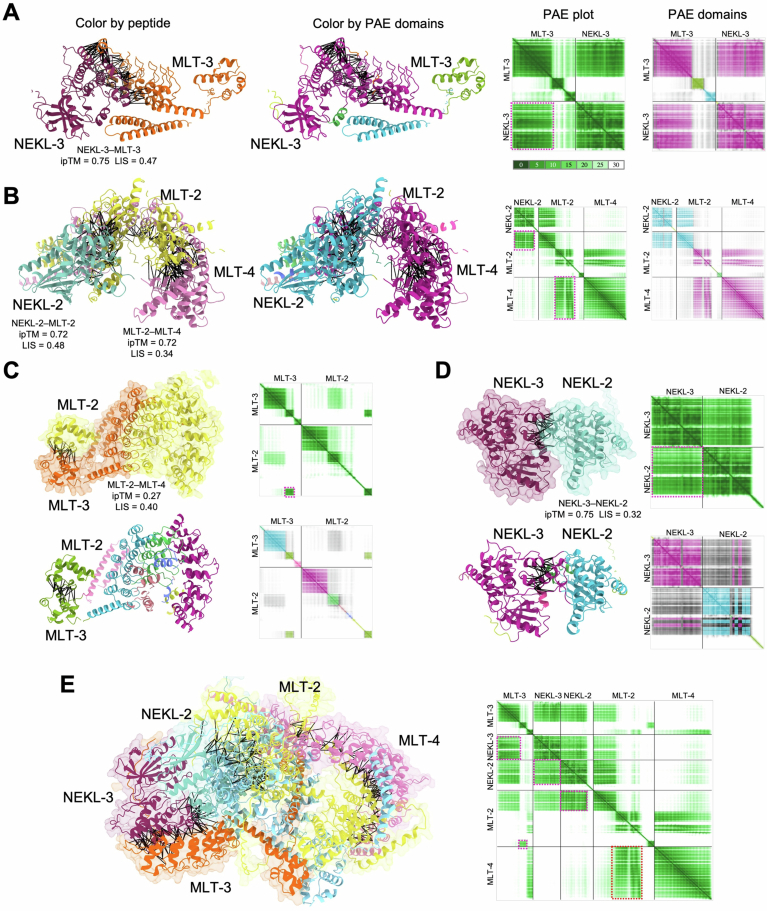 Figure 10
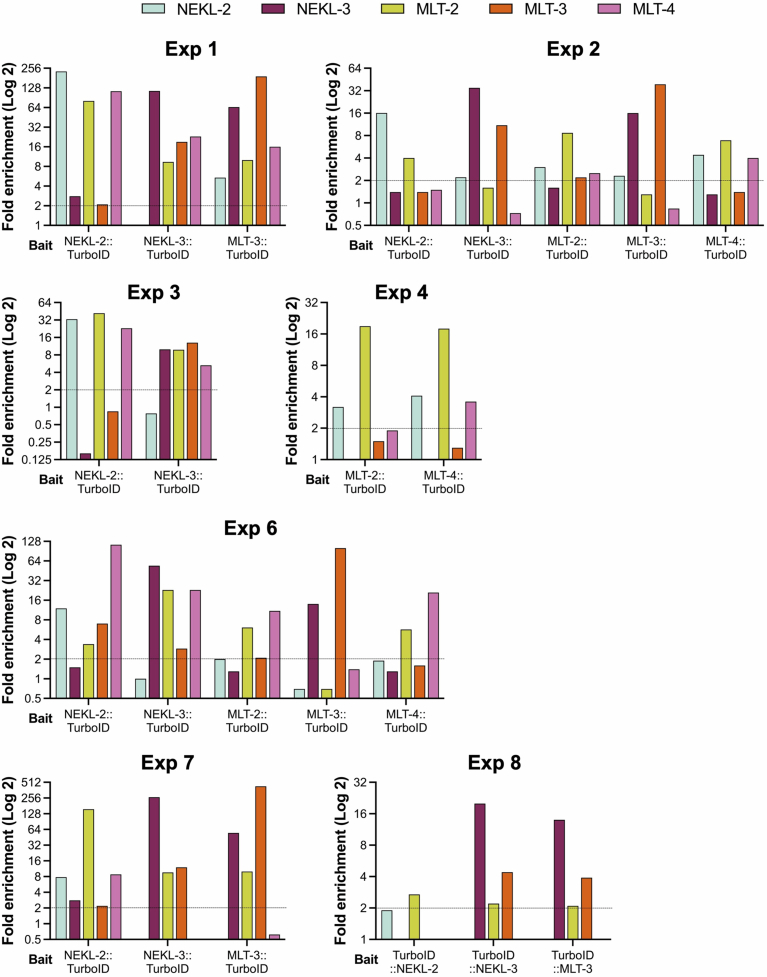 Figure 11
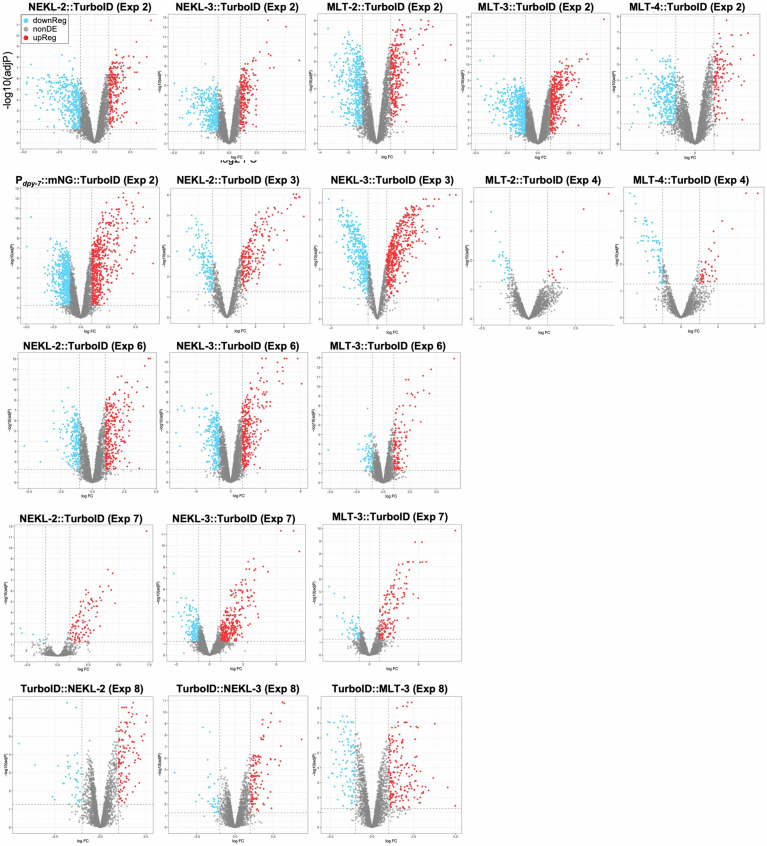 Figure 12
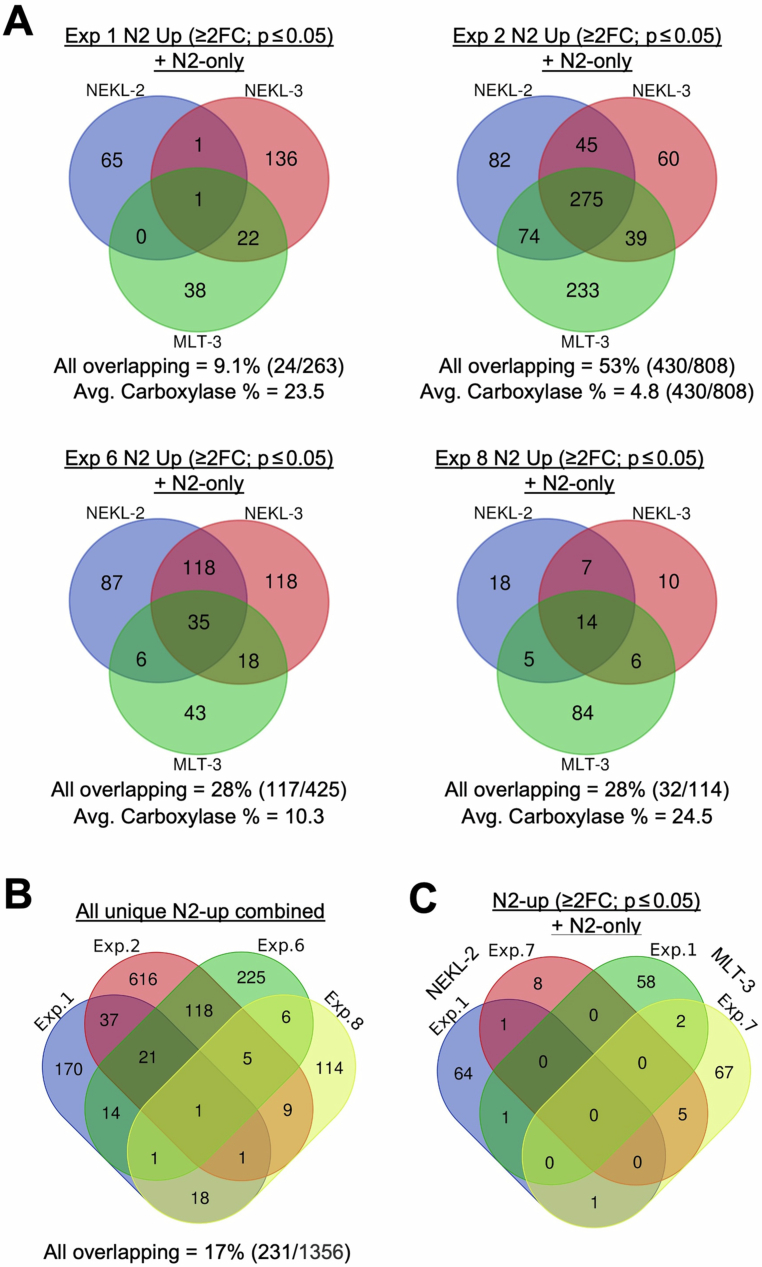 Figure 13
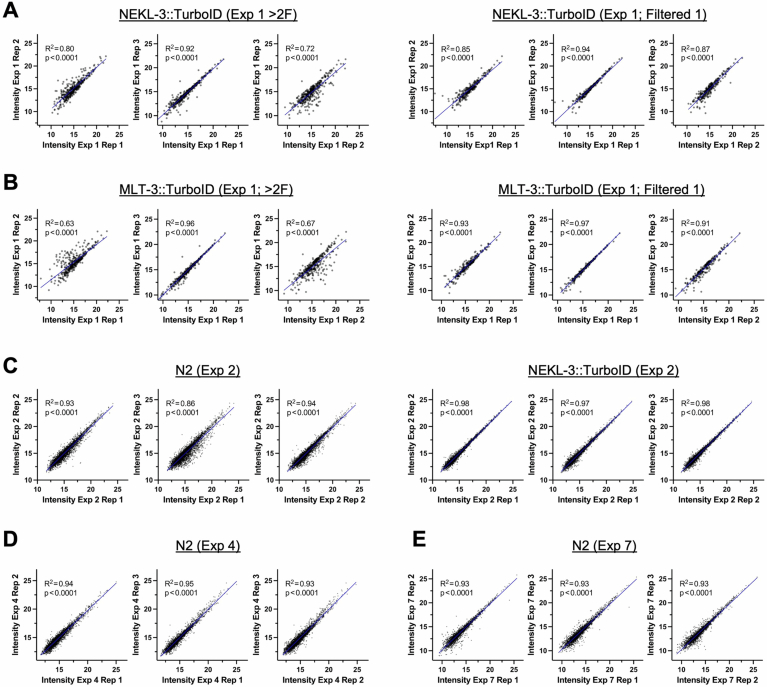 Figure 14
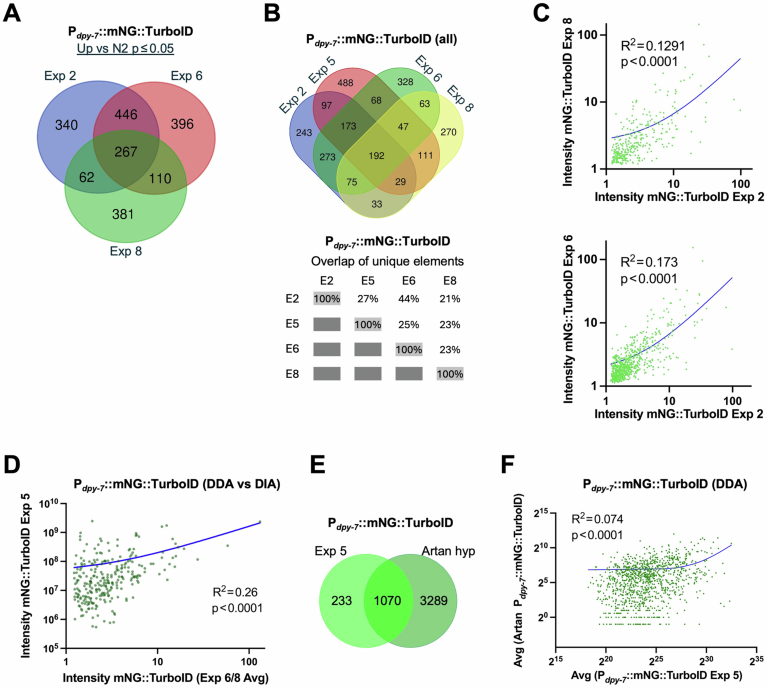 Figure 15
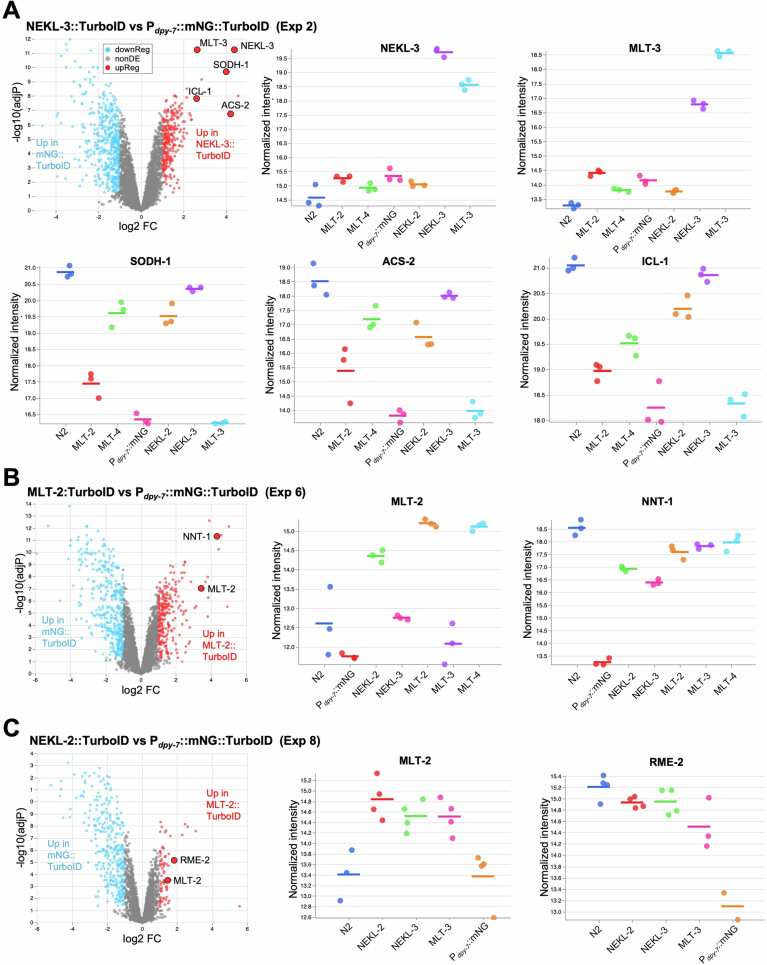 Figure 16
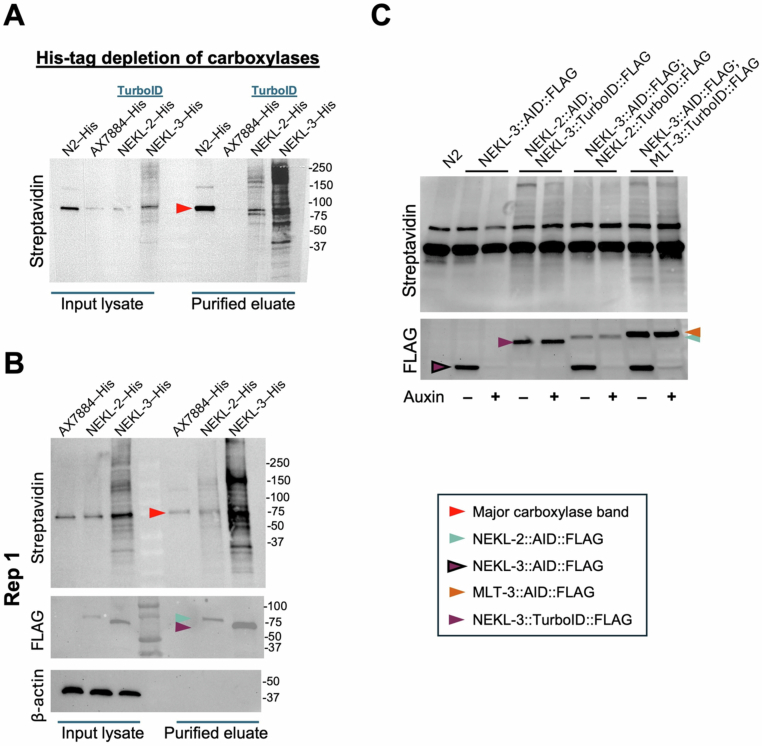 Figure 17
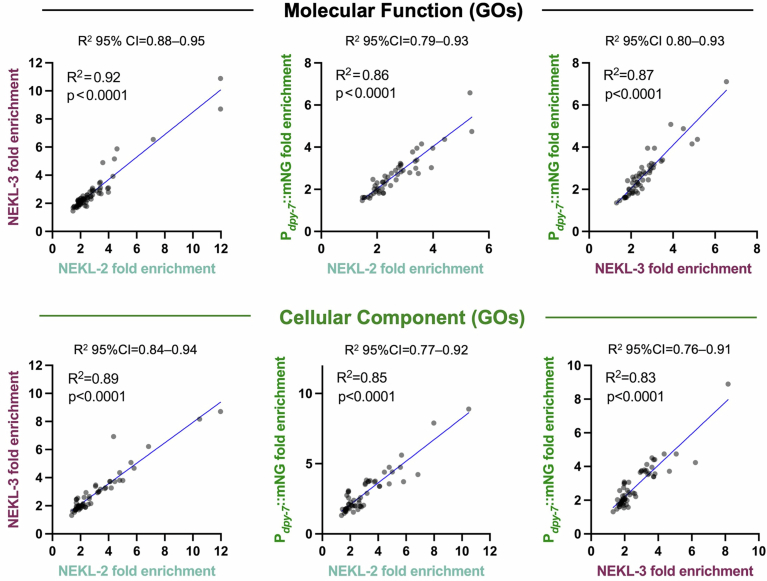 Figure 18
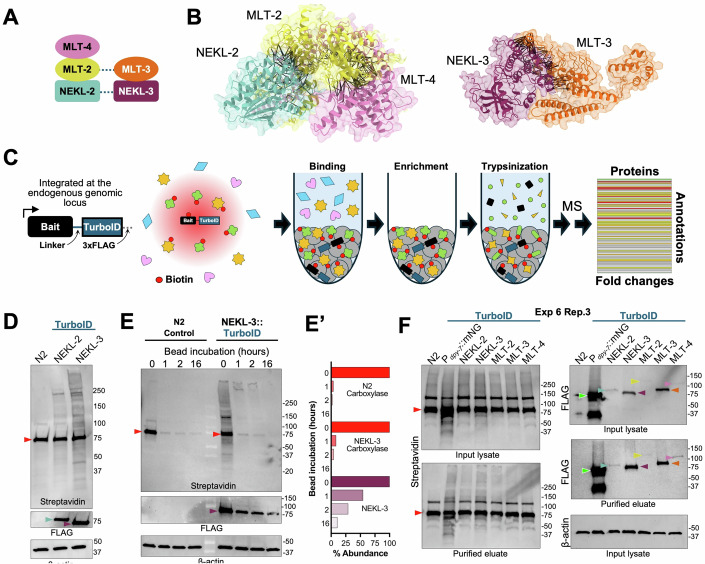 Figure 1
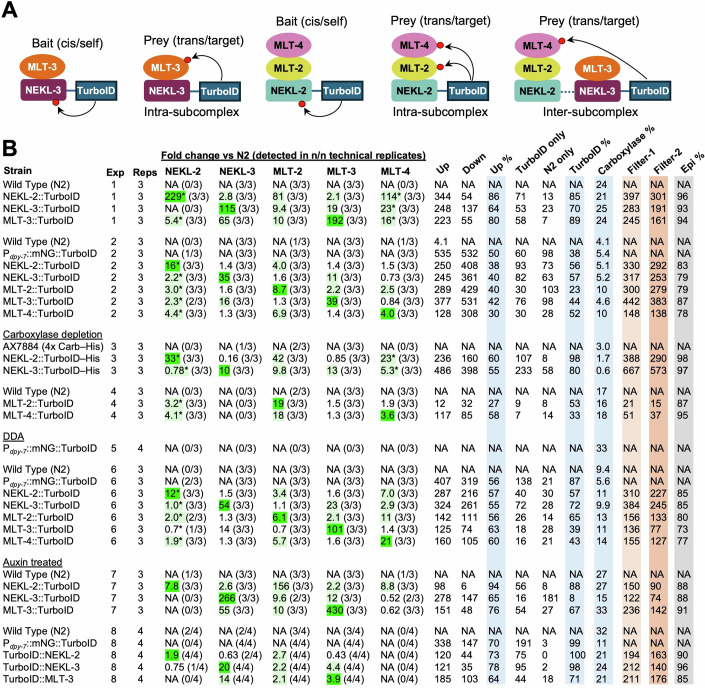 Figure 2
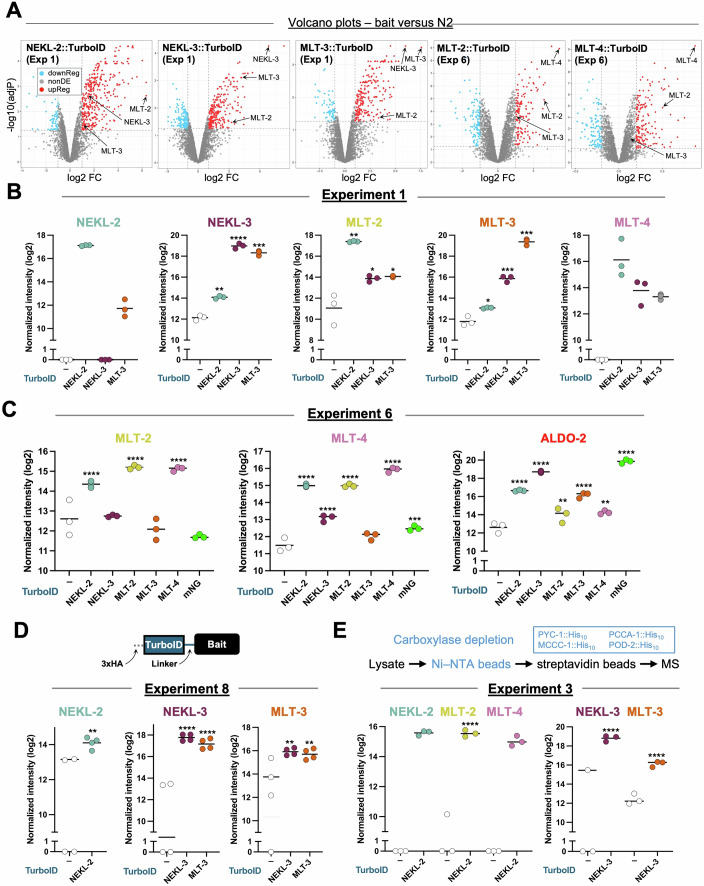 Figure 3
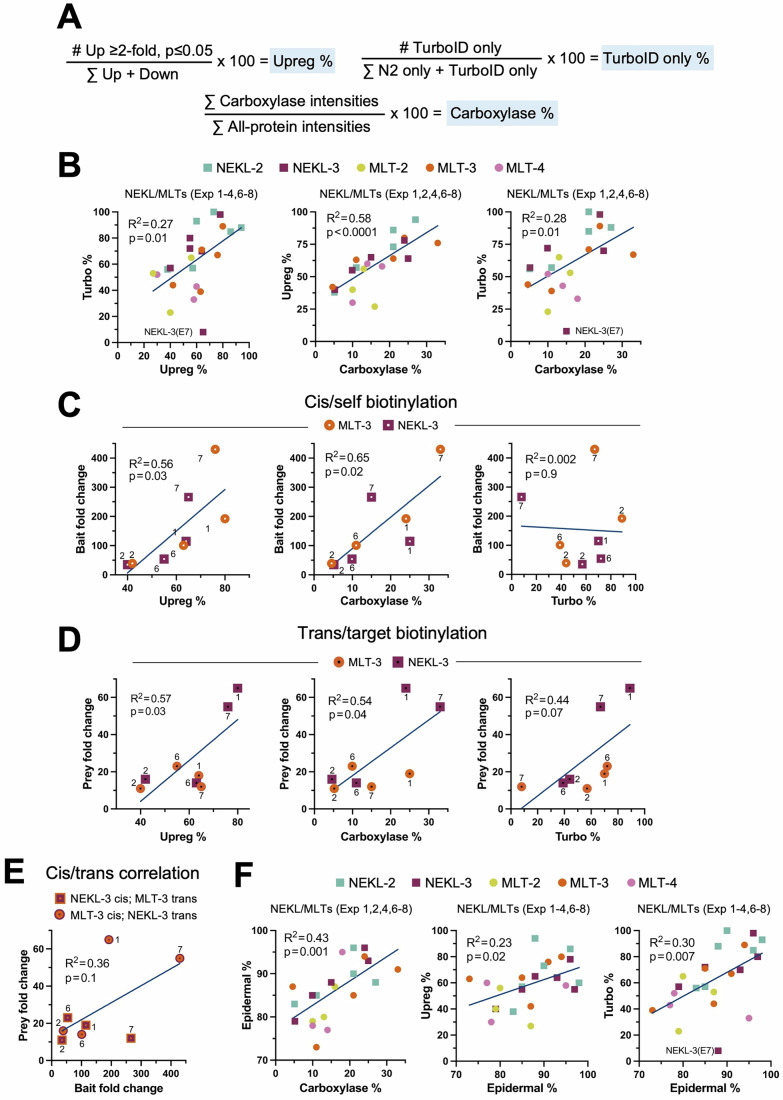 Figure 4
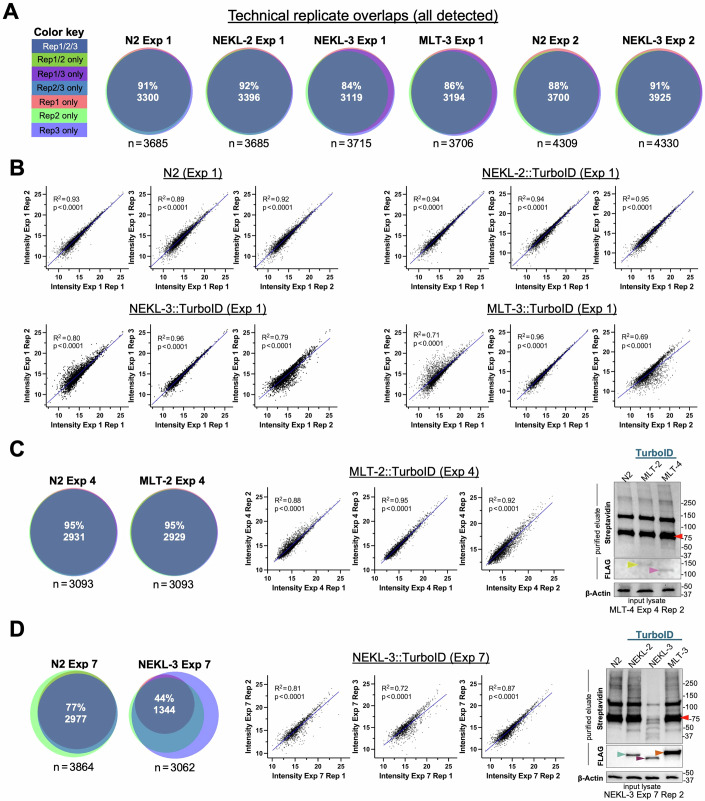 Figure 5
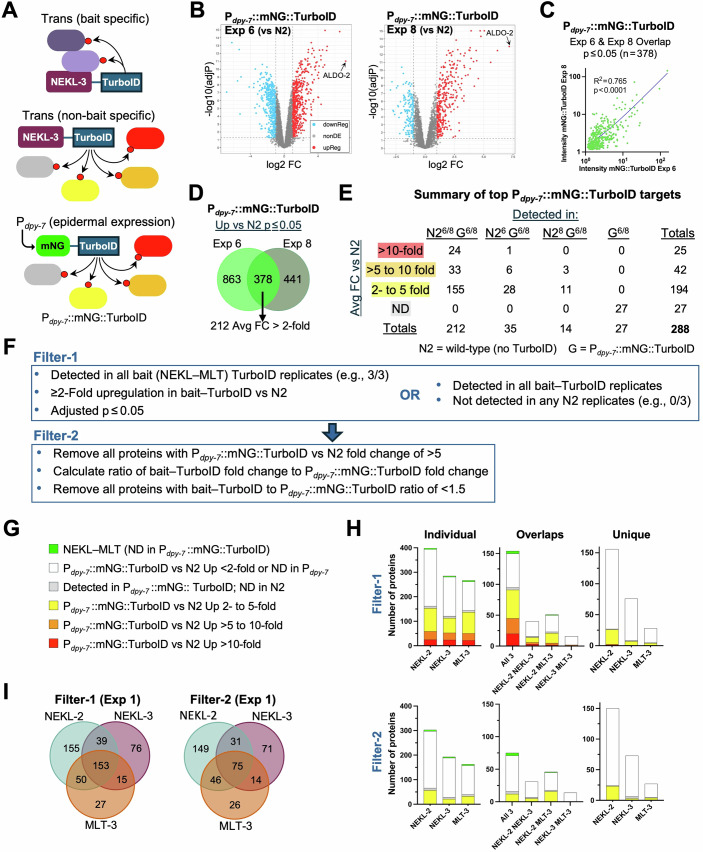 Figure 6
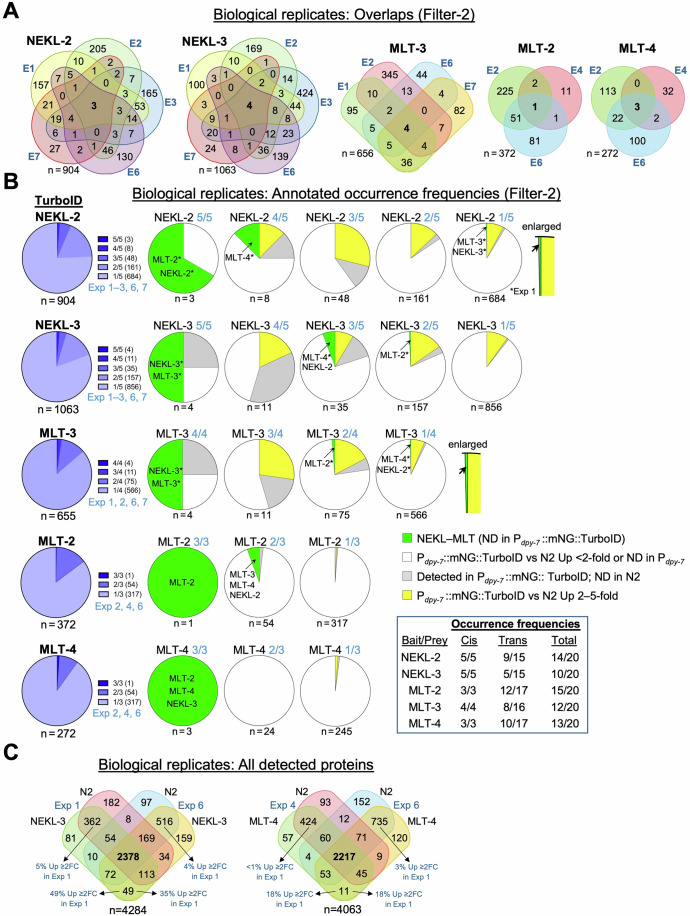 Figure 7
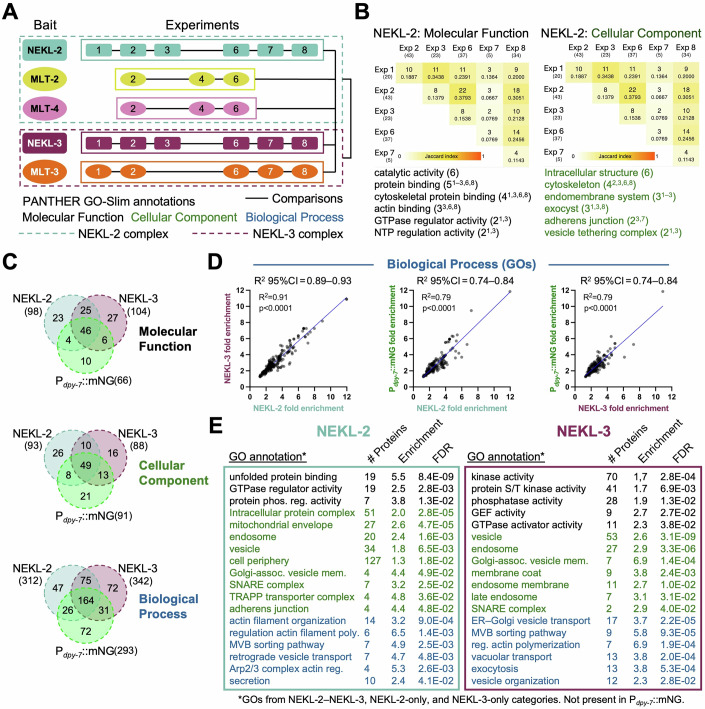 Figure 8
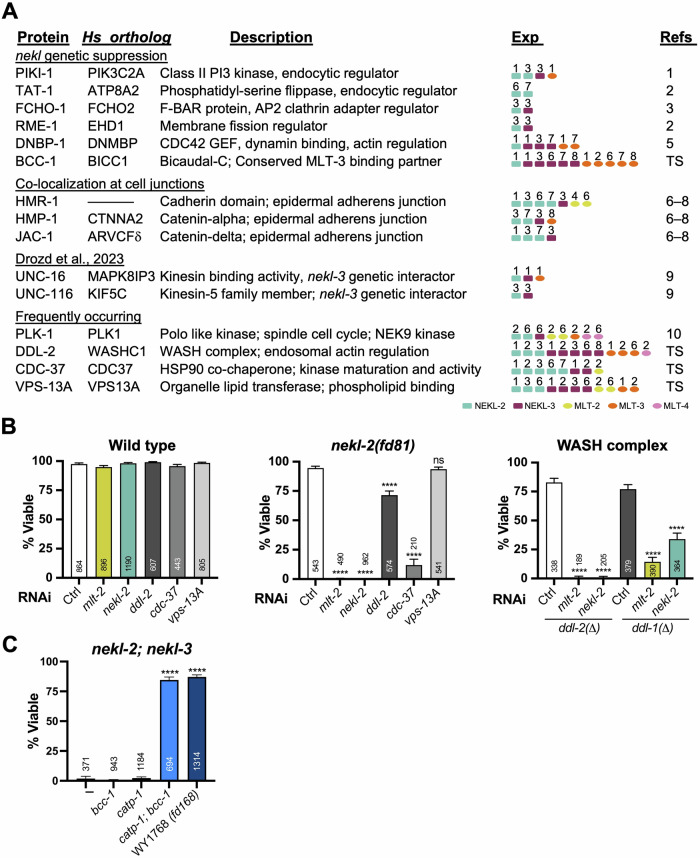 Figure 9
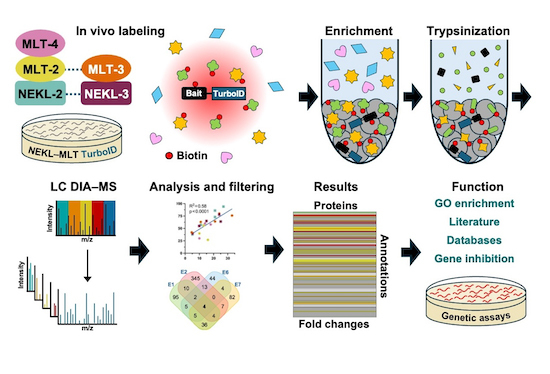 Figure 19
 Figure 20
Peer Reviews
No public reviews on file for this paper yet. If you reviewed it on a platform where reviews are public (OpenReview, ICLR, NeurIPS, ICML), you can paste yours below so the community can read it here.
Videos
No videos yet. Explain this paper in a talk, walkthrough, or lecture? Add one.
Taxonomy
TopicsBiotin and Related Studies · Biochemical Acid Research Studies · Alzheimer's disease research and treatments