Nuclear gasdermin E drives endothelin-1-induced metastatic progression independently of the pyroptosis
Celia Roman, Valentina Caprara, Piera Tocci, Andrea Sacconi, Giovanni Blandino, Anna Bagnato, Rosanna Sestito

TL;DR
This study reveals that gasdermin E (GSDME) promotes metastasis in ovarian cancer by working with other proteins, offering a new target for treatment.
Contribution
The paper identifies a novel nuclear function of GSDME in promoting metastasis, independent of pyroptosis, and links it to the ET-1/ZEB1 signaling pathway.
Findings
GSDME upregulation correlates with epithelial-mesenchymal transition and ETAR expression in high-grade serous ovarian carcinoma.
ET-1 signaling increases GSDME expression via ZEB1 and ZEB2, which in turn regulates genes involved in metastasis and inflammation.
Blocking ET-1 receptor or depleting GSDME reduces metastatic traits and inflammatory cytokine release in the tumor.
Abstract
Elucidation of the molecular mechanism underlying metastatic dissemination in patients with high-grade serous ovarian carcinoma (HG-SOC) has the potential to affect patient outcome. This study explores the role of gasdermins (GSDMs) in HG-SOC, focusing on novel pyroptosis-independent nuclear functions of GSDME, which are integrated with the endothelin-1 (ET-1)/ET-1 receptor A (ETAR) signaling to sustain metastatic progression. In this tumor, GSDME upregulation is correlated to epithelial-mesenchymal transition (EMT) and ETAR expression. ET-1 signaling fuels GSDME expression by inducing its transcription via the core EMT factors, ZEB1 and ZEB2. GSDME, in turn, translocates to the nucleus to engage ZEB1 and transcriptionally regulate genes coupled with EMT and inflammatory signals, such as E-cadherin, vimentin and interleukin (IL)-6. GSDME depletion, similarly to ZEB1 and ETAR blockade,…
Genes, proteins, chemicals, diseases, species, mutations and cell lines named across the full text — each resolved to its canonical identifier and authoritative record.
Click any figure to enlarge with its caption.
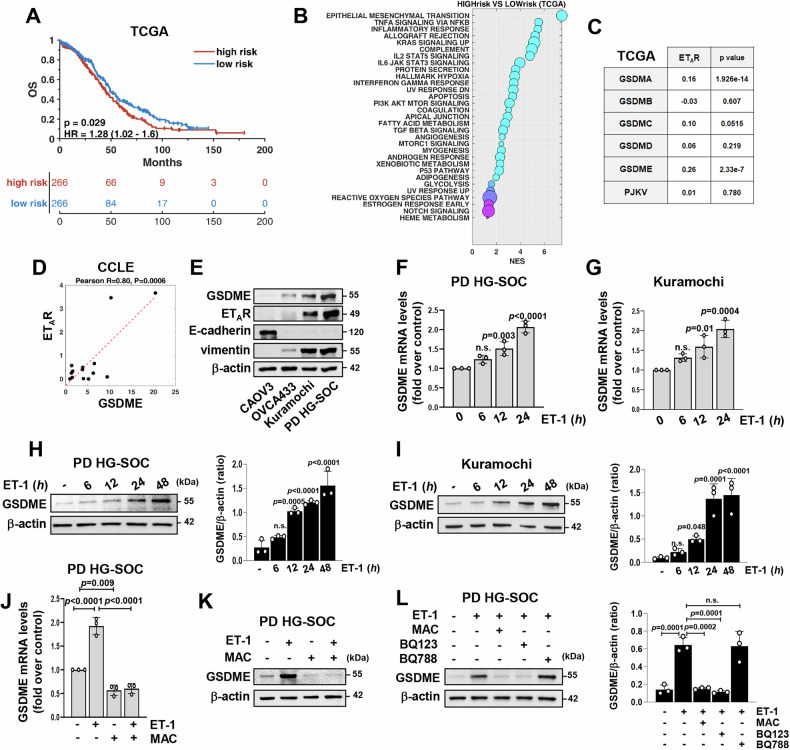 Figure 1
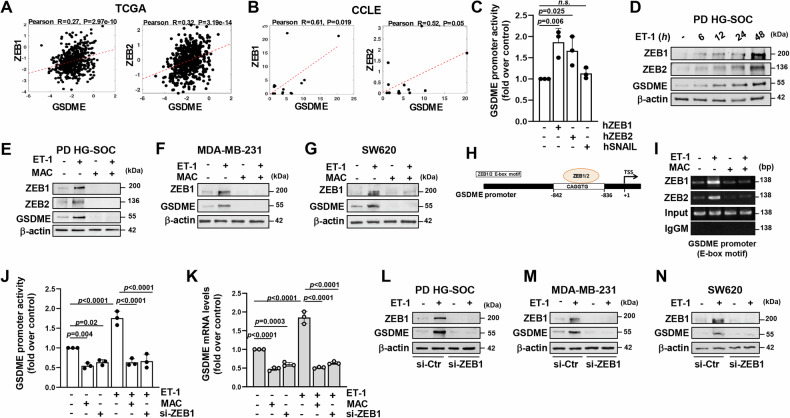 Figure 2
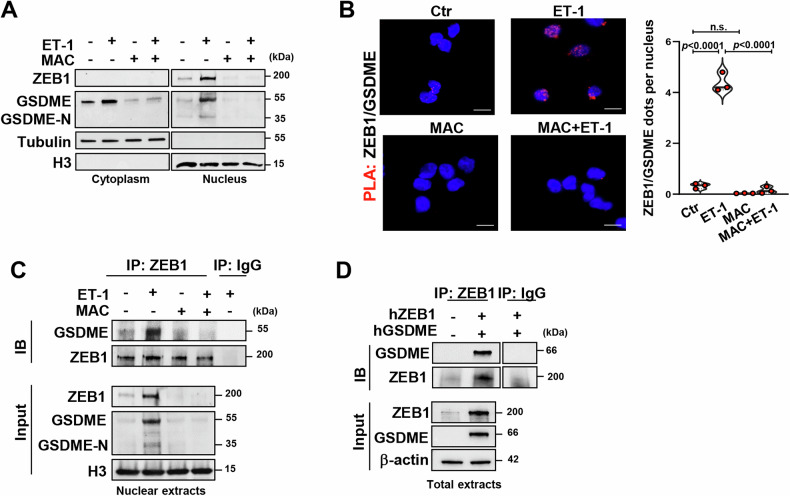 Figure 3
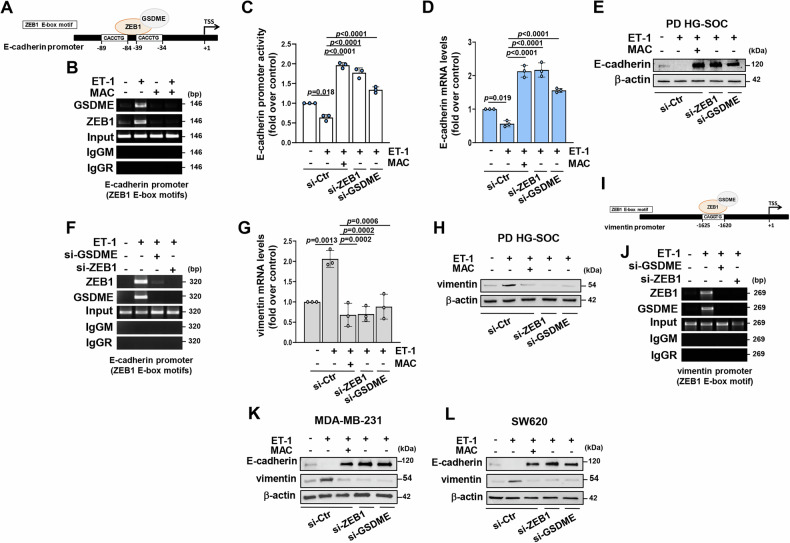 Figure 4
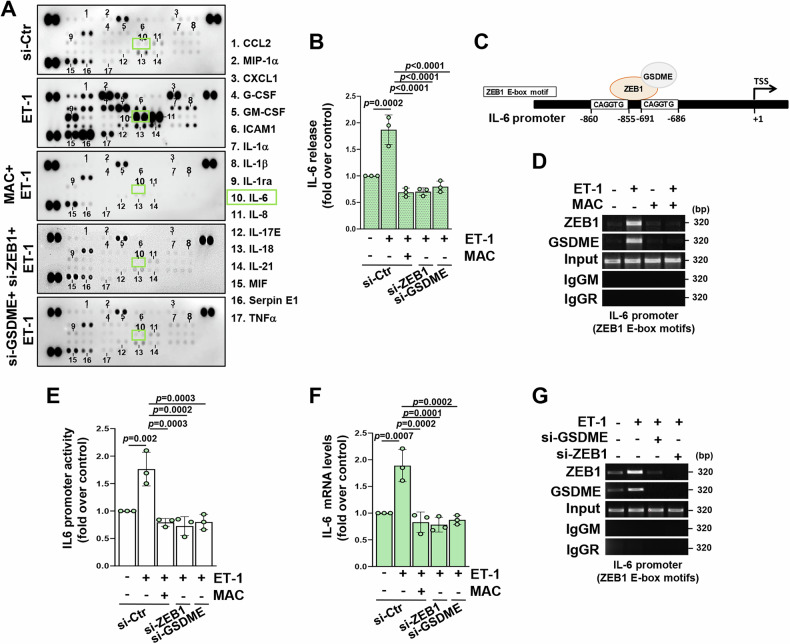 Figure 5
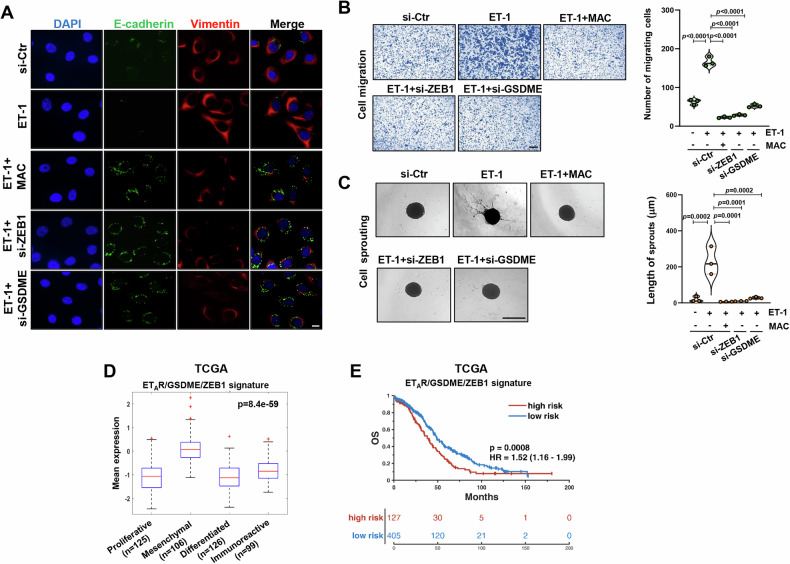 Figure 6
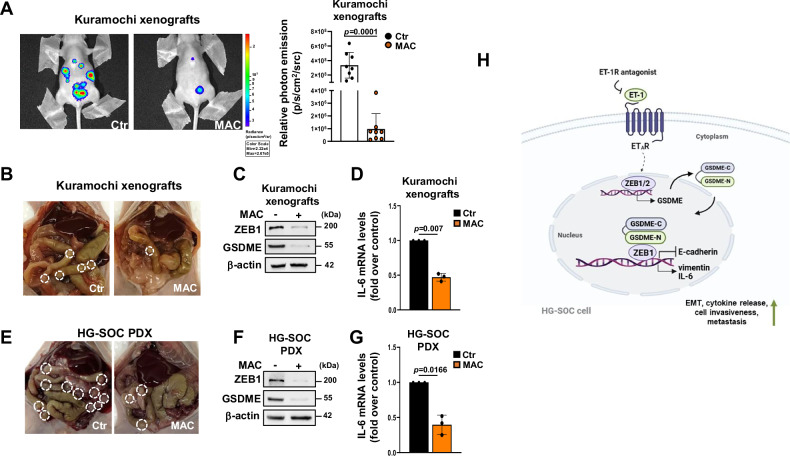 Figure 7
Peer Reviews
No public reviews on file for this paper yet. If you reviewed it on a platform where reviews are public (OpenReview, ICLR, NeurIPS, ICML), you can paste yours below so the community can read it here.
Videos
No videos yet. Explain this paper in a talk, walkthrough, or lecture? Add one.
Taxonomy
TopicsInflammasome and immune disorders · Pericarditis and Cardiac Tamponade · Kawasaki Disease and Coronary Complications