Soil property controls on plasticiser, antioxidant and UV absorber additive degradation across a global soil gradient
Michaela K. Reay, Martine Graf, Maddy Murphy, Charlie Monkley, Perrine J. Florent, Benjamin I. Collins, Nguyen Van Hien, Tran Minh Tien, Andreia Neves Fernandes, Tapan Adhikari, Samantha Viljoen, Mona Tolba, Ahmed Mosa, David R. Chadwick, Davey L. Jones, Richard P. Evershed

TL;DR
This study examines how soil properties affect the breakdown of plastic additives in agricultural soils from around the world.
Contribution
The study identifies soil microbial biomass and nitrate as key factors influencing the degradation of specific plastic additives.
Findings
DEHP degraded via β-oxidation and ester hydrolysis, with negligible breakdown in low microbial biomass soils.
BP12 degraded fastest through first-order kinetics and produced benzophenone and benzoic acid as byproducts.
AO168 degraded abiotically and was not strongly correlated with any soil variable.
Abstract
Additives in agricultural plastics can leach into the surrounding soil during use or improper disposal. Their subsequent degradation rates directly regulate whether they persist and accumulate to levels with ecotoxicological effects or are rendered benign. However, which soil properties primarily regulate the degradation of additives remains unclear (e.g. soil carbon, pH, available nutrients, microbial biomass and community structure). We assessed the degradation of the common plastic additives with different functionalities (DEHP (di(2-ethylhexyl) phthalate; plasticiser), 2-hydroxy-4-n-octyloxybenzophenone (benzophenone-12; BP12; UV stabiliser) and AO168 (tris(2,4-di-tert-butylphenyl) phosphite; antioxidant)) in soils under controlled moisture and temperature conditions over 21 days across contrasting agricultural soils from six countries across a global transect (Australia, Brazil,…
Genes, proteins, chemicals, diseases, species, mutations and cell lines named across the full text — each resolved to its canonical identifier and authoritative record.
Click any figure to enlarge with its caption.
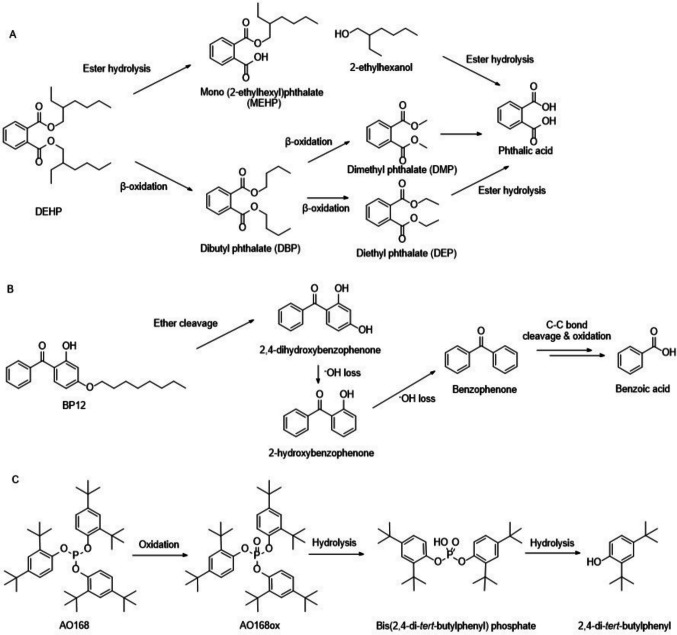 Figure 1
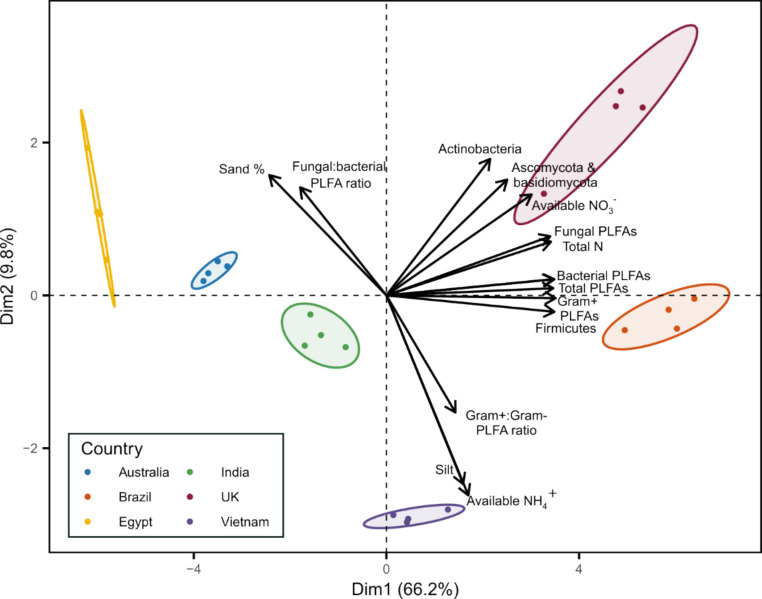 Figure 2
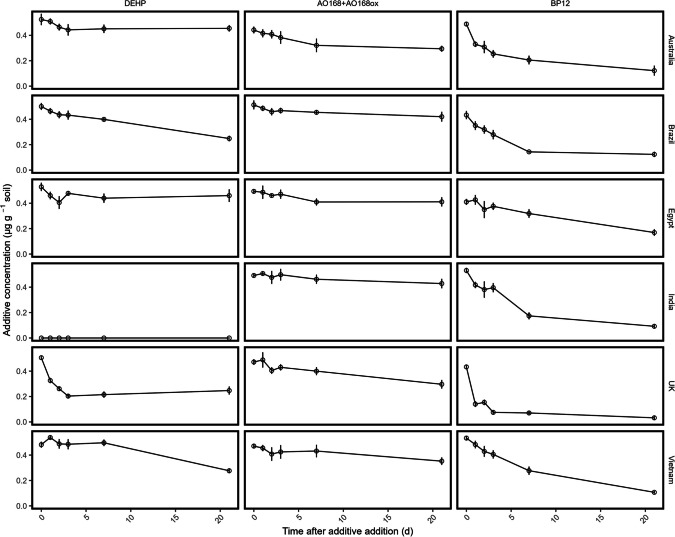 Figure 3
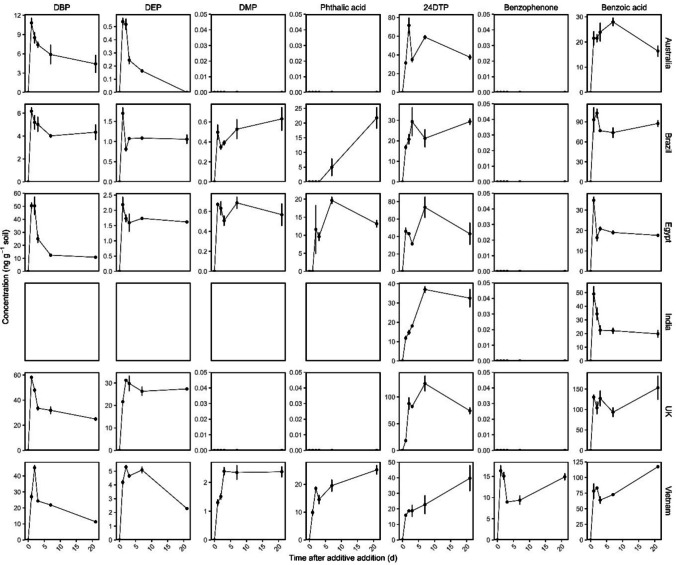 Figure 4
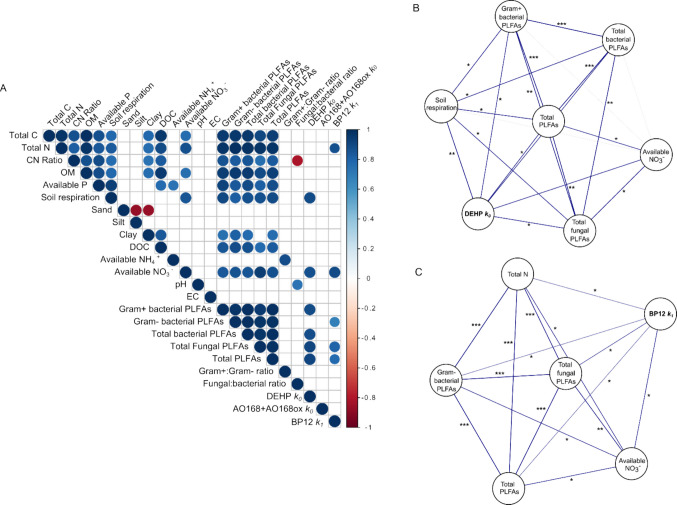 Figure 5
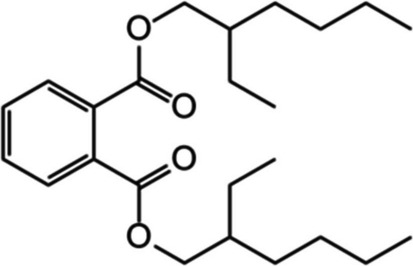 Figure 6
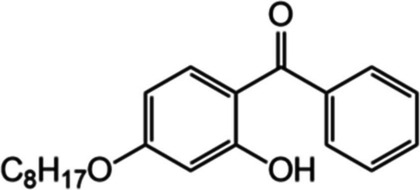 Figure 7
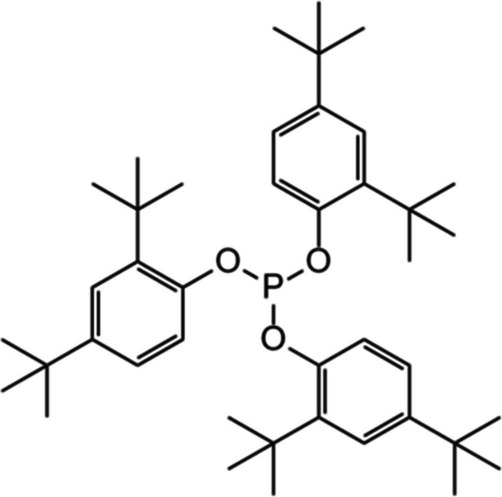 Figure 8
Peer Reviews
No public reviews on file for this paper yet. If you reviewed it on a platform where reviews are public (OpenReview, ICLR, NeurIPS, ICML), you can paste yours below so the community can read it here.
Videos
No videos yet. Explain this paper in a talk, walkthrough, or lecture? Add one.
Taxonomy
TopicsMicroplastics and Plastic Pollution · Effects and risks of endocrine disrupting chemicals · biodegradable polymer synthesis and properties