Copper biosorption by Serratia plymuthica: crucial role of tightly bound extracellular polymeric substances in planktonic and biofilm systems
Alice Melzi, Sarah Zecchin, Milena Colombo, Gigliola Borgonovo, Stefania Mazzini, Subhoshmita Mondal, Stefania Arioli, Lucia Cavalca

TL;DR
A bacterial strain effectively removes copper from water, showing promise for industrial wastewater treatment.
Contribution
Demonstrates the role of extracellular substances in copper biosorption by Serratia plymuthica in both planktonic and biofilm systems.
Findings
Serratia plymuthica achieved 92% Cu(II) biosorption in planktonic systems within 4 minutes.
Biofilm-based systems achieved 98% Cu(II) biosorption on sintered glass.
The bacteria showed 97% Cu(II) biosorption in real electroplating wastewater.
Abstract
Heavy metals in aquatic environments pose significant environmental and human health risks, highlighting the urgent need for innovative remediation strategies. This study explores the role of bacterial extracellular polymeric substances as active binding surfaces for copper, in planktonic cells and biofilm-based adsorption systems. Serratia plymuthica strain As3-5a(5) achieved 92% Cu(II) biosorption (from an initial concentration of 3.14 mM) within 4 min in a non-proliferating planktonic cell system, and 98% biosorption in a biofilm-based system on sintered glass. Maximum metal biosorption was achieved by late stationary phase grown cells (72 h), likely due to an increased protein fraction in the tightly bound extracellular polymeric substances. When in the presence of real electroplating wastewater containing 40 mM Cu(II) at pH 1.9, planktonic cell system (1011 cells mL−1) achieved 97%…
Genes, proteins, chemicals, diseases, species, mutations and cell lines named across the full text — each resolved to its canonical identifier and authoritative record.
Click any figure to enlarge with its caption.
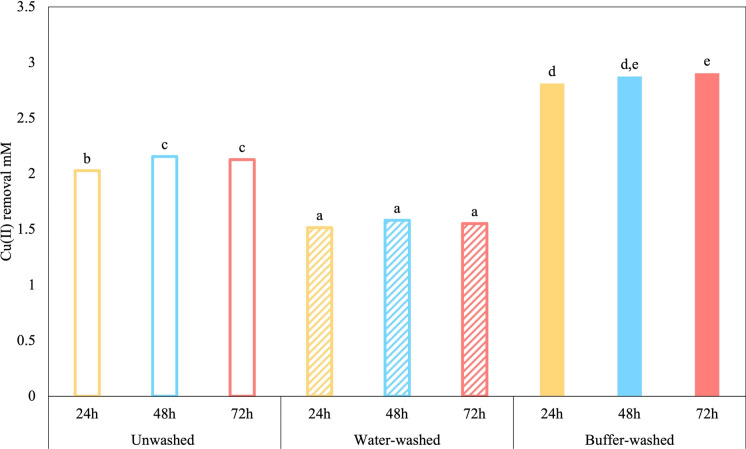 Figure 1
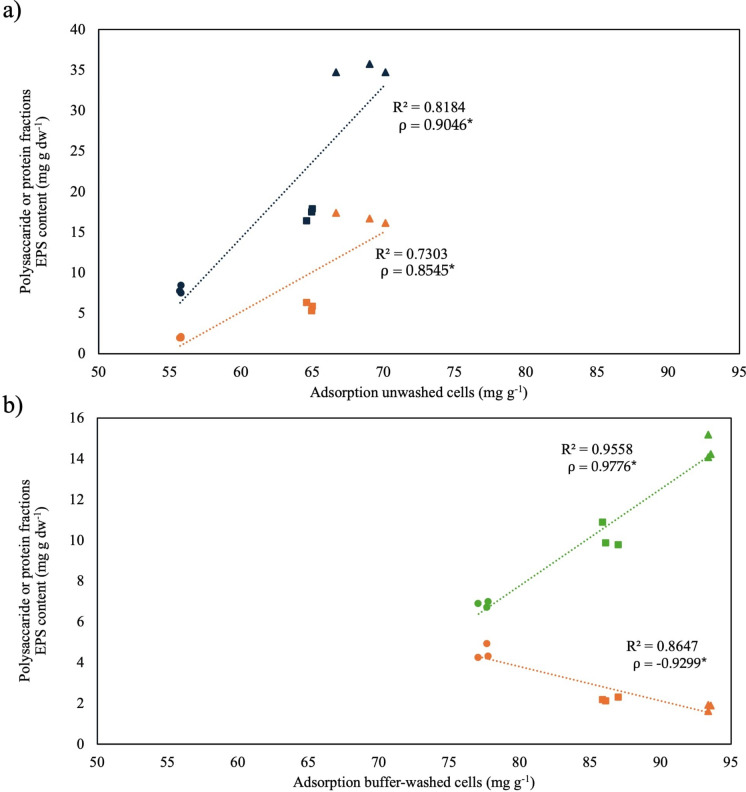 Figure 2
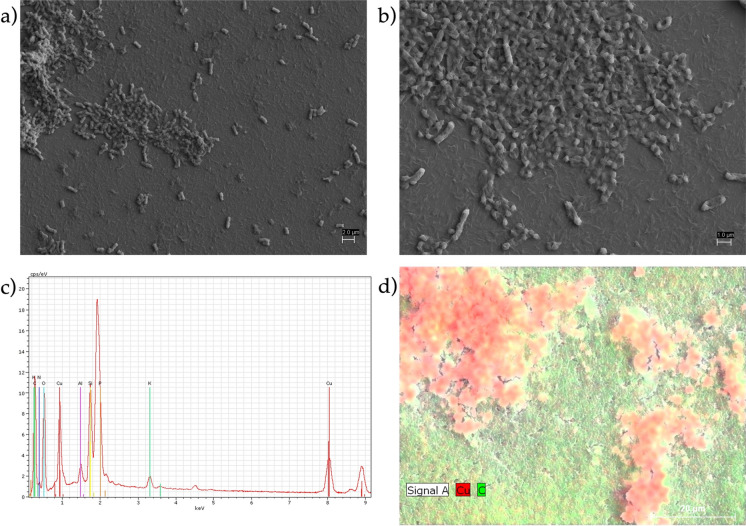 Figure 3
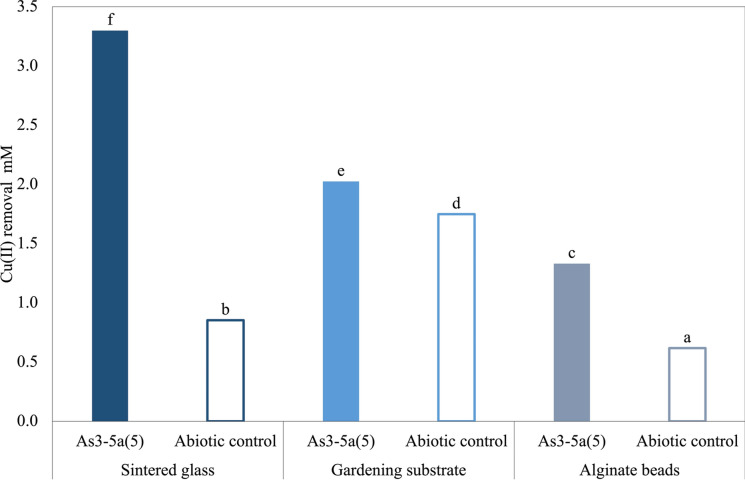 Figure 4
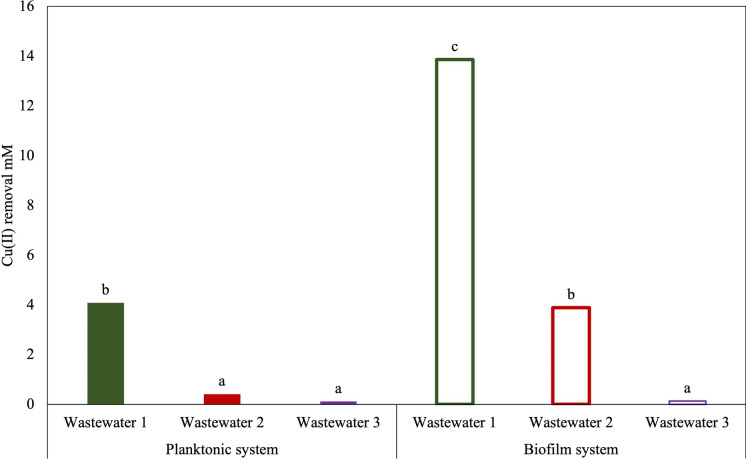 Figure 5
Peer Reviews
No public reviews on file for this paper yet. If you reviewed it on a platform where reviews are public (OpenReview, ICLR, NeurIPS, ICML), you can paste yours below so the community can read it here.
Videos
No videos yet. Explain this paper in a talk, walkthrough, or lecture? Add one.
Taxonomy
TopicsAdsorption and biosorption for pollutant removal · Chromium effects and bioremediation · Metal Extraction and Bioleaching