Biguanides are associated with decreased early mortality and risk of acute kidney injury in hospitalised patients with COVID-19: a nationwide retrospective cohort study in Japan
Mari Sugimoto, Hiroaki Kikuchi, Eisei Sohara, Koji Mizutani, Kavee Limbutara, Akihiro Hirakawa, Takayasu Mori, Koichiro Susa, Shuichiro Oya, Takefumi Suzuki, Shotaro Naito, Soichiro Iimori, Tatemitsu Rai, Kiyohide Fushimi, Shinichi Uchida

TL;DR
Biguanides, a type of diabetes medication, may reduce early death and kidney injury risk in hospitalized COVID-19 patients with diabetes.
Contribution
This study shows biguanides are linked to lower mortality and acute kidney injury in hospitalized diabetic COVID-19 patients.
Findings
Patients on biguanides had 1.18% in-hospital death vs. 2.41% in non-biguanide users.
Biguanide users had 0.66% acute kidney injury vs. 1.12% in non-users.
Survival rates were better in biguanide users (adjusted HR 0.619).
Abstract
The most prescribed oral glucose-lowering medication worldwide is biguanide (BG), which shows potential for further therapeutic applications. The coronavirus disease 2019 (COVID-19) pandemic is a global public health emergency. Nevertheless, low-cost treatments against COVID-19 have not been established, with varying morbidity and mortality rates in each country. From the inpatient databases in Japan from September 2021 to March 2023, which includes the era following the development of COVID-19 vaccines, we extracted data from 168,370 patients with COVID-19 aged 20– < 80 years with diabetes mellitus treated with oral antidiabetic agents. The primary and secondary outcomes were 100-day in-hospital mortality and incidence of acute kidney injury (AKI) during hospitalisation, respectively. We compared outcomes in patients who received BG with those who did not using a logistic regression…
Genes, proteins, chemicals, diseases, species, mutations and cell lines named across the full text — each resolved to its canonical identifier and authoritative record.
Click any figure to enlarge with its caption.
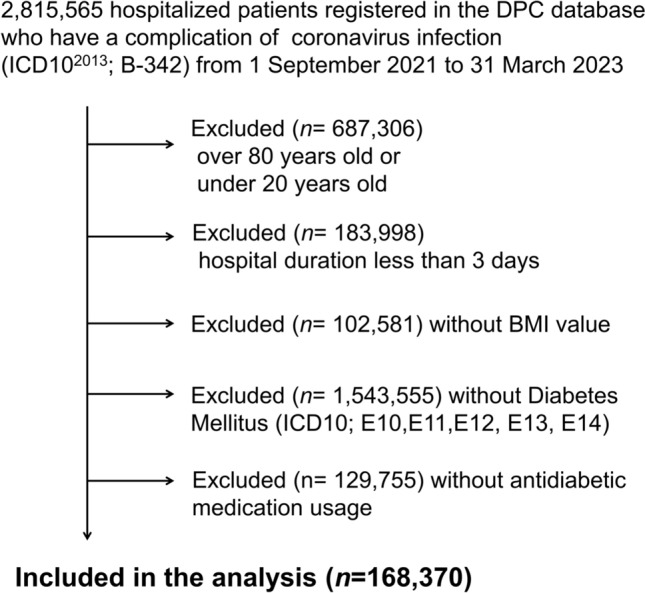 Figure 1
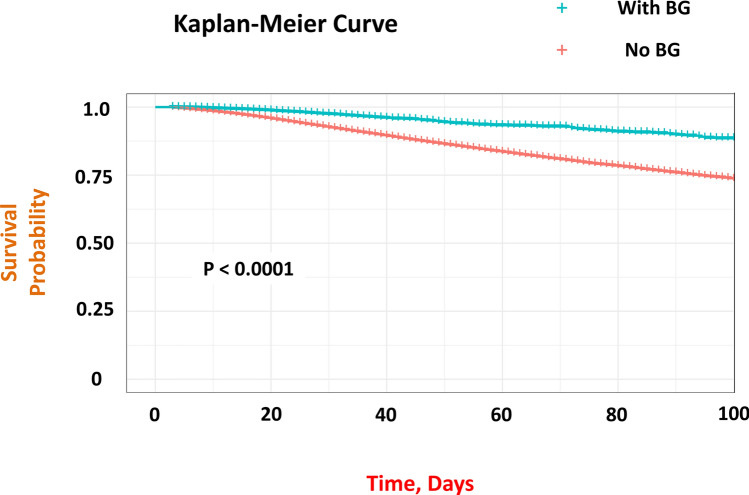 Figure 2
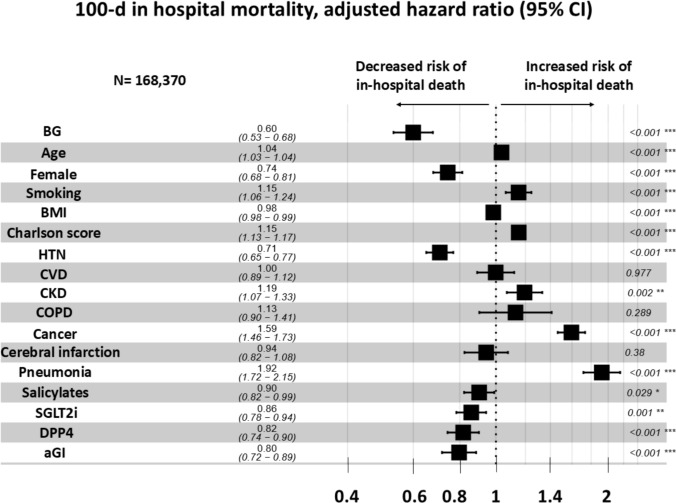 Figure 3
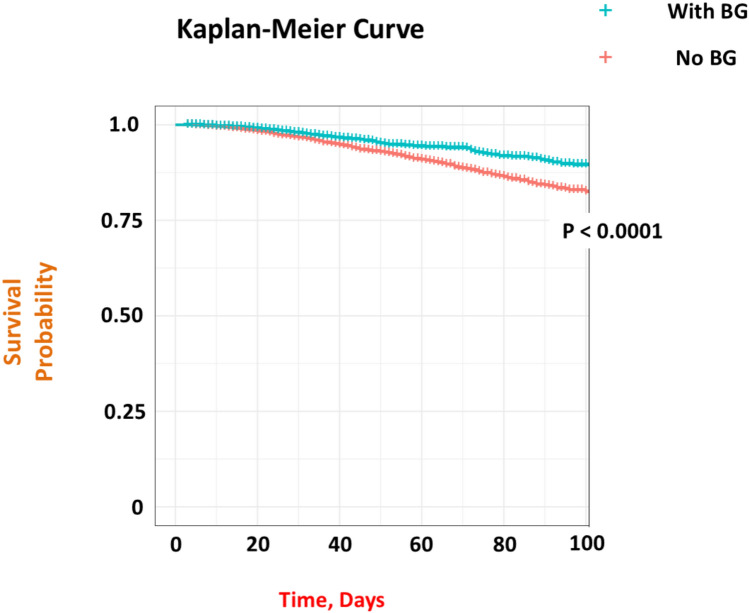 Figure 4
Peer Reviews
No public reviews on file for this paper yet. If you reviewed it on a platform where reviews are public (OpenReview, ICLR, NeurIPS, ICML), you can paste yours below so the community can read it here.
Videos
No videos yet. Explain this paper in a talk, walkthrough, or lecture? Add one.
Taxonomy
TopicsCOVID-19 Clinical Research Studies · Intensive Care Unit Cognitive Disorders · Sepsis Diagnosis and Treatment