Epoxy-oxylipins direct monocyte fate in inflammatory resolution in humans
Olivia V. Bracken, Parinaaz Jalali, James R. W. Glanville, Larrissa Benvenutti, Emma S. Chambers, Hugh Trahair, Madhur Motwani, Karen T. Feehan, Jamie G. Evans, Jhonatan de Souza Carvalho, Roel P. H. De Maeyer, Arne N. Akbar, Fred B. Lih, Darryl C. Zeldin, David Bishop-Bailey

TL;DR
This study shows that epoxy-oxylipins control monocyte behavior during inflammation in humans, offering a new approach to treat chronic inflammatory diseases.
Contribution
The study identifies a novel mechanism by which epoxy-oxylipins regulate monocyte differentiation and inflammation resolution in humans.
Findings
Epoxy-oxylipins are present in human blood and increase during inflammation.
Inhibiting sEH reduces intermediate monocytes and accelerates pain resolution.
12,13-EpOME blocks monocyte transition via p38 MAPK, confirmed in vivo and in vitro.
Abstract
The role of cytochrome P450-derived epoxy-oxylipins and their metabolites in human inflammation and resolution is unknown. We report that epoxy-oxylipins are present in blood of healthy, male volunteers at baseline and following intradermal injection of UV-killed Escherichia coli, an experimental model of acute resolving inflammation. At the site of inflammation, cytochrome P450s and epoxide hydrolase (EH) isoforms, which catabolise oxylipins to corresponding diols, are differentially upregulated throughout the inflammatory response, as is the biosynthesis of epoxy-oxylipins. GSK2256294, a selective sEH inhibitor specifically elevates 12,13-EpOME and 14,15-EET. While inhibition of sEH hastens pain resolution, it has no effect on tissue heat, redness and swelling. GSK2256294, however, significantly reduces numbers of circulating intermediate monocytes that expand during inflammation. We…
Genes, proteins, chemicals, diseases, species, mutations and cell lines named across the full text — each resolved to its canonical identifier and authoritative record.
Click any figure to enlarge with its caption.
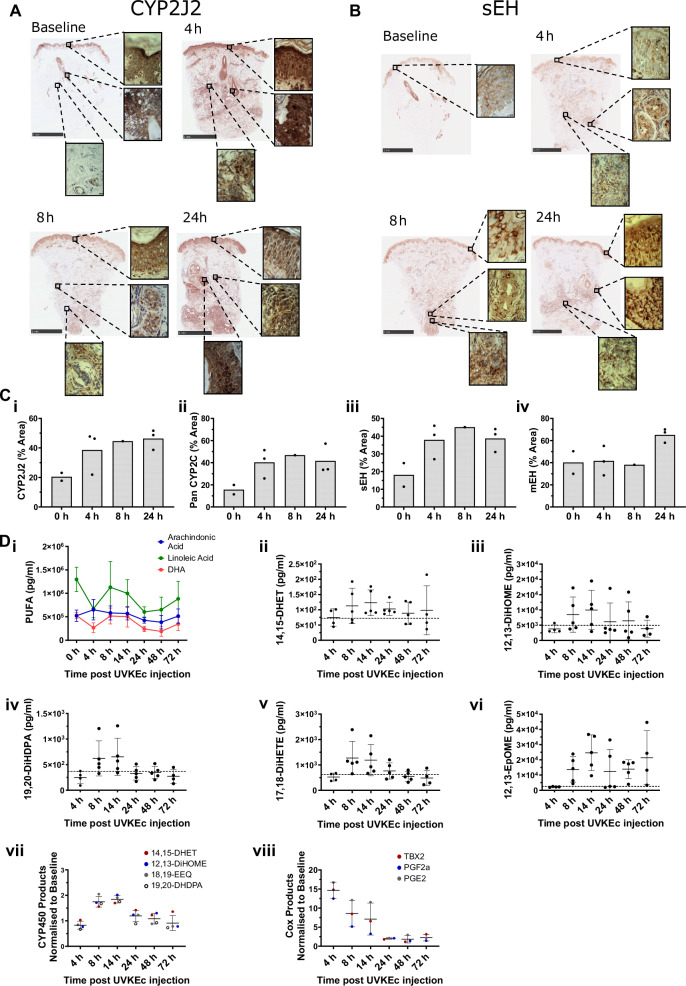 Figure 1
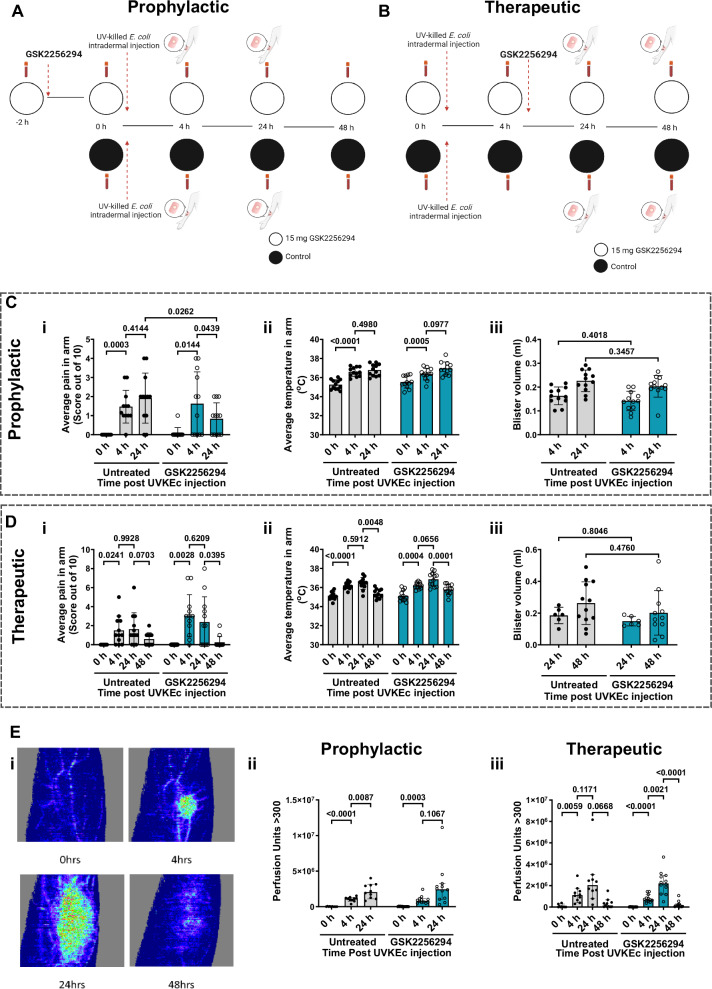 Figure 2
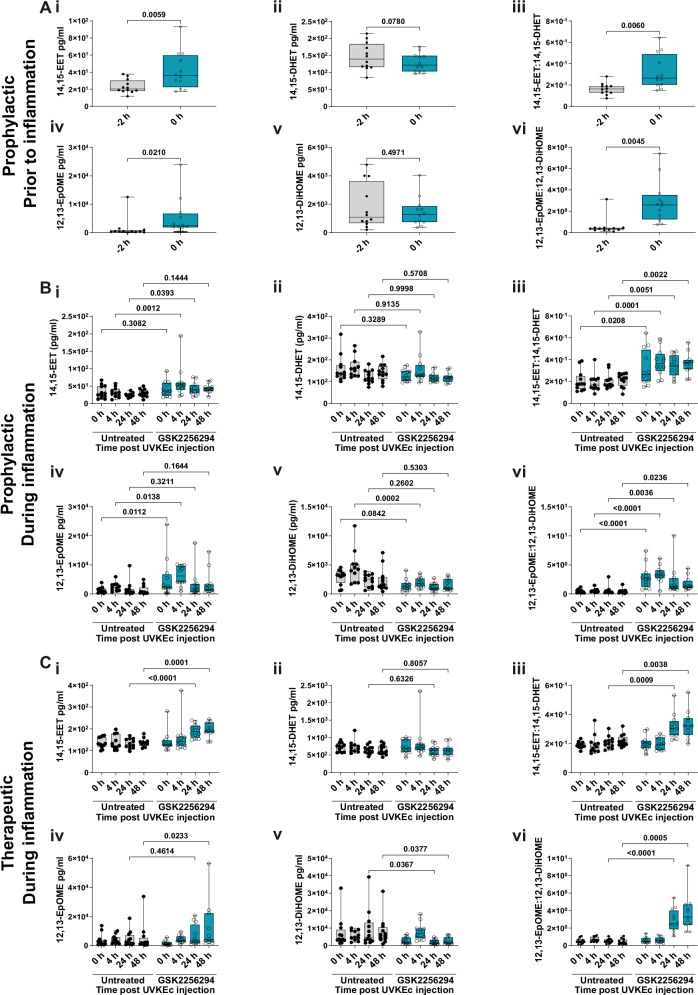 Figure 3
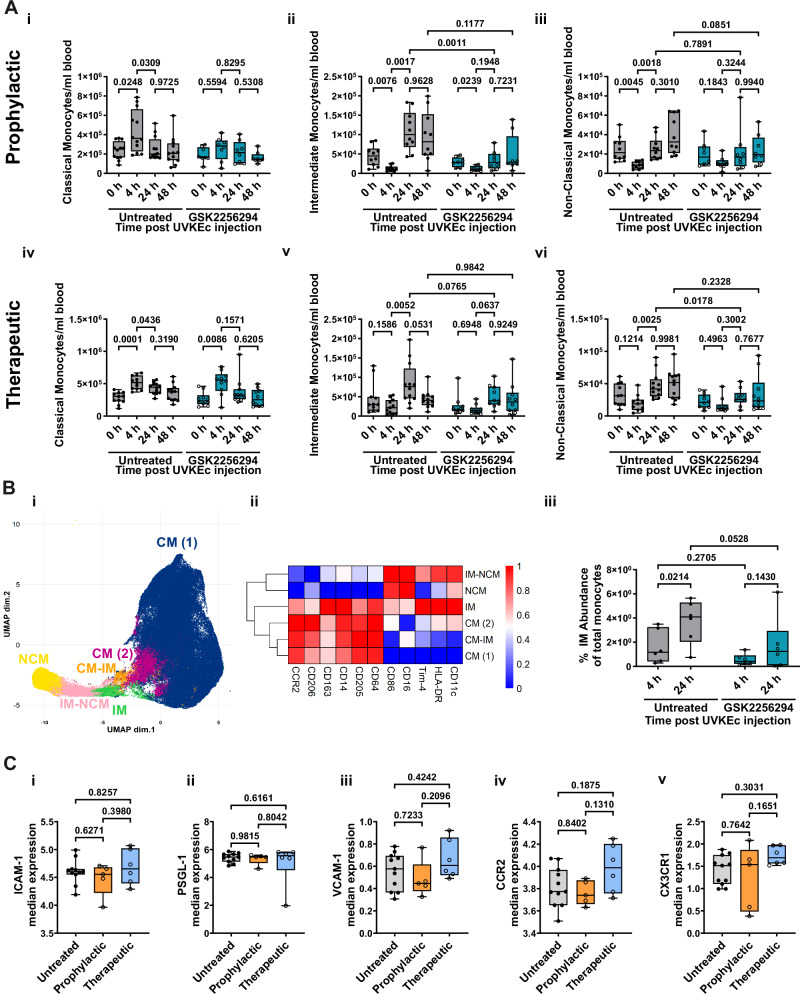 Figure 4
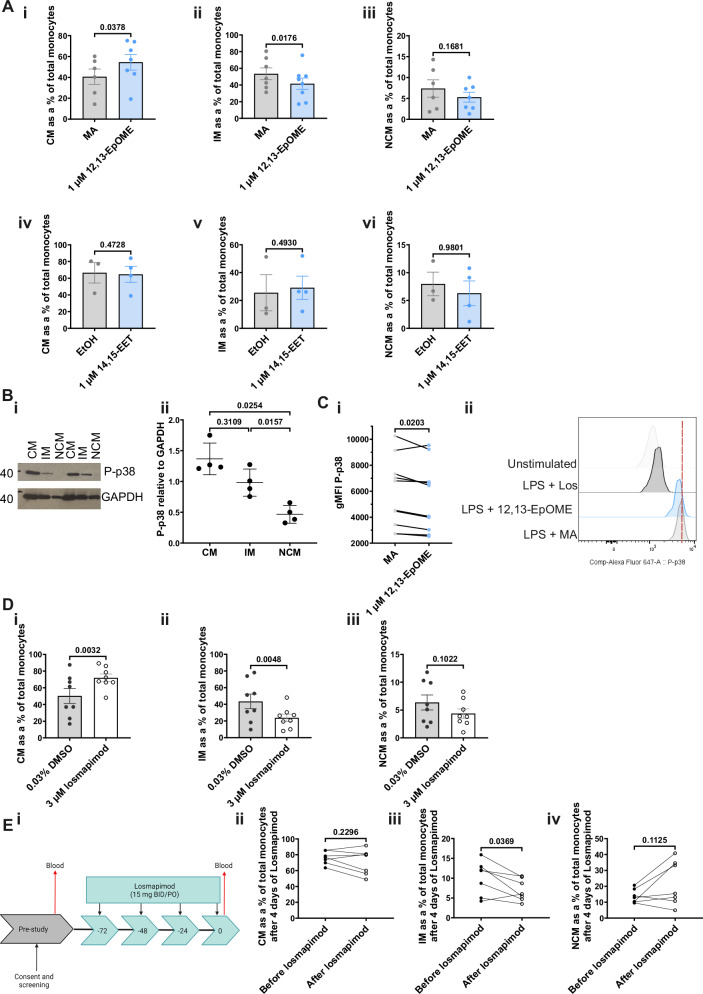 Figure 5
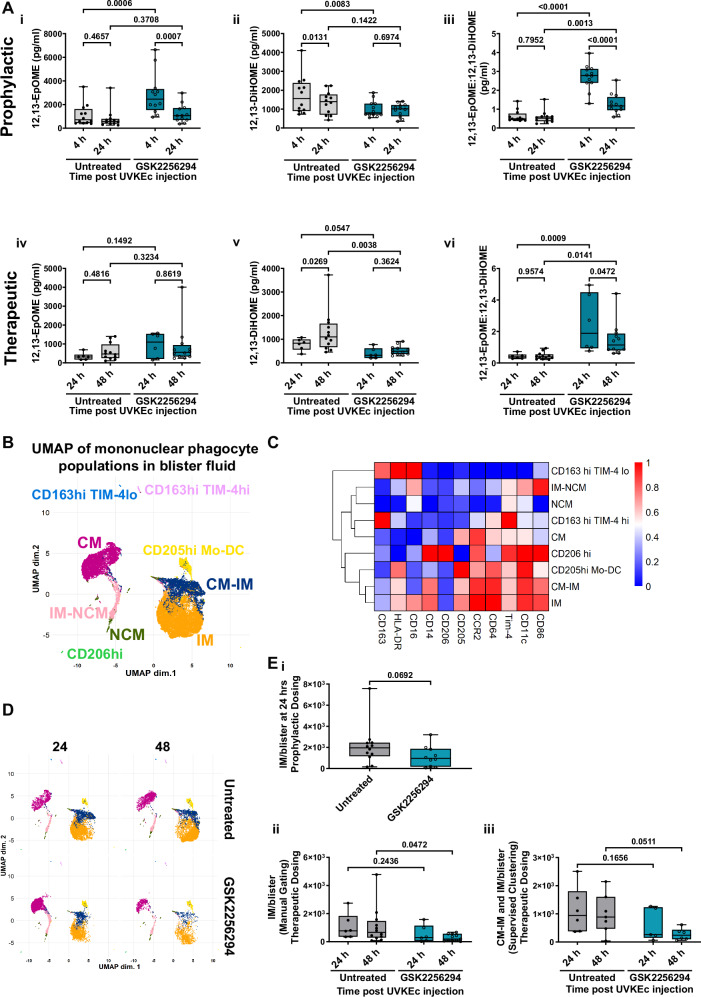 Figure 6
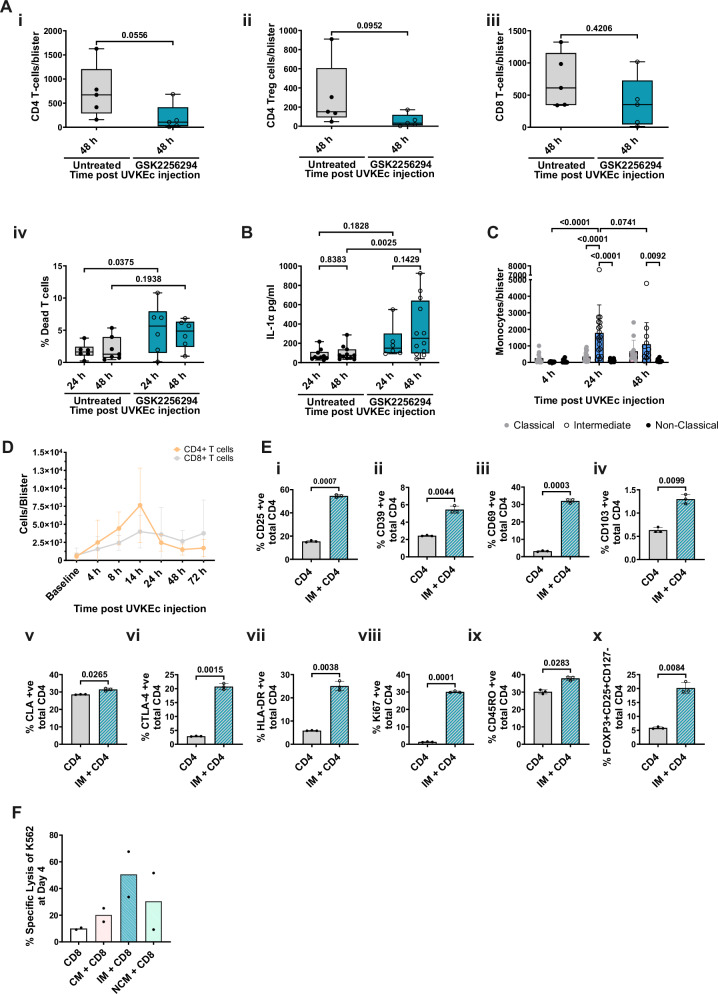 Figure 7
Peer Reviews
No public reviews on file for this paper yet. If you reviewed it on a platform where reviews are public (OpenReview, ICLR, NeurIPS, ICML), you can paste yours below so the community can read it here.
Videos
No videos yet. Explain this paper in a talk, walkthrough, or lecture? Add one.
Taxonomy
TopicsEicosanoids and Hypertension Pharmacology · Heme Oxygenase-1 and Carbon Monoxide · Microbial metabolism and enzyme function