Reflecting upon Similarities and Differences among the IAT, the IRAP, and the FAST: Searching for Clarity
Alceu Regaço, Colin Harte, Dermot Barnes-Holmes, Julio C. de Rose

TL;DR
This paper compares three psychological tests—IAT, IRAP, and FAST—to clarify their similarities and differences in measuring implicit attitudes and behaviors.
Contribution
The paper provides a comprehensive comparison of three implicit assessment procedures from both procedural and theoretical perspectives.
Findings
The IAT, IRAP, and FAST differ in their procedural design and theoretical foundations.
The paper identifies key points of contact and departure among the three procedures.
It advocates for a balanced evaluation of these methods in behavioral analysis.
Abstract
The development of procedures to assess the psychological functions of stimuli has long been a prevalent endeavor in psychological science. It can be argued that one of the most influential of such procedures is the implicit association test (IAT), which was conceived as a measure of implicit attitudes within social-cognitive psychology. Two other procedures, developed within a behavior-analytic theoretical framework, were inspired by the IAT: the implicit relational assessment procedure (IRAP) and the function acquisition speed test (FAST). The current article aims to thoroughly describe and compare the IAT, the IRAP and the FAST, focusing on their procedural characteristics and theoretical backgrounds, before then considering theoretical implications specific to each procedure. Finally, we briefly reflect on a number of theoretical implications that arose from the foregoing…
Genes, proteins, chemicals, diseases, species, mutations and cell lines named across the full text — each resolved to its canonical identifier and authoritative record.
Click any figure to enlarge with its caption.
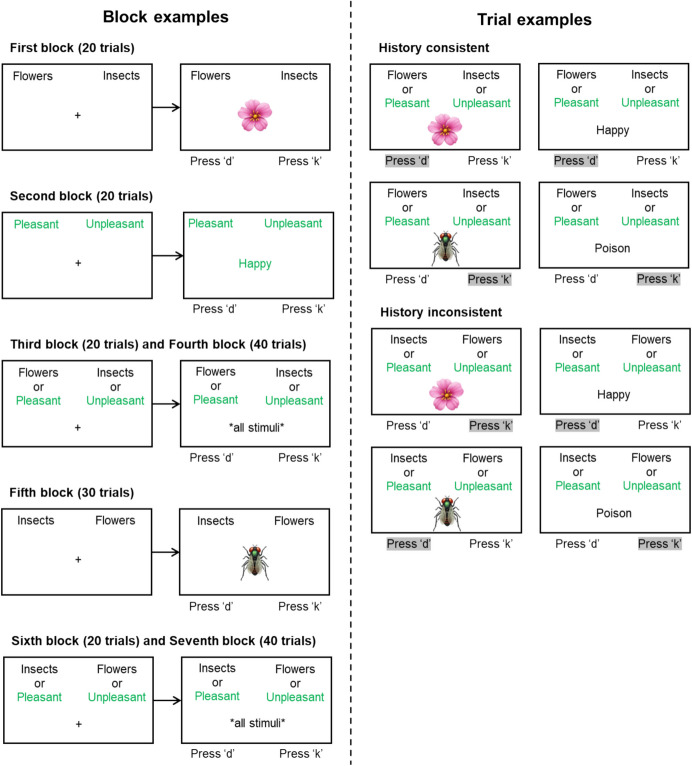 Figure 1
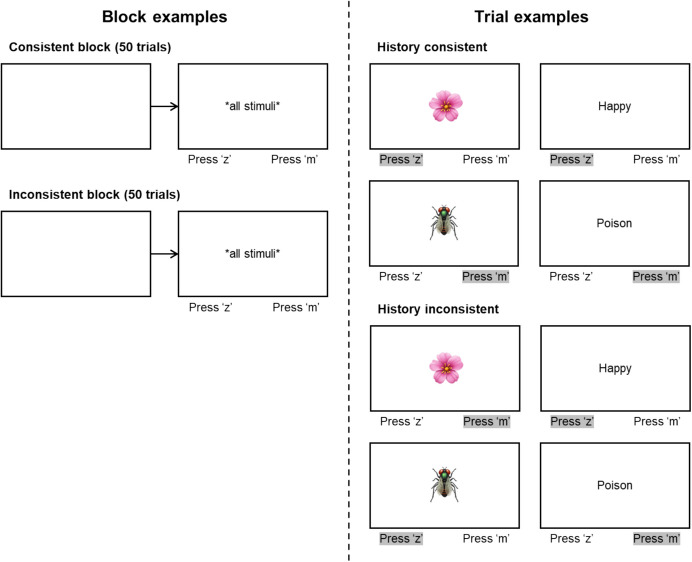 Figure 2
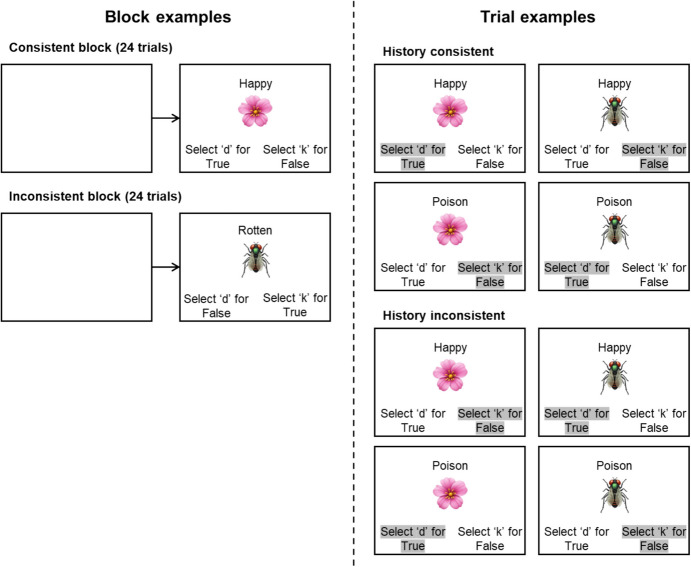 Figure 3
Peer Reviews
No public reviews on file for this paper yet. If you reviewed it on a platform where reviews are public (OpenReview, ICLR, NeurIPS, ICML), you can paste yours below so the community can read it here.
Videos
No videos yet. Explain this paper in a talk, walkthrough, or lecture? Add one.
Taxonomy
TopicsOccupational and Professional Licensing Regulation