Rice Coconut Yogurt: Insights Into Physicochemical Properties, Microbial Stability, and Consumer Acceptance as a Plant‐Based Alternative
Md. Naimur Rahman, Md. Nahidul Islam, Md. Sazzat Hossain Sarker, Md. Sultan Mahomud

TL;DR
This study explores rice and coconut milk as bases for plant-based yogurts, finding that coconut milk yogurt is stable and acidic, while rice milk yogurt is well-liked by consumers.
Contribution
The study introduces rice and coconut milk as viable bases for plant-based yogurts with favorable physicochemical and sensory properties.
Findings
Coconut milk yogurt had the lowest pH and highest acidity, with superior color and water-holding capacity.
Rice milk yogurt showed higher syneresis but was most accepted by consumers.
Both rice and coconut milk yogurts are viable dairy alternatives for lactose-intolerant individuals.
Abstract
The rising consumer demand for plant‐based and non‐dairy yogurts prompted this investigation into the potential of incorporating coconut milk and rice milk into yogurt production. Yogurt samples were prepared by blending skim milk powder (SMP) with rice milk, coconut milk, cow milk, and a 50:50 rice‐coconut milk mixture, alongside a control made from 100% cow milk. Comprehensive analyses evaluated physicochemical properties—pH, acidity, water‐holding capacity, syneresis, viscosity, total soluble solids, moisture content, total solids, and color—as well as microbiological counts and sensory attributes. Results revealed that coconut milk yogurt had the lowest pH (4.10 ± 0.021) and highest acidity (1097.67 ± 7.51 mg/100 mL), while adding SMP to cow milk increased pH to 5.02 ± 0.021 and reduced acidity. Coconut milk yogurt also exhibited superior color, water‐holding capacity (57.46% ±…
Genes, proteins, chemicals, diseases, species, mutations and cell lines named across the full text — each resolved to its canonical identifier and authoritative record.
Click any figure to enlarge with its caption.
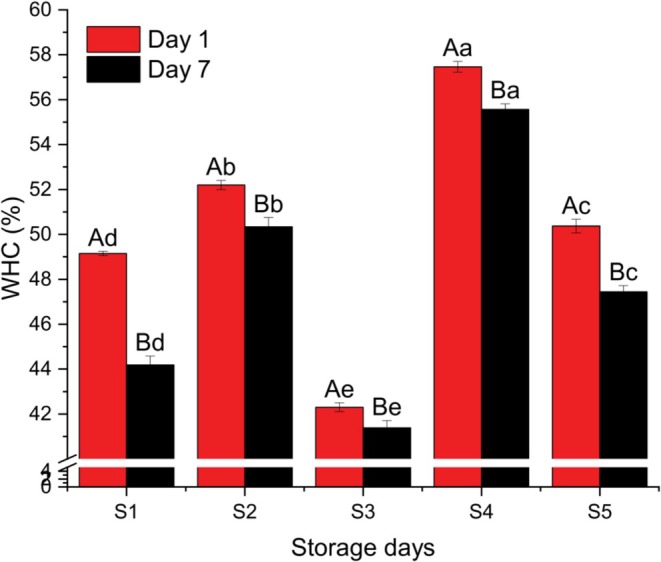 Figure 1
 Figure 2
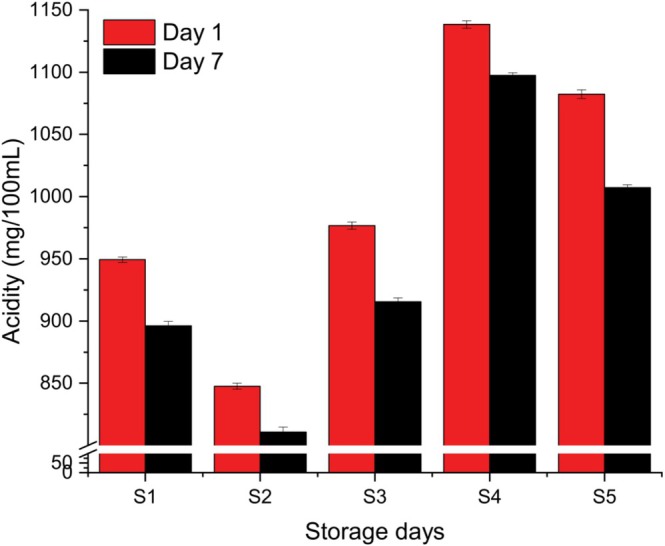 Figure 3
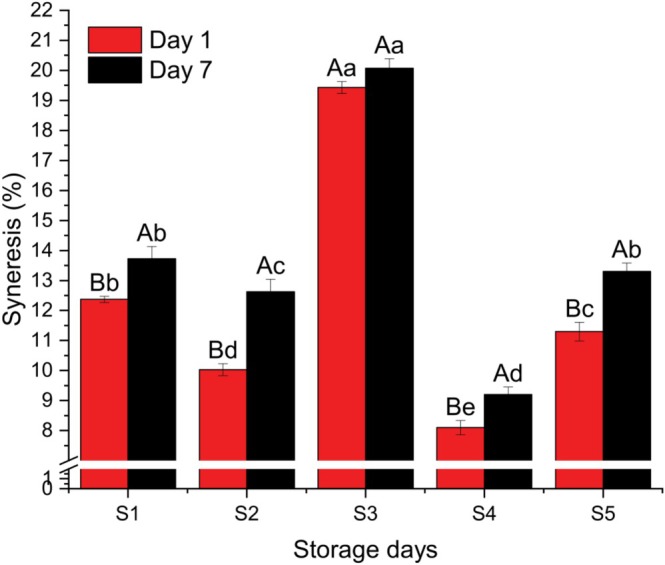 Figure 4
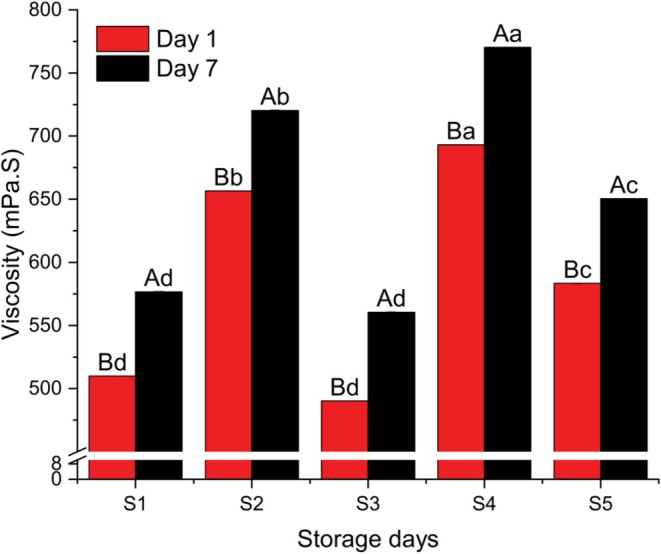 Figure 5
 Figure 6
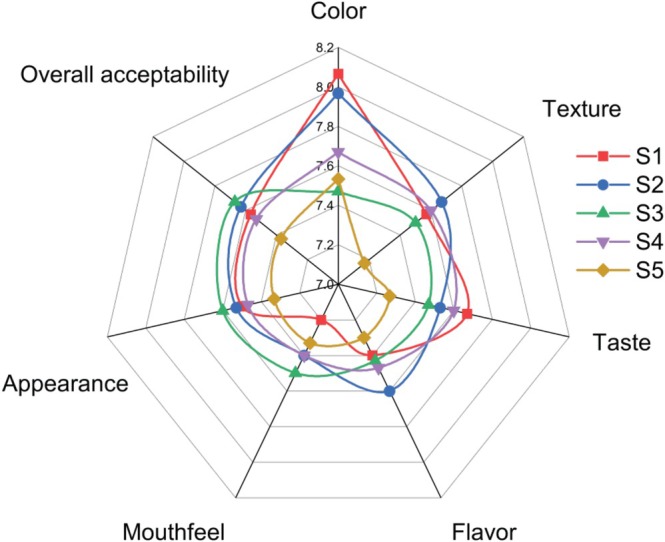 Figure 7
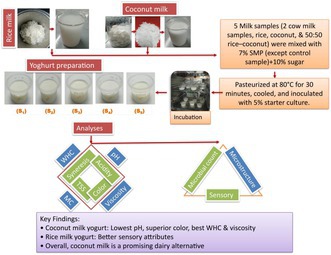 Figure 8
 Figure 9
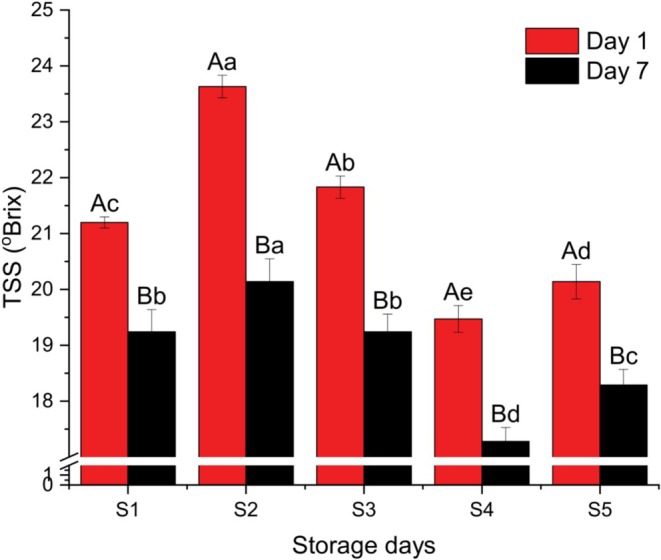 Figure 10
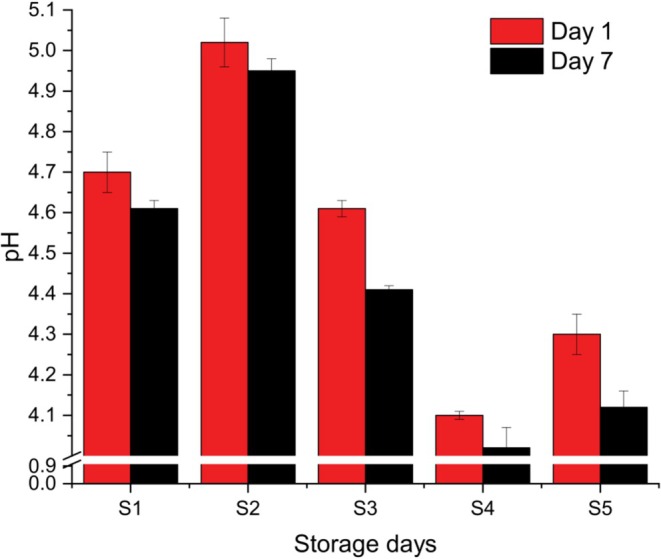 Figure 11
Peer Reviews
No public reviews on file for this paper yet. If you reviewed it on a platform where reviews are public (OpenReview, ICLR, NeurIPS, ICML), you can paste yours below so the community can read it here.
Videos
No videos yet. Explain this paper in a talk, walkthrough, or lecture? Add one.
Taxonomy
TopicsCoconut Research and Applications · Probiotics and Fermented Foods · Proteins in Food Systems