A disrupted compartment boundary underlies abnormal cardiac patterning and congenital heart defects
Irfan S. Kathiriya, Martin H. Dominguez, Kavitha S. Rao, Jonathon M. Muncie-Vasic, W. Patrick Devine, Kevin M. Hu, Swetansu K. Hota, Bayardo I. Garay, Diego Quintero, Piyush Goyal, Megan N. Matthews, Reuben Thomas, Tatyana Sukonnik, Dario Miguel-Perez, Sarah Winchester

TL;DR
This study identifies a specific heart progenitor lineage that forms a boundary in the heart's septum, and disruptions in this lineage lead to congenital heart defects in mice.
Contribution
The paper discovers a Tbx5+/Mef2cAHF+ progenitor lineage that forms a critical boundary for cardiac septation and contributes to congenital heart defects when disrupted.
Findings
Ablation of Tbx5+/Mef2cAHF+ progenitors causes IVS disorganization and right ventricular hypoplasia.
Reduced TBX5 dosage disrupts boundary integrity and leads to septation and patterning defects.
Reducing NTN1 dosage partially rescues cardiac defects in Tbx5 mutant embryos.
Abstract
Failure of septation of the interventricular septum (IVS) is the most common congenital heart defect, but mechanisms for patterning the IVS are largely unknown. Here we show that a Tbx5+/Mef2cAHF+ progenitor lineage forms a compartment boundary bisecting the IVS. This coordinated population originates at a first and second heart field interface. Ablation of Tbx5+/Mef2cAHF+ progenitors causes IVS disorganization, right ventricular hypoplasia and mixing of IVS lineages. Reduced dosage of the congenital heart defect transcription factor TBX5 disrupts boundary position and integrity, resulting in ventricular septation defects and patterning defects, including misexpression of Slit2 and Ntn1, which encode guidance cues. Reducing NTN1 dosage partly rescues cardiac defects in Tbx5 mutant embryos. Loss of Slit2 or Ntn1 causes ventricular septation defects and perturbed septal lineage…
Genes, proteins, chemicals, diseases, species, mutations and cell lines named across the full text — each resolved to its canonical identifier and authoritative record.
Click any figure to enlarge with its caption.
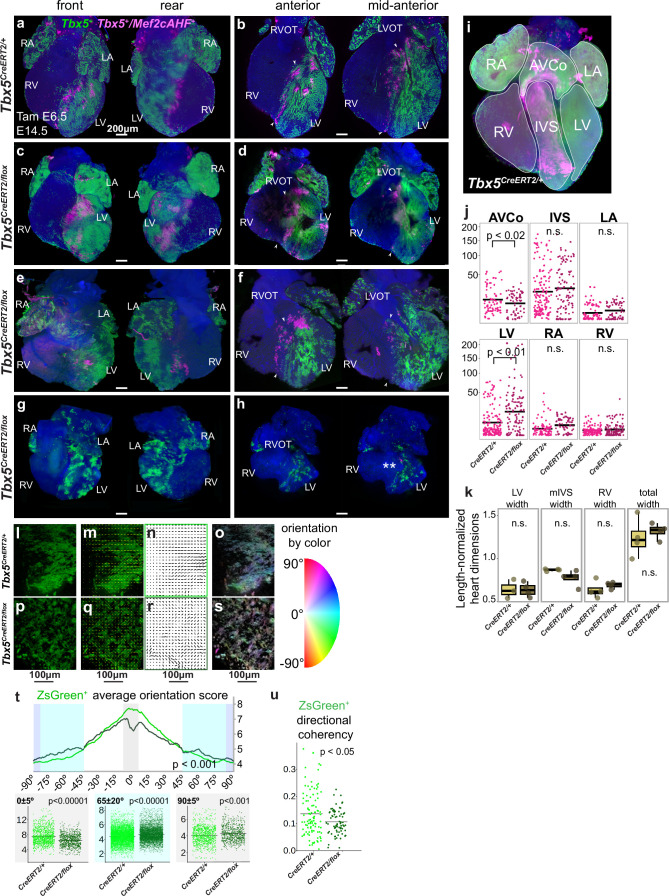 Figure 10
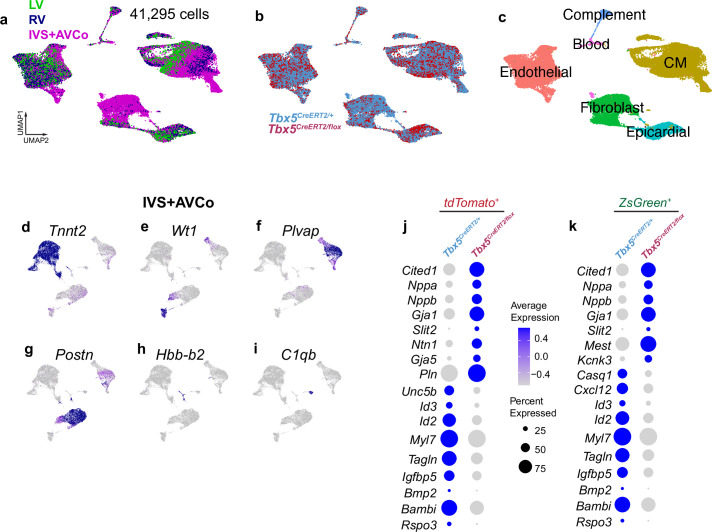 Figure 11
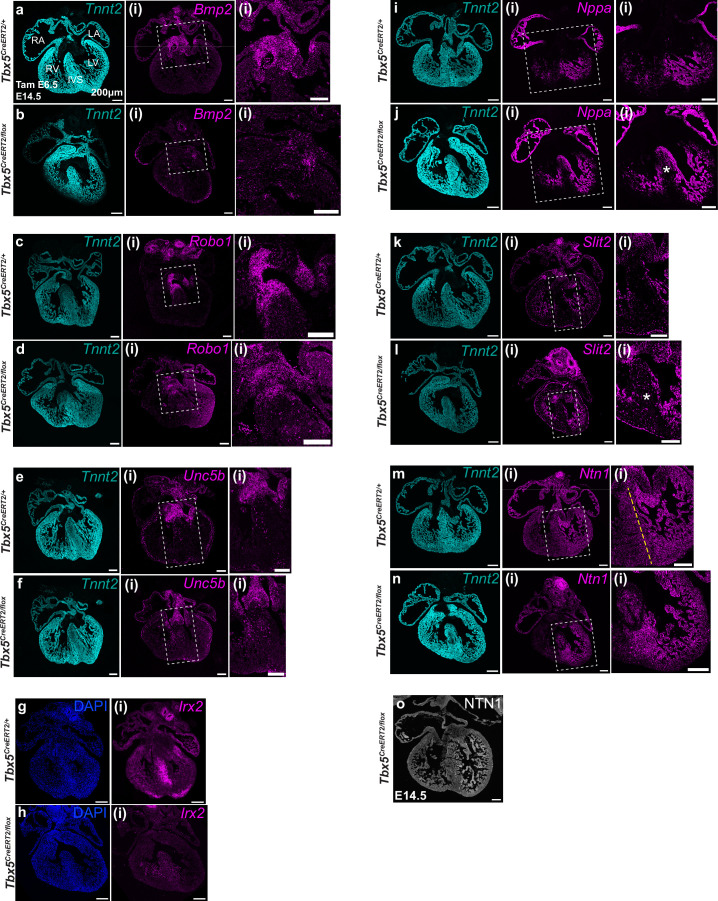 Figure 12
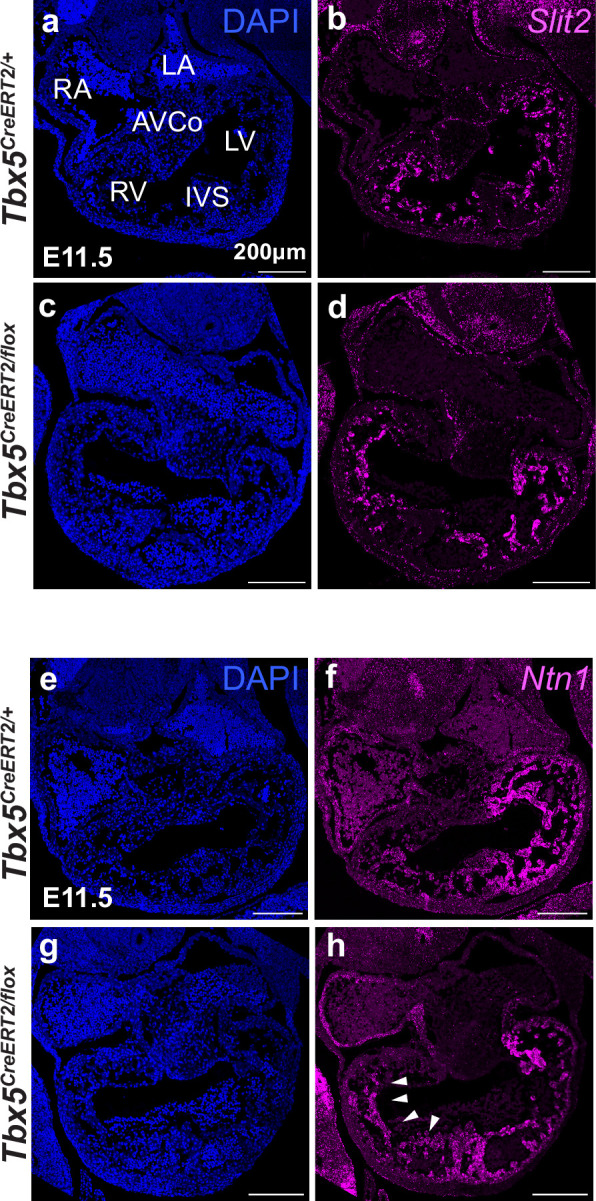 Figure 13
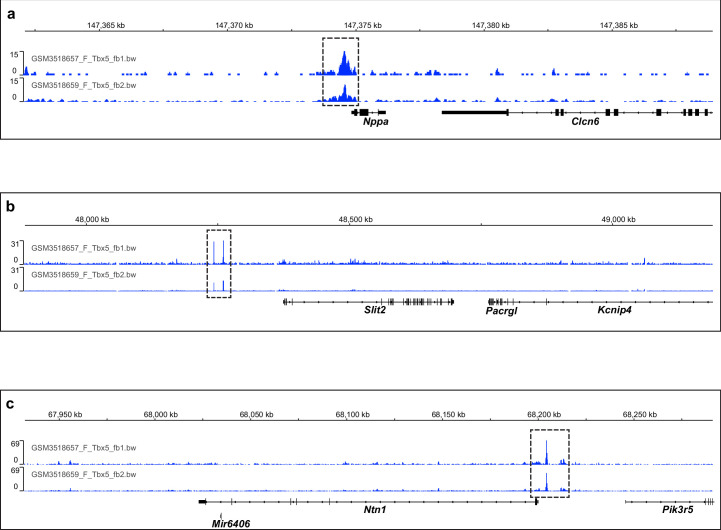 Figure 14
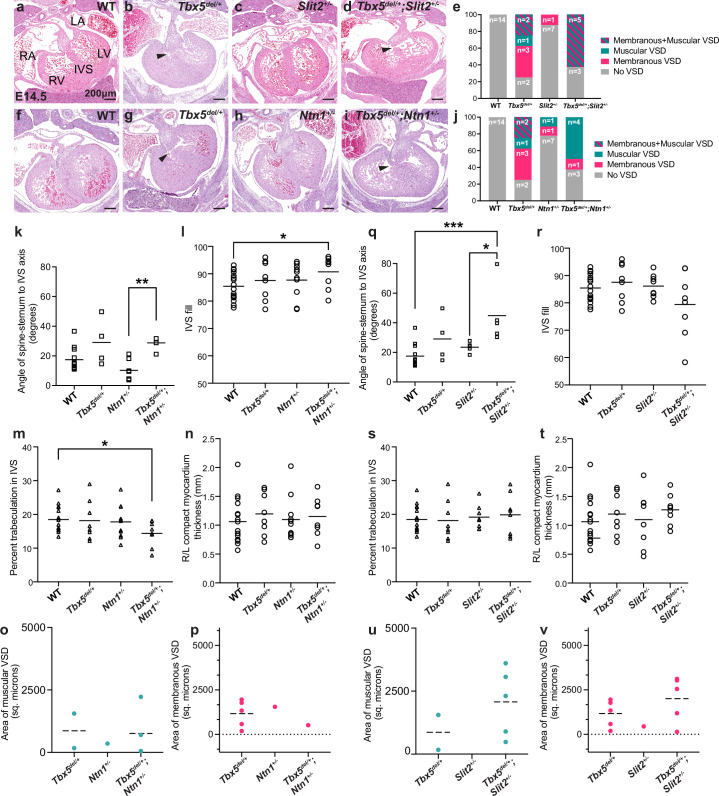 Figure 15
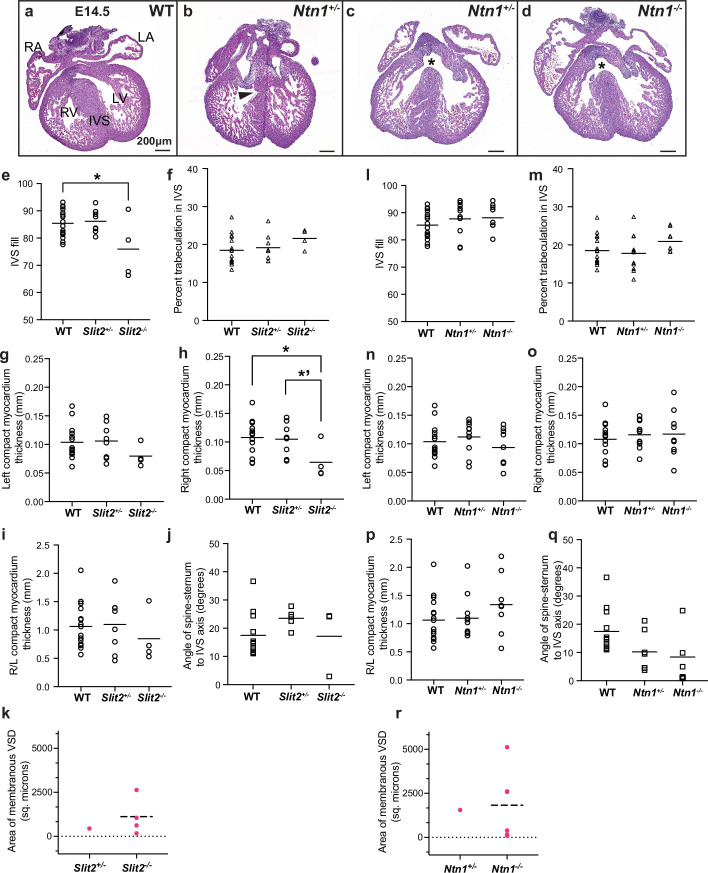 Figure 16
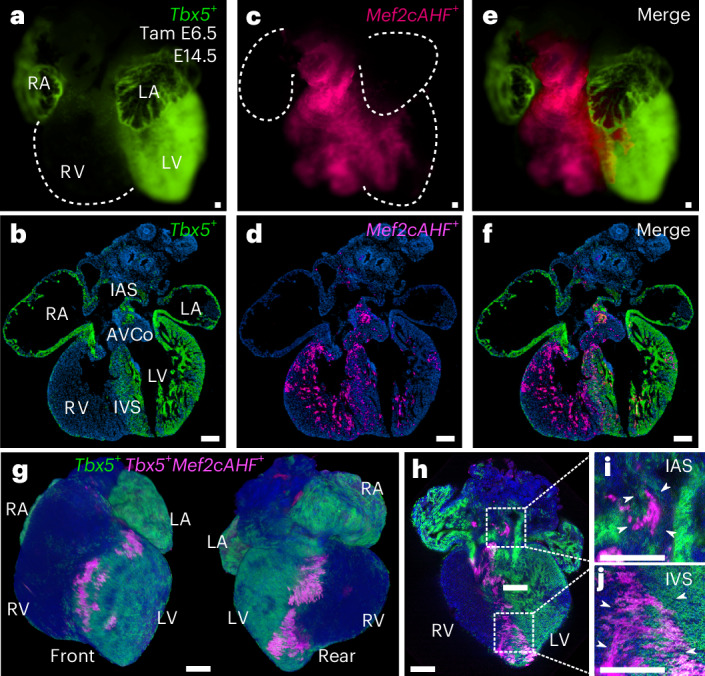 Figure 1
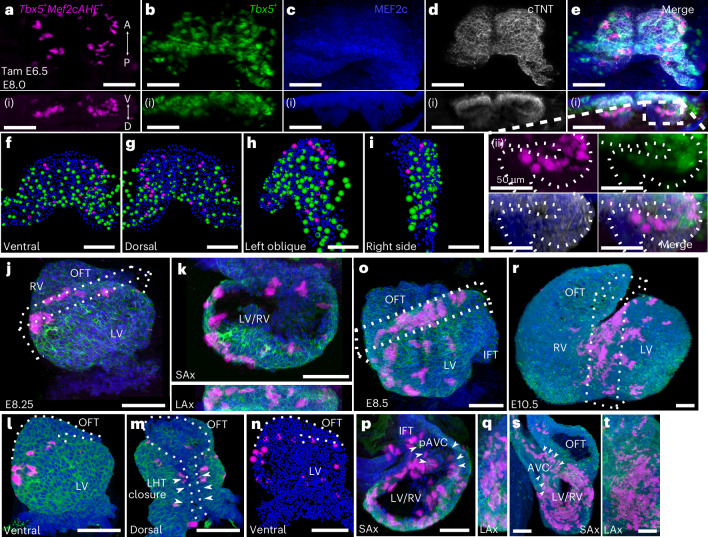 Figure 2
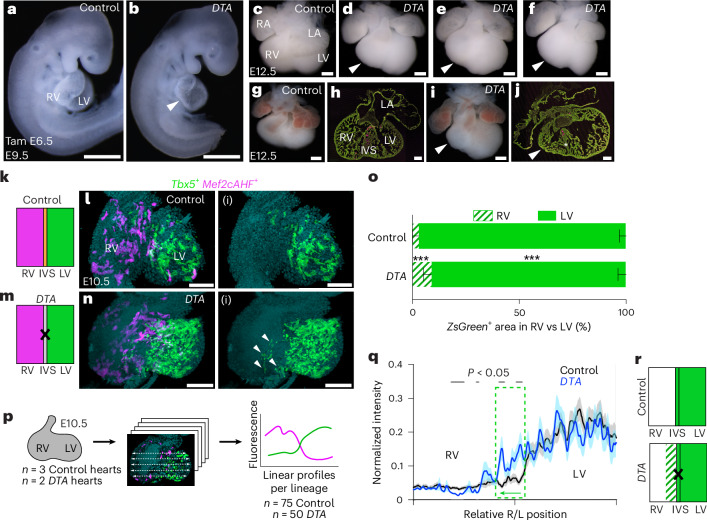 Figure 3
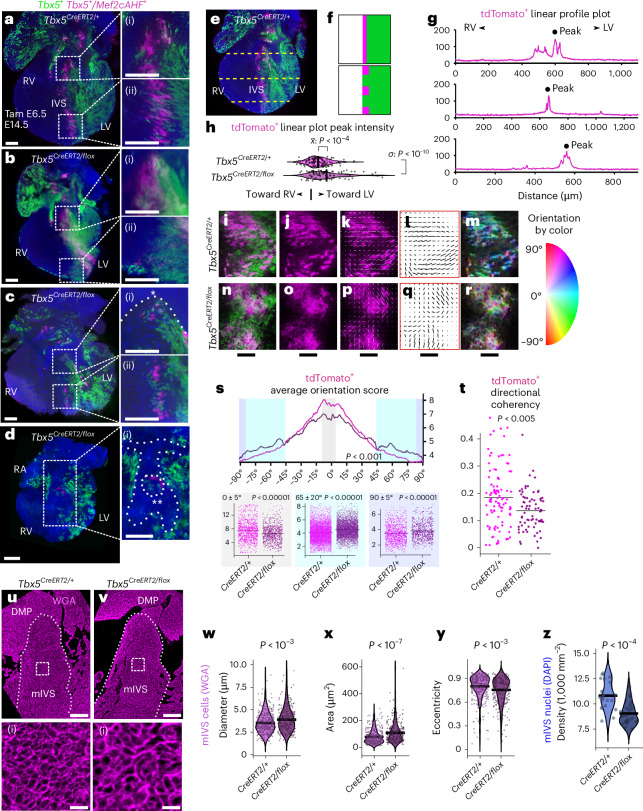 Figure 4
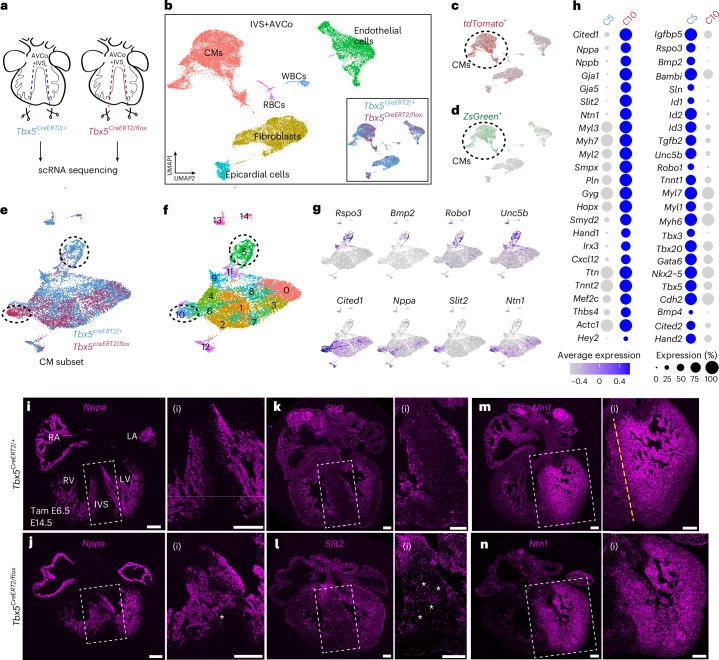 Figure 5
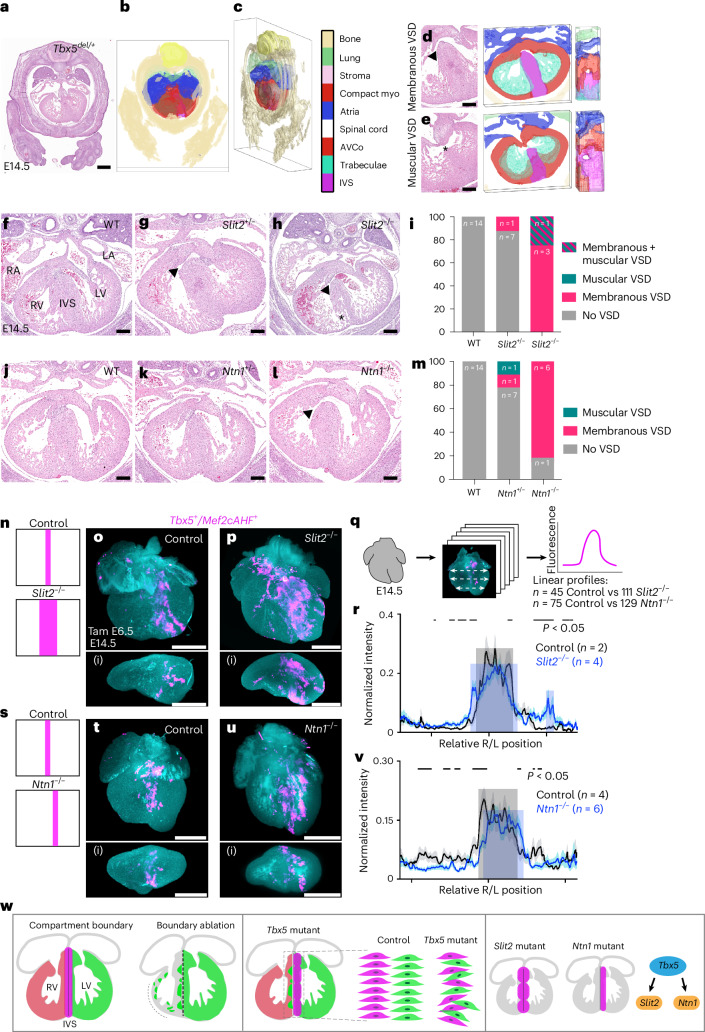 Figure 6
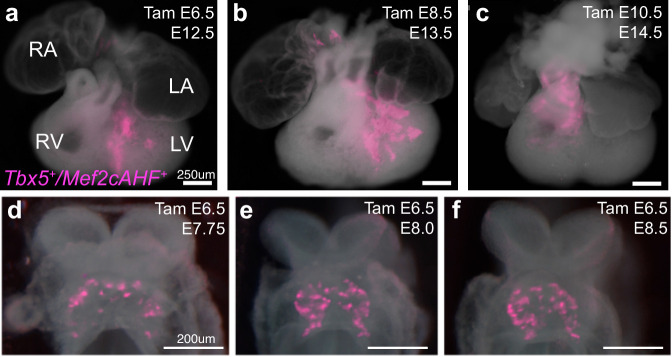 Figure 7
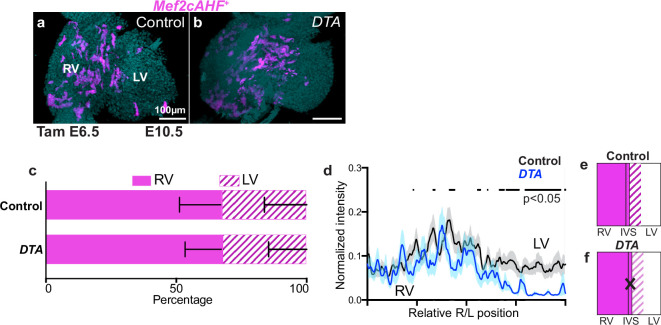 Figure 8
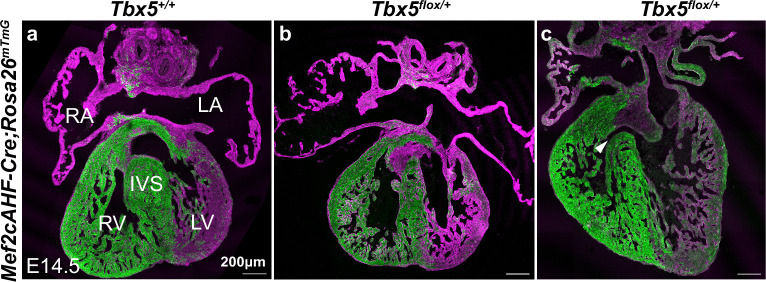 Figure 9
Peer Reviews
No public reviews on file for this paper yet. If you reviewed it on a platform where reviews are public (OpenReview, ICLR, NeurIPS, ICML), you can paste yours below so the community can read it here.
Videos
No videos yet. Explain this paper in a talk, walkthrough, or lecture? Add one.
Taxonomy
TopicsCongenital heart defects research · Congenital Heart Disease Studies · Developmental Biology and Gene Regulation