A Morphometric Analysis of the Middle Cranial Fossa in Mexican Adults for Dolenc and Kawase Approaches With Computed Tomography, 3D Reconstruction and Dry Skulls
Edgar Nathal, Alejandro Serrano Rubio, Alejandro Becerril-Mejía, Ambar Elizabeth Riley-Moguel, Manuel Angeles-Castellanos, Karen Eloisa Xochipa-Ruiz, José Carlos Rocha-Villegas, Zahira Elizabeth Medina-Félix, Dora Yvette Lugo-Hilario

TL;DR
This study measures the middle cranial fossa in Mexican adults using CT scans and dry skulls to improve surgical approaches like Dolenc and Kawase.
Contribution
The study provides the first population-specific morphometric norms for Mexican adults to guide middle fossa surgical approaches.
Findings
CT scans reliably measure FO-FS distances for extradural orientation in middle fossa approaches.
CT underestimates FO-AE and FS-AE distances compared to dry skulls, affecting Kawase approach planning.
The innominate pillar is a consistent landmark for locating CN V3 between FO and FS.
Abstract
Background: Accurate middle cranial fossa (MCF) morphometry is crucial for the safe application of middle fossa approaches such as the Dolenc and Kawase approaches, which expand exposure to the cavernous sinus and petroclival region. These parameters vary widely among individuals and populations, making population-specific data important. We therefore collected MCF measurements in Mexican adults using both CT scans and dry skulls to establish normative values and assess the accuracy of CT scans. Methods: Two cohorts (97/107 subjects each) were analyzed: head CT scans (in vivo) and dry skulls (ex vivo) of adult Mexicans. Key distances (Foramen ovale (FO) - Foramen spinosum (FS), FO - arcuate eminence (AE), FS - AE) and innominate pillar thickness were measured bilaterally (each in duplicate). CT versus skull differences were tested (α = 0.05) using side-to-side symmetry analysis, and…
Genes, proteins, chemicals, diseases, species, mutations and cell lines named across the full text — each resolved to its canonical identifier and authoritative record.
Click any figure to enlarge with its caption.
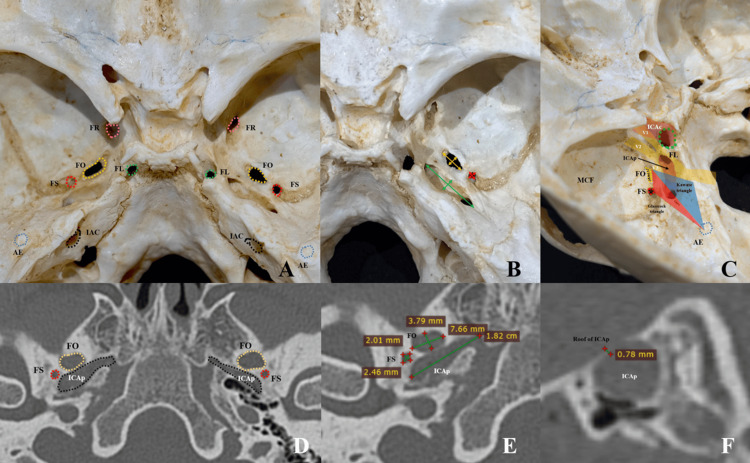 Figure 1
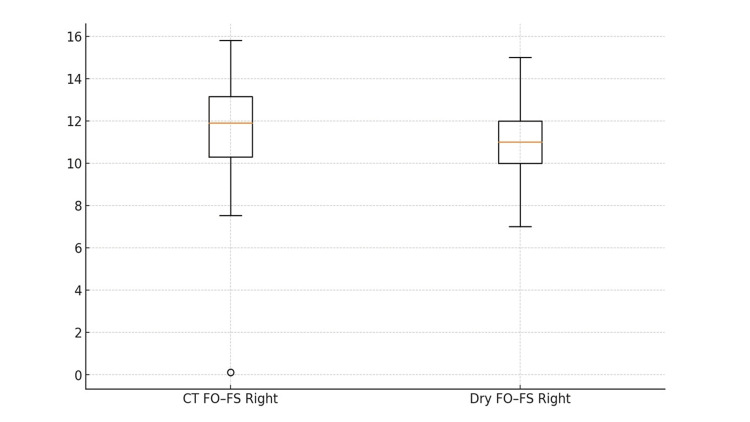 Figure 2
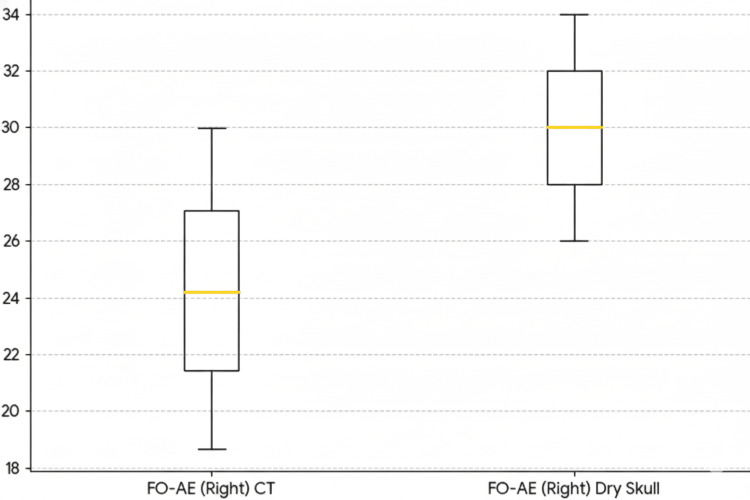 Figure 3
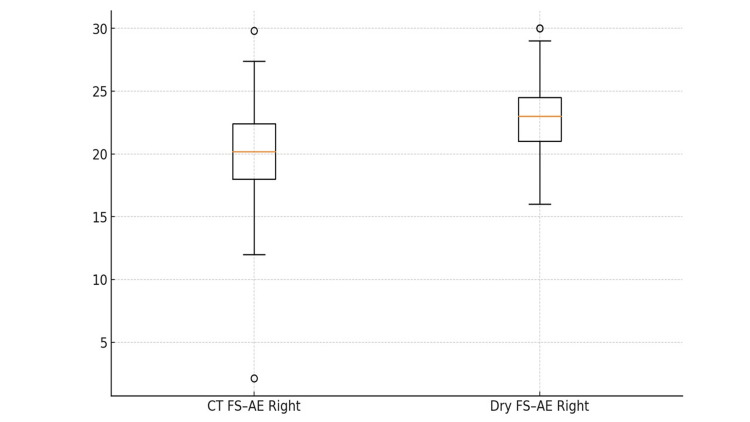 Figure 4
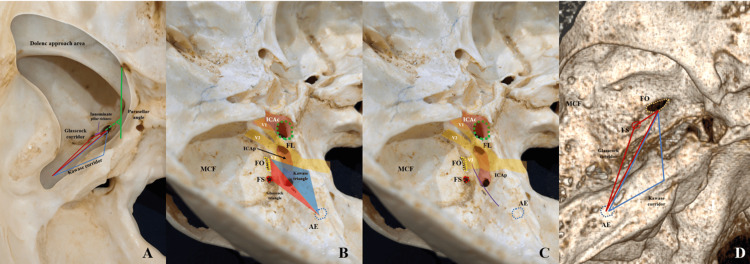 Figure 5
Peer Reviews
No public reviews on file for this paper yet. If you reviewed it on a platform where reviews are public (OpenReview, ICLR, NeurIPS, ICML), you can paste yours below so the community can read it here.
Videos
No videos yet. Explain this paper in a talk, walkthrough, or lecture? Add one.
Taxonomy
TopicsForensic Anthropology and Bioarchaeology Studies · Craniofacial Disorders and Treatments · Orthodontics and Dentofacial Orthopedics