Mitochondrial Transporter ABCB10 Protects Against Doxorubicin‐Induced Respiratory Muscle Dysfunction Independent of Changes to Diaphragm Accumulation
Ashley J. Smuder, Vivian Doerr, Cesar E. Jacintho Moritz, Jie Li, Branden L. Nguyen

TL;DR
ABCB10, a mitochondrial transporter, protects diaphragm muscles from doxorubicin toxicity by regulating iron and heme, not by removing the drug.
Contribution
ABCB10's protective role against doxorubicin-induced respiratory muscle dysfunction is revealed to be iron-regulation based, not drug export.
Findings
ABCB10 improves diaphragm fatigue resistance and force production after doxorubicin treatment.
ABCB10 reduces mitochondrial iron and preserves heme synthesis markers without affecting doxorubicin accumulation.
ABCB10's benefits are observed in both single and multiple cycles of doxorubicin administration.
Abstract
Doxorubicin (DOX) is a highly effective chemotherapeutic agent whose use can cause respiratory toxicity, increasing patient fatigue and negatively impacting quality of life and survival. These adverse effects occur due to diaphragm muscle mitochondrial accumulation of DOX, where it causes reactive oxygen species production and iron dysregulation. ABCB10 is a mitochondria‐localized ATP‐binding cassette transporter hypothesized to play a role in the maintenance of mitochondrial redox balance and iron homeostasis, and potentially the mitochondrial export of DOX. This study investigated potential therapeutic effects of ABCB10 to prevent DOX‐induced respiratory muscle dysfunction. DOX respiratory muscle toxicity was modelled in rats using both single (20 mg/kg, once) and multicycle (5.7 mg/kg, 3 cycles) administration. The effects of overexpression and knockdown of ABCB10 on DOX‐induced…
Genes, proteins, chemicals, diseases, species, mutations and cell lines named across the full text — each resolved to its canonical identifier and authoritative record.
Click any figure to enlarge with its caption.
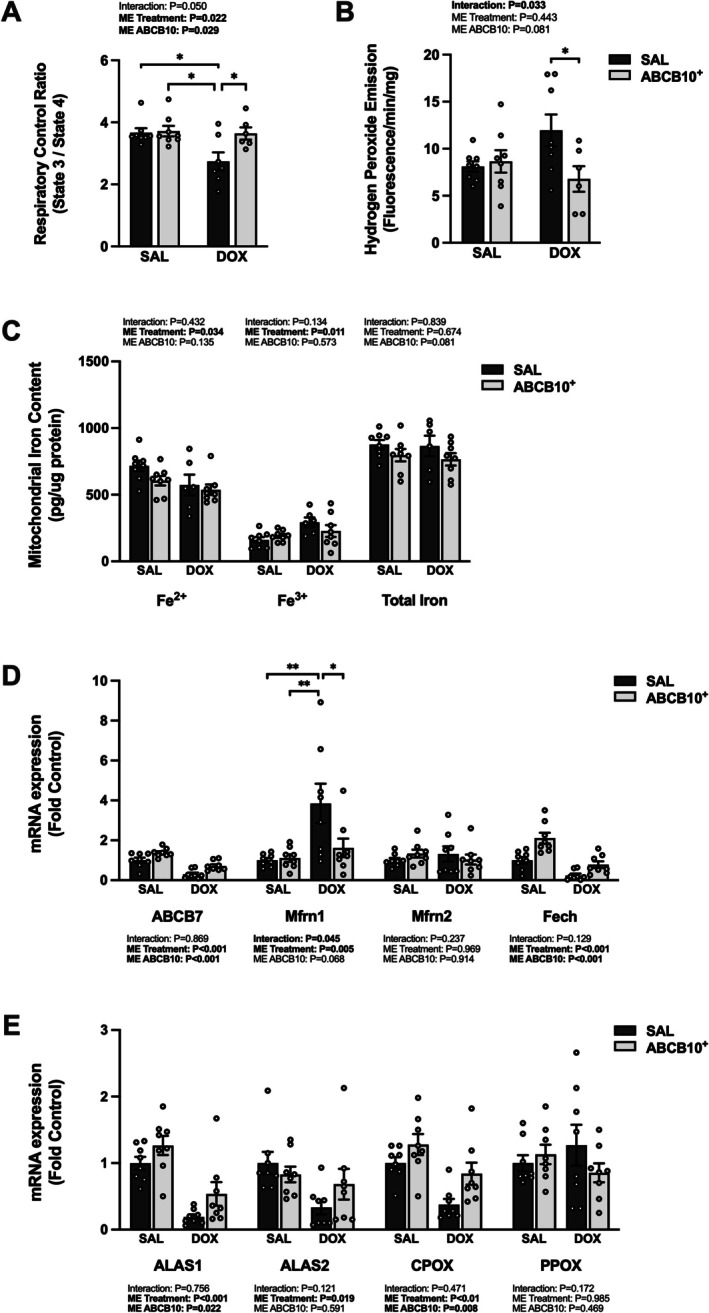 Figure 1
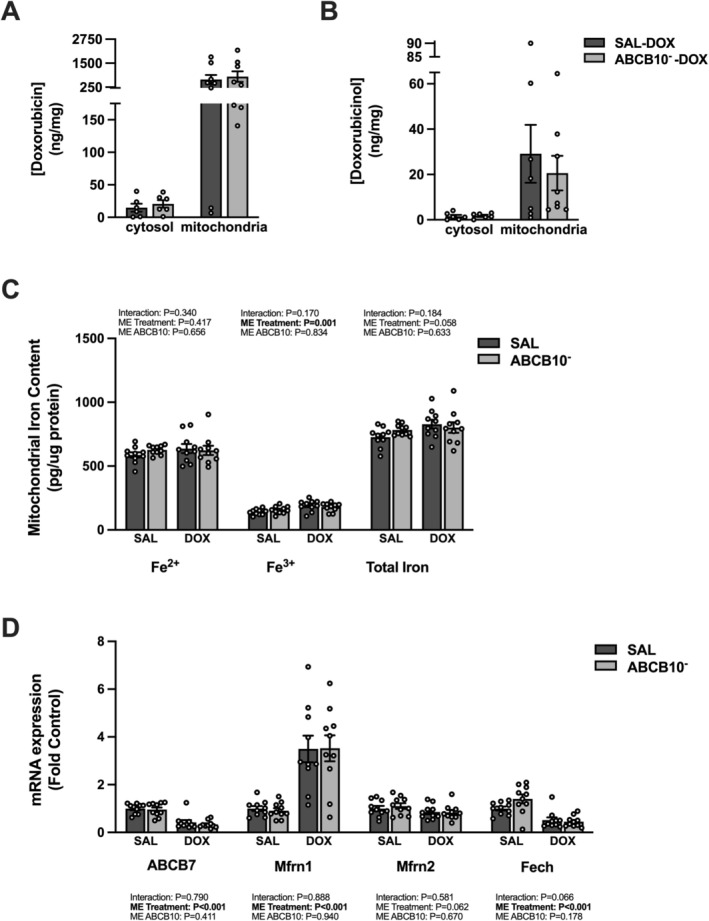 Figure 2
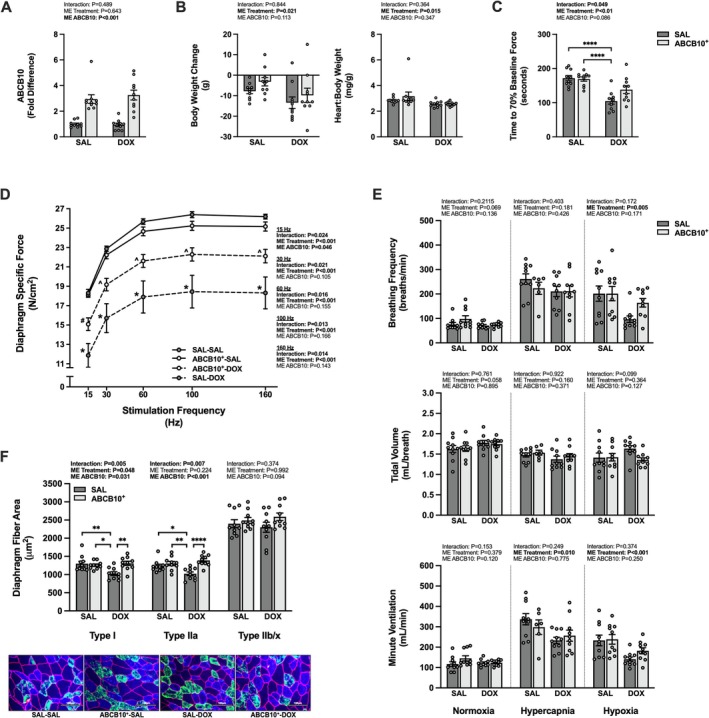 Figure 3
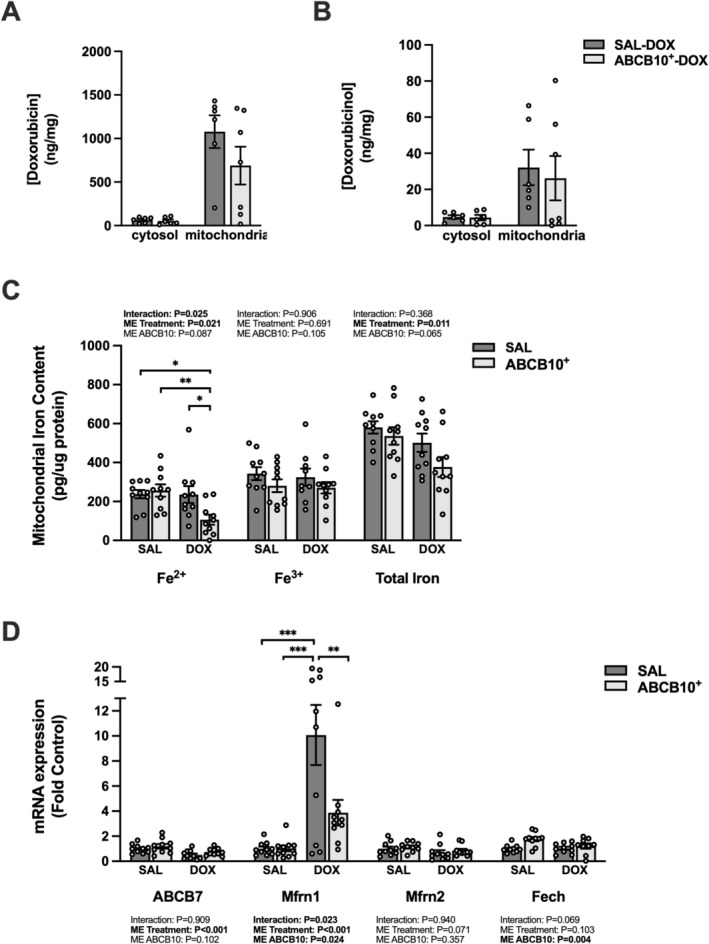 Figure 4
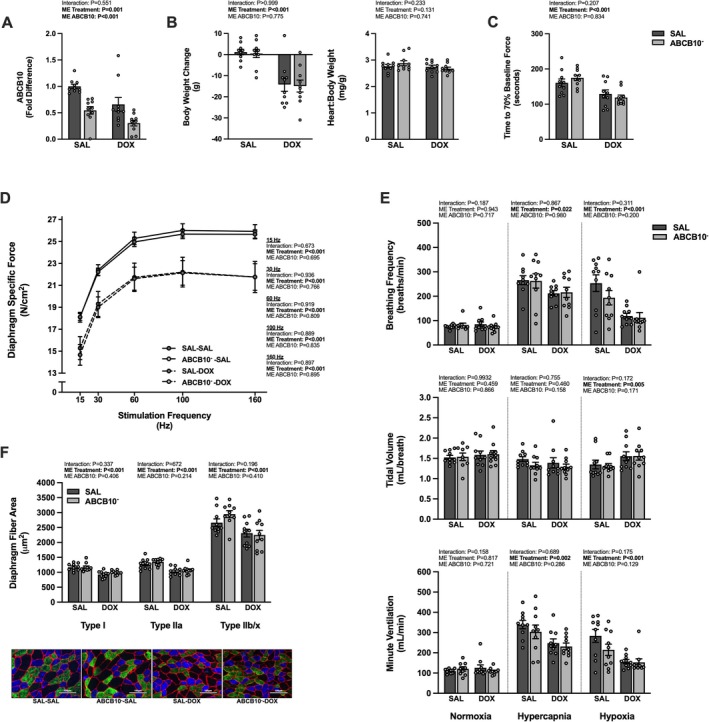 Figure 5
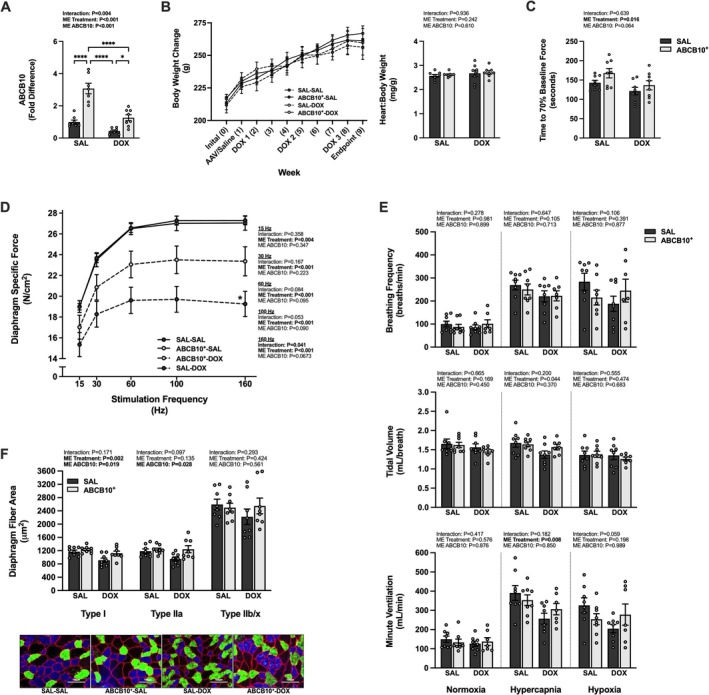 Figure 6
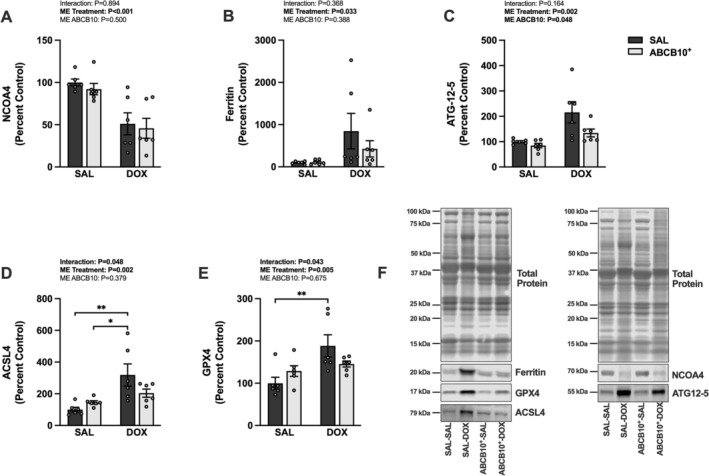 Figure 7
Peer Reviews
No public reviews on file for this paper yet. If you reviewed it on a platform where reviews are public (OpenReview, ICLR, NeurIPS, ICML), you can paste yours below so the community can read it here.
Videos
No videos yet. Explain this paper in a talk, walkthrough, or lecture? Add one.
Taxonomy
TopicsChemotherapy-induced cardiotoxicity and mitigation · Mitochondrial Function and Pathology · Coenzyme Q10 studies and effects