Real‐Time Deep‐Learning Image Reconstruction and Instrument Tracking in MR‐Guided Biopsies
Constant R. Noordman, Lauren P. W. te Molder, Marnix C. Maas, Christiaan G. Overduin, Jurgen J. Fütterer, Henkjan J. Huisman

TL;DR
This study uses AI to speed up MRI-guided prostate biopsies by reconstructing images from less data and tracking the biopsy needle in real-time.
Contribution
A deep-learning method for real-time image reconstruction and instrument tracking in MR-guided biopsies, validated in clinical settings.
Findings
The AI achieved high accuracy in predicting the needle tip position with up to 16× undersampled data.
Tracking success rates remained above 90% at 8× and 16× undersampling, but dropped at 18×.
The method supports faster procedures and improved scanner efficiency in clinical practice.
Abstract
Transrectal in‐bore MR‐guided biopsy (MRGB) is accurate but time‐consuming, limiting clinical throughput. Faster imaging could improve workflow and enable real‐time instrument tracking. Existing acceleration methods often use simulated data and lack validation in clinical settings. To accelerate MRGB by using deep learning for undersampled image reconstruction and instrument tracking, trained on multi‐slice MR DICOM images and evaluated on raw k‐space acquisitions. Prospective feasibility study. Briefly, 1289 male patients (aged 44–87, median age 68) for model training, 8 male patients (aged 59–78, median age 65) for prospective feasibility testing. 2D Cartesian balanced steady‐state free precession, 3 T. Segmentation and reconstruction models were trained on 8464 MRGB confirmation scans containing a biopsy needle guide instrument and evaluated on 10 prospectively acquired dynamic…
Genes, proteins, chemicals, diseases, species, mutations and cell lines named across the full text — each resolved to its canonical identifier and authoritative record.
Click any figure to enlarge with its caption.
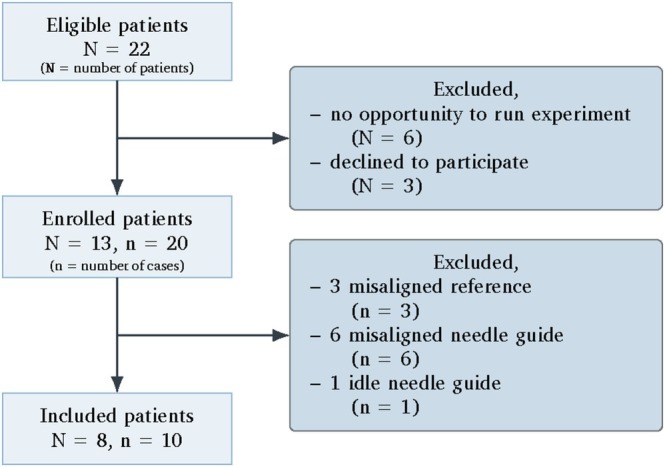 Figure 1
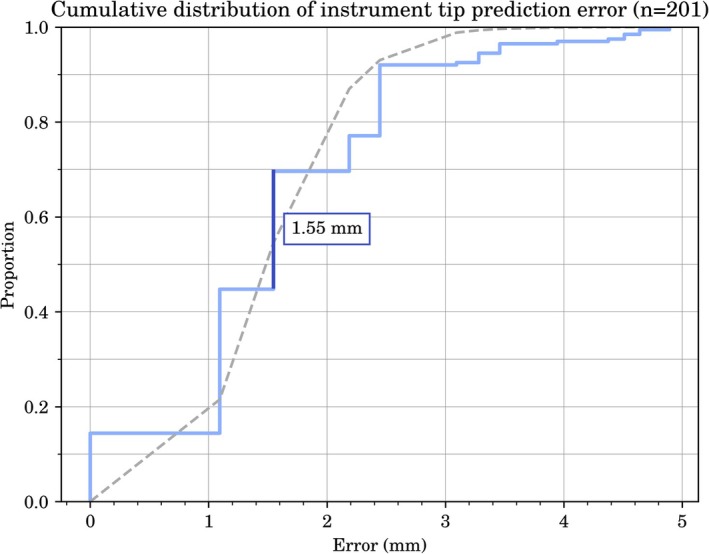 Figure 2
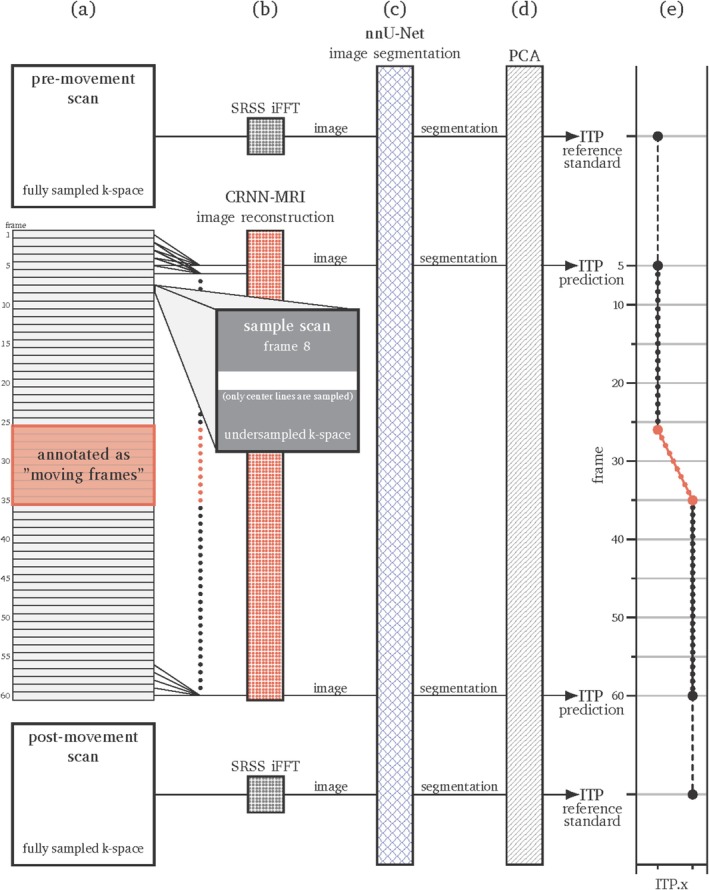 Figure 3
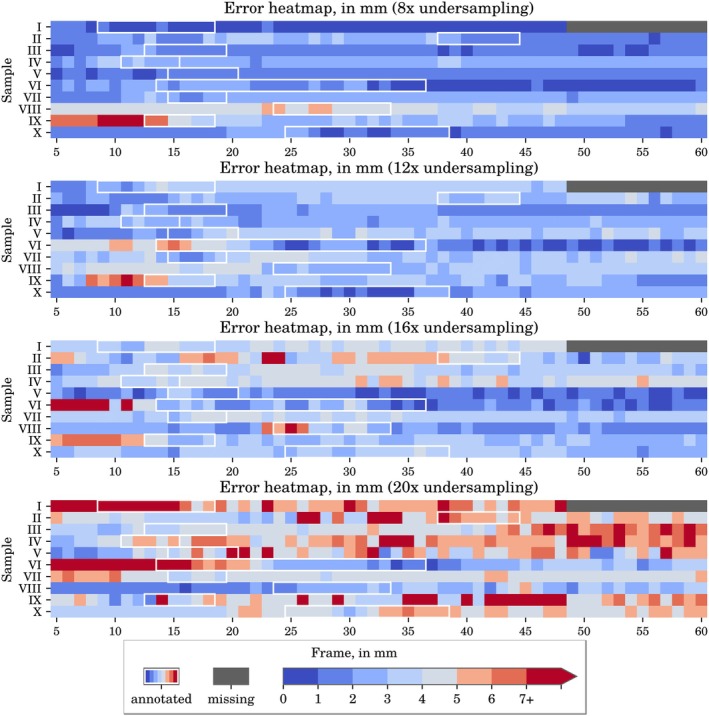 Figure 4
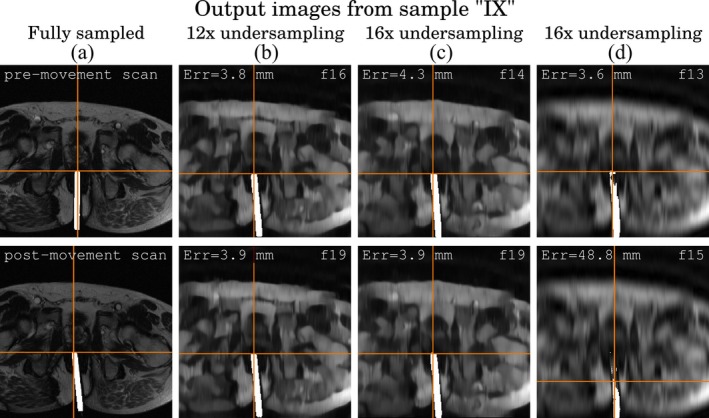 Figure 5
Peer Reviews
No public reviews on file for this paper yet. If you reviewed it on a platform where reviews are public (OpenReview, ICLR, NeurIPS, ICML), you can paste yours below so the community can read it here.
Videos
No videos yet. Explain this paper in a talk, walkthrough, or lecture? Add one.
Taxonomy
TopicsRadiomics and Machine Learning in Medical Imaging · AI in cancer detection · MRI in cancer diagnosis