Zebrafish genetic model of neuromuscular degeneration associated with Atrogin-1 expression
Romain Menard, Elena Morin, Dexter Morse, Caroline Halluin, Marko Pende, Aissette Baanannou, Janelle Grendler, Heath Fuqua, Jijia Li, Laetitia Lancelot, Jessica Drent, Frédéric Bonnet, Joel H. Graber, Prayag Murawala, Cédric Dray, Jean-Philippe Pradère, James A. Coffman

TL;DR
Scientists created a zebrafish model called 'atrofish' to study muscle aging and sarcopenia, which could help develop new treatments for age-related muscle loss.
Contribution
A novel zebrafish model of accelerated muscle atrophy and neuromuscular degeneration using Atrogin-1 expression.
Findings
Atrogin-1 expression in zebrafish skeletal muscle causes muscle atrophy and locomotion dysfunction.
Muscle degeneration correlates with reduced neuromuscular junctions and spinal neurons.
Adult atrofish show impaired regenerative capacity, similar to aged mammals.
Abstract
The degenerative loss of muscle associated with aging leading to muscular atrophy is called sarcopenia. Currently, practicing regular physical exercise is the only efficient way to delay sarcopenia onset. Identification of therapeutic targets to alleviate the symptoms of aging requires in vivo model organisms of accelerated muscle degeneration and atrophy. The zebrafish undergoes aging, with hallmarks including mitochondrial dysfunction, telomere shortening, and accumulation of senescent cells. However, zebrafish age slowly, and no specific zebrafish models of accelerated muscle atrophy associated with molecular events of aging are currently available. We have developed a new genetic tool to efficiently accelerate muscle-fiber degeneration and muscle-tissue atrophy in zebrafish larvae and adults. We used a gain-of-function strategy with a molecule that has been shown to be necessary and…
Genes, proteins, chemicals, diseases, species, mutations and cell lines named across the full text — each resolved to its canonical identifier and authoritative record.
Click any figure to enlarge with its caption.
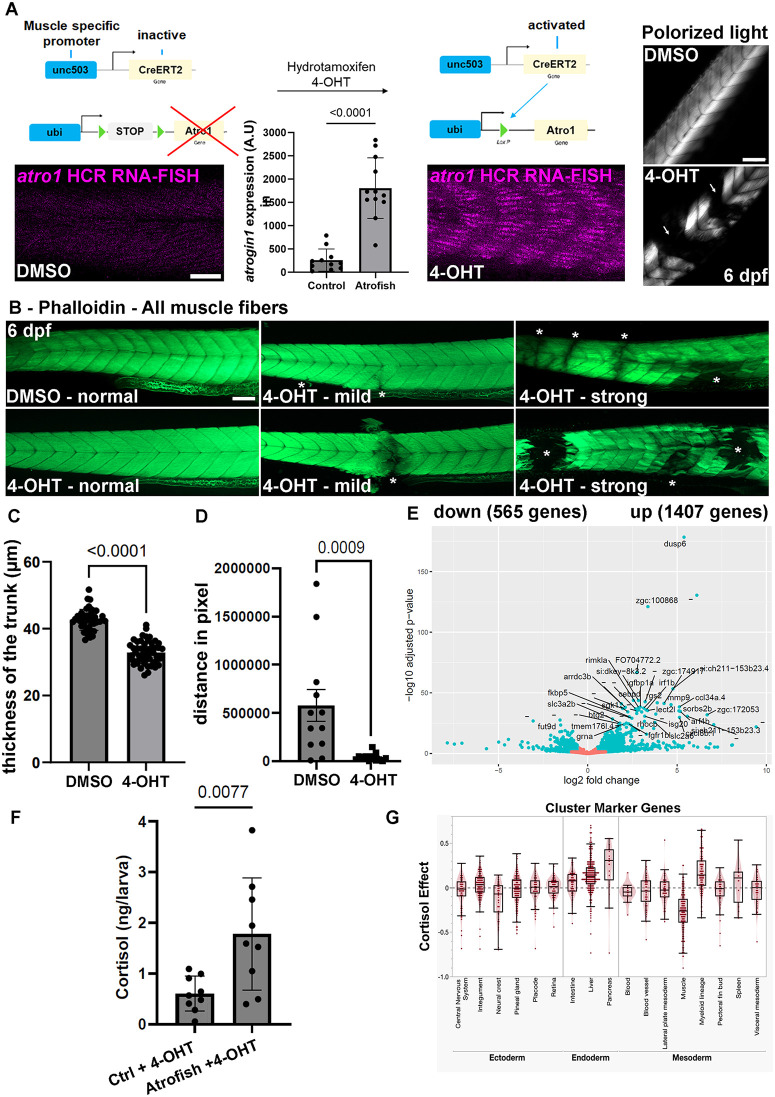 Figure 1
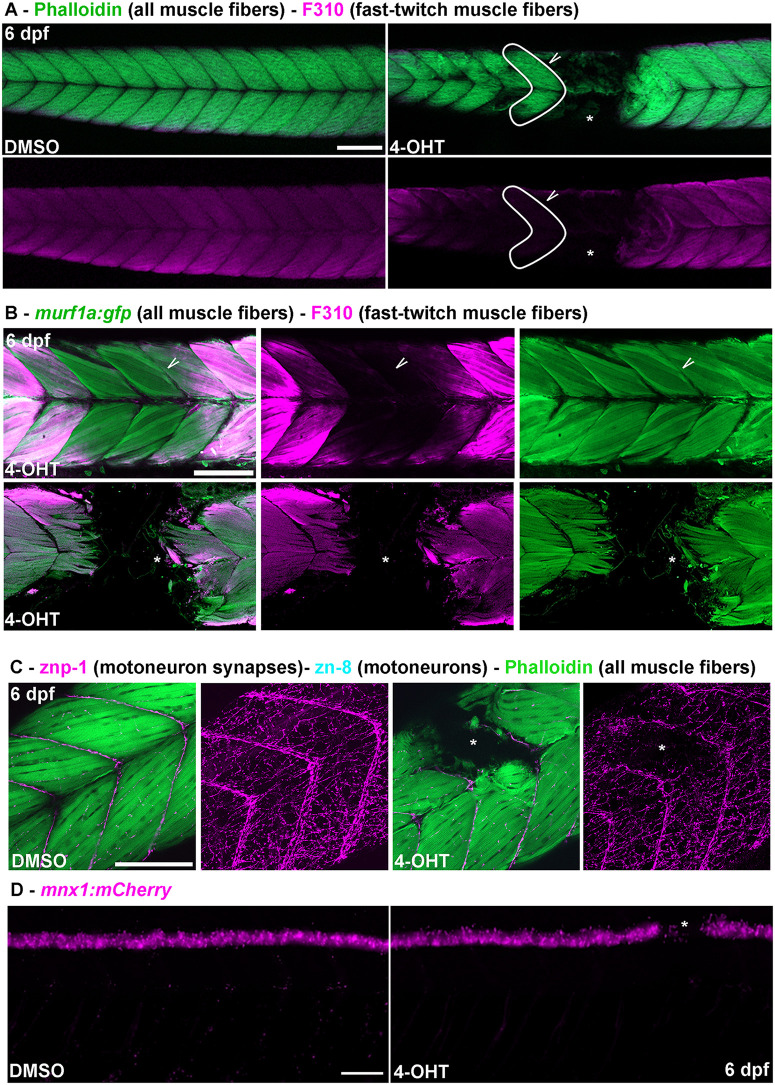 Figure 2
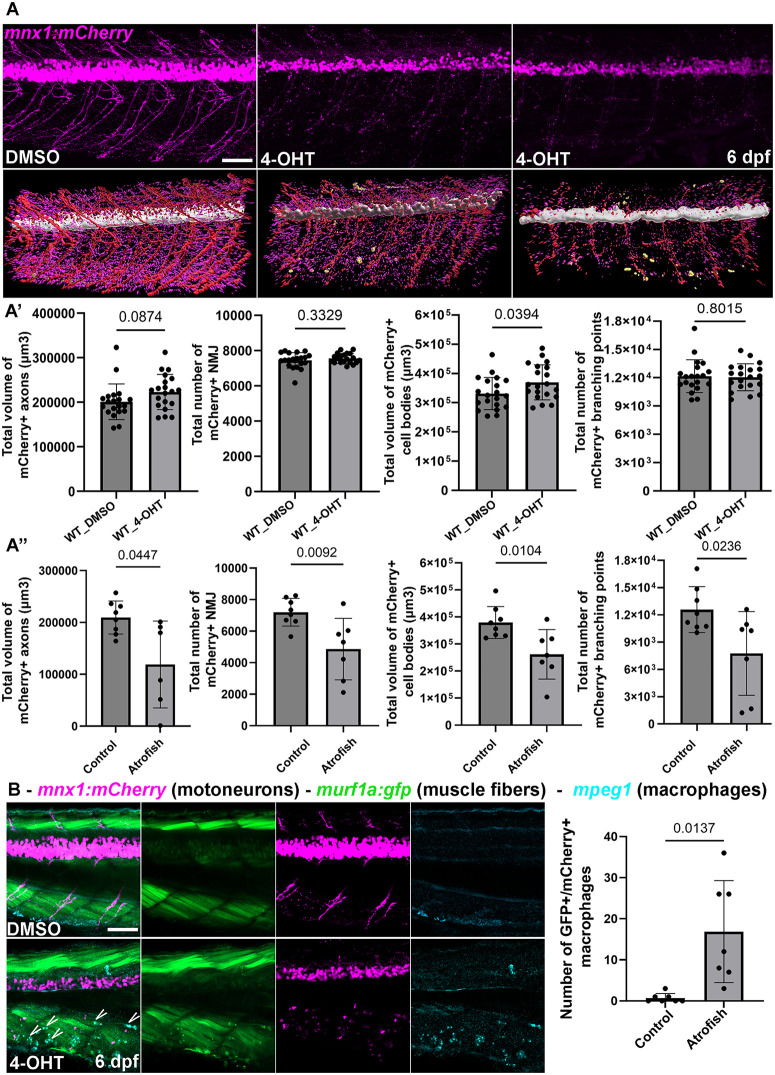 Figure 3
 Figure 4
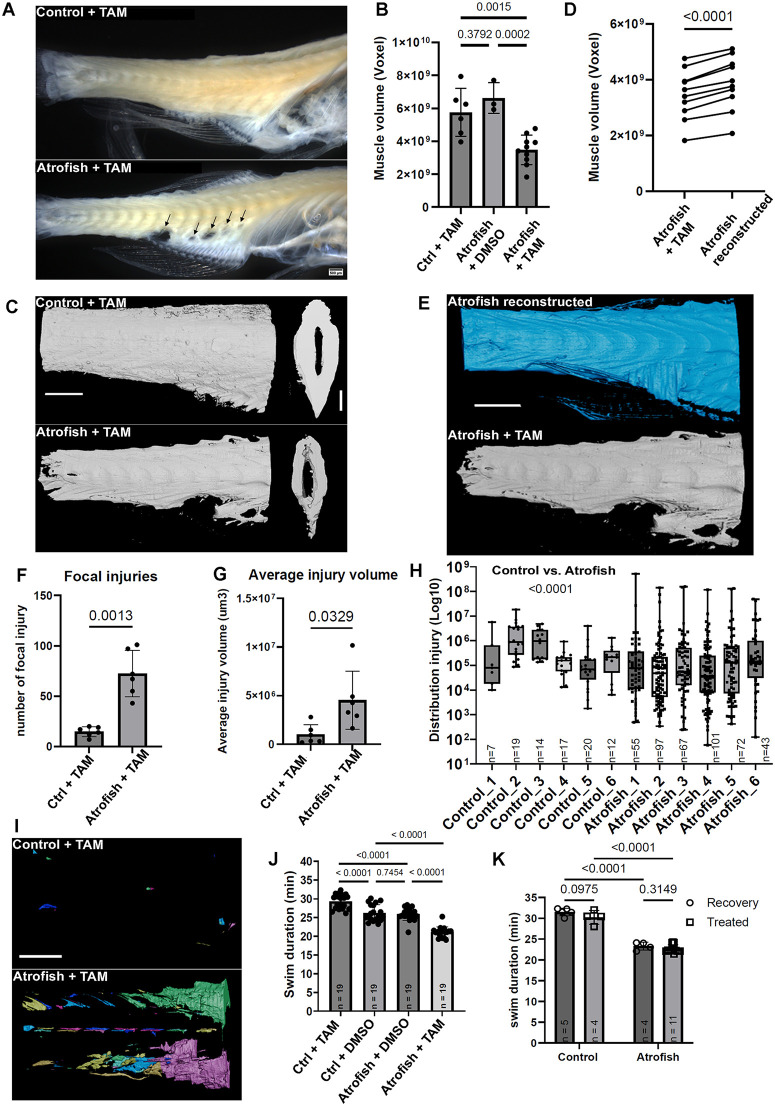 Figure 5
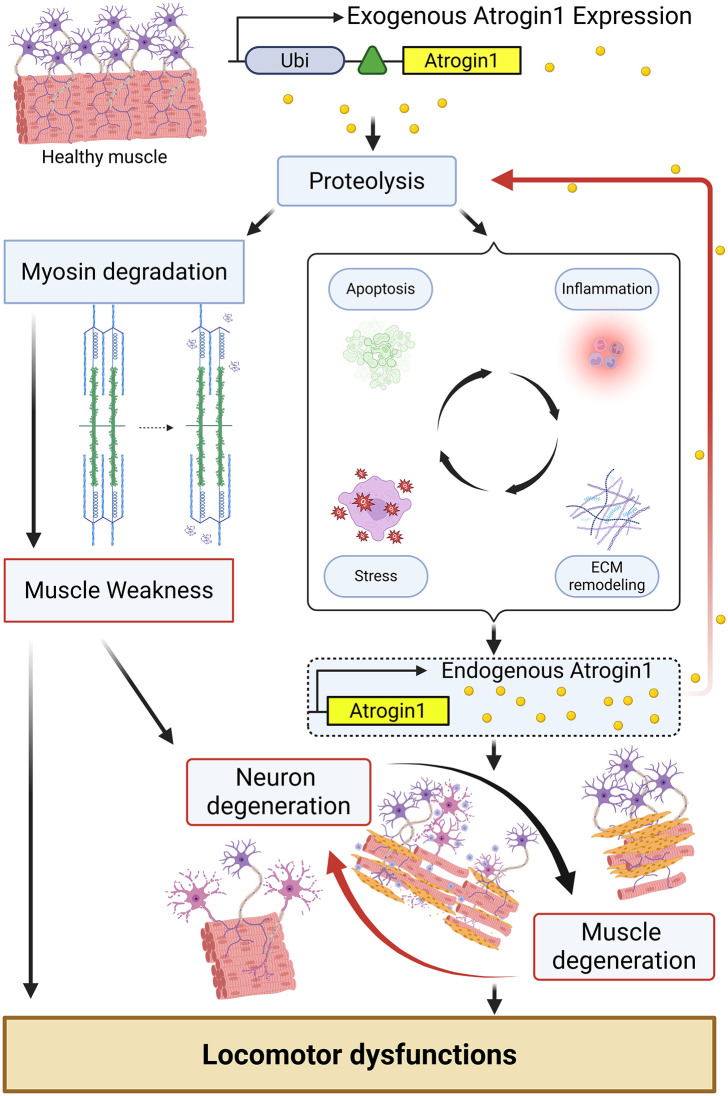 Figure 6
Peer Reviews
No public reviews on file for this paper yet. If you reviewed it on a platform where reviews are public (OpenReview, ICLR, NeurIPS, ICML), you can paste yours below so the community can read it here.
Videos
No videos yet. Explain this paper in a talk, walkthrough, or lecture? Add one.
Taxonomy
TopicsMuscle Physiology and Disorders · Zebrafish Biomedical Research Applications · Genetics, Aging, and Longevity in Model Organisms