DC-STAMP activates the PI3K/AKT/mTOR signaling pathway to regulate PANoptosis in acute myeloid leukemia
Qian Liang, Biao Li, Yue Li, Longhui Ma, Li Dong, Ning Ding, Wei Zhang, Haoran Wang, Junying Liu, Kota Ramana, Kota Ramana, Kota Ramana

TL;DR
This study shows that high DC-STAMP levels in AML activate a key survival pathway, reducing cell death and worsening patient outcomes.
Contribution
The paper reveals DC-STAMP's role in suppressing PANoptosis via the PI3K/AKT/mTOR pathway in AML, suggesting a new therapeutic target.
Findings
High DC-STAMP expression in AML activates the PI3K/AKT/mTOR pathway and reduces PANoptosis.
Blocking DC-STAMP or the PI3K pathway restores cell death and reduces AML cell survival and chemoresistance.
AML patients with high DC-STAMP levels have worse survival and cytogenetic risk profiles.
Abstract
PANoptosis is a newly defined form of programmed cell death that integrates features of apoptosis, pyroptosis and necroptosis, playing a critical role in immune regulation and tumor biology. Clinically, Acute Myeloid Leukemia (AML) patients with high DC‑STAMP expression exhibited notably poorer cytogenetic risk profiles and shorter overall survival. Gene set enrichment analysis of primary AML samples from public databases revealed significant enrichment of the mTORC1 signaling pathway, a core signaling axis regulating the apoptotic process, in AML samples with high DC-STAMP expression. DC-STAMP knockdown and overexpression models were established in the AML cell line THP-1 using small interfering RNA (siRNA) and lentiviral plasmids, respectively. Western blotting and RT-PCR were used to assess changes in PI3K/AKT/mTOR pathway activity in response to altered DC-STAMP expression. Flow…
Genes, proteins, chemicals, diseases, species, mutations and cell lines named across the full text — each resolved to its canonical identifier and authoritative record.
Click any figure to enlarge with its caption.
 Figure 1
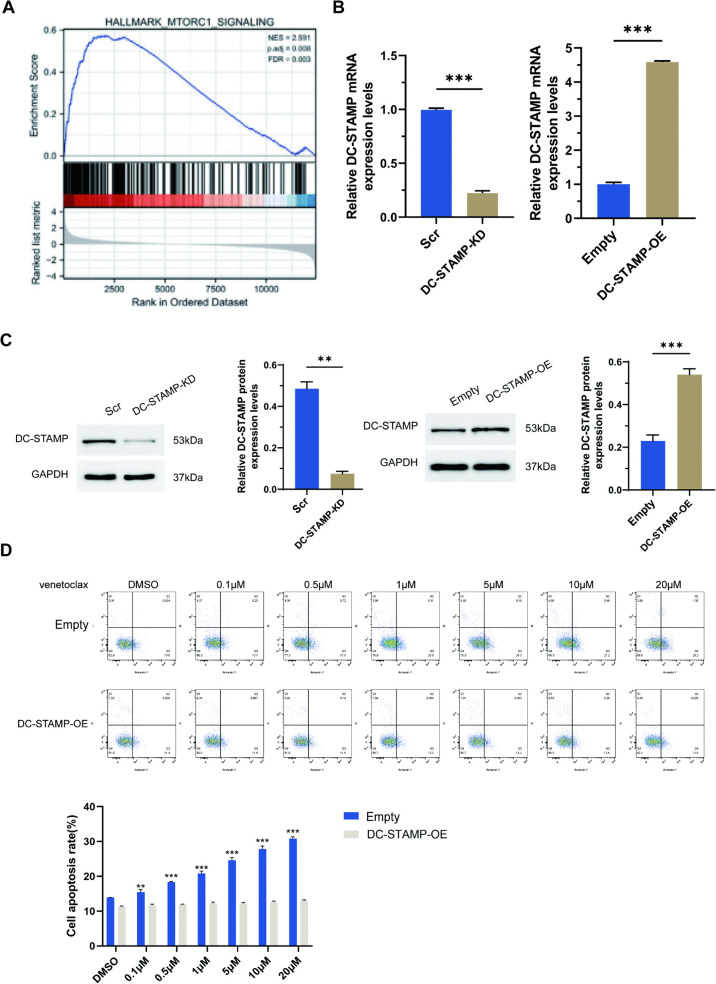 Figure 2
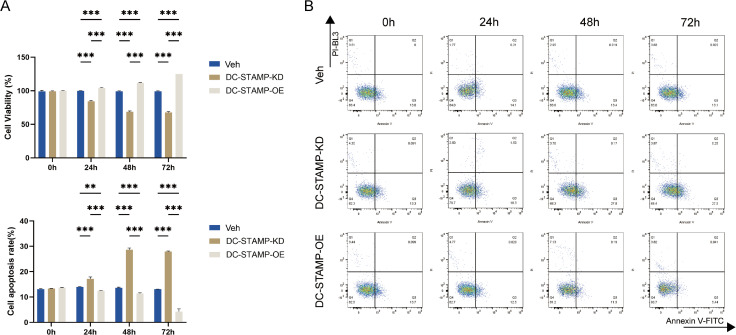 Figure 3
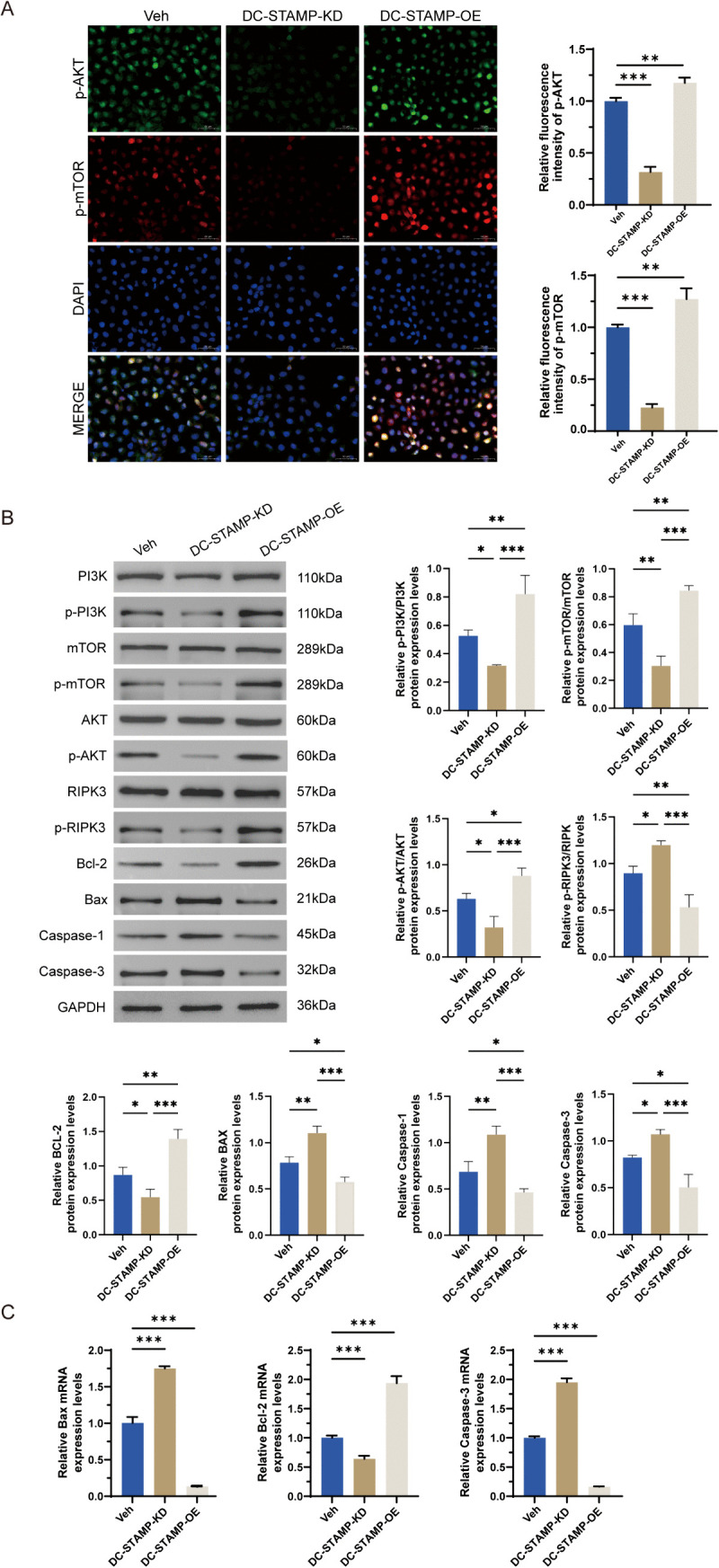 Figure 4
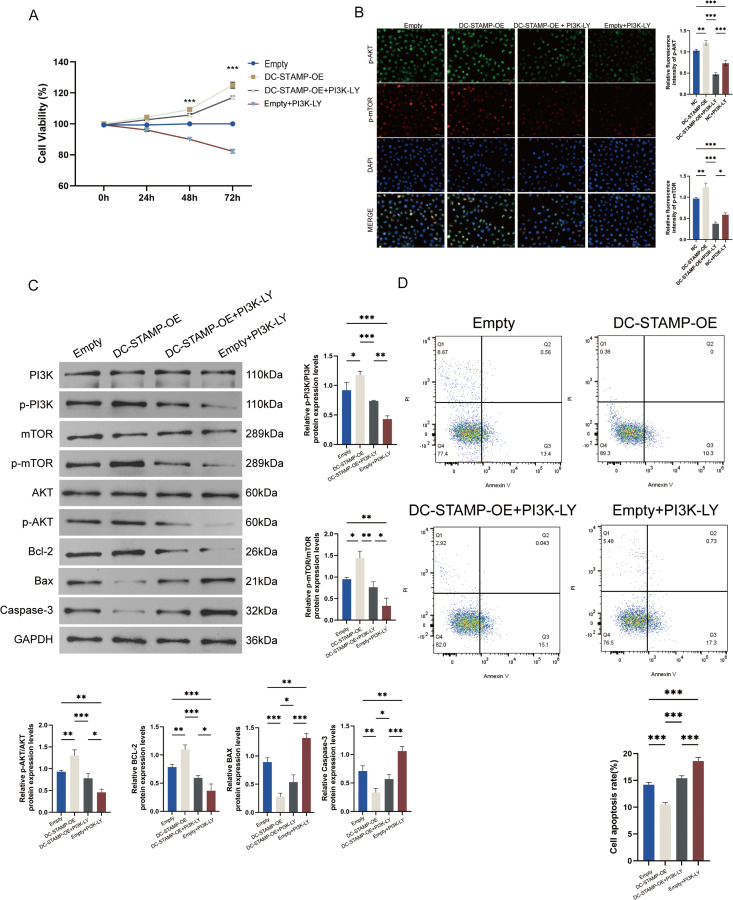 Figure 5
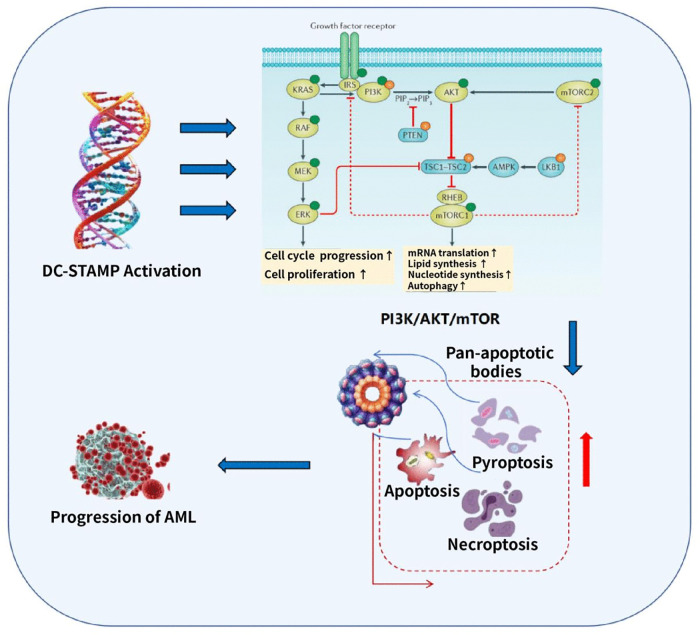 Figure 6
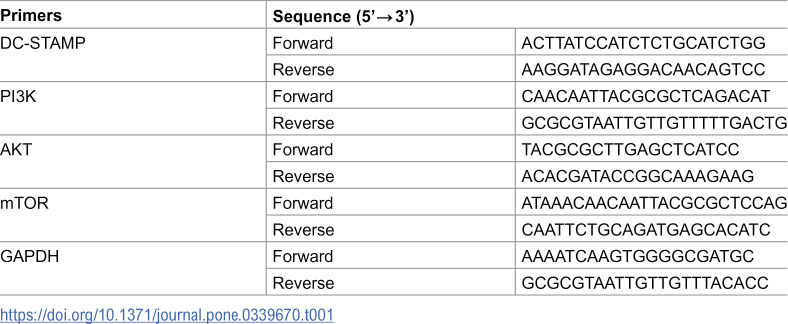 Figure 7
Peer Reviews
No public reviews on file for this paper yet. If you reviewed it on a platform where reviews are public (OpenReview, ICLR, NeurIPS, ICML), you can paste yours below so the community can read it here.
Videos
No videos yet. Explain this paper in a talk, walkthrough, or lecture? Add one.
Taxonomy
TopicsInflammasome and immune disorders · Cell death mechanisms and regulation · Acute Myeloid Leukemia Research