Experimental study on concentration and temperature fields of carbon dioxide leakage under different terrain conditions
Yanan Li, Fengpu Xiao, Zhonghuang Ma, Hai Dong, Jun Zhang, Jingyu Zhou, Pengliang Li

TL;DR
This study examines how CO2 leaks and spreads under different terrain conditions in oil fields to understand its risks and effects.
Contribution
The study reveals how CO2 concentration and temperature change under varied terrain during leakage events.
Findings
CO2 concentration follows an exponential distribution pattern from the leakage source.
Stepped terrain increases the influence range of CO2 by 30% compared to lawn ground.
Temperature decreases with distance from the leakage port, with an average gradient of 0.39°C/m.
Abstract
Carbon capture and storage technology can improve the crude oil collection rate. It can also reduce carbon emission, and has great application prospect. However, under the complex terrain conditions of the oil field, the risk of CO2 leakage is higher, which is easy to cause personnel asphyxiation. To effectively control the harm of CO2 leakage and diffusion in this kind of situation, it is necessary to study the law of CO2 leakage and diffusion under complex terrain conditions. In this study, a full-scale CO2 leakage and diffusion experiment was carried out in combination with the topography of CO2 capture and oil displacement in an oilfield. The results showed that under different leakage conditions, the time-average concentration of CO2 satisfies the exponential distribution law from near to far. The influence range of 1% CO2 volume concentration under stepped terrain is about 65 m,…
Genes, proteins, chemicals, diseases, species, mutations and cell lines named across the full text — each resolved to its canonical identifier and authoritative record.
Click any figure to enlarge with its caption.
 Figure 1
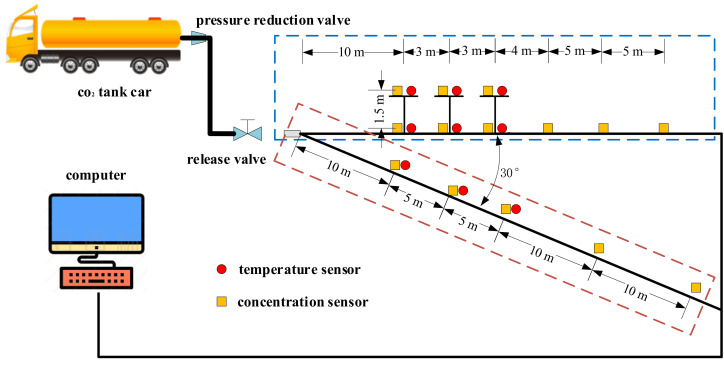 Figure 2
 Figure 3
 Figure 4
 Figure 5
 Figure 6
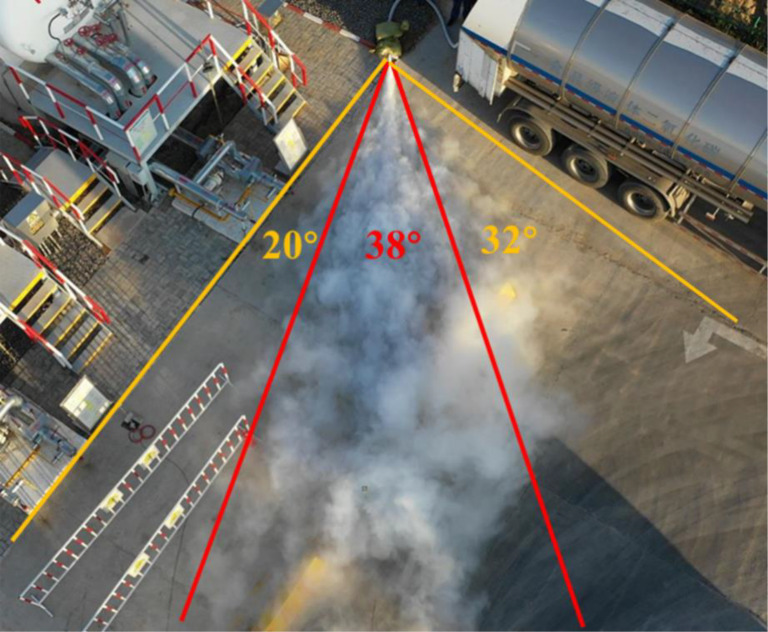 Figure 7
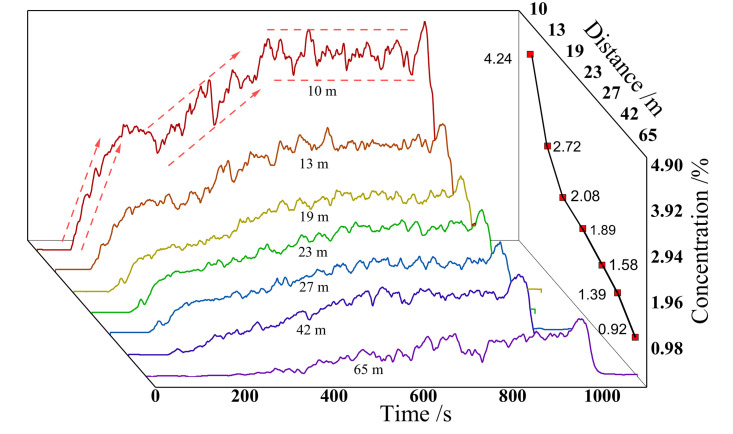 Figure 8
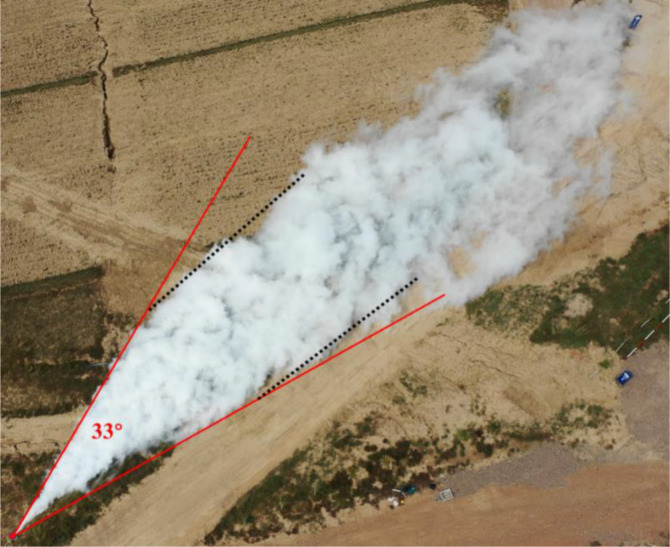 Figure 9
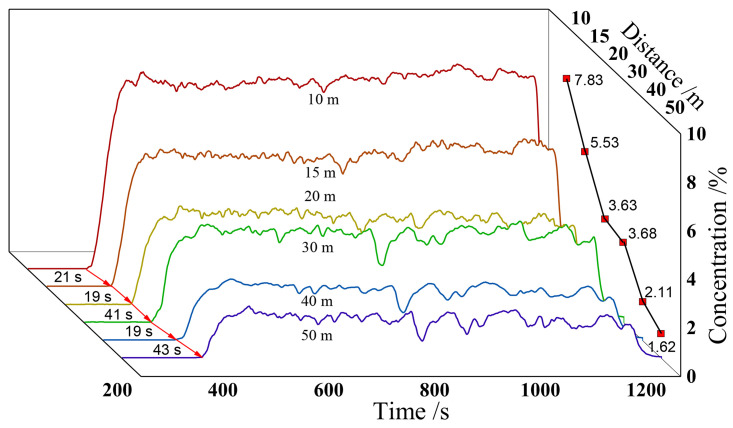 Figure 10
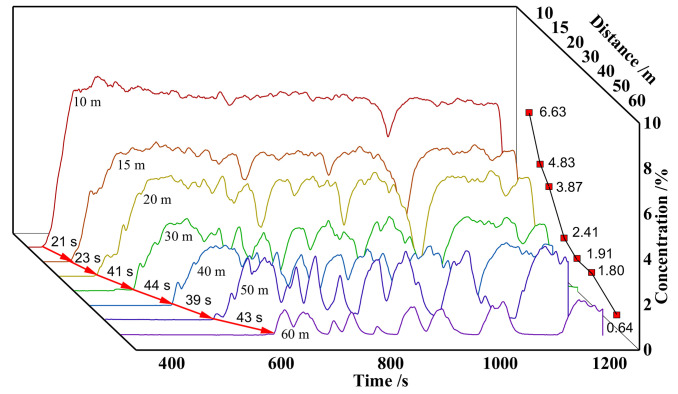 Figure 11
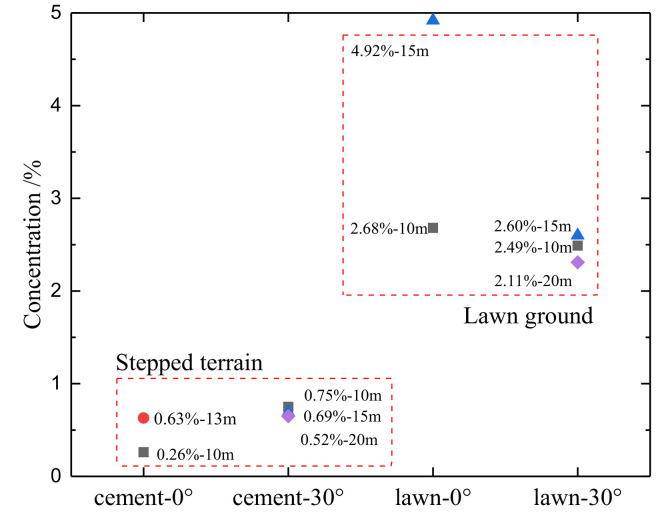 Figure 12
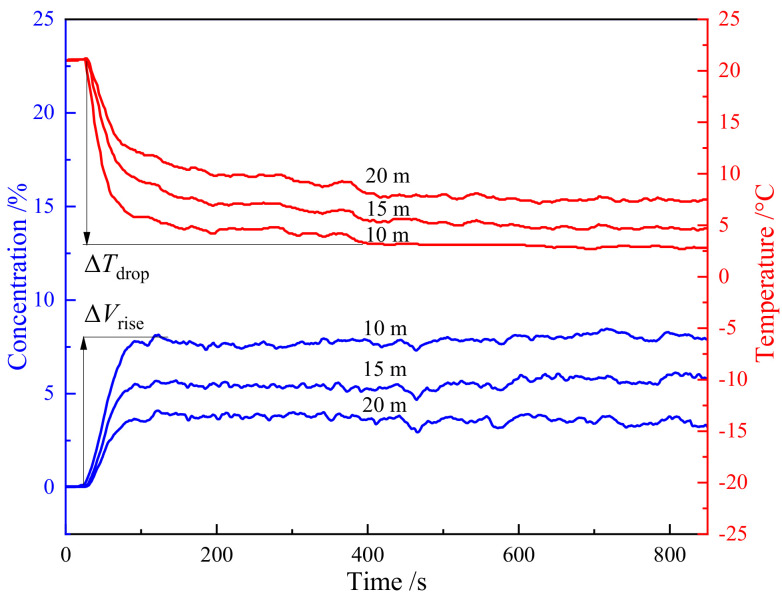 Figure 13
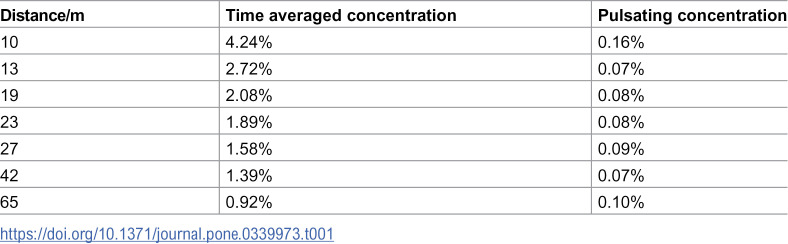 Figure 14
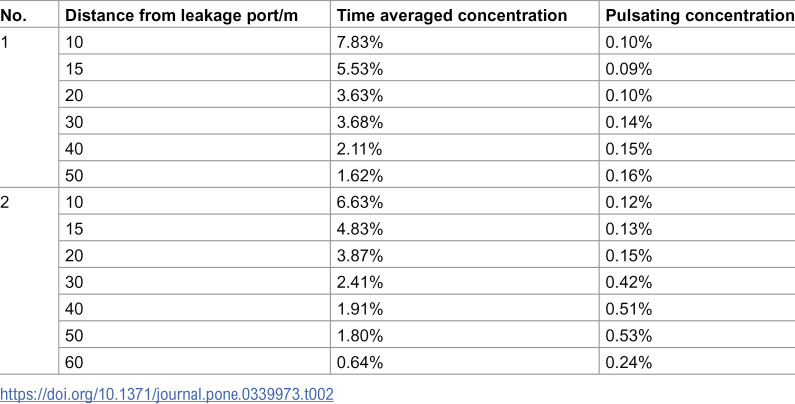 Figure 15
Peer Reviews
No public reviews on file for this paper yet. If you reviewed it on a platform where reviews are public (OpenReview, ICLR, NeurIPS, ICML), you can paste yours below so the community can read it here.
Videos
No videos yet. Explain this paper in a talk, walkthrough, or lecture? Add one.
Taxonomy
TopicsCO2 Sequestration and Geologic Interactions · Oil Spill Detection and Mitigation · Wind and Air Flow Studies