Using sequence analysis to visualize exposure to pregnancy in the postpartum period
Dana Sarnak, Linnea Zimmerman, Wenxuan Huang, Alison Gemmill

TL;DR
This study uses sequence analysis to identify patterns of postpartum exposure to pregnancy among Ethiopian women, revealing distinct behavioral and biological trajectories.
Contribution
The novel use of sequence and cluster analyses provides new insights into postpartum reproductive behavior patterns in a low-resource setting.
Findings
Five distinct postpartum exposure trajectories were identified, including clusters based on sexual activity, menses return, and contraceptive use.
The largest cluster (50%) involved resumption of sex without menses or contraception around three months postpartum.
Family-planning adopters (39%) showed varied patterns depending on whether menses had returned.
Abstract
Exposure to pregnancy during the postpartum period is shaped by biological and behavioral determinants, such as resumption of sexual activity, return of menses, and contraceptive use dynamics. We implement sequence and cluster analyses to generate new insights about exposure to pregnancy during the postpartum period using unique longitudinal data in a low-resource setting. We used population-based data from a sample of 1,935 Ethiopian women who provided reports on factors influencing exposure to pregnancy in the year following childbirth. We used sequence and cluster analyses to characterize patterns of women’s reproductive behaviors during the postpartum period. We identified five postpartum trajectories of exposure to pregnancy: (1) no sex; (2) family-planning adopters, no menses; (3) family-planning adopters, return of menses; (4) sex, no menses, no family planning; and (5) sex,…
Genes, proteins, chemicals, diseases, species, mutations and cell lines named across the full text — each resolved to its canonical identifier and authoritative record.
Click any figure to enlarge with its caption.
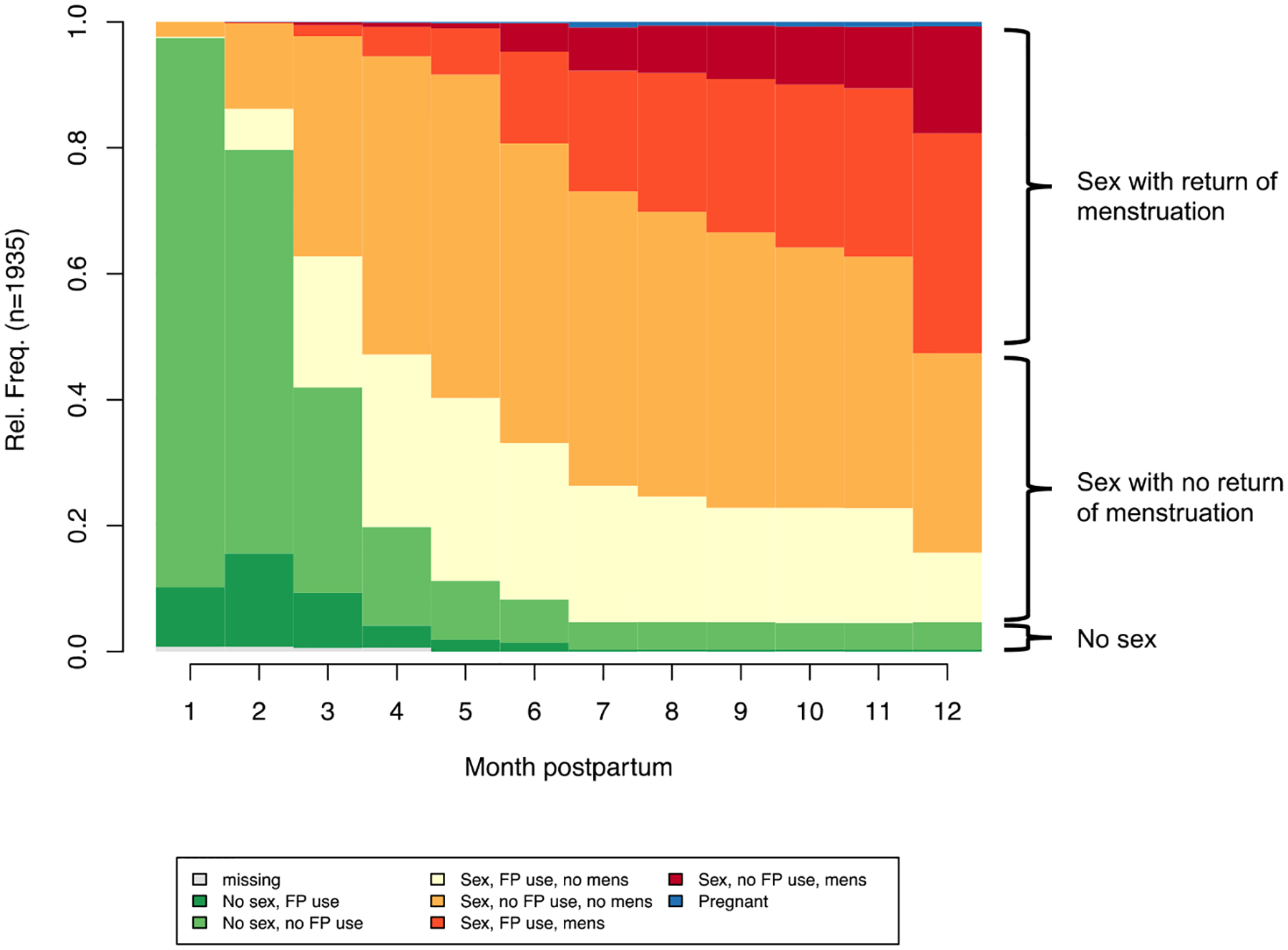 Figure 1
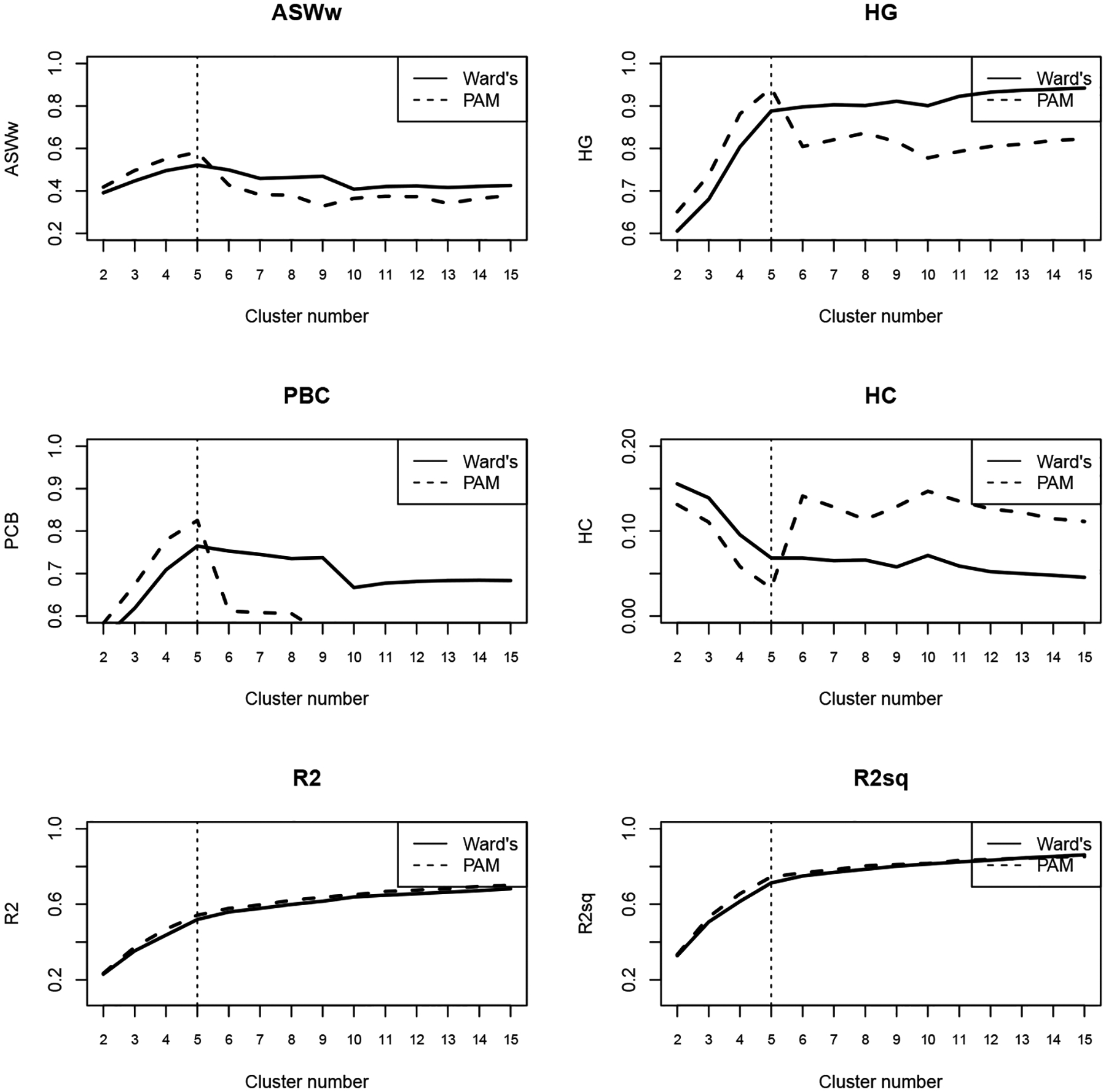 Figure 2
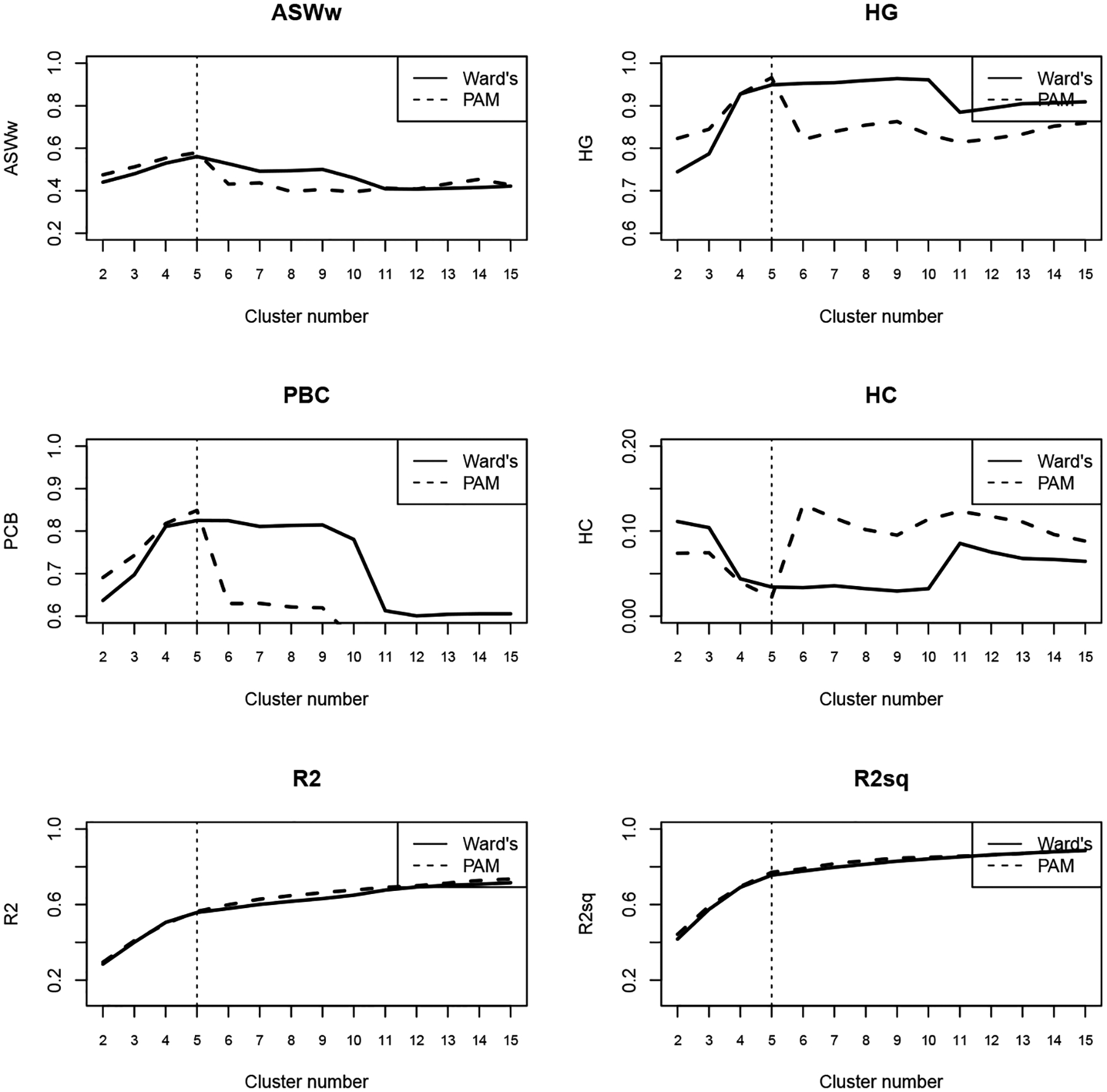 Figure 3
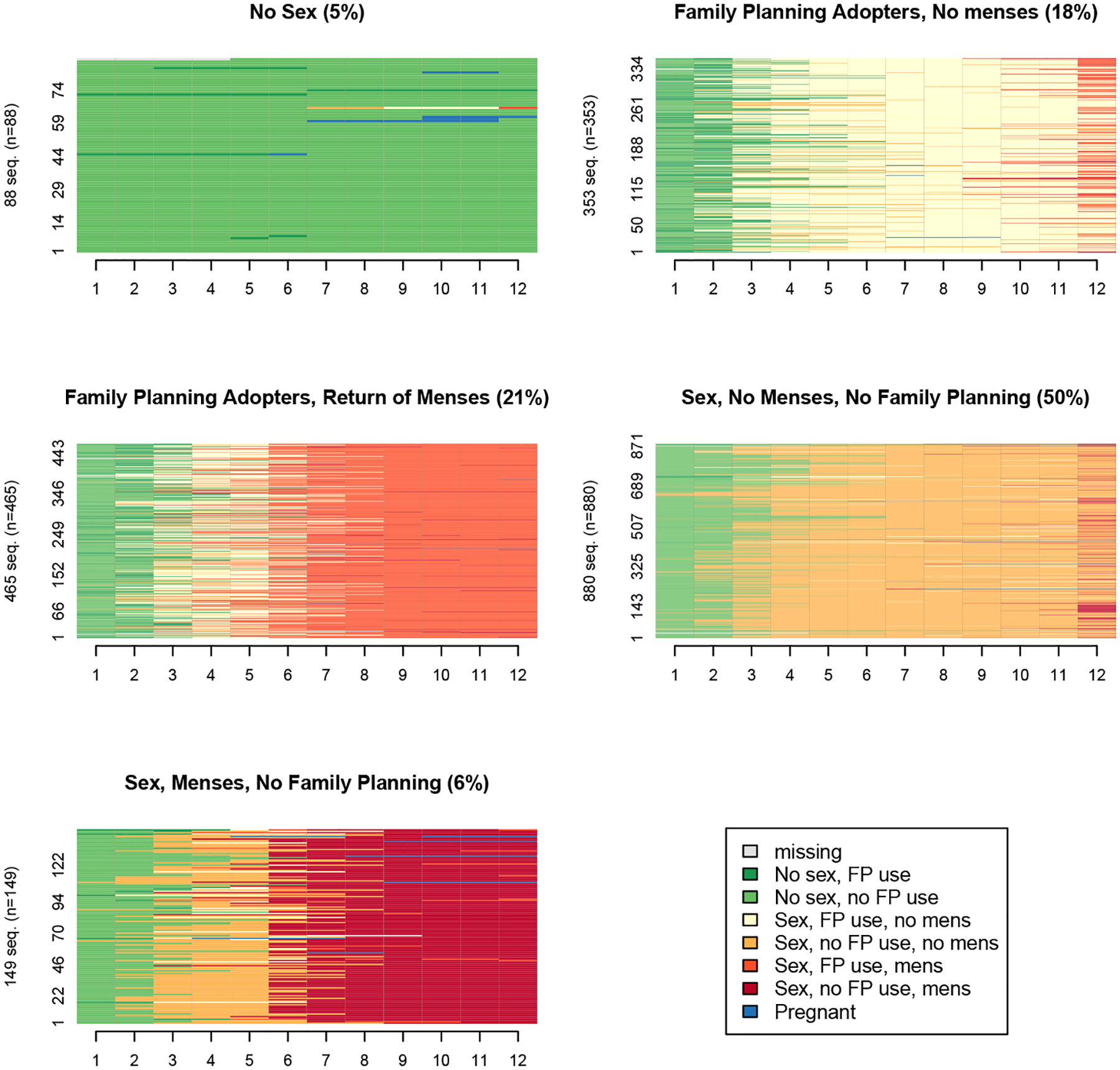 Figure 4
Peer Reviews
No public reviews on file for this paper yet. If you reviewed it on a platform where reviews are public (OpenReview, ICLR, NeurIPS, ICML), you can paste yours below so the community can read it here.
Videos
No videos yet. Explain this paper in a talk, walkthrough, or lecture? Add one.
Taxonomy
TopicsBirth, Development, and Health · Global Maternal and Child Health · Food Security and Health in Diverse Populations