Integrative GC-MS, network pharmacology, and molecular dynamics elucidate synergistic anti-diabetic mechanisms of Chongqing Citrus reticulata ‘Dahongpao’ volatile oil via multi-target stabilization
Wanting Zhong, YaYi Xiong, Jie Luo, Shujaat Ahmad, Jian Wang

TL;DR
This study uses chemical analysis and computer modeling to show how a citrus oil from Chongqing may help treat diabetes by affecting multiple biological targets.
Contribution
The novel integration of GC-MS, network pharmacology, and molecular dynamics reveals synergistic anti-diabetic mechanisms of a citrus volatile oil.
Findings
GC-MS identified 82 compounds in the citrus oil, with D-limonene as the main component.
Molecular docking and MD simulations confirmed strong binding of thymol and n-hexadecanoic acid to diabetes-related proteins.
Pathway analysis linked the oil's effects to PPAR signaling and insulin resistance pathways.
Abstract
Diabetes mellitus involves complex pathogenesis requiring multi-target interventions. Citrus reticulata ‘Dahongpao’ from Chongqing exhibits anti-diabetic potential, but its mechanisms remain elusive. We employed an integrative strategy: GC-MS identified 82 compounds (96.61% coverage), dominated by D-limonene (62.48%). Network pharmacology revealed 36 diabetes-related targets. Molecular docking prioritized ligands (thymol: −6.8 kcal/mol with FABP1; n-hexadecanoic acid: −6.7 kcal/mol with PTGS2). Critical validation was achieved via 100-ns molecular dynamics (MD) simulations and MM-GBSA binding free energy calculations. MD simulations demonstrated structural stability (RMSD < 2.5 Å) for core complexes (e.g., CYP19A1/thymol). MM-GBSA quantified robust binding for FABP1/dodecanoic acid (−43.26 kcal/mol) and PTGS2/n-hexadecanoic acid (−43.93 kcal/mol), driven by van der Waals forces.…
Genes, proteins, chemicals, diseases, species, mutations and cell lines named across the full text — each resolved to its canonical identifier and authoritative record.
Click any figure to enlarge with its caption.
 Figure 1
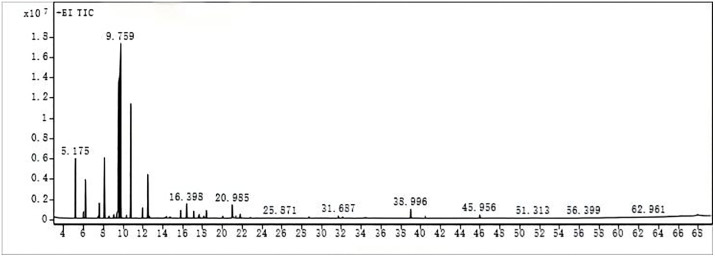 Figure 2
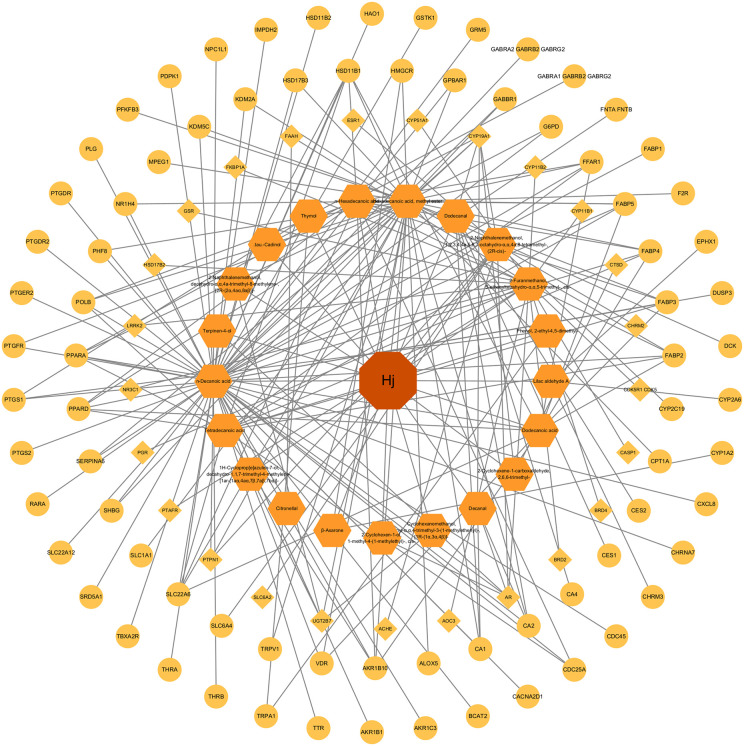 Figure 3
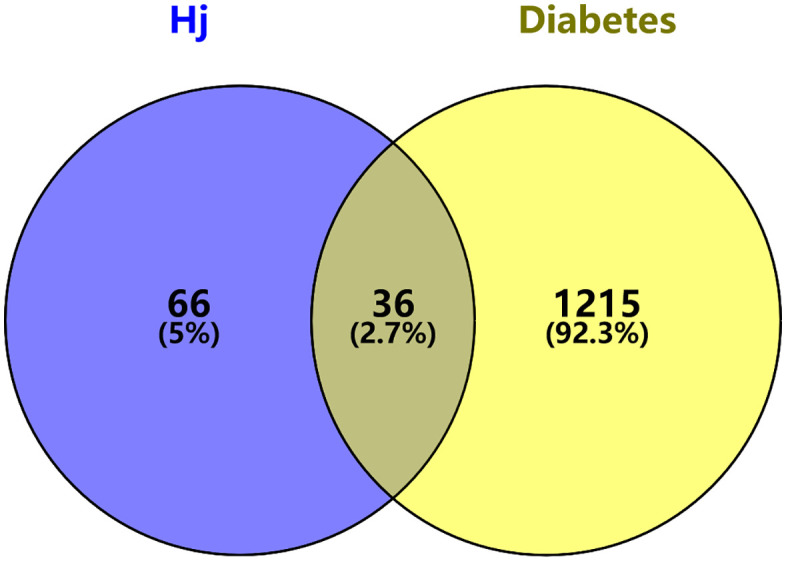 Figure 4
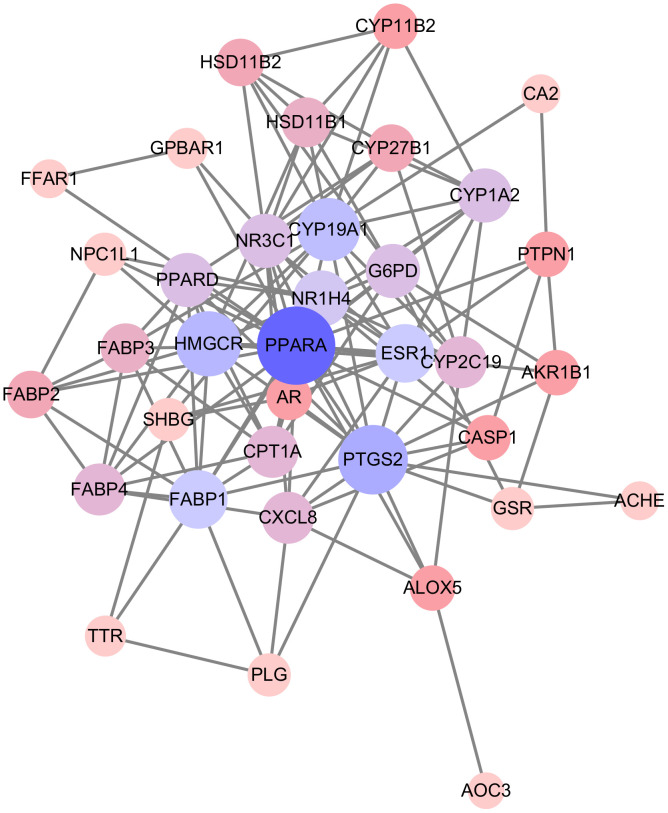 Figure 5
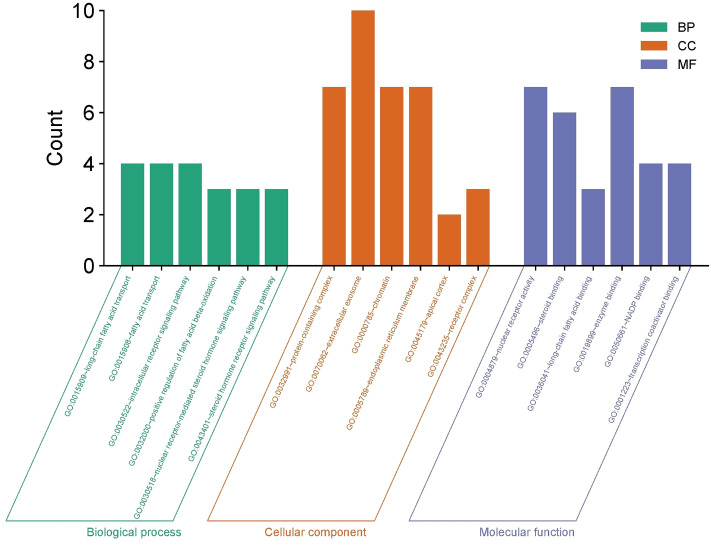 Figure 6
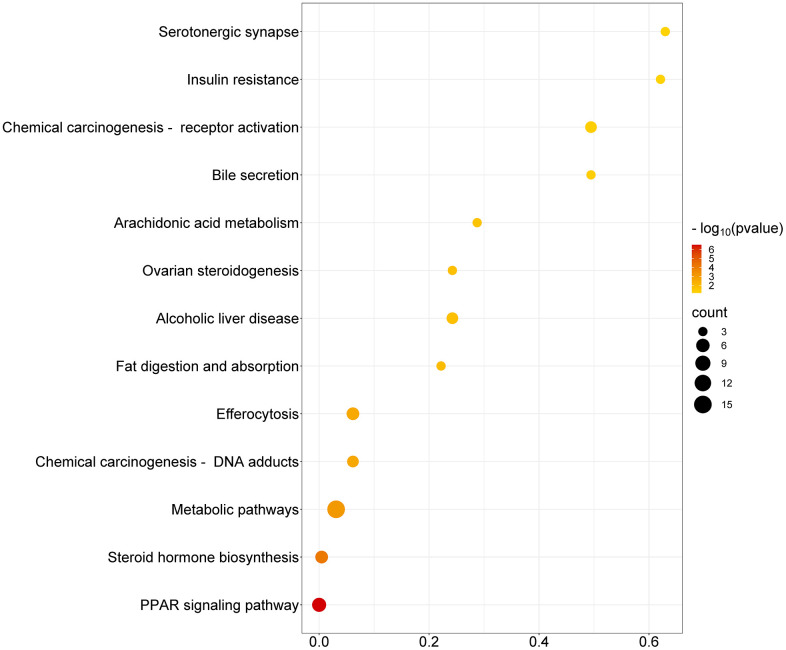 Figure 7
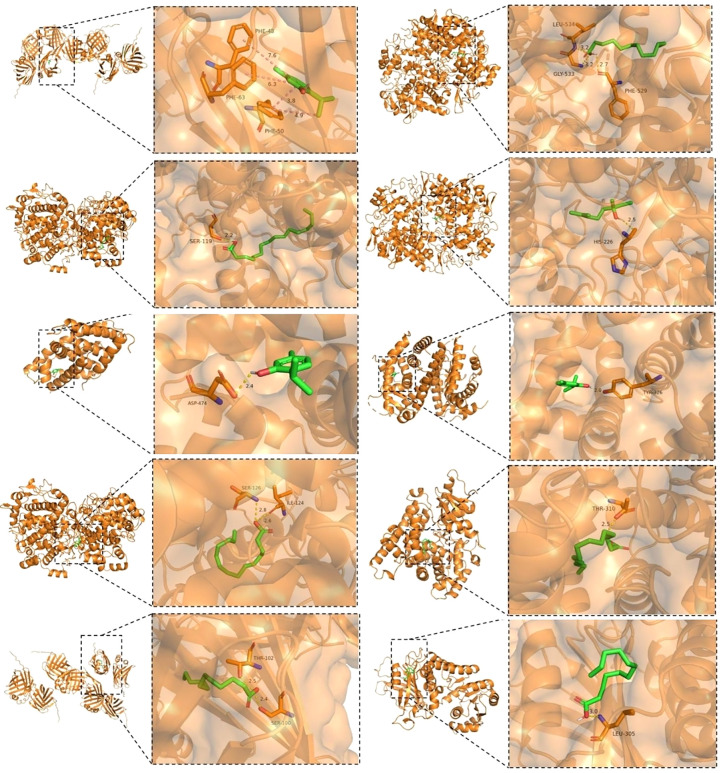 Figure 8
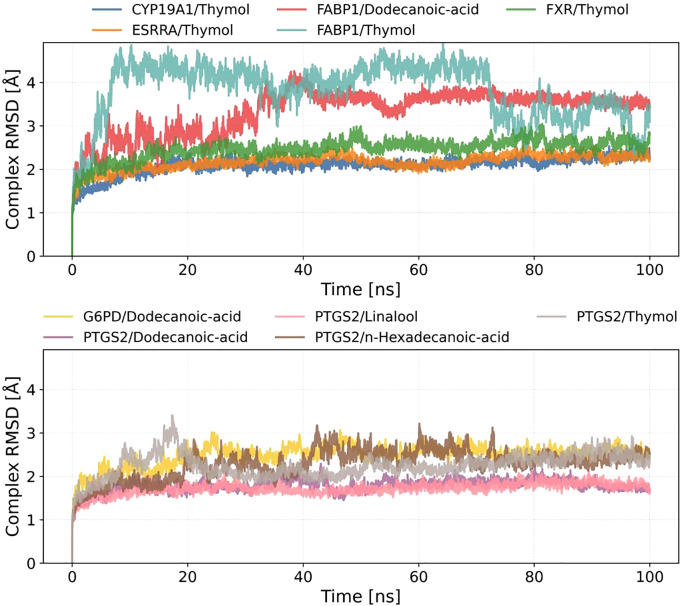 Figure 9
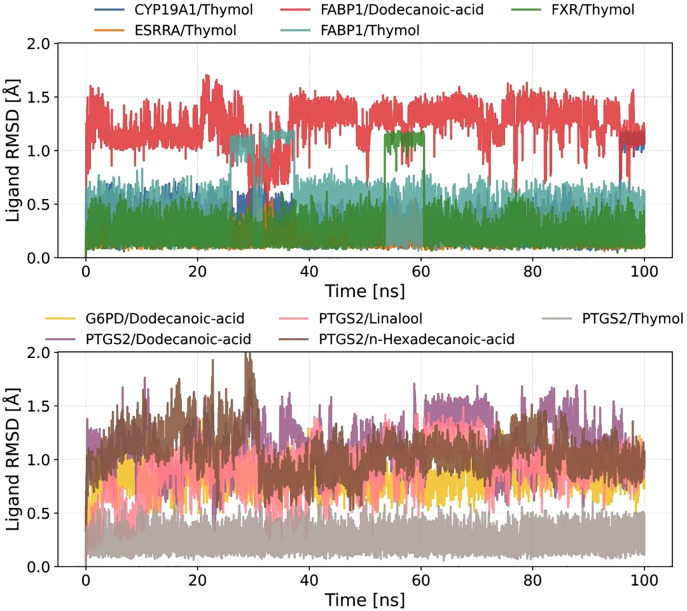 Figure 10
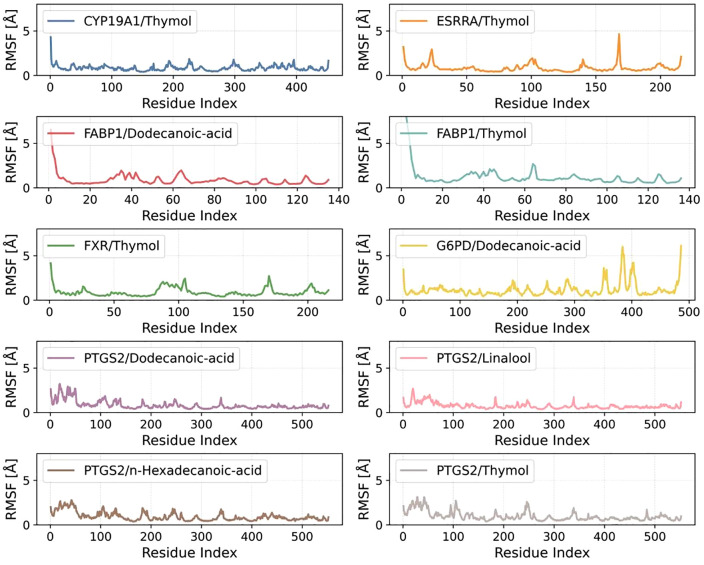 Figure 11
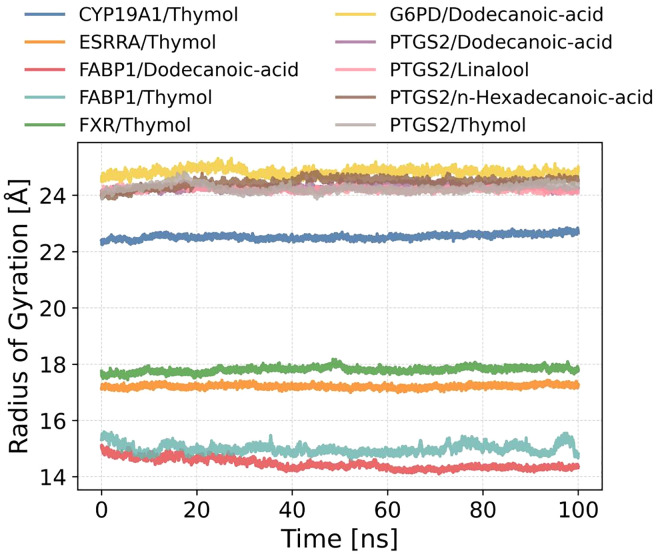 Figure 12
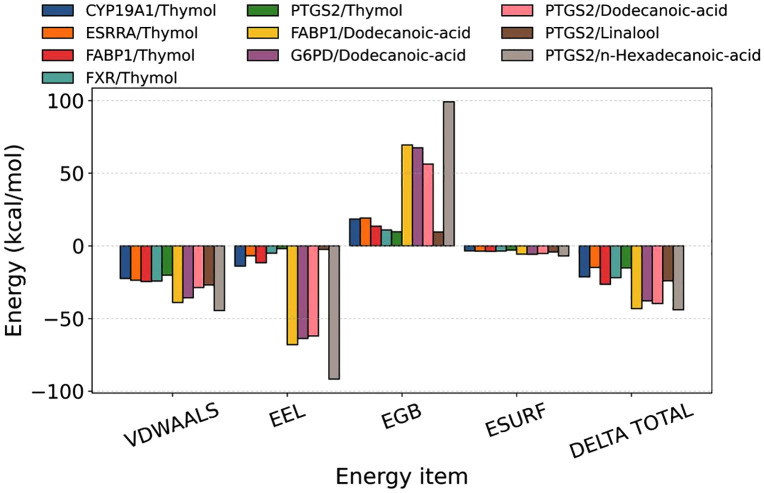 Figure 13
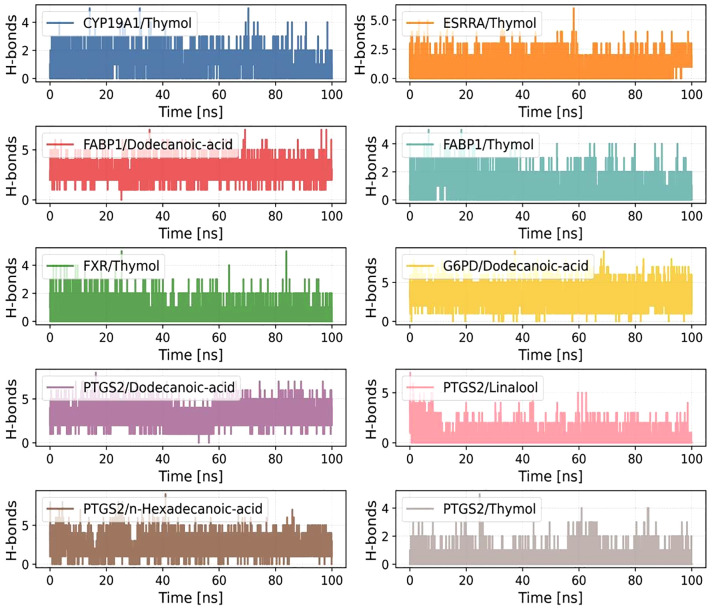 Figure 14
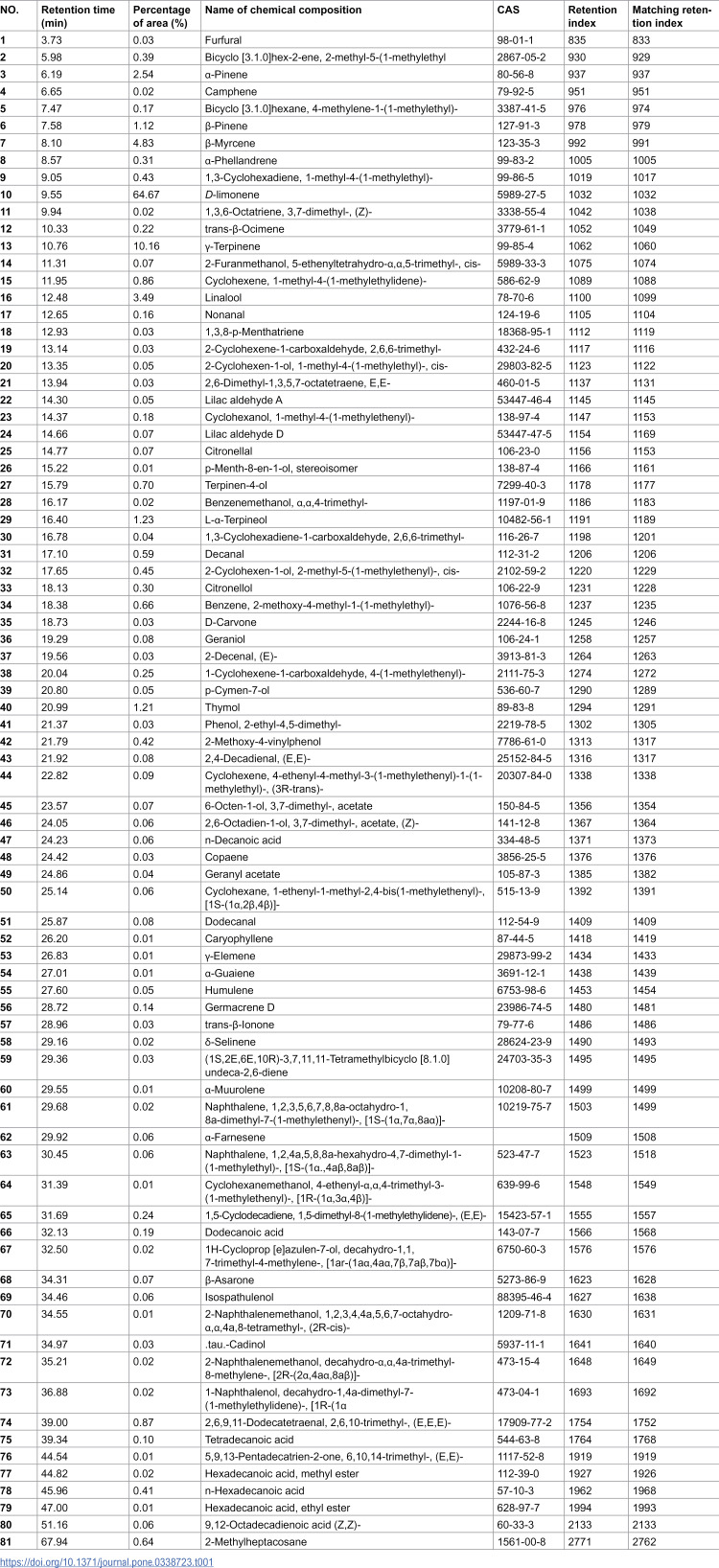 Figure 15
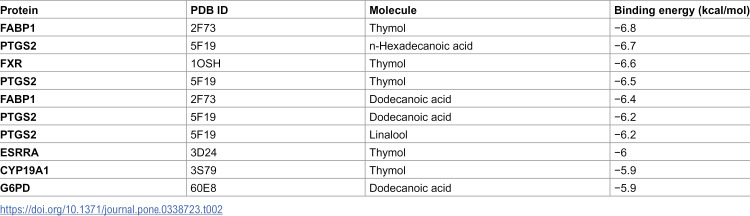 Figure 16
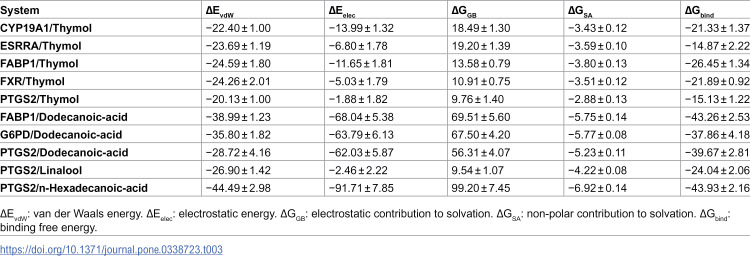 Figure 17
Peer Reviews
No public reviews on file for this paper yet. If you reviewed it on a platform where reviews are public (OpenReview, ICLR, NeurIPS, ICML), you can paste yours below so the community can read it here.
Videos
No videos yet. Explain this paper in a talk, walkthrough, or lecture? Add one.
Taxonomy
TopicsComputational Drug Discovery Methods · Phytochemicals and Antioxidant Activities · Protein Interaction Studies and Fluorescence Analysis