Machine learning and network pharmacology identify keloid biomarkers (AMPH, TNFRSF9) and therapeutic targets (IL6, HAS2) for aloe-derived quercetin
Congli Jia, Fu Yang, Yingchun Li

TL;DR
This study identifies potential biomarkers and therapeutic targets for keloid using machine learning and TCM pharmacology, focusing on Aloe vera-derived quercetin.
Contribution
Combines network pharmacology and machine learning to identify novel biomarkers and TCM-derived therapeutic targets for keloid.
Findings
AMPH and TNFRSF9 are promising diagnostic biomarkers with AUC > 0.85.
Quercetin from Aloe vera targets HAS2 and IL6, validated via molecular docking.
IL6 is a key hub gene and therapeutic target in keloid pathogenesis.
Abstract
This study aimed to identify diagnostic biomarkers for keloid and explore potential therapeutic agents from traditional Chinese medicine (TCM) by integrating network pharmacology approaches. Specifically, we sought to uncover key molecular targets for Aloe vera and validate their roles in keloid pathogenesis. We integrated keloid transcriptome datasets (GSE218007 and GSE237752) by merging GEO data, and identifying differentially expressed genes (DEGs). Functional enrichment analysis (GO, GSEA) and machine learning approaches were applied to select diagnostic biomarkers. Candidate genes were validated via Receiver Operating Characteristic (ROC) curves in training and independent cohorts (GSE44270). PPI networks and Cytohubba algorithms identified hub genes, while TCMSP-screened compounds from Aloe vera were docked with targets using molecular docking. 91 Identified DEGs enriched in…
Genes, proteins, chemicals, diseases, species, mutations and cell lines named across the full text — each resolved to its canonical identifier and authoritative record.
Click any figure to enlarge with its caption.
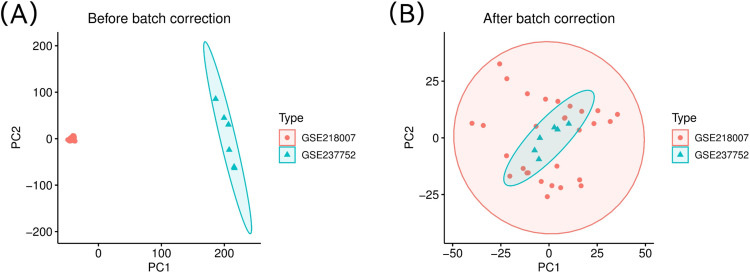 Figure 1
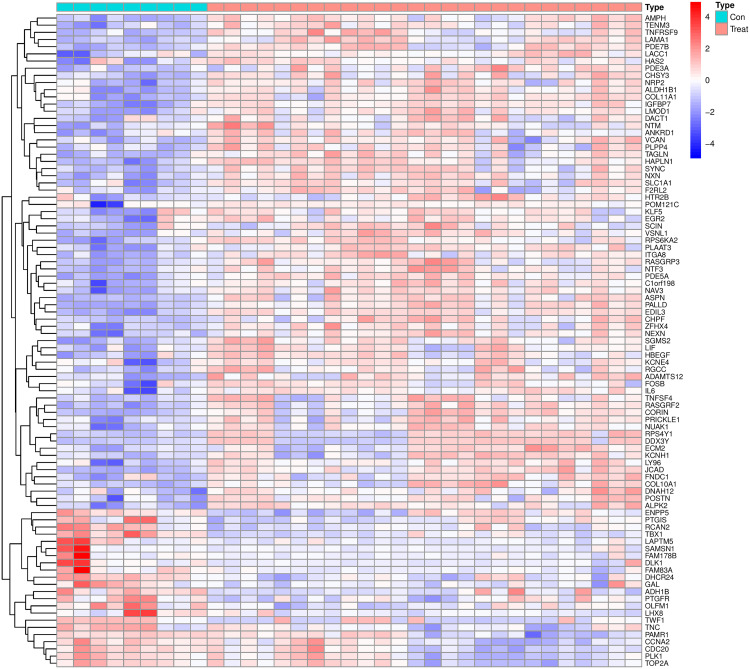 Figure 2
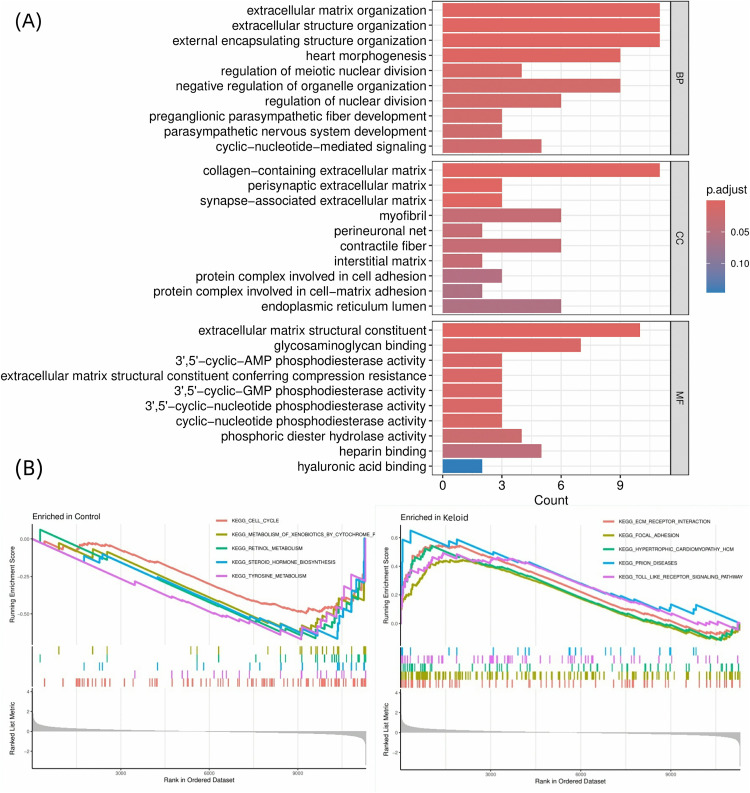 Figure 3
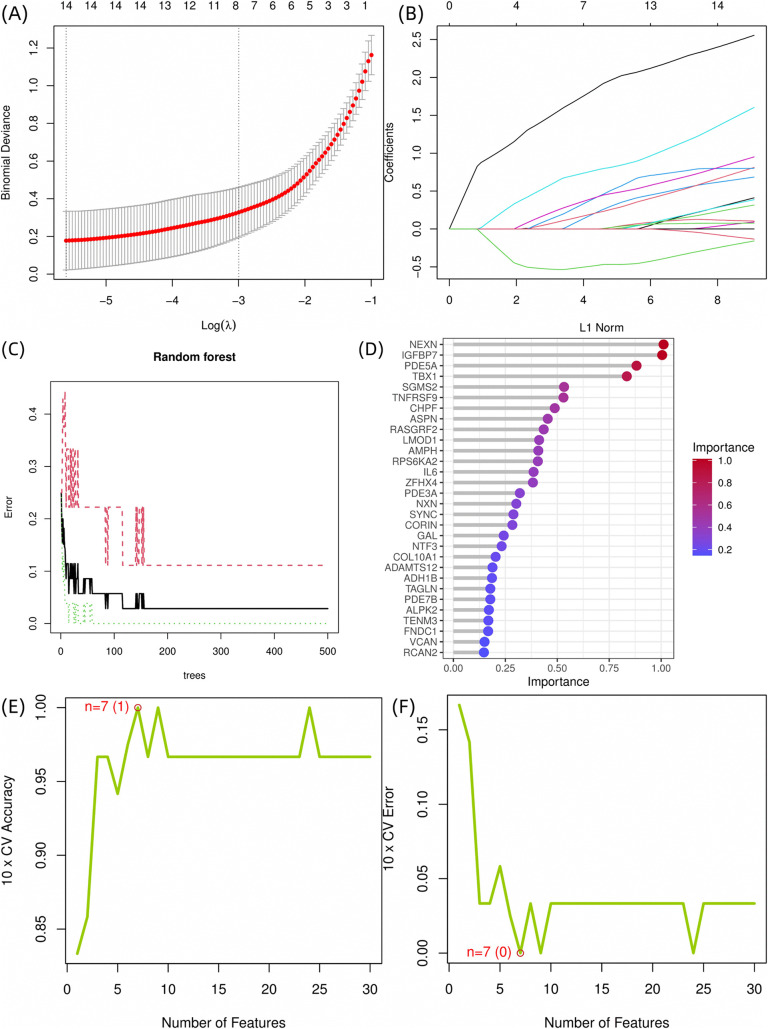 Figure 4
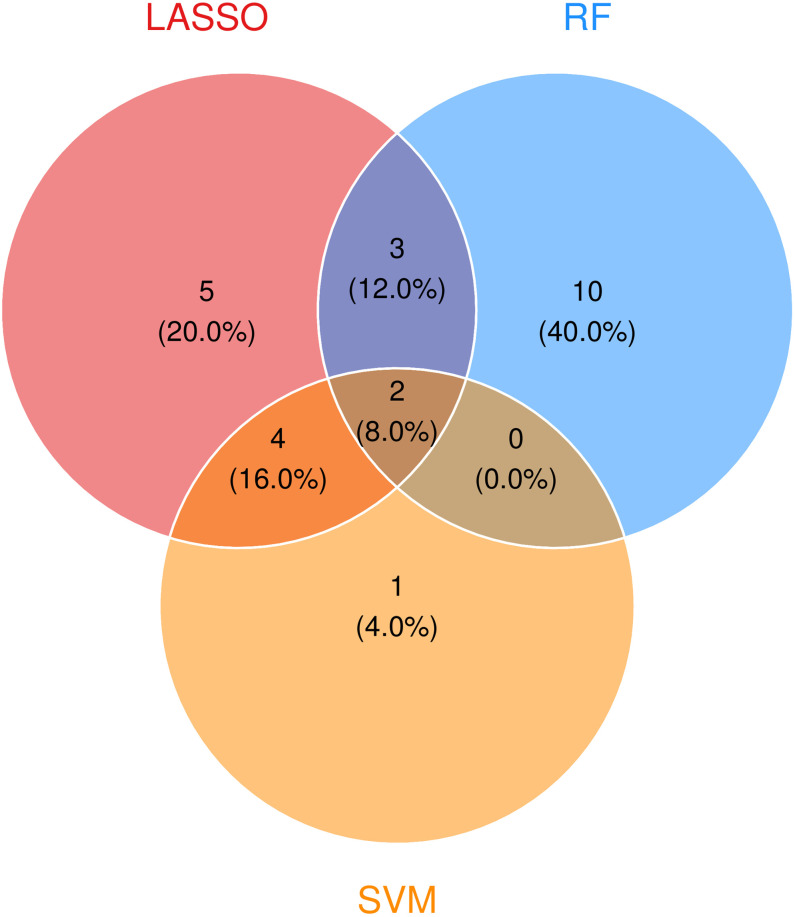 Figure 5
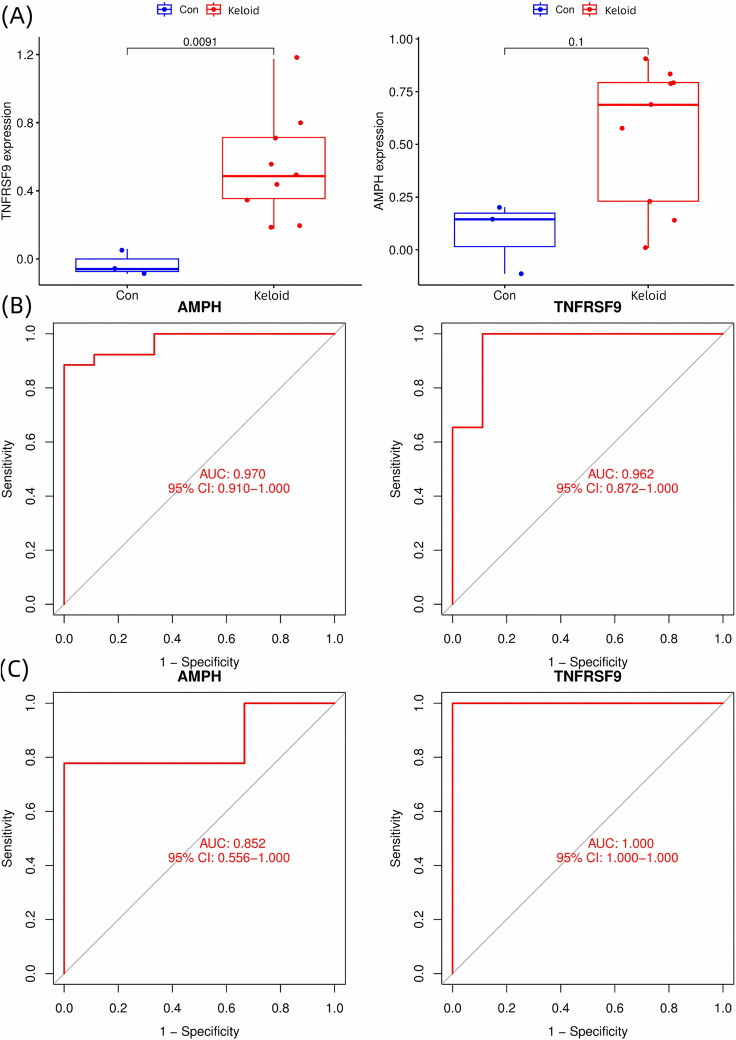 Figure 6
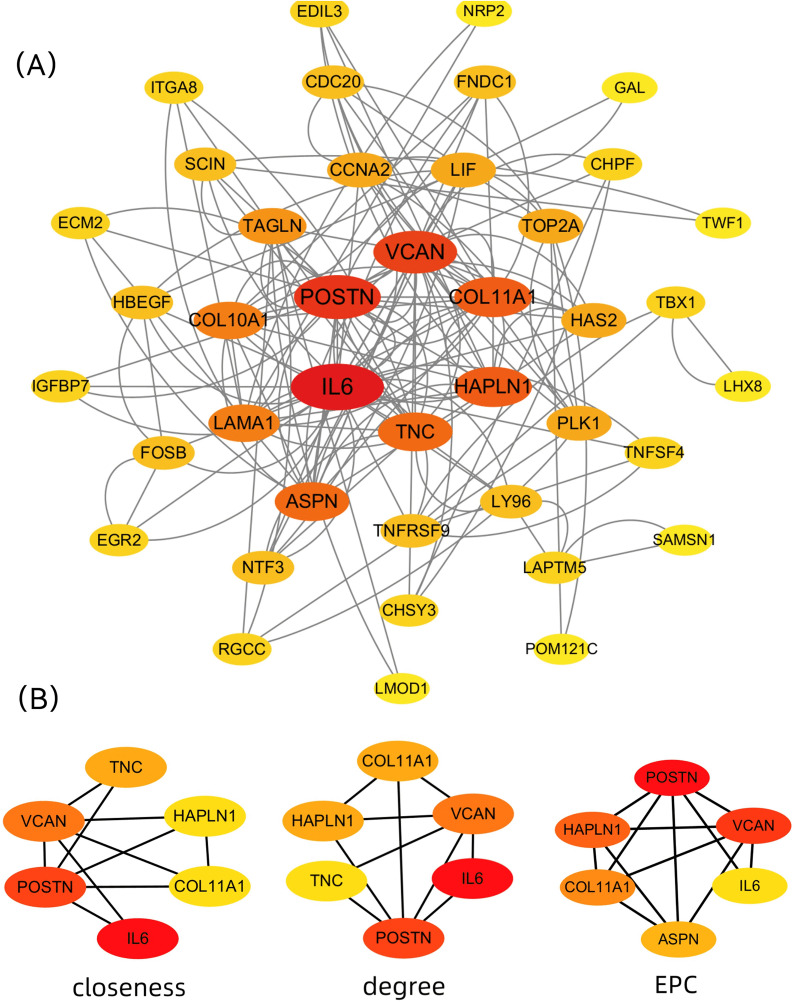 Figure 7
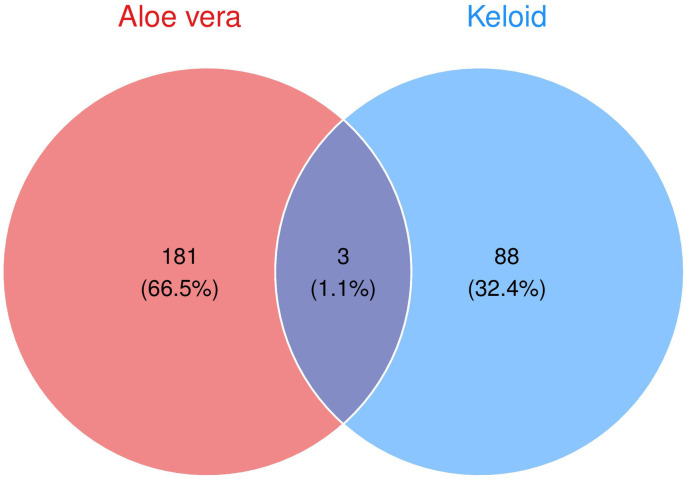 Figure 8
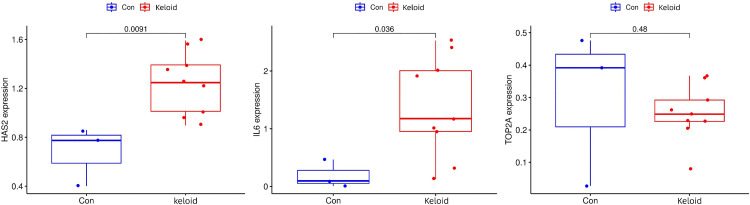 Figure 9
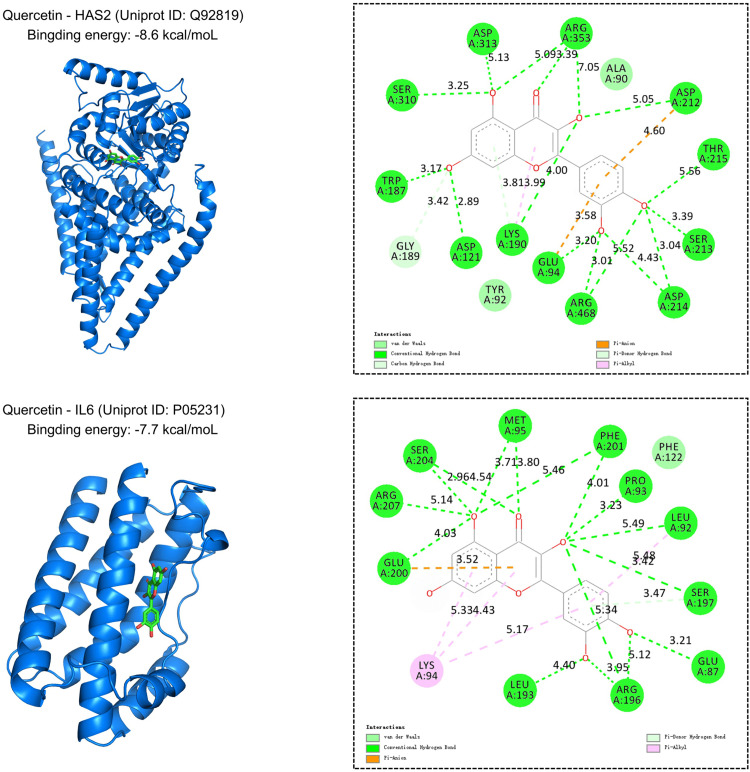 Figure 10
Peer Reviews
No public reviews on file for this paper yet. If you reviewed it on a platform where reviews are public (OpenReview, ICLR, NeurIPS, ICML), you can paste yours below so the community can read it here.
Videos
No videos yet. Explain this paper in a talk, walkthrough, or lecture? Add one.
Taxonomy
TopicsPhytochemistry and biological activity of medicinal plants · Dermatologic Treatments and Research · melanin and skin pigmentation