Preparation and in vivo effectiveness evaluation of heparin-loaded PLGA@PCL core-shell fiber small-diameter vascular grafts
Yonghao Xiao, Han Wang, Yuhao Jiao, Yuehao Xing, Lin Ye, Ai-ying Zhang, Xue Geng, Fanshan Qiu, Zengguo Feng, Hongbo Chen, Yongquan Gu, Pradeep Kumar, Pradeep Kumar, Pradeep Kumar, Pradeep Kumar, Pradeep Kumar, Pradeep Kumar

TL;DR
Researchers developed a new type of small-diameter vascular graft using a core-shell fiber structure and tested its effectiveness in rabbits over 9 months.
Contribution
A novel heparin-modified PLGA@PCL core-shell vascular graft with long-term patency and tissue regeneration was developed and evaluated in vivo.
Findings
Heparin-modified grafts achieved long-term patency and neointima structure similar to native vessels after 9 months.
Endothelialization was nearly complete after 3 months, but vascular calcification was also observed.
Surface heparinization is a feasible modification method for tissue-engineered vascular grafts.
Abstract
Cardiovascular disease has become the leading cause of death. It is the common goal for researchers worldwide to develop small-diameter vascular grafts (SDVGs) which could meet clinical needs. In this study, PLGA@PCL core-shell structural fibrous SDVGs was fabricated by coaxial electrospinning process, and then the surface heparinization of the vascular material was carried out after H2N-PEG-NH2 fixed on sodium hydroxide-treated electro-spun PCL tubes. Finally, the long-term patency and tissue regeneration of the grafts were evaluated in vivo through the rabbit carotid artery replacement model. The results indicate that the heparin-modified PLGA@PCL core-shell structural fibrous SDVGs achieved long-term patency and the arrangement of collagen and elastin in the neointima was similar to the native vessel in the rabbits after 9 months. After 3 months postoperatively, endothelialization…
Genes, proteins, chemicals, diseases, species, mutations and cell lines named across the full text — each resolved to its canonical identifier and authoritative record.
Click any figure to enlarge with its caption.
 Figure 1
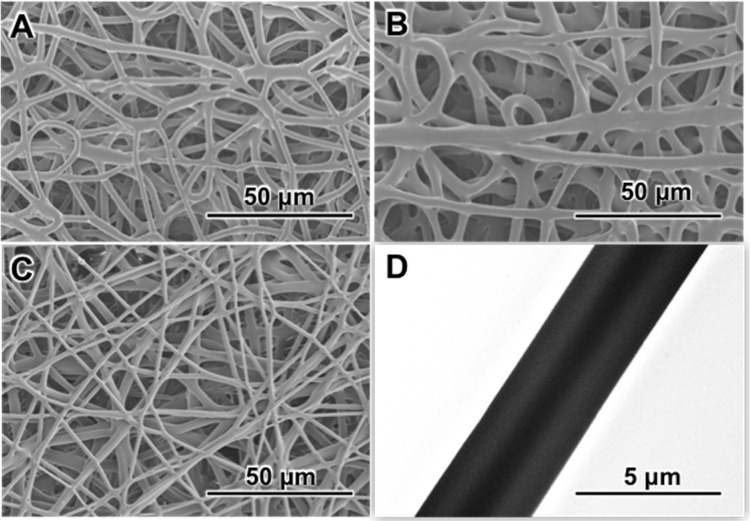 Figure 2
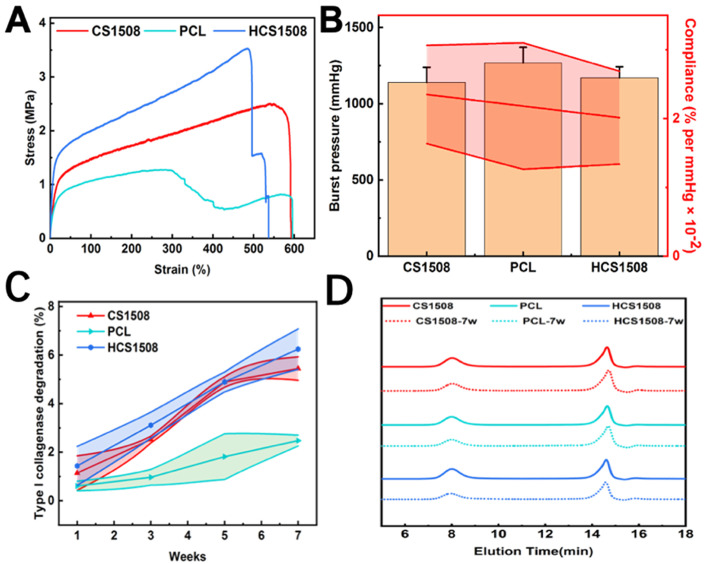 Figure 3
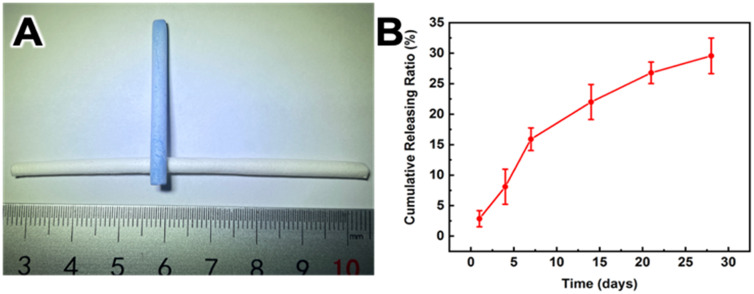 Figure 4
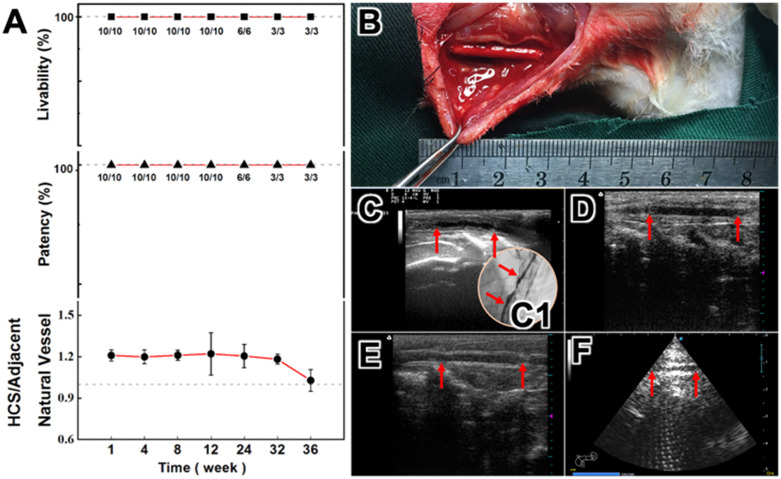 Figure 5
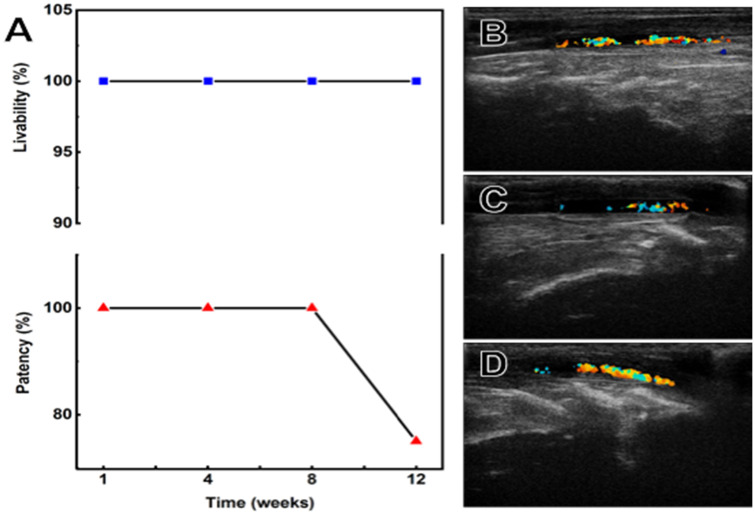 Figure 6
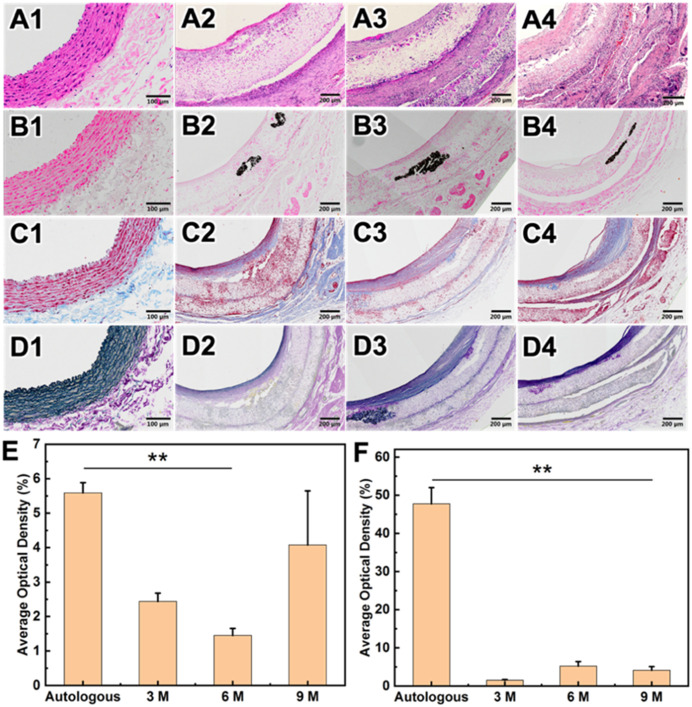 Figure 7
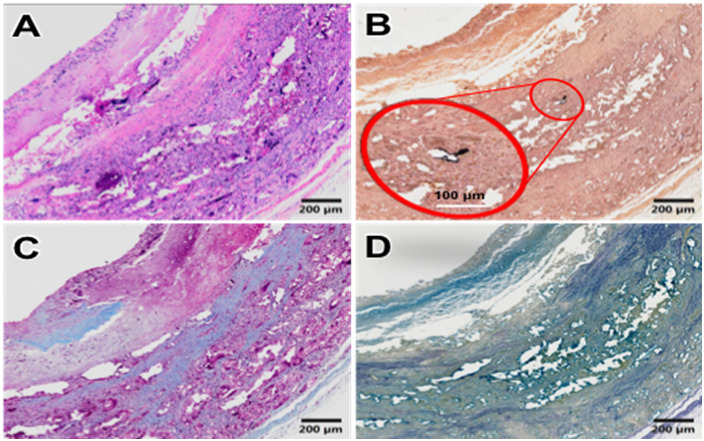 Figure 8
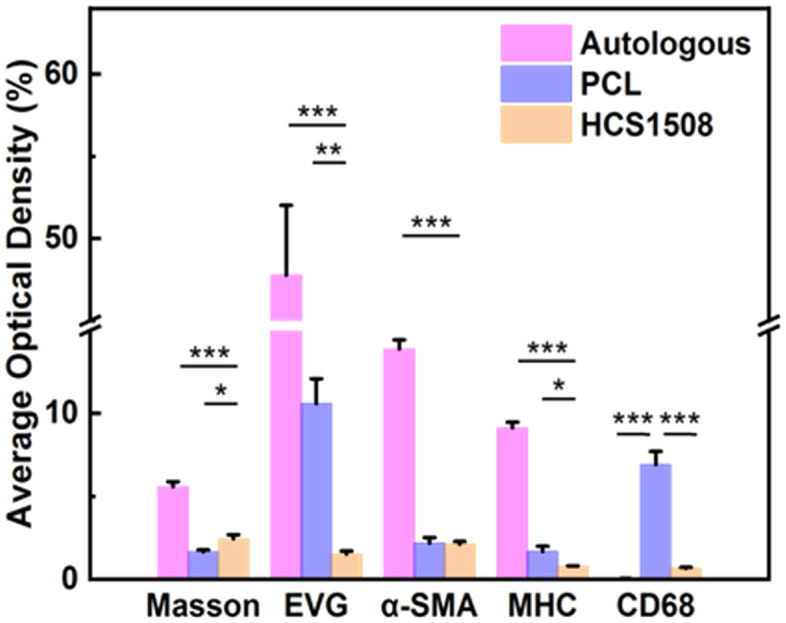 Figure 9
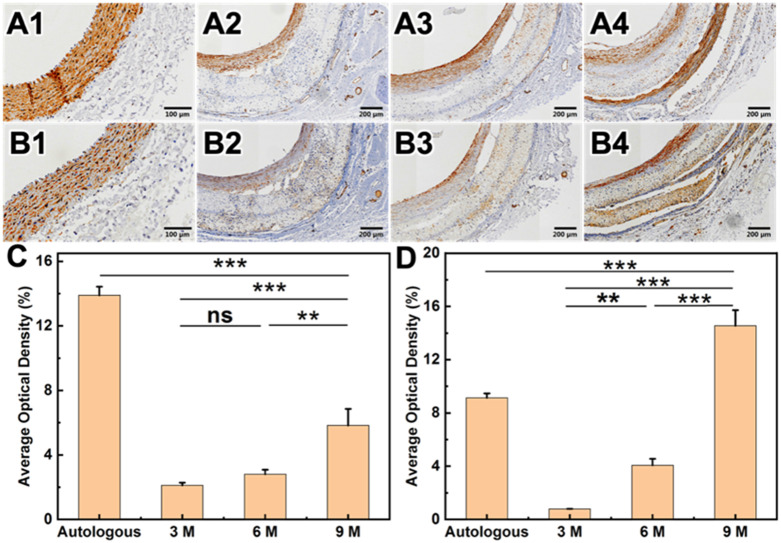 Figure 10
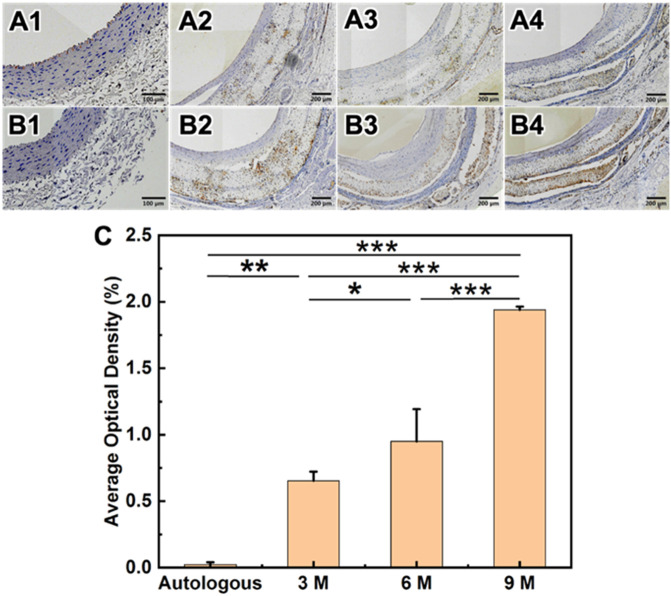 Figure 11
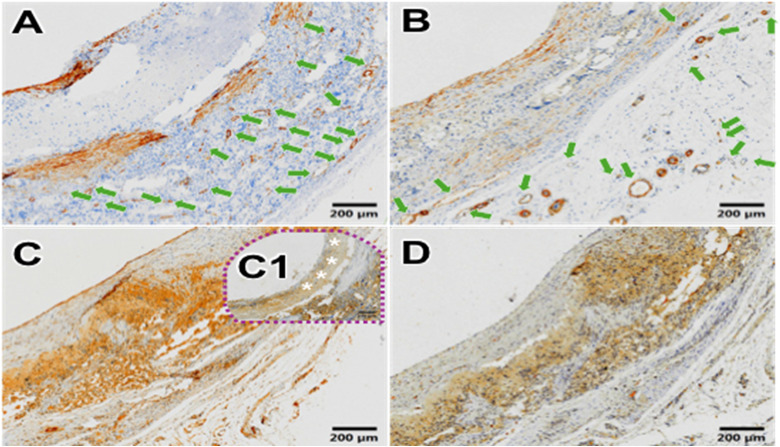 Figure 12
Peer Reviews
No public reviews on file for this paper yet. If you reviewed it on a platform where reviews are public (OpenReview, ICLR, NeurIPS, ICML), you can paste yours below so the community can read it here.
Videos
No videos yet. Explain this paper in a talk, walkthrough, or lecture? Add one.
Taxonomy
TopicsElectrospun Nanofibers in Biomedical Applications · Tissue Engineering and Regenerative Medicine · Bone Tissue Engineering Materials