Auranofin, identified by FDA-approved drug library screening, inhibits HBs antigen secretion via lysosomal damage
Akiyoshi Shimoda, Kazuhiro Murai, Hayato Hikita, Satoshi Minami, Takayuki Miyake, Shinji Kuriki, Emi Sometani, Jihyun Sung, Satoshi Shigeno, Yuichiro Higuchi, Kazuki Maesaka, Kumiko Shirai, Yuki Tahata, Yoshinobu Saito, Takahiro Kodama, Takeshi Takahashi, Hiroshi Suemizu

TL;DR
Auranofin, an FDA-approved drug, was found to reduce hepatitis B surface antigen (HBsAg) levels by damaging lysosomes in liver cells.
Contribution
Auranofin is identified as a novel repurposed drug that inhibits HBsAg secretion through lysosomal damage, not affecting other viral markers.
Findings
Auranofin significantly reduced HBsAg levels in both HepG2.2.15.7 and HepaSH cells.
Auranofin caused lysosomal damage, indicated by increased vesicles and Galectin-3 colocalization with HBsAg.
Auranofin did not affect HBe antigen, HBV-DNA, or intracellular HBsAg levels.
Abstract
Hepatitis B surface antigen (HBsAg) is associated with hepatocellular carcinoma risk and immune exhaustion and contributes to hepatitis B virus (HBV) persistence. Current anti-HBV treatments have a limited ability to reduce HBsAg levels. This study aimed to identify FDA-approved drugs capable of reducing HBsAg levels and explore the underlying mechanisms. A total of 1134 FDA-approved compounds were screened at 9.9 μM for 7 days using HepG2.2.15.7 cells, which contain an integrated HBV genome. HBsAg in the supernatant and cell viability were assessed. Compounds whose viability was reduced by >1 SD were excluded. Compounds whose HBsAg concentration decreased by >1.5 SD were selected and validated at 0.5 and 5 μM. We evaluated the HBsAg-reducing effect of the final candidate compounds using HBV-infected primary human hepatocytes (HepaSH cells) derived from chimeric TK-NOG mice and…
Genes, proteins, chemicals, diseases, species, mutations and cell lines named across the full text — each resolved to its canonical identifier and authoritative record.
Click any figure to enlarge with its caption.
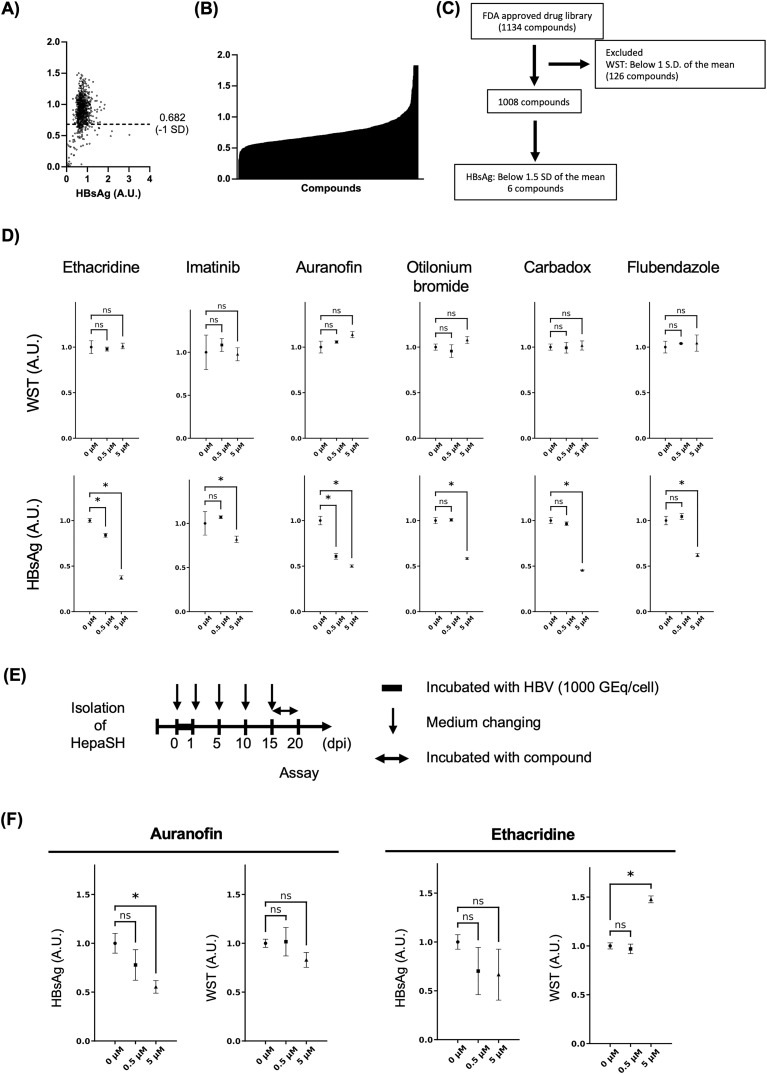 Figure 1
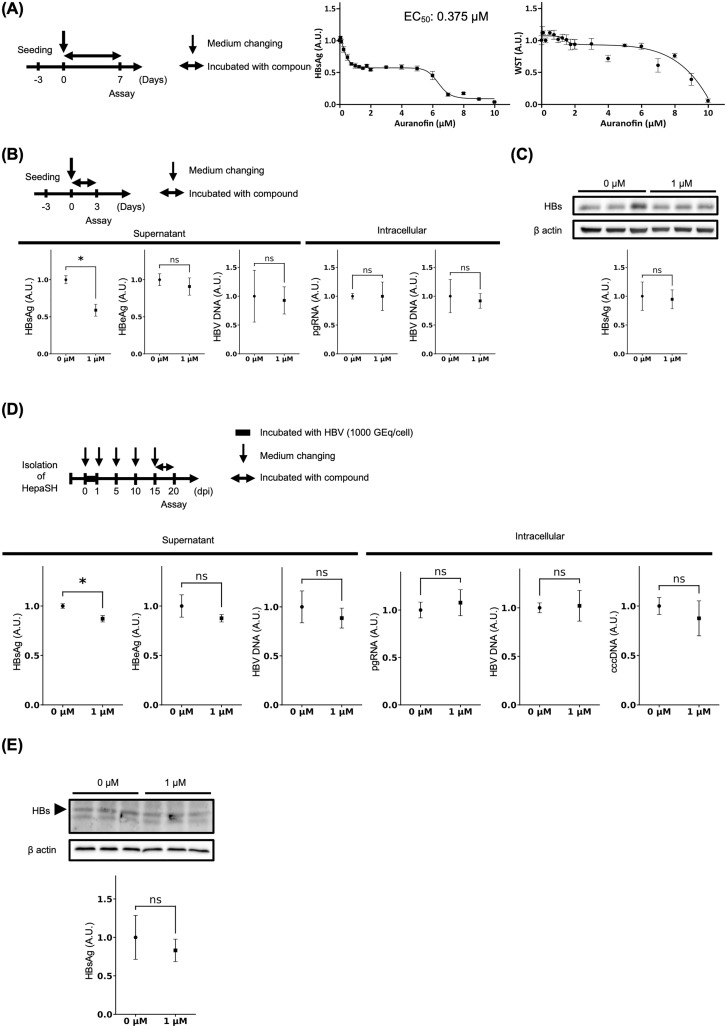 Figure 2
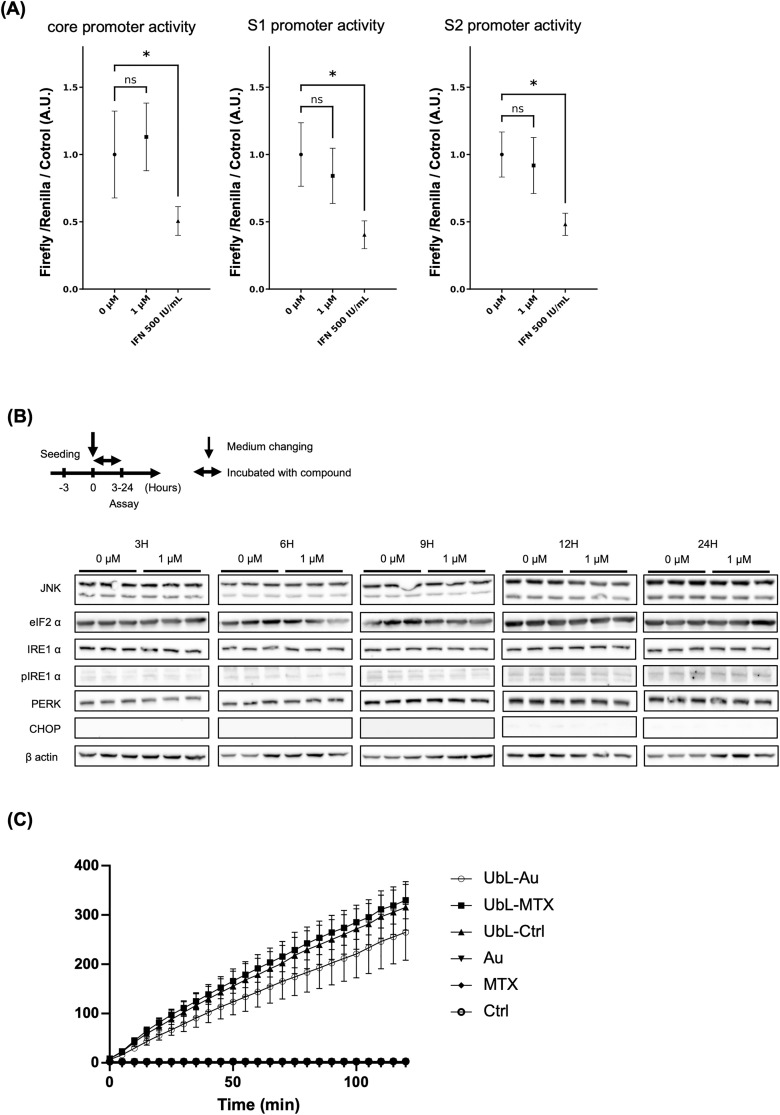 Figure 3
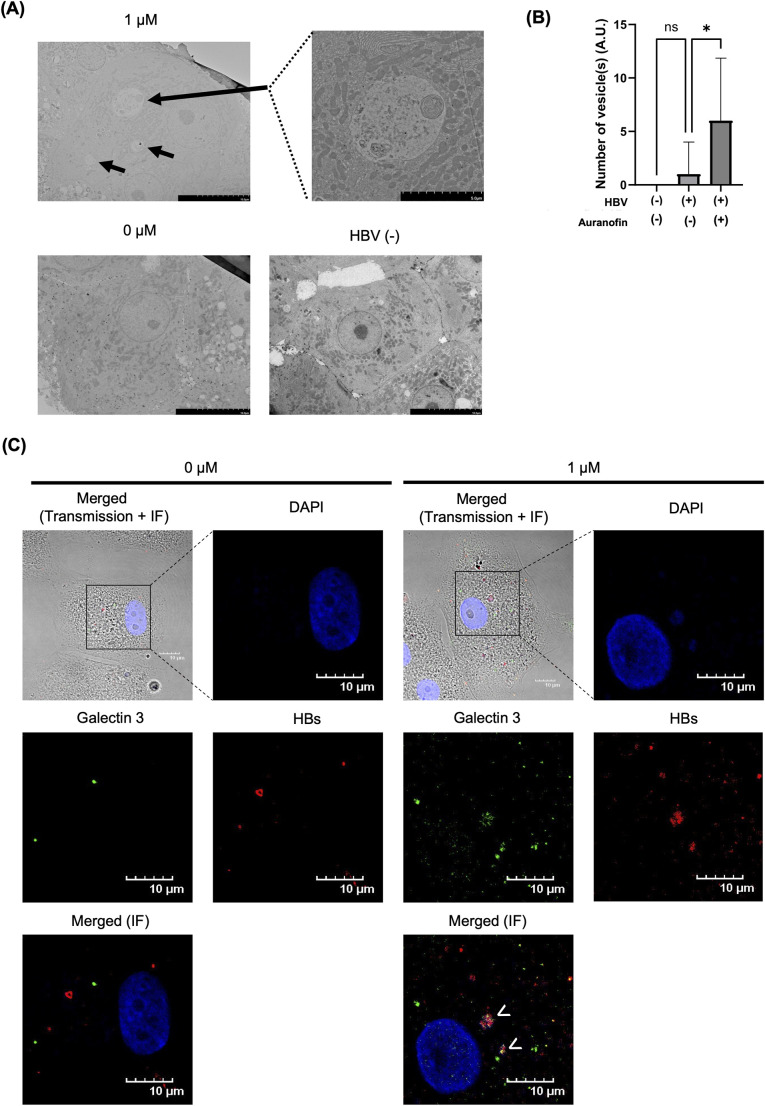 Figure 4
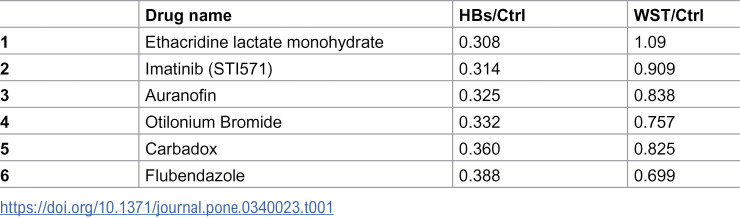 Figure 5
Peer Reviews
No public reviews on file for this paper yet. If you reviewed it on a platform where reviews are public (OpenReview, ICLR, NeurIPS, ICML), you can paste yours below so the community can read it here.
Videos
No videos yet. Explain this paper in a talk, walkthrough, or lecture? Add one.
Taxonomy
TopicsHepatitis B Virus Studies · Cell death mechanisms and regulation · Healthcare and Venom Research